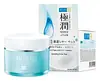
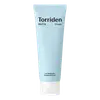
Hada Labo Gokujyun Hydrating Snow Dew Cream Versus Torriden Dive-In Low Molecule Hyaluronic Acid Cream
This barrier-repair moisturizer is formulated around Urea and Sodium Hyaluronate to strengthen the skin barrier and hydrate skin.
This barrier-repair moisturizer is formulated around Sodium Hyaluronate and Ceramide NP to strengthen the skin barrier and hydrate skin.


What's inside
What's inside
 Key Ingredients
Benefits
Concerns
Ingredients Side-by-side
Water
Skin ConditioningGlycerin
Humectant


Propanediol
Solvent
Pentylene Glycol
Skin Conditioning
1,2-Hexanediol
Skin Conditioning
Isononyl Isononanoate
EmollientSodium Acrylates Crosspolymer-2
AbsorbentPhenoxyethanol
Preservative
Cetearyl Alcohol
Emollient






Trehalose
Humectant
Urea
Buffering

Ethylhexylglycerin
Skin ConditioningStyrene/Vp Copolymer
Hydrogenated Phosphatidylcholine
Emulsifying
Serine
Masking
Citrus Sinensis Peel Extract
Perfuming
Citric Acid
Buffering

Carnosine
Skin Conditioning
Bifida Ferment Lysate
Skin Conditioning

Glyceryl Polyacrylate
Algin
MaskingCaprylyl Glycol
Emollient
Sodium Hyaluronate
Humectant
Pullulan
Disodium Phosphate
BufferingCitrus Limon Peel Oil
Masking




Pelargonium Graveolens Flower Oil
Masking
Elettaria Cardamomum Seed Oil
Masking
Citrus Aurantium Bergamia Fruit Oil
Masking
Leontopodium Alpinum Extract
Skin ConditioningSodium Acetylated Hyaluronate
Humectant
Hydrolyzed Sodium Hyaluronate
Skin Conditioning
Butylene Glycol
Humectant
Cananga Odorata Flower Oil
Masking
Polianthes Tuberosa Extract
MaskingPotassium Phosphate
BufferingCollagen
Moisturising
Sorbic Acid
Preservative
Palmitoyl Tripeptide-5
Skin Conditioning
Sodium Benzoate
Masking
Potassium Sorbate
Preservative
Ceteareth-20
Cleansing
Caprylic/Capric Triglyceride
Masking
Polyglyceryl-10 Stearate
Skin Conditioning
Ceramide NP
Skin Conditioning
Polysorbate 20
Emulsifying
Sodium Hyaluronate Crosspolymer
Humectant
Maltodextrin
Absorbent
Palmitoyl Hexapeptide-12
Skin Conditioning
Syringa Vulgaris Extract
Skin ConditioningWater, Glycerin, Propanediol, Pentylene Glycol, 1,2-Hexanediol, Isononyl Isononanoate, Sodium Acrylates Crosspolymer-2, Phenoxyethanol, Cetearyl Alcohol, Trehalose, Urea, Ethylhexylglycerin, Styrene/Vp Copolymer, Hydrogenated Phosphatidylcholine, Serine, Citrus Sinensis Peel Extract, Citric Acid, Carnosine, Bifida Ferment Lysate, Glyceryl Polyacrylate, Algin, Caprylyl Glycol, Sodium Hyaluronate, Pullulan, Disodium Phosphate, Citrus Limon Peel Oil, Pelargonium Graveolens Flower Oil, Elettaria Cardamomum Seed Oil, Citrus Aurantium Bergamia Fruit Oil, Leontopodium Alpinum Extract, Sodium Acetylated Hyaluronate, Hydrolyzed Sodium Hyaluronate, Butylene Glycol, Cananga Odorata Flower Oil, Polianthes Tuberosa Extract, Potassium Phosphate, Collagen, Sorbic Acid, Palmitoyl Tripeptide-5, Sodium Benzoate, Potassium Sorbate, Ceteareth-20, Caprylic/Capric Triglyceride, Polyglyceryl-10 Stearate, Ceramide NP, Polysorbate 20, Sodium Hyaluronate Crosspolymer, Maltodextrin, Palmitoyl Hexapeptide-12, Syringa Vulgaris Extract
Water
Skin ConditioningButylene Glycol
Humectant
Glycerin
Humectant
Dipropylene Glycol
HumectantCaprylic/Capric Triglyceride
Masking
1,2-Hexanediol
Skin Conditioning
C14-22 Alcohols
Emulsion Stabilising
Glyceryl Stearate
Emollient
Ethylhexyl Palmitate
Emollient
Cetearyl Alcohol
Emollient
Sodium Hyaluronate
Humectant
Hydrolyzed Hyaluronic Acid
Humectant
Sodium Acetylated Hyaluronate
Humectant
Sodium Hyaluronate Crosspolymer
Humectant
Hydrolyzed Sodium Hyaluronate
Skin Conditioning
Simmondsia Chinensis Seed Oil
Emollient
Macadamia Integrifolia Seed Oil
Skin Conditioning
Argania Spinosa Kernel Oil
Emollient

Trehalose
Humectant
Sh-Oligopeptide-1
Skin Conditioning
Allantoin
Skin Conditioning
Propanediol
Solvent
Betaine
Humectant
Beta-Glucan
Skin Conditioning
Ceramide NP
Skin Conditioning
Portulaca Oleracea Extract
Skin Conditioning
Hamamelis Virginiana Extract
Antiseborrhoeic
Morus Nigra Fruit Extract
Skin ConditioningLycium Chinense Fruit Extract
Antioxidant
Fragaria Chiloensis Fruit Extract
Skin Conditioning
Berberis Vulgaris Root Extract
AntimicrobialMadecassoside
Antioxidant
Madecassic Acid
Skin Conditioning
Cetearyl Olivate
Sorbitan Olivate
Emulsifying
Malachite Extract
Antioxidant
Pentylene Glycol
Skin Conditioning
Dimethicone/Vinyl Dimethicone Crosspolymer
Skin Conditioning
C12-20 Alkyl Glucoside
EmulsifyingPolyglyceryl-10 Myristate
Skin Conditioning
Glyceryl Acrylate/Acrylic Acid Copolymer
HumectantXanthan Gum
EmulsifyingArginine
Masking
Carbomer
Emulsion StabilisingTromethamine
BufferingEthylhexylglycerin
Skin ConditioningScutellaria Baicalensis Root Extract
Astringent
Paeonia Suffruticosa Root Extract
Skin ProtectingWater, Butylene Glycol, Glycerin, Dipropylene Glycol, Caprylic/Capric Triglyceride, 1,2-Hexanediol, C14-22 Alcohols, Glyceryl Stearate, Ethylhexyl Palmitate, Cetearyl Alcohol, Sodium Hyaluronate, Hydrolyzed Hyaluronic Acid, Sodium Acetylated Hyaluronate, Sodium Hyaluronate Crosspolymer, Hydrolyzed Sodium Hyaluronate, Simmondsia Chinensis Seed Oil, Macadamia Integrifolia Seed Oil, Argania Spinosa Kernel Oil, Trehalose, Sh-Oligopeptide-1, Allantoin, Propanediol, Betaine, Beta-Glucan, Ceramide NP, Portulaca Oleracea Extract, Hamamelis Virginiana Extract, Morus Nigra Fruit Extract, Lycium Chinense Fruit Extract, Fragaria Chiloensis Fruit Extract, Berberis Vulgaris Root Extract, Madecassoside, Madecassic Acid, Cetearyl Olivate, Sorbitan Olivate, Malachite Extract, Pentylene Glycol, Dimethicone/Vinyl Dimethicone Crosspolymer, C12-20 Alkyl Glucoside, Polyglyceryl-10 Myristate, Glyceryl Acrylate/Acrylic Acid Copolymer, Xanthan Gum, Arginine, Carbomer, Tromethamine, Ethylhexylglycerin, Scutellaria Baicalensis Root Extract, Paeonia Suffruticosa Root Extract
Reviews
Ingredients Explained
These ingredients are found in both products.
Ingredients higher up in an ingredient list are typically present in a larger amount.
1,2-Hexanediol is a synthetic liquid and another multi-functional powerhouse.
It is a:
- Humectant, drawing moisture into the skin
- Emollient, helping to soften skin
- Solvent, dispersing and stabilizing formulas
- Preservative booster, enhancing the antimicrobial activity of other preservatives
Butylene Glycol (or BG) is used within cosmetic products for a few different reasons:
Overall, Butylene Glycol is a safe and well-rounded ingredient that works well with other ingredients.
Though this ingredient works well with most skin types, some people with sensitive skin may experience a reaction such as allergic rashes, closed comedones, or itchiness.
Learn more about Butylene GlycolCaprylic/Capric Triglyceride (aka MCT Oil) is a lightweight emollient, solvent, and texture enhancer. It is considered a skin-softener by helping to prevent moisture loss.
Though it behaves like an oil, it is not technically one due to its chemical composition. One perk of this ingredient is that it is very stable, resistant to oxidation, and unlikely to go rancid.
In practice, that translates to a long shelf life and a consistently elegant skin feel.
While there is an assumption Caprylic Triglyceride can clog pores due to it being derived from coconut oil, there is no research supporting this. Just patch test if you have concerns.
Fractionated coconut oil and MCT Oil are both listed as Caprylic/Capric Triglyceride according to INCI. This is because INCI names are based on the ingredient’s final chemical composition and not its marketing name or source.
This ingredient is treated as the gold standard fungal acne safe oil. Even though it is coconut derived, the problematic lauric acid is stripped out.
This leaves just caprylic (C8) and capric (C10) acid. These chain lengths actually trend antifungal; a 2020 study found caprylic acid was enough to disrupt Malassezia furfur cell membrane, with a caprylic acid derivative damaging membrane structures at concentrations as low as 0.2%.
Learn more about Caprylic/Capric TriglycerideCeramide NP (formerly known as Ceramide 3) is one of the skin's naturally occurring lipids.
Since ceramides are the major lipid components of the skin, they are crucial for maintaining skin barrier and hydration. Ceramide NP most closely mirrors the dominant kind in human skin amongst ceramide subtypes.
This ceramide works by slotting into gaps within the stratum corneum's lipid matrix to limit trans-epidermal water loss (TEWL) and shield the skin against external irritants.
A study with 312 patients found that using a ceramide-containing routine for 4 weeks reduced the severity of atopic dermatitis by over 61%.
Another clinical study in subjects aged 60 and older found that a ceramide body wash and moisturizer improved skin dryness and itchy skin in 15 days.
Overall, ceramides are considered non-irritating and safety tests have found little to no observable adverse effects from using this ingredient.
Ceramide NP is usually sourced from plants (like soybean or rice bran), or produced synthetically.
Learn more about Ceramide NPCetearyl alcohol is a waxy mixture of two fatty alcohols: cetyl alcohol and stearyl alcohol. It is an emollient and emulsifier.
Despite having "alcohol" in its name, it has nothing to do with drying solvent alcohols; the FDA also allows "alcohol-free" products to contain fatty alcohols like this ingredient.
It plays several roles in a formula:
Typical use levels for this ingredient sit around 1-10% and the Cosmetic Ingredient Review Expert Panel has affirmed safety at concentrations up to 25% in leave-on products.
Multiple assessments have found it to be non-irritating and non-sensitizing to most people.
However, there have been some cases of allergic contact dermatitis in patients with chronically compromised skin barriers.
Cetearyl alcohol has a comedogenic rating of 2 and irritancy rating of 1. Both of these numbers come from the 1989 study that used rabbit ears; a "2" means mildly comedogenic and a "1" means low irritancy.
Here's the catch: rabbit skin is more sensitive than human skin and throws a lot of false positives. A 1996 reappraisal found that ingredients rated 1-2 in the rabbit ear tests are generally safe for humans.
Remember comedogenic ratings are unable to assess the entire formula of a product or how it will react on your skin. Just be sure to patch test if you are unsure about certain ingredients.
This ingredient is not fungal acne safe. Cetearyl alcohol is a fatty alcohol with chain lengths that fall within the range that Malassezia can metabolize.
A 2019 study has also observed Malassezia growth in the presence of this ingredient, confirming it to be not-fungal acne safe.
Learn more about Cetearyl AlcoholEthylhexylglycerin is created from glycerin. It is a multitasker ingredient that:
The CIR Expert Panel found minimal skin absorption or sensitization of any kind in a safety assessment. Though this ingredient is considered well-tolerated, a small number of cases of allergic dermatitis have been published since 2002. Just be sure to patch test if you are unsure.
Industry-reported use ranges from 8% in rinse-off products and 2% in leave-on formulations.
Learn more about EthylhexylglycerinGlycerin (or glycerol) is a compound naturally found in your skin. It's a powerhouse humectant that pulls water into the stratum corneum.
Topically, glycerin does several things at once:
Your skin makes glycerin on its own (mostly from sebaceous oil breakdown) and shuttles it to your outermost layer of skin, or your epidermis, via aquaporin-3.
Aquaporin-3 is a transporter that is essential for normal skin hydration, elasticity, and repair. Interestingly, mice lacking in AQP3 have dry and less elastic skin that can be fully corrected with glycerin.
This ingredient is non-irritating, plays well with almost every ingredient, and works across all skin types. Typical use is anywhere between 3-10% but can go up to 79% in some leave-on products.
Just know very high concentrations (>40%) can feel tacky in low humidity.
Glycerin is the name for this ingredient in American English. British English uses Glycerol/Glycerine.
Learn more about GlycerinThis ingredient is created by putting sodium hyaluronate through hydrolysis.
You might know this as 'mini' or 'ultra low-molecular weight' hyaluronic acid. The small molecule size means it is able to travel deeper in the skin.
According to studies, low molecular-weight hyaluronic acid can:
One study from 2011 found ultra-low weight HA to show pro-inflammatory properties. Another study from 2022 found it to downregulate UV-B induced inflammation.
Hydrolysis is a process of changing a molecule using water or enzymes.
This ingredient is water-soluble.
Learn more about Hydrolyzed Sodium HyaluronatePentylene Glycol (1,2-pentanediol) is a multitasking little diol with three main roles in a formula:
Research on alkanediols (the family pentylene glycol belongs to) show they work by disrupting microbial cell membranes. This disruption helps the primary preservative system in a product work more effectively at lower doses.
On the safety side, the Cosmetic Ingredient Review Expert Panel has concluded this ingredient to be safe as used in current cosmetic practices + concentrations.
Typical use levels in a formula run about 1-5%.
Learn more about Pentylene GlycolPropanediol is an all-star ingredient. It softens, hydrates, and smooths the skin.
It’s often used to:
Propanediol is not likely to cause sensitivity and considered safe to use. It is derived from corn or petroleum with a clear color and no scent.
Learn more about PropanediolSodium Acetylated Hyaluronate is a type of Hyaluronic Acid.
Hyaluronic Acids help moisturize, soothe, and protect the skin.
Read about common types of Hyaluronic Acid here:
Learn more about Sodium Acetylated HyaluronateSodium Hyaluronate is the salt form of hyaluronic acid. It is a long sugar chain that is naturally found in your skin, joints, and connective tissue that maintains hydration and elasticity.
In skincare, it works as a humectant. It pulls water from the environment and deeper layers of skin and binds it to the surface.
Interestingly, the size of the molecule affects its behavior:
Some clinical evidence links low molecular weight versions to improved wrinkle depth, elasticity, anti-inflammatory effects, and barrier repair.
Many serums use a blend of both weights so you can get surface hydration plus longer-lasting and deeper effects.
You'll typically see concentrations between 0.1-2% for this ingredient.
Learn more about Sodium HyaluronateSodium Hyaluronate Crosspolymer is a crosslinked version of sodium hyaluronate. This just means it's linked into a 3D mesh network that lets it be more stable and sit on skin as a cohesive, gel-like film rather than sinking into skin.
A 2016 human skin study found crosslinked HA increased epidermal water content by 7.6% over the control group and reduced transepidermal water loss by 27.8%.
A follow-up clinical trial found that a topical crosslinked HA serum applied after fillers, microneedling, or chemical peels was well-tolerated and enhanced skin quality at 14 / 28 days.
More recent research suggests that concentrations as low as 0.03% can act as a penetration enhancer for other skincare actives.
Learn more about Sodium Hyaluronate CrosspolymerTrehalose is a disaccharide made of two glucose molecules (glucose is sugar!). Trehalose is used to help moisturize skin. It also has antioxidant properties.
As a humectant, trehalose helps draw moisture from the air to your skin. This helps keep your skin hydrated.
Due to its antioxidant properties, trehalose may help with signs of aging. Antioxidants help fight free-radical molecules, unstable molecules that may damage your skin.
In medicine, trehalose and hyaluronic acid are used to help treat dry eyes.
Some animals, plants, and bacteria create trehalose as a source of energy to survive freeze or lack of water.
Learn more about TrehaloseWater. It's the most common cosmetic ingredient of all. You'll usually see it at the top of ingredient lists, meaning that it makes up the largest part of the product.
So why is it so popular? Water most often acts as a solvent - this means that it helps dissolve other ingredients into the formulation.
You'll also recognize water as that liquid we all need to stay alive. If you see this, drink a glass of water. Remember to stay hydrated!
Learn more about Water

