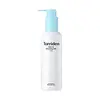
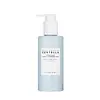
Torriden Dive In Cleansing Milk Versus SKIN1004 Madagascar Centella Hyalu-Cica Gentle Cleansing Milk
This mild cream cleanser is made to cleanse without leaving your skin tight or dry.
This mild cream makeup remover is made to dissolve makeup, sunscreen, and daily buildup.

What's inside
What's inside
 Key Ingredients
Benefits
Concerns
Ingredients Side-by-side
Water
Skin ConditioningEthylhexyl Palmitate
Emollient




Cetyl Ethylhexanoate
EmollientGlycerin
Humectant


Polyglyceryl-4 Caprate
EmulsifyingPolyglyceryl-6 Caprylate
EmulsifyingTripropylene Glycol
Antioxidant
Hyaluronic Acid
Humectant

Potassium Hyaluronate
Skin ConditioningSodium Acetylated Hyaluronate
Humectant
Dimethylsilanol Hyaluronate
Humectant
Hydrolyzed Sodium Hyaluronate
Skin Conditioning
Hydroxypropyltrimonium Hyaluronate
Sodium Hyaluronate
Humectant
Hydrolyzed Hyaluronic Acid
Humectant
Acetyl Hexapeptide-8
Humectant
Copper Tripeptide-1
Skin Conditioning
Palmitoyl Pentapeptide-4
Skin Conditioning
Palmitoyl Tripeptide-1
Skin Conditioning
Tripeptide-1
Skin Conditioning
Hexapeptide-9
Skin Conditioning
Nonapeptide-1
Skin Conditioning
Panthenol
Skin Conditioning
Allantoin
Skin Conditioning
Ethylhexylglycerin
Skin ConditioningGlucose
Humectant
Maltodextrin
Absorbent
Butylene Glycol
Humectant
Stearyl Alcohol
Emollient
Caprylyl Glycol
Emollient
1,2-Hexanediol
Skin Conditioning
Arachidyl Alcohol
Emollient
Cetearyl Olivate
Sorbitan Olivate
Emulsifying
Cetearyl Glucoside
Emulsifying
Cetyl Alcohol
Emollient
Ammonium Acryloyldimethyltaurate/Vp Copolymer
Sodium Polyacryloyldimethyl Taurate
Emulsion StabilisingHydroxyacetophenone
Antioxidant
Cetearyl Alcohol
Emollient
Hydrolyzed Gardenia Florida Extract
Antioxidant
Malachite Extract
Antioxidant
Water, Ethylhexyl Palmitate, Cetyl Ethylhexanoate, Glycerin, Polyglyceryl-4 Caprate, Polyglyceryl-6 Caprylate, Tripropylene Glycol, Hyaluronic Acid, Potassium Hyaluronate, Sodium Acetylated Hyaluronate, Dimethylsilanol Hyaluronate, Hydrolyzed Sodium Hyaluronate, Hydroxypropyltrimonium Hyaluronate, Sodium Hyaluronate, Hydrolyzed Hyaluronic Acid, Acetyl Hexapeptide-8, Copper Tripeptide-1, Palmitoyl Pentapeptide-4, Palmitoyl Tripeptide-1, Tripeptide-1, Hexapeptide-9, Nonapeptide-1, Panthenol, Allantoin, Ethylhexylglycerin, Glucose, Maltodextrin, Butylene Glycol, Stearyl Alcohol, Caprylyl Glycol, 1,2-Hexanediol, Arachidyl Alcohol, Cetearyl Olivate, Sorbitan Olivate, Cetearyl Glucoside, Cetyl Alcohol, Ammonium Acryloyldimethyltaurate/Vp Copolymer, Sodium Polyacryloyldimethyl Taurate, Hydroxyacetophenone, Cetearyl Alcohol, Hydrolyzed Gardenia Florida Extract, Malachite Extract
Water
Skin ConditioningEthylhexyl Stearate
Emollient
Ethylhexyl Palmitate
Emollient
Propanediol
Solvent
Dicaprylyl Ether
Emollient
Polyglyceryl-6 Stearate
Emollient
Glycerin
Humectant
Methylpropanediol
SolventPentylene Glycol
Skin Conditioning
1,2-Hexanediol
Skin Conditioning
Panthenol
Skin Conditioning
Polyacrylate Crosspolymer-6
Emulsion StabilisingAcrylates/C10-30 Alkyl Acrylate Crosspolymer
Emulsion StabilisingCentella Asiatica Extract
Cleansing
Polyglyceryl-6 Behenate
Emulsion Stabilising
Musa Sapientum Flower Extract
Skin ConditioningRosa Damascena Flower Water
Masking
Butylene Glycol
Humectant
Allantoin
Skin Conditioning
Ectoin
Skin Conditioning
Xanthan Gum
EmulsifyingPyrus Communis Fruit Extract
Skin ConditioningSodium Dilauramidoglutamide Lysine
HumectantPrunus Domestica Fruit Extract
MoisturisingTocopherol
Antioxidant


Ethylhexylglycerin
Skin ConditioningCucumis Melo Fruit Extract
Skin ConditioningAminomethyl Propanediol
BufferingCitric Acid
Buffering
Hedera Helix Leaf/Stem Extract
AntimicrobialSodium Phytate
ChelatingCandida Bombicola/Glucose/Methyl Rapeseedate Ferment
AntimicrobialCynanchum Atratum Extract
Skin ConditioningMacadamia Ternifolia Seed Oil
Emollient
Althaea Rosea Flower Extract
Skin ConditioningHydrolyzed Vegetable Protein
Skin ConditioningMaltodextrin
Absorbent
Sodium Cocoyl Apple Amino Acids
Foam Boosting
Hydrolyzed Sodium Hyaluronate
Skin Conditioning
Moringa Oleifera Seed Oil
Emollient
Beta-Glucan
Skin Conditioning
Hexylene Glycol
EmulsifyingCeramide NP
Skin Conditioning
Phytosphingosine
Skin Conditioning
Hydrogenated Lecithin
Emulsifying
Tetrasodium Glutamate Diacetate
ChelatingWater, Ethylhexyl Stearate, Ethylhexyl Palmitate, Propanediol, Dicaprylyl Ether, Polyglyceryl-6 Stearate, Glycerin, Methylpropanediol, Pentylene Glycol, 1,2-Hexanediol, Panthenol, Polyacrylate Crosspolymer-6, Acrylates/C10-30 Alkyl Acrylate Crosspolymer, Centella Asiatica Extract, Polyglyceryl-6 Behenate, Musa Sapientum Flower Extract, Rosa Damascena Flower Water, Butylene Glycol, Allantoin, Ectoin, Xanthan Gum, Pyrus Communis Fruit Extract, Sodium Dilauramidoglutamide Lysine, Prunus Domestica Fruit Extract, Tocopherol, Ethylhexylglycerin, Cucumis Melo Fruit Extract, Aminomethyl Propanediol, Citric Acid, Hedera Helix Leaf/Stem Extract, Sodium Phytate, Candida Bombicola/Glucose/Methyl Rapeseedate Ferment, Cynanchum Atratum Extract, Macadamia Ternifolia Seed Oil, Althaea Rosea Flower Extract, Hydrolyzed Vegetable Protein, Maltodextrin, Sodium Cocoyl Apple Amino Acids, Hydrolyzed Sodium Hyaluronate, Moringa Oleifera Seed Oil, Beta-Glucan, Hexylene Glycol, Ceramide NP, Phytosphingosine, Hydrogenated Lecithin, Tetrasodium Glutamate Diacetate
Reviews
Ingredients Explained
These ingredients are found in both products.
Ingredients higher up in an ingredient list are typically present in a larger amount.
1,2-Hexanediol is a synthetic liquid and another multi-functional powerhouse.
It is a:
- Humectant, drawing moisture into the skin
- Emollient, helping to soften skin
- Solvent, dispersing and stabilizing formulas
- Preservative booster, enhancing the antimicrobial activity of other preservatives
Allantoin is a soothing ingredient known for its protective and moisturizing properties; it's basically a quiet workhorse ingredient you can find in a huge range of cosmetics.
Though it can be derived from the comfrey plant, allantoin is produced synthetically for cosmetic products to ensure purity.
Research shows it can encourage your skin cells to turn over and renew by stimulating keratinocyte and fibroblast proliferation.
It also has mild keratolytic properties to help loosen and shed dead skin cells without being harsh.
Studies also suggest allantoin can help calm inflammation by dialing down some of the chemical signals your skin sends out when it is irritated.
This ingredient is typically used in the 0.1-0.5% range, and the FDA recognizes it as a skin protectant in OTC products up to 2%.
Overall, allantoin is a wonderful addition to most routines; it is stable across a wide pH range (~4-8), works well with other ingredients, and is considered non-sensitizing/non-irritating.
Fun fact: Allantoin is naturally occurring in comfrey root, beets, chamomile, and wheat sprouts. Our bodies even produce it as a byproduct of uric acid metabolism.
Learn more about AllantoinButylene Glycol (or BG) is used within cosmetic products for a few different reasons:
Overall, Butylene Glycol is a safe and well-rounded ingredient that works well with other ingredients.
Though this ingredient works well with most skin types, some people with sensitive skin may experience a reaction such as allergic rashes, closed comedones, or itchiness.
Learn more about Butylene GlycolEthylhexyl Palmitate, also known as octyl palmitate, is created from 2-ethylhexyl alcohol and palmitic acid.
In cosmetics, it plays many roles:
One thing worth noting: a controlled study found this ingredient applied under occlusion to acne-prone subjects increased microcomedones. Just keep in mind this was under occlusive conditions and don't reflect how most products are used day-to-day.
For most people, this is a well-tolerated and lightweight ingredient.
This ingredient may not be fungal acne safe because it is an ester of palmitic acid, a C16 fatty acid that falls within the C11-24 range that Malassezia can metabolize.
You'll see this one rated 4 comedogenic all over the internet. That number isn't from a single study, and the actual research is more interesting.
The original rating comes from 1980s rabbit ear tests (which are a shaky basis for anything). But Ethylhexyl Palmitate is one of the few ingredients with real human data behind it. A 2021 controlled trial found this ingredient increased microcomedones by an average of 365% over four weeks.
Just know that test used the pure ingredient under an occlusive pad on back skin; most products use it at much lower levels alongside other ingredients and plenty of people use those with no issue.
Learn more about Ethylhexyl PalmitateEthylhexylglycerin is created from glycerin. It is a multitasker ingredient that:
The CIR Expert Panel found minimal skin absorption or sensitization of any kind in a safety assessment. Though this ingredient is considered well-tolerated, a small number of cases of allergic dermatitis have been published since 2002. Just be sure to patch test if you are unsure.
Industry-reported use ranges from 8% in rinse-off products and 2% in leave-on formulations.
Learn more about EthylhexylglycerinGlycerin (or glycerol) is a compound naturally found in your skin. It's a powerhouse humectant that pulls water into the stratum corneum.
Topically, glycerin does several things at once:
Your skin makes glycerin on its own (mostly from sebaceous oil breakdown) and shuttles it to your outermost layer of skin, or your epidermis, via aquaporin-3.
Aquaporin-3 is a transporter that is essential for normal skin hydration, elasticity, and repair. Interestingly, mice lacking in AQP3 have dry and less elastic skin that can be fully corrected with glycerin.
This ingredient is non-irritating, plays well with almost every ingredient, and works across all skin types. Typical use is anywhere between 3-10% but can go up to 79% in some leave-on products.
Just know very high concentrations (>40%) can feel tacky in low humidity.
Glycerin is the name for this ingredient in American English. British English uses Glycerol/Glycerine.
Learn more about GlycerinThis ingredient is created by putting sodium hyaluronate through hydrolysis.
You might know this as 'mini' or 'ultra low-molecular weight' hyaluronic acid. The small molecule size means it is able to travel deeper in the skin.
According to studies, low molecular-weight hyaluronic acid can:
One study from 2011 found ultra-low weight HA to show pro-inflammatory properties. Another study from 2022 found it to downregulate UV-B induced inflammation.
Hydrolysis is a process of changing a molecule using water or enzymes.
This ingredient is water-soluble.
Learn more about Hydrolyzed Sodium HyaluronateMaltodextrin is a plant-derived carbohydrate made by breaking down starch (usually from corn, potato, or rice). In cosmetic formulas, it's a multitasking absorbent, emulsion stabilizer, and skin conditioner.
This ingredient is mostly used to stabilize emulsions and improve the powdery, non-greasy feel of products (like dry shampoos).
Safety-wise, this ingredient is pretty solid; it's even recognized as a food additive. Both animal and clinical studies found no adverse effects at the levels used in cosmetics.
Industry data shows this ingredient is used up to 45.7% in spray products and up to 33% in powder products.
Learn more about MaltodextrinPanthenol is a common ingredient that helps hydrate and soothe the skin. It is found naturally in our skin and hair.
There are two forms of panthenol: D and L.
D-panthenol is also known as dexpanthenol. Most cosmetics use dexpanthenol or a mixture of D and L-panthenol.
Panthenol is famous due to its ability to go deeper into the skin's layers. Using this ingredient has numerous pros (and no cons):
Like hyaluronic acid, panthenol is a humectant. Humectants are able to bind and hold large amounts of water to keep skin hydrated.
This ingredient works well for wound healing. It works by increasing tissue in the wound and helps close open wounds.
Once oxidized, panthenol converts to pantothenic acid. Panthothenic acid is found in all living cells.
This ingredient is also referred to as pro-vitamin B5.
Learn more about PanthenolWater. It's the most common cosmetic ingredient of all. You'll usually see it at the top of ingredient lists, meaning that it makes up the largest part of the product.
So why is it so popular? Water most often acts as a solvent - this means that it helps dissolve other ingredients into the formulation.
You'll also recognize water as that liquid we all need to stay alive. If you see this, drink a glass of water. Remember to stay hydrated!
Learn more about Water

