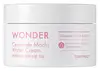
This barrier-repair moisturizer is formulated around Ceramide NP and Sodium Hyaluronate to strengthen the skin barrier and hydrate skin.
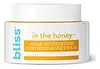
This wash off mask is made with Bromelain for a rinse-off smoothing boost.


What's inside
What's inside
 Key Ingredients
Benefits
Concerns
Ingredients Side-by-side
Water
Skin ConditioningGlycerin
Humectant


Diglycerin
Humectant
Behenyl Alcohol
Emollient
Ethylhexyl Palmitate
Emollient




Phytosteryl/Octyldodecyl Lauroyl Glutamate
Skin ConditioningButylene Glycol
Humectant
Stearyl Alcohol
Emollient
Dimethicone
Emollient
Ethylhexyl Stearate
Emollient
Polyglyceryl-10 Laurate
Skin Conditioning
1,2-Hexanediol
Skin Conditioning
Aloe Barbadensis Leaf Extract
Emollient

Betula Alba Juice
AstringentEuterpe Oleracea Fruit Extract
Opuntia Ficus-Indica Stem Extract
Skin Conditioning
Ceramide NP
Skin Conditioning

Psidium Guajava Leaf Extract
AstringentSodium Hyaluronate
Humectant
Centella Asiatica Extract
Cleansing
Hydrogenated Lecithin
Emulsifying
Portulaca Oleracea Extract
Skin Conditioning
Vitex Agnus Castus Extract
AstringentChamomilla Recutita Flower Extract
Masking
Polyglycerin-3
Humectant
Citrus Limon Peel Oil
Masking





Aniba Rosodora Wood Oil
Astringent
Xanthan Gum
EmulsifyingSodium Polyacrylate
Absorbent
Trideceth-6
EmulsifyingCarbomer
Emulsion StabilisingTocopherol
Antioxidant



Ethylhexylglycerin
Skin ConditioningDisodium EDTA
ChelatingTromethamine
BufferingHydroxyacetophenone
Antioxidant
Water, Glycerin, Diglycerin, Behenyl Alcohol, Ethylhexyl Palmitate, Phytosteryl/Octyldodecyl Lauroyl Glutamate, Butylene Glycol, Stearyl Alcohol, Dimethicone, Ethylhexyl Stearate, Polyglyceryl-10 Laurate, 1,2-Hexanediol, Aloe Barbadensis Leaf Extract, Betula Alba Juice, Euterpe Oleracea Fruit Extract, Opuntia Ficus-Indica Stem Extract, Ceramide NP, Psidium Guajava Leaf Extract, Sodium Hyaluronate, Centella Asiatica Extract, Hydrogenated Lecithin, Portulaca Oleracea Extract, Vitex Agnus Castus Extract, Chamomilla Recutita Flower Extract, Polyglycerin-3, Citrus Limon Peel Oil, Aniba Rosodora Wood Oil, Xanthan Gum, Sodium Polyacrylate, Trideceth-6, Carbomer, Tocopherol, Ethylhexylglycerin, Disodium EDTA, Tromethamine, Hydroxyacetophenone
Water
Skin ConditioningCucurbita Maxima Fruit Extract
Skin ConditioningHelianthus Annuus Seed Oil
Emollient
Ethylhexyl Palmitate
Emollient
Cetearyl Alcohol
Emollient
Glycerin
Humectant
Propanediol
Solvent
Cellulose
Absorbent
Citrus Limon Peel Powder
AbsorbentGlyceryl Stearate
Emollient
Oryza Sativa Powder
Shea Butter Ethyl Esters
Emollient
Xylityl Sesquicaprylate
Antimicrobial
Lactobacillus/Pumpkin Ferment Extract
Skin ConditioningCucurbita Pepo Fruit Extract
Skin Conditioning
Cucurbita Pepo Seed Oil
Emollient
Sodium Hyaluronate
Humectant
Bromelain
Skin Conditioning
Papain
Skin Conditioning
Lactobacillus Ferment
Skin Conditioning
Glycolipids
Skin ConditioningTocopherol
Antioxidant
Ascorbyl Palmitate
Antioxidant
Daucus Carota Sativa Root Extract
Skin Conditioning
Glycine Soja Oil
Emollient
Daucus Carota Sativa Seed Oil
Emollient
Hydrogenated Corn Oil
Skin Conditioning
Xanthan Gum
EmulsifyingAcacia Senegal Gum
MaskingSodium Lactate
Buffering
Cetyl Alcohol
Emollient
Stearyl Alcohol
Emollient
Polyacrylate Crosspolymer-6
Emulsion StabilisingHydroxyethyl Acrylate/Sodium Acryloyldimethyl Taurate Copolymer
Emulsion StabilisingBehenyl Alcohol
Emollient
Cetearyl Glucoside
Emulsifying
Caprylyl/Capryl Glucoside
CleansingMaltodextrin
Absorbent
Sodium Phytate
ChelatingTetrasodium Glutamate Diacetate
ChelatingPhenoxyethanol
Preservative
Ethylhexylglycerin
Skin ConditioningCitric Acid
Buffering
Parfum
Masking
Eugenol
Perfuming
CI 40800
Cosmetic ColorantCI 14700
Cosmetic ColorantWater, Cucurbita Maxima Fruit Extract, Helianthus Annuus Seed Oil, Ethylhexyl Palmitate, Cetearyl Alcohol, Glycerin, Propanediol, Cellulose, Citrus Limon Peel Powder, Glyceryl Stearate, Oryza Sativa Powder, Shea Butter Ethyl Esters, Xylityl Sesquicaprylate, Lactobacillus/Pumpkin Ferment Extract, Cucurbita Pepo Fruit Extract, Cucurbita Pepo Seed Oil, Sodium Hyaluronate, Bromelain, Papain, Lactobacillus Ferment, Glycolipids, Tocopherol, Ascorbyl Palmitate, Daucus Carota Sativa Root Extract, Glycine Soja Oil, Daucus Carota Sativa Seed Oil, Hydrogenated Corn Oil, Xanthan Gum, Acacia Senegal Gum, Sodium Lactate, Cetyl Alcohol, Stearyl Alcohol, Polyacrylate Crosspolymer-6, Hydroxyethyl Acrylate/Sodium Acryloyldimethyl Taurate Copolymer, Behenyl Alcohol, Cetearyl Glucoside, Caprylyl/Capryl Glucoside, Maltodextrin, Sodium Phytate, Tetrasodium Glutamate Diacetate, Phenoxyethanol, Ethylhexylglycerin, Citric Acid, Parfum, Eugenol, CI 40800, CI 14700
Reviews
Ingredients Explained
These ingredients are found in both products.
Ingredients higher up in an ingredient list are typically present in a larger amount.
Behenyl Alcohol is a type of fatty alcohol (these are different from the drying, solvent alcohols).
Fatty Alcohols have hydrating properties and are most often used as an emollient or to thicken a product. They are usually derived from natural fats and oils; behenyl alcohol is derived from the fats of vegetable oils.
Emollients help keep your skin soft and hydrated by creating a film that traps moisture in.
In 2000, Behenyl Alcohol was approved by the US as medicine to reduce the duration of cold sores.
Learn more about Behenyl AlcoholEthylhexyl Palmitate, also known as octyl palmitate, is created from 2-ethylhexyl alcohol and palmitic acid.
In cosmetics, it plays many roles:
One thing worth noting: a controlled study found this ingredient applied under occlusion to acne-prone subjects increased microcomedones. Just keep in mind this was under occlusive conditions and don't reflect how most products are used day-to-day.
For most people, this is a well-tolerated and lightweight ingredient.
This ingredient may not be fungal acne safe because it is an ester of palmitic acid, a C16 fatty acid that falls within the C11-24 range that Malassezia can metabolize.
You'll see this one rated 4 comedogenic all over the internet. That number isn't from a single study, and the actual research is more interesting.
The original rating comes from 1980s rabbit ear tests (which are a shaky basis for anything). But Ethylhexyl Palmitate is one of the few ingredients with real human data behind it. A 2021 controlled trial found this ingredient increased microcomedones by an average of 365% over four weeks.
Just know that test used the pure ingredient under an occlusive pad on back skin; most products use it at much lower levels alongside other ingredients and plenty of people use those with no issue.
Learn more about Ethylhexyl PalmitateEthylhexylglycerin is created from glycerin. It is a multitasker ingredient that:
The CIR Expert Panel found minimal skin absorption or sensitization of any kind in a safety assessment. Though this ingredient is considered well-tolerated, a small number of cases of allergic dermatitis have been published since 2002. Just be sure to patch test if you are unsure.
Industry-reported use ranges from 8% in rinse-off products and 2% in leave-on formulations.
Learn more about EthylhexylglycerinGlycerin (or glycerol) is a compound naturally found in your skin. It's a powerhouse humectant that pulls water into the stratum corneum.
Topically, glycerin does several things at once:
Your skin makes glycerin on its own (mostly from sebaceous oil breakdown) and shuttles it to your outermost layer of skin, or your epidermis, via aquaporin-3.
Aquaporin-3 is a transporter that is essential for normal skin hydration, elasticity, and repair. Interestingly, mice lacking in AQP3 have dry and less elastic skin that can be fully corrected with glycerin.
This ingredient is non-irritating, plays well with almost every ingredient, and works across all skin types. Typical use is anywhere between 3-10% but can go up to 79% in some leave-on products.
Just know very high concentrations (>40%) can feel tacky in low humidity.
Glycerin is the name for this ingredient in American English. British English uses Glycerol/Glycerine.
Learn more about GlycerinSodium Hyaluronate is the salt form of hyaluronic acid. It is a long sugar chain that is naturally found in your skin, joints, and connective tissue that maintains hydration and elasticity.
In skincare, it works as a humectant. It pulls water from the environment and deeper layers of skin and binds it to the surface.
Interestingly, the size of the molecule affects its behavior:
Some clinical evidence links low molecular weight versions to improved wrinkle depth, elasticity, anti-inflammatory effects, and barrier repair.
Many serums use a blend of both weights so you can get surface hydration plus longer-lasting and deeper effects.
You'll typically see concentrations between 0.1-2% for this ingredient.
Learn more about Sodium HyaluronateStearyl Alcohol is a type of fatty alcohol from stearic acid. It is a white, waxy compound used to emulsify ingredients used as an emollient or to thicken a product.
Emollients help soothe and hydrate the skin by trapping moisture.
Fatty alcohols are usually derived from natural fats and oils and therefore do not have the same drying or irritating effect as solvent (ethanol) alcohols.
The FDA allows products labeled "alcohol-free" to have fatty alcohols.
This ingredient may not be fungal acne safe. It is a primary fatty alcohol with a chain length above 12 carbons. A study from 2019 show Malassezia can feed on fatty alcohols in this range, so it may trigger fungal acne in those prone to it.
Learn more about Stearyl AlcoholTocopherol is a fat-soluble antioxidant known as Vitamin E.
You'll find this ingredient in the vast majority of skincare (for good reason). It works to neutralize free radicals, or unstable molecules generated by UV exposure, pollution, and other environmental stressors, before they can cause oxidative damage to your skin cells.
Topically applied tocopherol has been shown to protect against UV damage by ramping up the skin's own natural defense enzymes.
It also acts as a skin conditioning agent; some studies show that regular topical use can improve the skin's water-binding capacity over 2-4 weeks.
This ingredient is especially loved for being a team player. When combined with Vitamin C, the photoprotective effect of both ingredients roughly doubles and the combo also helps reduce UV-induced DNA damage.
This ingredient has some brightening potential but it's more of a prevention ingredient than spot-fader. Cell studies show it can slow down melanin production but it's worth noting that it's not the most powerful brightener out there.
In formulations, it also serves as a stabilizer that helps protect other oxidation-prone ingredients from degrading.
Concentrations usually range from 0.1-1% in most leave-on products.
Learn more about TocopherolWater. It's the most common cosmetic ingredient of all. You'll usually see it at the top of ingredient lists, meaning that it makes up the largest part of the product.
So why is it so popular? Water most often acts as a solvent - this means that it helps dissolve other ingredients into the formulation.
You'll also recognize water as that liquid we all need to stay alive. If you see this, drink a glass of water. Remember to stay hydrated!
Learn more about WaterXanthan gum is used as a stabilizer and thickener within cosmetic products. It helps give products a sticky, thick feeling - preventing them from being too runny.
On the technical side of things, xanthan gum is a polysaccharide - a combination consisting of multiple sugar molecules bonded together.
Xanthan gum is a pretty common and great ingredient. It is a natural, non-toxic, non-irritating ingredient that is also commonly used in food products.
Learn more about Xanthan Gum

