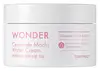
This barrier-repair moisturizer is formulated around Ceramide NP and Sodium Hyaluronate to strengthen the skin barrier and hydrate skin.
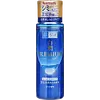
This brightening essence is formulated around Tranexamic Acid and Dipotassium Glycyrrhizate to fade the look of dark spots and brighten dull-looking skin.


What's inside
What's inside
 Key Ingredients
Benefits
Concerns
Ingredients Side-by-side
Water
Skin ConditioningGlycerin
Humectant


Diglycerin
Humectant
Behenyl Alcohol
Emollient
Ethylhexyl Palmitate
Emollient




Phytosteryl/Octyldodecyl Lauroyl Glutamate
Skin ConditioningButylene Glycol
Humectant
Stearyl Alcohol
Emollient
Dimethicone
Emollient
Ethylhexyl Stearate
Emollient
Polyglyceryl-10 Laurate
Skin Conditioning
1,2-Hexanediol
Skin Conditioning
Aloe Barbadensis Leaf Extract
Emollient

Betula Alba Juice
AstringentEuterpe Oleracea Fruit Extract
Opuntia Ficus-Indica Stem Extract
Skin Conditioning
Ceramide NP
Skin Conditioning

Psidium Guajava Leaf Extract
AstringentSodium Hyaluronate
Humectant
Centella Asiatica Extract
Cleansing
Hydrogenated Lecithin
Emulsifying
Portulaca Oleracea Extract
Skin Conditioning
Vitex Agnus Castus Extract
AstringentChamomilla Recutita Flower Extract
Masking
Polyglycerin-3
Humectant
Citrus Limon Peel Oil
Masking





Aniba Rosodora Wood Oil
Astringent
Xanthan Gum
EmulsifyingSodium Polyacrylate
Absorbent
Trideceth-6
EmulsifyingCarbomer
Emulsion StabilisingTocopherol
Antioxidant



Ethylhexylglycerin
Skin ConditioningDisodium EDTA
ChelatingTromethamine
BufferingHydroxyacetophenone
Antioxidant
Water, Glycerin, Diglycerin, Behenyl Alcohol, Ethylhexyl Palmitate, Phytosteryl/Octyldodecyl Lauroyl Glutamate, Butylene Glycol, Stearyl Alcohol, Dimethicone, Ethylhexyl Stearate, Polyglyceryl-10 Laurate, 1,2-Hexanediol, Aloe Barbadensis Leaf Extract, Betula Alba Juice, Euterpe Oleracea Fruit Extract, Opuntia Ficus-Indica Stem Extract, Ceramide NP, Psidium Guajava Leaf Extract, Sodium Hyaluronate, Centella Asiatica Extract, Hydrogenated Lecithin, Portulaca Oleracea Extract, Vitex Agnus Castus Extract, Chamomilla Recutita Flower Extract, Polyglycerin-3, Citrus Limon Peel Oil, Aniba Rosodora Wood Oil, Xanthan Gum, Sodium Polyacrylate, Trideceth-6, Carbomer, Tocopherol, Ethylhexylglycerin, Disodium EDTA, Tromethamine, Hydroxyacetophenone
Tranexamic Acid
Astringent
Dipotassium Glycyrrhizate
Humectant
Hydrolyzed Hyaluronic Acid
Humectant
Sodium Hyaluronate
Humectant
Magnesium Ascorbyl Phosphate
Antioxidant

Tocopherol
Antioxidant
Butylene Glycol
Humectant
Glycerin
Humectant
Diglycerin
Humectant
Pentylene Glycol
Skin Conditioning
Dipropylene Glycol
HumectantPEG-30 Dipolyhydroxystearate
Emulsifying
PEG-8
HumectantHydrogenated Lecithin
Emulsifying
Citric Acid
Buffering
EDTA
ChelatingStyrene/Vp Copolymer
Polysorbate 20
Emulsifying
Phenoxyethanol
Preservative
Tranexamic Acid, Dipotassium Glycyrrhizate, Hydrolyzed Hyaluronic Acid, Sodium Hyaluronate, Magnesium Ascorbyl Phosphate, Tocopherol, Butylene Glycol, Glycerin, Diglycerin, Pentylene Glycol, Dipropylene Glycol, PEG-30 Dipolyhydroxystearate, PEG-8, Hydrogenated Lecithin, Citric Acid, EDTA, Styrene/Vp Copolymer, Polysorbate 20, Phenoxyethanol
Reviews
Ingredients Explained
These ingredients are found in both products.
Ingredients higher up in an ingredient list are typically present in a larger amount.
Butylene Glycol (or BG) is used within cosmetic products for a few different reasons:
Overall, Butylene Glycol is a safe and well-rounded ingredient that works well with other ingredients.
Though this ingredient works well with most skin types, some people with sensitive skin may experience a reaction such as allergic rashes, closed comedones, or itchiness.
Learn more about Butylene GlycolDiglycerin is a humectant. It is derived from glycerin, which is naturally found in your skin.
As a humectant, it helps draw moisture to the skin from the air.
Glycerin (or glycerol) is a compound naturally found in your skin. It's a powerhouse humectant that pulls water into the stratum corneum.
Topically, glycerin does several things at once:
Your skin makes glycerin on its own (mostly from sebaceous oil breakdown) and shuttles it to your outermost layer of skin, or your epidermis, via aquaporin-3.
Aquaporin-3 is a transporter that is essential for normal skin hydration, elasticity, and repair. Interestingly, mice lacking in AQP3 have dry and less elastic skin that can be fully corrected with glycerin.
This ingredient is non-irritating, plays well with almost every ingredient, and works across all skin types. Typical use is anywhere between 3-10% but can go up to 79% in some leave-on products.
Just know very high concentrations (>40%) can feel tacky in low humidity.
Glycerin is the name for this ingredient in American English. British English uses Glycerol/Glycerine.
Learn more about GlycerinHydrogenated Lecithin is a more stable version of lecithin.
It's made by taking lecithin (a phospholipid commonly found in soybeans and egg yolks) and hydrogenating it. This just means the unsaturated fatty acids are turned into saturated ones so they don't go bad as easily.
This ingredient is an emollient, emulsifier, and penetration enhancer. As an emollient, it helps soften and hydrate skin by trapping moisture within. As an emulsifier, it prevents oil and water ingredients from separating.
Hydrogenated Lecithin can form tiny spherical structures made of phospholipid bilayers called liposomes. These liposomes are able to capture compounds inside their structure and deliver them through the skin barrier.
Because phospholipids are a natural component of our cell membranes, this ingredient is inherently compatible with skin.
A 2021 study found lecithin-based surfactants were less harsh and more tolerable comared to Sodium Lauryl Sulfate (SLS).
Learn more about Hydrogenated LecithinSodium Hyaluronate is the salt form of hyaluronic acid. It is a long sugar chain that is naturally found in your skin, joints, and connective tissue that maintains hydration and elasticity.
In skincare, it works as a humectant. It pulls water from the environment and deeper layers of skin and binds it to the surface.
Interestingly, the size of the molecule affects its behavior:
Some clinical evidence links low molecular weight versions to improved wrinkle depth, elasticity, anti-inflammatory effects, and barrier repair.
Many serums use a blend of both weights so you can get surface hydration plus longer-lasting and deeper effects.
You'll typically see concentrations between 0.1-2% for this ingredient.
Learn more about Sodium HyaluronateTocopherol is a fat-soluble antioxidant known as Vitamin E.
You'll find this ingredient in the vast majority of skincare (for good reason). It works to neutralize free radicals, or unstable molecules generated by UV exposure, pollution, and other environmental stressors, before they can cause oxidative damage to your skin cells.
Topically applied tocopherol has been shown to protect against UV damage by ramping up the skin's own natural defense enzymes.
It also acts as a skin conditioning agent; some studies show that regular topical use can improve the skin's water-binding capacity over 2-4 weeks.
This ingredient is especially loved for being a team player. When combined with Vitamin C, the photoprotective effect of both ingredients roughly doubles and the combo also helps reduce UV-induced DNA damage.
This ingredient has some brightening potential but it's more of a prevention ingredient than spot-fader. Cell studies show it can slow down melanin production but it's worth noting that it's not the most powerful brightener out there.
In formulations, it also serves as a stabilizer that helps protect other oxidation-prone ingredients from degrading.
Concentrations usually range from 0.1-1% in most leave-on products.
Learn more about Tocopherol

