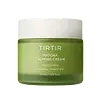
This calming moisturizer is formulated around Niacinamide and Camellia Sinensis Leaf Extract to calm redness and strengthen the skin barrier.
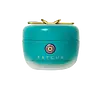
This barrier-repair moisturizer is formulated around Niacinamide and Saccharomyces/Rice Ferment Filtrate to strengthen the skin barrier and soften the look of wrinkles.


What's inside
What's inside
 Key Ingredients
Benefits
Concerns
Ingredients Side-by-side
Water
Skin ConditioningPropanediol
Solvent

Hydrogenated Poly(C6-14 Olefin)
EmollientDicaprylyl Carbonate
EmollientButylene Glycol
Humectant
Glycerin
Humectant
Diethoxyethyl Succinate
SolventNiacinamide
Smoothing









Silica
Abrasive
PEG-240/Hdi Copolymer Bis-Decyltetradeceth-20 Ether
Stabilising1,2-Hexanediol
Skin Conditioning
Betaine
Humectant
Acrylates/C10-30 Alkyl Acrylate Crosspolymer
Emulsion StabilisingArginine
Masking
Coptis Japonica Root Extract
Skin ConditioningGardenia Florida Fruit Extract
Skin ConditioningEthylhexylglycerin
Skin ConditioningXanthan Gum
EmulsifyingAdenosine
Skin Conditioning
Sodium Phytate
ChelatingDextrin
AbsorbentTocopherol
Antioxidant

Caprylic/Capric Triglyceride
Masking
Hydrogenated Phosphatidylcholine
Emulsifying
Potassium Laurate
EmulsifyingCamellia Sinensis Leaf Extract
Antimicrobial
Centella Asiatica Extract
Cleansing
Panthenol
Skin Conditioning
Sucrose Stearate
EmollientSodium DNA
Skin Conditioning
Cetearyl Alcohol
Emollient





Hydrogenated Lecithin
Emulsifying
Stearic Acid
Cleansing
Houttuynia Cordata Extract
Skin Conditioning
Polyglyceryl-10 Diisostearate
Emulsifying
Glycyrrhiza Glabra Root Extract
Bleaching
Lavandula Angustifolia Flower Extract
Cleansing

Madecassoside
Antioxidant
Madecassic Acid
Skin Conditioning
Castanea Crenata Shell Extract
Skin ConditioningOldenlandia Diffusa Extract
Skin ConditioningSaururus Chinensis Extract
Skin ConditioningAsiaticoside
Antioxidant
Leonurus Sibiricus Flower/Leaf/Stem Extract
SoothingEclipta Prostrata Extract
Skin Conditioning
Saxifraga Sarmentosa Extract
Skin ConditioningMenadione
MaskingCeramide NP
Skin Conditioning
Asiatic Acid
Skin Conditioning
Beta-Glucan
Skin Conditioning
Camellia Sinensis Catechins
Antioxidant
Angelica Keiskei Extract
Antioxidant
Corchorus Olitorius Leaf Extract
Skin ConditioningNelumbo Nucifera Root Extract
Skin ConditioningHibiscus Esculentus Fruit Extract
Skin ConditioningDioscorea Japonica Root Extract
Skin Conditioning
Cholesterol
Emollient
Phytosphingosine
Skin Conditioning
Ceramide Ns
Skin Conditioning
Ceramide Ng
Skin Conditioning
Ceramide As
Skin Conditioning
Ceramide AP
Skin Conditioning
Acetyl Hexapeptide-8
Humectant
Arginine/Lysine Polypeptide
Skin Conditioning
Copper Tripeptide-1
Skin Conditioning
Tripeptide-1
Skin Conditioning
Palmitoyl Tetrapeptide-7
Skin Conditioning
Palmitoyl Tripeptide-1
Skin Conditioning
Palmitoyl Pentapeptide-4
Skin Conditioning
Oligopeptide-1
Skin Conditioning
Nonapeptide-1
Skin Conditioning
Hexapeptide-11
Skin Conditioning
Collagen Extract
Skin Conditioning
Acetyl Tetrapeptide-3
Skin Protecting
Dipeptide-2
Skin Conditioning
Palmitoyl Hexapeptide-12
Skin Conditioning
Ceramide EOP
Skin Conditioning
Water, Propanediol, Hydrogenated Poly(C6-14 Olefin), Dicaprylyl Carbonate, Butylene Glycol, Glycerin, Diethoxyethyl Succinate, Niacinamide, Silica, PEG-240/Hdi Copolymer Bis-Decyltetradeceth-20 Ether, 1,2-Hexanediol, Betaine, Acrylates/C10-30 Alkyl Acrylate Crosspolymer, Arginine, Coptis Japonica Root Extract, Gardenia Florida Fruit Extract, Ethylhexylglycerin, Xanthan Gum, Adenosine, Sodium Phytate, Dextrin, Tocopherol, Caprylic/Capric Triglyceride, Hydrogenated Phosphatidylcholine, Potassium Laurate, Camellia Sinensis Leaf Extract, Centella Asiatica Extract, Panthenol, Sucrose Stearate, Sodium DNA, Cetearyl Alcohol, Hydrogenated Lecithin, Stearic Acid, Houttuynia Cordata Extract, Polyglyceryl-10 Diisostearate, Glycyrrhiza Glabra Root Extract, Lavandula Angustifolia Flower Extract, Madecassoside, Madecassic Acid, Castanea Crenata Shell Extract, Oldenlandia Diffusa Extract, Saururus Chinensis Extract, Asiaticoside, Leonurus Sibiricus Flower/Leaf/Stem Extract, Eclipta Prostrata Extract, Saxifraga Sarmentosa Extract, Menadione, Ceramide NP, Asiatic Acid, Beta-Glucan, Camellia Sinensis Catechins, Angelica Keiskei Extract, Corchorus Olitorius Leaf Extract, Nelumbo Nucifera Root Extract, Hibiscus Esculentus Fruit Extract, Dioscorea Japonica Root Extract, Cholesterol, Phytosphingosine, Ceramide Ns, Ceramide Ng, Ceramide As, Ceramide AP, Acetyl Hexapeptide-8, Arginine/Lysine Polypeptide, Copper Tripeptide-1, Tripeptide-1, Palmitoyl Tetrapeptide-7, Palmitoyl Tripeptide-1, Palmitoyl Pentapeptide-4, Oligopeptide-1, Nonapeptide-1, Hexapeptide-11, Collagen Extract, Acetyl Tetrapeptide-3, Dipeptide-2, Palmitoyl Hexapeptide-12, Ceramide EOP
Water
Skin ConditioningGlycerin
Humectant
Butylene Glycol
Humectant
Dimethicone
Emollient
Niacinamide
Smoothing
Pentylene Glycol
Skin Conditioning
Glycereth-26
Humectant
Phytosteryl/Octyldodecyl Lauroyl Glutamate
Skin ConditioningBetaine
Humectant
PEG-240/Hdi Copolymer Bis-Decyltetradeceth-20 Ether
StabilisingDipropylene Glycol
HumectantCaprylic/Capric/Myristic/Stearic Triglyceride
EmollientSaccharomyces/Rice Ferment Filtrate
Skin Conditioning
Camellia Sinensis Leaf Extract
Antimicrobial
Cladosiphon Okamuranus Extract
Skin Conditioning
Morinda Citrifolia Fruit Juice
Skin ConditioningAlpinia Speciosa Leaf Extract
Skin ConditioningPsidium Guajava Leaf Extract
AstringentCitrus Depressa Peel Extract
HumectantSaccharomyces Lysate Extract
Humectant
Ricinus Communis Seed Oil
Masking
Propanediol
Solvent
Triethylhexanoin
MaskingSodium Stearoyl Glutamate
CleansingAcrylates/C10-30 Alkyl Acrylate Crosspolymer
Emulsion StabilisingArginine
Masking
Tocopherol
Antioxidant
Dipotassium Glycyrrhizate
Humectant
Sodium Phosphate
BufferingCaprylyl Glycol
Emollient
Nonapeptide-1
Skin Conditioning
Parfum
Masking
Ethylhexylglycerin
Skin ConditioningPotassium Hydroxide
BufferingPotassium Laurate
EmulsifyingDisodium Phosphate
BufferingHydroxypropyltrimonium Hyaluronate
Phenoxyethanol
Preservative
Citral
Perfuming
Citrus Aurantium Bergamia Peel Oil
Perfuming

Citrus Limon Peel Oil
Masking
Limonene
Perfuming
Linalool
Perfuming
Linalyl Acetate
Masking
Pinene
Masking
Terpineol
Masking
Turpentine
Perfuming
Silica
Abrasive
CI 77491
Cosmetic ColorantWater, Glycerin, Butylene Glycol, Dimethicone, Niacinamide, Pentylene Glycol, Glycereth-26, Phytosteryl/Octyldodecyl Lauroyl Glutamate, Betaine, PEG-240/Hdi Copolymer Bis-Decyltetradeceth-20 Ether, Dipropylene Glycol, Caprylic/Capric/Myristic/Stearic Triglyceride, Saccharomyces/Rice Ferment Filtrate, Camellia Sinensis Leaf Extract, Cladosiphon Okamuranus Extract, Morinda Citrifolia Fruit Juice, Alpinia Speciosa Leaf Extract, Psidium Guajava Leaf Extract, Citrus Depressa Peel Extract, Saccharomyces Lysate Extract, Ricinus Communis Seed Oil, Propanediol, Triethylhexanoin, Sodium Stearoyl Glutamate, Acrylates/C10-30 Alkyl Acrylate Crosspolymer, Arginine, Tocopherol, Dipotassium Glycyrrhizate, Sodium Phosphate, Caprylyl Glycol, Nonapeptide-1, Parfum, Ethylhexylglycerin, Potassium Hydroxide, Potassium Laurate, Disodium Phosphate, Hydroxypropyltrimonium Hyaluronate, Phenoxyethanol, Citral, Citrus Aurantium Bergamia Peel Oil, Citrus Limon Peel Oil, Limonene, Linalool, Linalyl Acetate, Pinene, Terpineol, Turpentine, Silica, CI 77491
Reviews
Ingredients Explained
These ingredients are found in both products.
Ingredients higher up in an ingredient list are typically present in a larger amount.
Acrylates/C10-30 Alkyl Acrylate Crosspolymer is a synthetic polymer. It is used to thicken, emulsify, and improve the texture of products.
As an emulsifier, it helps stabilize oil-in-water emulsions to give products an elegant feel when applied.
It can also form a thin protective film on skin. One study found that a formula using this polymer helped slow down how quickly other ingredients (like DEET) were absorbed through skin.
A 2024 study of over 1,300 patients confirmed that sensitization to this ingredient is rare. It is also non-mutagenic and has a clean track record.
Learn more about Acrylates/C10-30 Alkyl Acrylate CrosspolymerArginine is a semi-essential amino acid. This just means our bodies can product a bit on its own, but sometimes needs a little boost from food sources.
It is a part of your skin's natural moisturizing factor (NMF), or the water-loving molecules in your outermost layer of skin (stratum corneum) that keeps everything hydrated and happy.
Here's an interesting thing about Arginine: your skin converts it into urea through the Krebs-Henseleit urea cycle. Urea is one of the most effective humectants your skin naturally produces.
A clinical study showed applying 2.5% arginine hydrochloride to atopic dermatitis skin showed significant urea levels in the stratum corneum and improved moisture in just four weeks.
Arginine is also a precursor to nitric oxide; nitric oxide improves microcirculation and supports wound healing and collagen synthesis.
One study found that an amino acid complex containing Arginine reduced skin irritation, improved hydration, and accelerated skin repair in clinical / in-vivo studies.
Arginine itself is an amino acid and not a fatty acid, oil, or ester. On its own, it's not a direct food source for Malassezia, or the yeast that causes fungal acne.
Learn more about ArginineBetaine is a humectant. Like hyaluronic acid, it helps attract and retain moisture in the skin. It’s known for being gentle and for helping the skin maintain balanced hydration.
Betaine is mainly used to improve hydration and support calmer skin. It helps skin cells regulate water balance because it functions as an osmolyte.
Some studies suggest betaine may support making skin tone more even.
Fun fact: Betaine naturally exists in the skin and the body. In cosmetic products, it can be either plant-derived (most commonly from sugar beets) or synthetically produced for consistency and stability.
Betaine is also known as trimethylglycine.
Learn more about BetaineButylene Glycol (or BG) is used within cosmetic products for a few different reasons:
Overall, Butylene Glycol is a safe and well-rounded ingredient that works well with other ingredients.
Though this ingredient works well with most skin types, some people with sensitive skin may experience a reaction such as allergic rashes, closed comedones, or itchiness.
Learn more about Butylene GlycolCamellia Sinensis Leaf Extract (tea extract) is one of the most well-researched plant extracts in skincare with an impressive resume.
Black tea, green tea, and oolong tea are all harvested from the Camellia Sinensis plant.
Studies show green tea extract and its catechins (like epigallocatechin gallate (EGCG)) help your skin cells product energy more efficiently and reducing the number of free-radicals that can damage your skin from the inside.
In lab-grown skin models, this translated to younger, healthier, and stronger skin.
There's also good sun protection data; researchers saw less DNA damage and redness on human skin when green tea was applied before UVB exposure. And the more they applied, the better the protection.
Needless to say, this ingredient shouldn't replace your sunscreen. But it is a great supportive ingredient that you can already find in many sunscreens and antioxidant serums.
A 2009 study found a 2% green tea lotion was effective for mild-to-moderate acne thanks to its anti-inflammatory and mild antimicrobial activity.
The quality of the extract matters a lot here:
Good extracts contain 50-90% catechins while lower quality ones are mostly there for marketing. We recommend reaching out to the brand if you have questions about the quality or source of their ingredients.
Human Repeated Insult Patch Testing showed no irritation or sensitization at use concentrations (0.86% in leave-on products and up to 30% as leaf water).
Learn more about Camellia Sinensis Leaf ExtractEthylhexylglycerin is created from glycerin. It is a multitasker ingredient that:
The CIR Expert Panel found minimal skin absorption or sensitization of any kind in a safety assessment. Though this ingredient is considered well-tolerated, a small number of cases of allergic dermatitis have been published since 2002. Just be sure to patch test if you are unsure.
Industry-reported use ranges from 8% in rinse-off products and 2% in leave-on formulations.
Learn more about EthylhexylglycerinGlycerin (or glycerol) is a compound naturally found in your skin. It's a powerhouse humectant that pulls water into the stratum corneum.
Topically, glycerin does several things at once:
Your skin makes glycerin on its own (mostly from sebaceous oil breakdown) and shuttles it to your outermost layer of skin, or your epidermis, via aquaporin-3.
Aquaporin-3 is a transporter that is essential for normal skin hydration, elasticity, and repair. Interestingly, mice lacking in AQP3 have dry and less elastic skin that can be fully corrected with glycerin.
This ingredient is non-irritating, plays well with almost every ingredient, and works across all skin types. Typical use is anywhere between 3-10% but can go up to 79% in some leave-on products.
Just know very high concentrations (>40%) can feel tacky in low humidity.
Glycerin is the name for this ingredient in American English. British English uses Glycerol/Glycerine.
Learn more about GlycerinNiacinamide is a multitasking form of vitamin B3 that strengthens the skin barrier, reduces pores and dark spots, regulates oil, and improves signs of aging.
And the best part? It's gentle and well-tolerated by most skin types, including sensitive and reactive skin.
You might have heard of "niacin flush", or the reddening of skin that causes itchiness. Niacinamide has not been found to cause this.
In very rare cases, some individuals may not be able to tolerate niacinamide at all or experience an allergic reaction to it.
If you are experiencing flaking, irritation, and dryness with this ingredient, be sure to double check all your products as this ingredient can be found in all categories of skincare.
When incorporating niacinamide into your routine, look out for concentration amounts. Typically, 5% niacinamide provides benefits such as fading dark spots. However, if you have sensitive skin, it is better to begin with a smaller concentration.
When you apply niacinamide to your skin, your body converts it into nicotinamide adenine dinucleotide (NAD). NAD is an essential coenzyme that is already found in your cells as "fuel" and powers countless biological processes.
In your skin, NAD helps repair cell damage, produce new healthy cells, support collagen production, strengthen the skin barrier, and fight environmental stressors (like UV and pollution).
Our natural NAD levels start to decline with age, leading to slower skin repair, visible aging, and a weaker skin barrier. By providing your skin niacinamide, you're recharging your skin's NAD levels. This leads to stronger, healthier, and younger looking skin.
Another name for vitamin B3 is nicotinamide. This vitamin is water-soluble and our bodies don't store it. We obtain Vitamin B3 from either food or skincare. Meat, fish, wheat, yeast, and leafy greens contain vitamin B3.
The type of niacinamide used in skincare is synthetically created.
Learn more about NiacinamideNonapeptide-1 is created from amino acids including arginine and lysine.
It has antioxidant and antimicrobial properties.
Emerging studies show Nonapeptide-1 to help with reducing pigmentation and brightening the skin. It has shown to prevent the activation of tyrosinase, an enzyme in the skin that begins the process of melanin creation. Melanin is responsible for giving skin a tan or dark spots.
Learn more about Nonapeptide-1This ingredient is a synthetic copolymer (a polymer made from more than one type of building block). It is used to stabilize formulas and control the viscosity.
Because it is a large, inert polymer, it doesn't have biological activities and stays on the surface of the skin.
Another name for this ingredient is polyoxyethylene decyltetradecyl ether/hexamethylene diisocyanate/polyethylene glycol 11000 copolymer.
Learn more about PEG-240/Hdi Copolymer Bis-Decyltetradeceth-20 EtherWe don't have a description for Potassium Laurate yet.
Propanediol is an all-star ingredient. It softens, hydrates, and smooths the skin.
It’s often used to:
Propanediol is not likely to cause sensitivity and considered safe to use. It is derived from corn or petroleum with a clear color and no scent.
Learn more about PropanediolSilica, also known as silicon dioxide, is a naturally occurring mineral. It is used as a fine, spherical, and porous powder in cosmetics.
Though it has exfoliant properties, the function of silica varies depending on the product.
The unique structure of silica enhances the spreadability and adds smoothness, making it a great texture enhancer.
It is also used as an active carrier, emulsifier, and mattifier due to its ability to absorb excess oil.
In some products, tiny microneedles called spicules are made from silica or hydrolyzed sponge. When you rub them in, they lightly polish away dead skin layers and enhance the penetration of active ingredients.
Learn more about SilicaTocopherol is a fat-soluble antioxidant known as Vitamin E.
You'll find this ingredient in the vast majority of skincare (for good reason). It works to neutralize free radicals, or unstable molecules generated by UV exposure, pollution, and other environmental stressors, before they can cause oxidative damage to your skin cells.
Topically applied tocopherol has been shown to protect against UV damage by ramping up the skin's own natural defense enzymes.
It also acts as a skin conditioning agent; some studies show that regular topical use can improve the skin's water-binding capacity over 2-4 weeks.
This ingredient is especially loved for being a team player. When combined with Vitamin C, the photoprotective effect of both ingredients roughly doubles and the combo also helps reduce UV-induced DNA damage.
This ingredient has some brightening potential but it's more of a prevention ingredient than spot-fader. Cell studies show it can slow down melanin production but it's worth noting that it's not the most powerful brightener out there.
In formulations, it also serves as a stabilizer that helps protect other oxidation-prone ingredients from degrading.
Concentrations usually range from 0.1-1% in most leave-on products.
Learn more about TocopherolWater. It's the most common cosmetic ingredient of all. You'll usually see it at the top of ingredient lists, meaning that it makes up the largest part of the product.
So why is it so popular? Water most often acts as a solvent - this means that it helps dissolve other ingredients into the formulation.
You'll also recognize water as that liquid we all need to stay alive. If you see this, drink a glass of water. Remember to stay hydrated!
Learn more about Water

