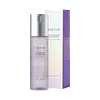
This anti-aging essence is formulated around Collagen Water and Niacinamide to soften the look of wrinkles and brighten dull-looking skin.
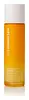
This barrier-repair essence is formulated around Lactobacillus Ferment and 3-O-Ethyl Ascorbic Acid to strengthen the skin barrier and brighten dull-looking skin.


What's inside
What's inside
 Key Ingredients
Benefits
Concerns
Ingredients Side-by-side
Collagen Water
Humectant
Butylene Glycol
Humectant

Glycerin
Humectant
1,2-Hexanediol
Skin Conditioning
Niacinamide
Smoothing








Polyglycerin-3
Humectant
Water
Skin ConditioningGlycereth-26
Humectant
Panthenol
Skin Conditioning
Betaine
Humectant
Polyglyceryl-10 Laurate
Skin Conditioning

Ethylhexylglycerin
Skin ConditioningCaprylyl Glycol
Emollient
Saccharide Isomerate
Humectant
Dipotassium Glycyrrhizate
Humectant
Adenosine
Skin Conditioning
Parfum
Masking



Trehalose
Humectant
Punica Granatum Extract
AstringentHydrolyzed Elastin
EmollientBeta-Glucan
Skin Conditioning
Glycine
Buffering
Garcinia Mangostana Peel Extract
Skin ConditioningClitoria Ternatea Flower Extract
Skin ConditioningSerine
Masking
Glutamic Acid
Humectant
Cyanocobalamin
Skin ConditioningCitric Acid
Buffering
Sodium Citrate
BufferingAspartic Acid
Masking
Leucine
Skin ConditioningAlanine
Masking
Lysine
Skin ConditioningArginine
Masking
Tyrosine
MaskingPhenylalanine
Masking
Proline
Skin Conditioning
Threonine
Valine
MaskingIsoleucine
Skin ConditioningHistidine
Humectant
Cysteine
Antioxidant
Methionine
Skin ConditioningHydrogenated Lecithin
Emulsifying
Polyglyceryl-10 Stearate
Skin Conditioning
Sodium Hyaluronate
Humectant
Soluble Proteoglycan
Skin ConditioningSodium Ascorbyl Phosphate
Antioxidant
Hydroxypropyltrimonium Hyaluronate
Hydrolyzed Hyaluronic Acid
Humectant
Pyridoxine
Skin ConditioningFolic Acid
Skin ConditioningSodium Acetylated Hyaluronate
Humectant
Biotin
AntiseborrhoeicHyaluronic Acid
Humectant
Hydrolyzed Sodium Hyaluronate
Skin Conditioning
Tocopherol
Antioxidant
Sodium Hyaluronate Crosspolymer
Humectant
Potassium Hyaluronate
Skin ConditioningThiamine Hcl
MaskingInositol
Humectant
Beta-Carotene
Skin ConditioningRiboflavin
Cosmetic ColorantLinoleic Acid
Cleansing
Collagen Water, Butylene Glycol, Glycerin, 1,2-Hexanediol, Niacinamide, Polyglycerin-3, Water, Glycereth-26, Panthenol, Betaine, Polyglyceryl-10 Laurate, Ethylhexylglycerin, Caprylyl Glycol, Saccharide Isomerate, Dipotassium Glycyrrhizate, Adenosine, Parfum, Trehalose, Punica Granatum Extract, Hydrolyzed Elastin, Beta-Glucan, Glycine, Garcinia Mangostana Peel Extract, Clitoria Ternatea Flower Extract, Serine, Glutamic Acid, Cyanocobalamin, Citric Acid, Sodium Citrate, Aspartic Acid, Leucine, Alanine, Lysine, Arginine, Tyrosine, Phenylalanine, Proline, Threonine, Valine, Isoleucine, Histidine, Cysteine, Methionine, Hydrogenated Lecithin, Polyglyceryl-10 Stearate, Sodium Hyaluronate, Soluble Proteoglycan, Sodium Ascorbyl Phosphate, Hydroxypropyltrimonium Hyaluronate, Hydrolyzed Hyaluronic Acid, Pyridoxine, Folic Acid, Sodium Acetylated Hyaluronate, Biotin, Hyaluronic Acid, Hydrolyzed Sodium Hyaluronate, Tocopherol, Sodium Hyaluronate Crosspolymer, Potassium Hyaluronate, Thiamine Hcl, Inositol, Beta-Carotene, Riboflavin, Linoleic Acid
Water
Skin ConditioningLactobacillus Ferment
Skin Conditioning
3-O-Ethyl Ascorbic Acid
Skin Conditioning
Niacinamide
Smoothing
Hyaluronic Acid
Humectant
Sodium Hyaluronate
Humectant
Panthenol
Skin Conditioning
Sodium Polyglutamate
HumectantTocopherol
Antioxidant
Glycerin
Humectant
Citrus Aurantium Dulcis Peel Extract
Emulsion Stabilising
Citrus Aurantium Dulcis Callus Culture Extract
Skin ConditioningCitrus Sinensis Fruit Extract
Antioxidant
Citrus Aurantium Dulcis Fruit Extract
MaskingCitrus Aurantium Dulcis Oil
Masking
Hippophae Rhamnoides Extract
MaskingLycium Barbarum Fruit Extract
Astringent
Rosa Canina Fruit Extract
Astringent
Citrus Limon Fruit Extract
Masking
Gluconolactone
Skin Conditioning
Lithothamnion Calcareum Extract
Skin ConditioningHelianthus Annuus Seed Oil
Emollient
Chondrus Crispus Extract
Skin Conditioning
Leuconostoc/Radish Root Ferment Filtrate
Antimicrobial
Citric Acid
Buffering
Sodium Riboflavin Phosphate
Skin ConditioningSodium Tocopheryl Phosphate
Antioxidant
Sodium Citrate
BufferingPotassium Hydroxide
BufferingXanthan Gum
EmulsifyingSodium Benzoate
Masking
Calcium Gluconate
HumectantTriethylhexanoin
MaskingPolyglyceryl-3 Laurate
EmulsifyingAcrylates/C10-30 Alkyl Acrylate Crosspolymer
Emulsion StabilisingPentaerythrityl Tetra-Di-T-Butyl Hydroxyhydrocinnamate
Antioxidant
Phenoxyethanol
Preservative
Chlorphenesin
Antimicrobial
Triethyl Citrate
Masking
Limonene
Perfuming
Linalool
Perfuming
Citral
Perfuming
Water, Lactobacillus Ferment, 3-O-Ethyl Ascorbic Acid, Niacinamide, Hyaluronic Acid, Sodium Hyaluronate, Panthenol, Sodium Polyglutamate, Tocopherol, Glycerin, Citrus Aurantium Dulcis Peel Extract, Citrus Aurantium Dulcis Callus Culture Extract, Citrus Sinensis Fruit Extract, Citrus Aurantium Dulcis Fruit Extract, Citrus Aurantium Dulcis Oil, Hippophae Rhamnoides Extract, Lycium Barbarum Fruit Extract, Rosa Canina Fruit Extract, Citrus Limon Fruit Extract, Gluconolactone, Lithothamnion Calcareum Extract, Helianthus Annuus Seed Oil, Chondrus Crispus Extract, Leuconostoc/Radish Root Ferment Filtrate, Citric Acid, Sodium Riboflavin Phosphate, Sodium Tocopheryl Phosphate, Sodium Citrate, Potassium Hydroxide, Xanthan Gum, Sodium Benzoate, Calcium Gluconate, Triethylhexanoin, Polyglyceryl-3 Laurate, Acrylates/C10-30 Alkyl Acrylate Crosspolymer, Pentaerythrityl Tetra-Di-T-Butyl Hydroxyhydrocinnamate, Phenoxyethanol, Chlorphenesin, Triethyl Citrate, Limonene, Linalool, Citral
Reviews
Ingredients Explained
These ingredients are found in both products.
Ingredients higher up in an ingredient list are typically present in a larger amount.
Citric Acid is an alpha hydroxy acid (AHA) naturally found in citrus fruits like oranges, lemons, and limes.
Like other AHAs, citric acid can exfoliate skin by breaking down the bonds that hold dead skin cells together. This helps reveal smoother and brighter skin underneath.
However, this exfoliating effect only happens at high concentrations (20%) which can be hard to find in cosmetic products.
Due to this, citric acid is usually included in small amounts as a pH adjuster. This helps keep products slightly more acidic and compatible with skin's natural pH.
In skincare formulas, citric acid can:
While it can provide some skin benefits, research shows lactic acid and glycolic acid are generally more effective and less irritating exfoliants.
Most citric acid used in skincare today is made by fermenting sugars (usually from molasses). This synthetic version is identical to the natural citrus form but easier to stabilize and use in formulations.
Read more about some other popular AHA's here:
Learn more about Citric AcidGlycerin (or glycerol) is a compound naturally found in your skin. It's a powerhouse humectant that pulls water into the stratum corneum.
Topically, glycerin does several things at once:
Your skin makes glycerin on its own (mostly from sebaceous oil breakdown) and shuttles it to your outermost layer of skin, or your epidermis, via aquaporin-3.
Aquaporin-3 is a transporter that is essential for normal skin hydration, elasticity, and repair. Interestingly, mice lacking in AQP3 have dry and less elastic skin that can be fully corrected with glycerin.
This ingredient is non-irritating, plays well with almost every ingredient, and works across all skin types. Typical use is anywhere between 3-10% but can go up to 79% in some leave-on products.
Just know very high concentrations (>40%) can feel tacky in low humidity.
Glycerin is the name for this ingredient in American English. British English uses Glycerol/Glycerine.
Learn more about GlycerinHyaluronic acid (HA) is a glycosaminoglycan (basically a long sugar chain) that your skin already makes on its own. In your skin, HA lives in the extracellular matrix and acts as the body's moisture reservoir.
Topically, HA is a humectant that binds water and helps skin look more plump, smooth, and hydrated.
The only catch is that HA isn't a single thing; it actually comes in a wide range of molecular weights (~50 - 2,000+ kDA) and size matters.
Some clinical evidence links low molecular weight versions to improved wrinkle depth, elasticity, anti-inflammatory effects, and barrier repair.
This is why the best HA serums blend the two sizes together so you get the best of both worlds.
The majority of cosmetic HA is produced by bacterial fermentation, typically using Streptococcus or Bacillus strains. Typical use levels in skincare sit around 0.1-2%.
A clinical study using a 0.2% low-molecular weight HA gel showed improvement in facial seborrheic dermatitis with excellent tolerance.
These are some other common types of Hyaluronic Acid:
Learn more about Hyaluronic AcidNiacinamide is a multitasking form of vitamin B3 that strengthens the skin barrier, reduces pores and dark spots, regulates oil, and improves signs of aging.
And the best part? It's gentle and well-tolerated by most skin types, including sensitive and reactive skin.
You might have heard of "niacin flush", or the reddening of skin that causes itchiness. Niacinamide has not been found to cause this.
In very rare cases, some individuals may not be able to tolerate niacinamide at all or experience an allergic reaction to it.
If you are experiencing flaking, irritation, and dryness with this ingredient, be sure to double check all your products as this ingredient can be found in all categories of skincare.
When incorporating niacinamide into your routine, look out for concentration amounts. Typically, 5% niacinamide provides benefits such as fading dark spots. However, if you have sensitive skin, it is better to begin with a smaller concentration.
When you apply niacinamide to your skin, your body converts it into nicotinamide adenine dinucleotide (NAD). NAD is an essential coenzyme that is already found in your cells as "fuel" and powers countless biological processes.
In your skin, NAD helps repair cell damage, produce new healthy cells, support collagen production, strengthen the skin barrier, and fight environmental stressors (like UV and pollution).
Our natural NAD levels start to decline with age, leading to slower skin repair, visible aging, and a weaker skin barrier. By providing your skin niacinamide, you're recharging your skin's NAD levels. This leads to stronger, healthier, and younger looking skin.
Another name for vitamin B3 is nicotinamide. This vitamin is water-soluble and our bodies don't store it. We obtain Vitamin B3 from either food or skincare. Meat, fish, wheat, yeast, and leafy greens contain vitamin B3.
The type of niacinamide used in skincare is synthetically created.
Learn more about NiacinamidePanthenol is a common ingredient that helps hydrate and soothe the skin. It is found naturally in our skin and hair.
There are two forms of panthenol: D and L.
D-panthenol is also known as dexpanthenol. Most cosmetics use dexpanthenol or a mixture of D and L-panthenol.
Panthenol is famous due to its ability to go deeper into the skin's layers. Using this ingredient has numerous pros (and no cons):
Like hyaluronic acid, panthenol is a humectant. Humectants are able to bind and hold large amounts of water to keep skin hydrated.
This ingredient works well for wound healing. It works by increasing tissue in the wound and helps close open wounds.
Once oxidized, panthenol converts to pantothenic acid. Panthothenic acid is found in all living cells.
This ingredient is also referred to as pro-vitamin B5.
Learn more about PanthenolSodium Citrate is the sodium salts of citric acid. In skincare, it is used to alter pH levels and acts as a preservative.
Its main functions are to maintain the pH of a product and neutralize metal ions.
The acidity of our skin is maintained by our glands and skin biome; normal pH level of skin is slightly acidic (~4.75-5.5).
Being slightly acidic allows our skin to create an "acid mantle". This acid mantle is a thin barrier that protects our skin from bacteria and contaminants.
Learn more about Sodium CitrateSodium Hyaluronate is the salt form of hyaluronic acid. It is a long sugar chain that is naturally found in your skin, joints, and connective tissue that maintains hydration and elasticity.
In skincare, it works as a humectant. It pulls water from the environment and deeper layers of skin and binds it to the surface.
Interestingly, the size of the molecule affects its behavior:
Some clinical evidence links low molecular weight versions to improved wrinkle depth, elasticity, anti-inflammatory effects, and barrier repair.
Many serums use a blend of both weights so you can get surface hydration plus longer-lasting and deeper effects.
You'll typically see concentrations between 0.1-2% for this ingredient.
Learn more about Sodium HyaluronateTocopherol is a fat-soluble antioxidant known as Vitamin E.
You'll find this ingredient in the vast majority of skincare (for good reason). It works to neutralize free radicals, or unstable molecules generated by UV exposure, pollution, and other environmental stressors, before they can cause oxidative damage to your skin cells.
Topically applied tocopherol has been shown to protect against UV damage by ramping up the skin's own natural defense enzymes.
It also acts as a skin conditioning agent; some studies show that regular topical use can improve the skin's water-binding capacity over 2-4 weeks.
This ingredient is especially loved for being a team player. When combined with Vitamin C, the photoprotective effect of both ingredients roughly doubles and the combo also helps reduce UV-induced DNA damage.
This ingredient has some brightening potential but it's more of a prevention ingredient than spot-fader. Cell studies show it can slow down melanin production but it's worth noting that it's not the most powerful brightener out there.
In formulations, it also serves as a stabilizer that helps protect other oxidation-prone ingredients from degrading.
Concentrations usually range from 0.1-1% in most leave-on products.
Learn more about TocopherolWater. It's the most common cosmetic ingredient of all. You'll usually see it at the top of ingredient lists, meaning that it makes up the largest part of the product.
So why is it so popular? Water most often acts as a solvent - this means that it helps dissolve other ingredients into the formulation.
You'll also recognize water as that liquid we all need to stay alive. If you see this, drink a glass of water. Remember to stay hydrated!
Learn more about Water

