This acne toner is formulated around Glycolic Acid and Gluconolactone to clear breakouts and refine skin texture.
This calming toner pad uses a pre-saturated pad with Centella Asiatica Extract and Gluconolactone to calm redness and clear breakouts.

What's inside
What's inside
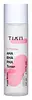 Key Ingredients
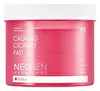
Benefits
Concerns
Ingredients Side-by-side


Water
Skin ConditioningButylene Glycol
Humectant

Glycerin
Humectant
Dipropylene Glycol
Humectant1,2-Hexanediol
Skin Conditioning
Centella Asiatica Extract
Cleansing



Betaine
Humectant
Cetearyl Olivate


Sorbitan Olivate
Emulsifying
Panthenol
Skin Conditioning
Gluconolactone
Chelating




Glyceryl Caprylate
EmollientTromethamine
BufferingEthylhexylglycerin
Skin ConditioningAcrylates/C10-30 Alkyl Acrylate Crosspolymer
Emulsion StabilisingXanthan Gum
EmulsifyingCitrus Aurantium Bergamia Fruit Oil
Masking



Allantoin
Skin Conditioning
Asiaticoside
Antioxidant
Madecassic Acid
Skin Conditioning
Asiatic Acid
Skin Conditioning
Guaiazulene
Antimicrobial
Niacinamide
Smoothing

Adenosine
Skin Conditioning
Melaleuca Alternifolia Leaf Oil
Antioxidant
Zinc PCA
Humectant
Capryloyl Salicylic Acid
Exfoliating
Houttuynia Cordata Extract
Skin Conditioning
Caprylic/Capric Triglyceride
Masking
Adansonia Digitata Seed Oil
Emollient
Hydrogenated Lecithin
Emulsifying
Ceramide NP
Skin Conditioning
Sodium Hyaluronate
Humectant
Portulaca Oleracea Extract
Skin Conditioning
Saururus Chinensis Extract
Skin ConditioningPropolis Extract
Skin Conditioning
Caprylyl Glycol
Emollient
Tocopheryl Acetate
Antioxidant
Hydroxypropyltrimonium Hyaluronate
Madecassoside
Antioxidant
Aloe Barbadensis Leaf Extract
Emollient
Acorus Calamus Root Extract
Perfuming
Pentylene Glycol
Skin Conditioning
Ceramide Ns
Skin Conditioning
Ceramide As
Skin Conditioning
Ceramide EOP
Skin Conditioning
Ceramide AP
Skin Conditioning
Glucose
Humectant
Hydrolyzed Hyaluronic Acid
Humectant
Sodium Acetylated Hyaluronate
Humectant
Hyaluronic Acid
Humectant
Chondrus Crispus Extract
Skin Conditioning
Melaleuca Alternifolia Leaf Extract
Perfuming
Sodium Hyaluronate Crosspolymer
Humectant
Hydrolyzed Sodium Hyaluronate
Skin Conditioning
Potassium Hyaluronate
Skin ConditioningLimonene
Perfuming
Linalool
Perfuming
Water, Butylene Glycol, Glycerin, Dipropylene Glycol, 1,2-Hexanediol, Centella Asiatica Extract, Betaine, Cetearyl Olivate, Sorbitan Olivate, Panthenol, Gluconolactone, Glyceryl Caprylate, Tromethamine, Ethylhexylglycerin, Acrylates/C10-30 Alkyl Acrylate Crosspolymer, Xanthan Gum, Citrus Aurantium Bergamia Fruit Oil, Allantoin, Asiaticoside, Madecassic Acid, Asiatic Acid, Guaiazulene, Niacinamide, Adenosine, Melaleuca Alternifolia Leaf Oil, Zinc PCA, Capryloyl Salicylic Acid, Houttuynia Cordata Extract, Caprylic/Capric Triglyceride, Adansonia Digitata Seed Oil, Hydrogenated Lecithin, Ceramide NP, Sodium Hyaluronate, Portulaca Oleracea Extract, Saururus Chinensis Extract, Propolis Extract, Caprylyl Glycol, Tocopheryl Acetate, Hydroxypropyltrimonium Hyaluronate, Madecassoside, Aloe Barbadensis Leaf Extract, Acorus Calamus Root Extract, Pentylene Glycol, Ceramide Ns, Ceramide As, Ceramide EOP, Ceramide AP, Glucose, Hydrolyzed Hyaluronic Acid, Sodium Acetylated Hyaluronate, Hyaluronic Acid, Chondrus Crispus Extract, Melaleuca Alternifolia Leaf Extract, Sodium Hyaluronate Crosspolymer, Hydrolyzed Sodium Hyaluronate, Potassium Hyaluronate, Limonene, Linalool
Reviews
Ingredients Explained
These ingredients are found in both products.
Ingredients higher up in an ingredient list are typically present in a larger amount.
1,2-Hexanediol is a synthetic liquid and another multi-functional powerhouse.
It is a:
- Humectant, drawing moisture into the skin
- Emollient, helping to soften skin
- Solvent, dispersing and stabilizing formulas
- Preservative booster, enhancing the antimicrobial activity of other preservatives
Allantoin is a soothing ingredient known for its protective and moisturizing properties; it's basically a quiet workhorse ingredient you can find in a huge range of cosmetics.
Though it can be derived from the comfrey plant, allantoin is produced synthetically for cosmetic products to ensure purity.
Research shows it can encourage your skin cells to turn over and renew by stimulating keratinocyte and fibroblast proliferation.
It also has mild keratolytic properties to help loosen and shed dead skin cells without being harsh.
Studies also suggest allantoin can help calm inflammation by dialing down some of the chemical signals your skin sends out when it is irritated.
This ingredient is typically used in the 0.1-0.5% range, and the FDA recognizes it as a skin protectant in OTC products up to 2%.
Overall, allantoin is a wonderful addition to most routines; it is stable across a wide pH range (~4-8), works well with other ingredients, and is considered non-sensitizing/non-irritating.
Fun fact: Allantoin is naturally occurring in comfrey root, beets, chamomile, and wheat sprouts. Our bodies even produce it as a byproduct of uric acid metabolism.
Learn more about AllantoinButylene Glycol (or BG) is used within cosmetic products for a few different reasons:
Overall, Butylene Glycol is a safe and well-rounded ingredient that works well with other ingredients.
Though this ingredient works well with most skin types, some people with sensitive skin may experience a reaction such as allergic rashes, closed comedones, or itchiness.
Learn more about Butylene GlycolGluconolactone is a PHA. PHAs are a great gentle alternative to traditional AHAs.
When applied, Gluconolactone has the same affect on skin as AHAs such as lactic acid. It helps dissolve the dead skin cells in the top layer of your skin. This improves texture and brightens the skin.
PHAs are more gentle than AHAs due to their larger structure. They do not penetrate as deeply as AHAs and take a longer time to dissolve dead cells. Studies show PHAs do not cause as much irritation.
Gluconolactone has some interesting properties:
In a 2004 study, Gluconolactone was found to prevent UV damage in mouse skin cells and has not been found to increase sun sensitivity. However, we still recommend wearing SPF daily.
This ingredient is is an created by reacting gluconic acid with an alcohol.
Learn more about GluconolactonePanthenol is a common ingredient that helps hydrate and soothe the skin. It is found naturally in our skin and hair.
There are two forms of panthenol: D and L.
D-panthenol is also known as dexpanthenol. Most cosmetics use dexpanthenol or a mixture of D and L-panthenol.
Panthenol is famous due to its ability to go deeper into the skin's layers. Using this ingredient has numerous pros (and no cons):
Like hyaluronic acid, panthenol is a humectant. Humectants are able to bind and hold large amounts of water to keep skin hydrated.
This ingredient works well for wound healing. It works by increasing tissue in the wound and helps close open wounds.
Once oxidized, panthenol converts to pantothenic acid. Panthothenic acid is found in all living cells.
This ingredient is also referred to as pro-vitamin B5.
Learn more about PanthenolSodium Hyaluronate is the salt form of hyaluronic acid. It is a long sugar chain that is naturally found in your skin, joints, and connective tissue that maintains hydration and elasticity.
In skincare, it works as a humectant. It pulls water from the environment and deeper layers of skin and binds it to the surface.
Interestingly, the size of the molecule affects its behavior:
Some clinical evidence links low molecular weight versions to improved wrinkle depth, elasticity, anti-inflammatory effects, and barrier repair.
Many serums use a blend of both weights so you can get surface hydration plus longer-lasting and deeper effects.
You'll typically see concentrations between 0.1-2% for this ingredient.
Learn more about Sodium HyaluronateWater. It's the most common cosmetic ingredient of all. You'll usually see it at the top of ingredient lists, meaning that it makes up the largest part of the product.
So why is it so popular? Water most often acts as a solvent - this means that it helps dissolve other ingredients into the formulation.
You'll also recognize water as that liquid we all need to stay alive. If you see this, drink a glass of water. Remember to stay hydrated!
Learn more about Water

