

What's inside
What's inside
 Key Ingredients
Benefits
Concerns
Ingredients Side-by-side
Water
Skin ConditioningPropanediol
Solvent

Butylene Glycol
Humectant
Glycerin
Humectant
Caffeine
Skin Conditioning

Biotinoyl Tripeptide-1

Acetyl Tetrapeptide-3
Skin Protecting
Larix Europaea Wood Extract
HumectantPisum Sativum Extract
Skin ConditioningScutellaria Baicalensis Root Extract
Astringent
Triticum Vulgare Germ Extract
Skin ConditioningGlycine Soja Germ Extract
EmollientTrifolium Pratense Flower Extract
AstringentCamellia Sinensis Leaf Extract
Antimicrobial



Apigenin
Antioxidant
Oleanolic Acid
Skin ConditioningArginine
Masking
Glycine
Buffering
Calcium Gluconate
HumectantZinc Chloride
AntimicrobialLactic Acid
Buffering





Gluconolactone
Chelating

Dextran
Maltodextrin
Absorbent
Hydroxyethylcellulose
Emulsion StabilisingXanthan Gum
EmulsifyingPentylene Glycol
Skin Conditioning
Dimethyl Isosorbide
SolventPolysorbate 20
Emulsifying
PPG-26-Buteth-26
Skin ConditioningPEG-40 Hydrogenated Castor Oil
Emulsifying
Trisodium Ethylenediamine Disuccinate
ChelatingSodium Metabisulfite
Antioxidant
Sodium Benzoate
Masking
Phenoxyethanol
Preservative
Chlorphenesin
Antimicrobial
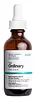
Water, Propanediol, Butylene Glycol, Glycerin, Caffeine, Biotinoyl Tripeptide-1, Acetyl Tetrapeptide-3, Larix Europaea Wood Extract, Pisum Sativum Extract, Scutellaria Baicalensis Root Extract, Triticum Vulgare Germ Extract, Glycine Soja Germ Extract, Trifolium Pratense Flower Extract, Camellia Sinensis Leaf Extract, Apigenin, Oleanolic Acid, Arginine, Glycine, Calcium Gluconate, Zinc Chloride, Lactic Acid, Gluconolactone, Dextran, Maltodextrin, Hydroxyethylcellulose, Xanthan Gum, Pentylene Glycol, Dimethyl Isosorbide, Polysorbate 20, PPG-26-Buteth-26, PEG-40 Hydrogenated Castor Oil, Trisodium Ethylenediamine Disuccinate, Sodium Metabisulfite, Sodium Benzoate, Phenoxyethanol, Chlorphenesin
Water
Skin ConditioningCocamidopropyl Betaine
Cleansing
Tea-Cocoyl Glutamate
Cleansing
Sodium Lauroyl Methylaminopropionate
CleansingDisodium Laureth Sulfosuccinate
CleansingCocamide Mea
Emulsifying
Sodium Chloride
MaskingParfum
Masking

Polyquaternium-10
Caprylyl Glycol
Emollient
Hydroxyacetophenone
Antioxidant
PPG-3 Myristyl Ether
EmollientPanthenol
Skin Conditioning
Salicylic Acid
Masking

Menthol
Masking
Citric Acid
Buffering
Niacinamide
Smoothing
Sodium Benzoate
Masking
Pentasodium Pentetate
ChelatingButylene Glycol
Humectant
Gluconolactone
Chelating
Aminomethyl Propanol
Buffering1,2-Hexanediol
Skin Conditioning
Biotin
AntiseborrhoeicMentha Piperita Leaf Extract
Skin ConditioningMentha Viridis Extract
MaskingLeonurus Sibiricus Flower/Leaf/Stem Extract
SoothingNelumbo Nucifera Flower Extract
Skin ConditioningHouttuynia Cordata Extract
Skin Conditioning
Artemisia Vulgaris Extract
Skin Conditioning
Camellia Sinensis Leaf Extract
Antimicrobial
Mentha Rotundifolia Leaf Extract
TonicCentella Asiatica Extract
Cleansing
Ethylhexylglycerin
Skin ConditioningHydrolyzed Corn Protein
Skin ConditioningHydrolyzed Soy Protein
Humectant
Hydrolyzed Wheat Protein
Skin ConditioningHexapeptide-9
Skin Conditioning
Palmitoyl Pentapeptide-4
Skin Conditioning
Palmitoyl Tripeptide-5
Skin Conditioning
Palmitoyl Tripeptide-1
Skin Conditioning
Palmitoyl Tetrapeptide-7
Skin Conditioning
Palmitoyl Oligopeptide
Cleansing
Tripeptide-1
Skin Conditioning
Copper Tripeptide-1
Skin Conditioning
Asiatic Acid
Skin Conditioning
Asiaticoside
Antioxidant
Acetyl Hexapeptide-8
Humectant
Acetyl Tetrapeptide-2
Skin Conditioning
Madecassic Acid
Skin Conditioning
Madecassoside
Antioxidant
Nonapeptide-1
Skin Conditioning
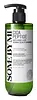
Water, Cocamidopropyl Betaine, Tea-Cocoyl Glutamate, Sodium Lauroyl Methylaminopropionate, Disodium Laureth Sulfosuccinate, Cocamide Mea, Sodium Chloride, Parfum, Polyquaternium-10, Caprylyl Glycol, Hydroxyacetophenone, PPG-3 Myristyl Ether, Panthenol, Salicylic Acid, Menthol, Citric Acid, Niacinamide, Sodium Benzoate, Pentasodium Pentetate, Butylene Glycol, Gluconolactone, Aminomethyl Propanol, 1,2-Hexanediol, Biotin, Mentha Piperita Leaf Extract, Mentha Viridis Extract, Leonurus Sibiricus Flower/Leaf/Stem Extract, Nelumbo Nucifera Flower Extract, Houttuynia Cordata Extract, Artemisia Vulgaris Extract, Camellia Sinensis Leaf Extract, Mentha Rotundifolia Leaf Extract, Centella Asiatica Extract, Ethylhexylglycerin, Hydrolyzed Corn Protein, Hydrolyzed Soy Protein, Hydrolyzed Wheat Protein, Hexapeptide-9, Palmitoyl Pentapeptide-4, Palmitoyl Tripeptide-5, Palmitoyl Tripeptide-1, Palmitoyl Tetrapeptide-7, Palmitoyl Oligopeptide, Tripeptide-1, Copper Tripeptide-1, Asiatic Acid, Asiaticoside, Acetyl Hexapeptide-8, Acetyl Tetrapeptide-2, Madecassic Acid, Madecassoside, Nonapeptide-1
Reviews
Ingredients Explained
These ingredients are found in both products.
Ingredients higher up in an ingredient list are typically present in a larger amount.
Butylene Glycol (or BG) is used within cosmetic products for a few different reasons:
Overall, Butylene Glycol is a safe and well-rounded ingredient that works well with other ingredients.
Though this ingredient works well with most skin types, some people with sensitive skin may experience a reaction such as allergic rashes, closed comedones, or itchiness.
Learn more about Butylene GlycolCamellia Sinensis Leaf Extract (tea extract) is one of the most well-researched plant extracts in skincare with an impressive resume.
Black tea, green tea, and oolong tea are all harvested from the Camellia Sinensis plant.
Studies show green tea extract and its catechins (like epigallocatechin gallate (EGCG)) help your skin cells product energy more efficiently and reducing the number of free-radicals that can damage your skin from the inside.
In lab-grown skin models, this translated to younger, healthier, and stronger skin.
There's also good sun protection data; researchers saw less DNA damage and redness on human skin when green tea was applied before UVB exposure. And the more they applied, the better the protection.
Needless to say, this ingredient shouldn't replace your sunscreen. But it is a great supportive ingredient that you can already find in many sunscreens and antioxidant serums.
A 2009 study found a 2% green tea lotion was effective for mild-to-moderate acne thanks to its anti-inflammatory and mild antimicrobial activity.
The quality of the extract matters a lot here:
Good extracts contain 50-90% catechins while lower quality ones are mostly there for marketing. We recommend reaching out to the brand if you have questions about the quality or source of their ingredients.
Human Repeated Insult Patch Testing showed no irritation or sensitization at use concentrations (0.86% in leave-on products and up to 30% as leaf water).
Learn more about Camellia Sinensis Leaf ExtractGluconolactone is a PHA. PHAs are a great gentle alternative to traditional AHAs.
When applied, Gluconolactone has the same affect on skin as AHAs such as lactic acid. It helps dissolve the dead skin cells in the top layer of your skin. This improves texture and brightens the skin.
PHAs are more gentle than AHAs due to their larger structure. They do not penetrate as deeply as AHAs and take a longer time to dissolve dead cells. Studies show PHAs do not cause as much irritation.
Gluconolactone has some interesting properties:
In a 2004 study, Gluconolactone was found to prevent UV damage in mouse skin cells and has not been found to increase sun sensitivity. However, we still recommend wearing SPF daily.
This ingredient is is an created by reacting gluconic acid with an alcohol.
Learn more about GluconolactoneSodium Benzoate is a preservative. It's used in both cosmetic and food products to inhibit the growth of mold and bacteria. It is typically produced synthetically.
Both the US FDA and EU Health Committee have approved the use of sodium benzoate. In the US, levels of 0.1% (of the total product) are allowed.
Sodium benzoate works as a preservative by inhibiting the growth of bacteria inside of cells. It prevents the cell from fermenting a type of sugar using an enzyme called phosphofructokinase.
It is the salt of benzoic acid. Foods containing sodium benzoate include soda, salad dressings, condiments, fruit juices, wines, and snack foods.
Studies for using ascorbic acid and sodium benzoate in cosmetics are lacking, especially in skincare routines with multiple steps.
We always recommend speaking with a professional, such as a dermatologist, if you have any concerns.
Learn more about Sodium BenzoateWater. It's the most common cosmetic ingredient of all. You'll usually see it at the top of ingredient lists, meaning that it makes up the largest part of the product.
So why is it so popular? Water most often acts as a solvent - this means that it helps dissolve other ingredients into the formulation.
You'll also recognize water as that liquid we all need to stay alive. If you see this, drink a glass of water. Remember to stay hydrated!
Learn more about Water

