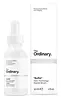
This anti-aging serum is formulated around Lactococcus Ferment Lysate and Acetyl Hexapeptide-8 to soften the look of wrinkles.
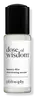
This hydrating serum is formulated around 3-O-Ethyl Ascorbic Acid and Squalane to hydrate skin and soften the look of wrinkles.


What's inside
What's inside
 Key Ingredients
Benefits
Concerns
Ingredients Side-by-side
Water
Skin ConditioningGlycerin
Humectant


Lactococcus Ferment Lysate
Skin Conditioning
Acetyl Hexapeptide-8
Humectant

Pentapeptide-18
Skin Conditioning
Palmitoyl Tripeptide-1
Skin Conditioning
Palmitoyl Tetrapeptide-7
Skin Conditioning
Palmitoyl Tripeptide-38
Skin Conditioning
Dipeptide Diaminobutyroyl Benzylamide Diacetate
Skin Conditioning
Acetylarginyltryptophyl Diphenylglycine
Skin ConditioningSodium Hyaluronate Crosspolymer
Humectant
Sodium Hyaluronate
Humectant
Allantoin
Skin Conditioning
Glycine
Buffering
Alanine
Masking
Serine
Masking
Valine
MaskingIsoleucine
Skin ConditioningProline
Skin Conditioning
Threonine
Histidine
Humectant
Phenylalanine
Masking
Arginine
Masking
Aspartic Acid
Masking
Trehalose
Humectant
Fructose
Humectant
Glucose
Humectant
Maltose
MaskingUrea
Buffering
Sodium PCA
Humectant
PCA
Humectant
Sodium Lactate
Buffering
Citric Acid
Buffering


Hydroxypropyl Cyclodextrin
MaskingSodium Chloride
MaskingSodium Hydroxide
BufferingButylene Glycol
Humectant
Pentylene Glycol
Skin Conditioning
Acacia Senegal Gum
MaskingXanthan Gum
EmulsifyingCarbomer
Emulsion StabilisingPolysorbate 20
Emulsifying
PPG-26-Buteth-26
Skin ConditioningPEG-40 Hydrogenated Castor Oil
Emulsifying
Trisodium Ethylenediamine Disuccinate
Ethoxydiglycol
HumectantSodium Benzoate
Masking
Caprylyl Glycol
Emollient
Ethylhexylglycerin
Skin ConditioningPhenoxyethanol
Preservative
Chlorphenesin
Antimicrobial
Water, Glycerin, Lactococcus Ferment Lysate, Acetyl Hexapeptide-8, Pentapeptide-18, Palmitoyl Tripeptide-1, Palmitoyl Tetrapeptide-7, Palmitoyl Tripeptide-38, Dipeptide Diaminobutyroyl Benzylamide Diacetate, Acetylarginyltryptophyl Diphenylglycine, Sodium Hyaluronate Crosspolymer, Sodium Hyaluronate, Allantoin, Glycine, Alanine, Serine, Valine, Isoleucine, Proline, Threonine, Histidine, Phenylalanine, Arginine, Aspartic Acid, Trehalose, Fructose, Glucose, Maltose, Urea, Sodium PCA, PCA, Sodium Lactate, Citric Acid, Hydroxypropyl Cyclodextrin, Sodium Chloride, Sodium Hydroxide, Butylene Glycol, Pentylene Glycol, Acacia Senegal Gum, Xanthan Gum, Carbomer, Polysorbate 20, PPG-26-Buteth-26, PEG-40 Hydrogenated Castor Oil, Trisodium Ethylenediamine Disuccinate, Ethoxydiglycol, Sodium Benzoate, Caprylyl Glycol, Ethylhexylglycerin, Phenoxyethanol, Chlorphenesin
Water
Skin ConditioningGlycerin
Humectant
Pentaerythrityl Tetraethylhexanoate
Emollient
Propanediol
Solvent
Alcohol Denat.
Antimicrobial



Xanthan Gum
Emulsifying3-O-Ethyl Ascorbic Acid
Skin Conditioning

Hydroxyacetophenone
Antioxidant
Caprylic/Capric Triglyceride
Masking
Hydroxyethyl Acrylate/Sodium Acryloyldimethyl Taurate Copolymer
Emulsion StabilisingMaltodextrin
Absorbent
Squalane
Emollient
1,2-Hexanediol
Skin Conditioning
Caprylyl Glycol
Emollient
Methylpropanediol
SolventSodium Citrate
BufferingCitric Acid
Buffering
Parfum
Masking

Plantago Lanceolata Leaf Extract
AntimicrobialCarbomer
Emulsion StabilisingLactobacillus
Skin ConditioningSodium PCA
Humectant
Sodium Hydroxide
BufferingPolysorbate 60
Emulsifying
Adenosine
Skin Conditioning
PEG-8
HumectantMica
Cosmetic ColorantSorbitan Isostearate
Emulsifying
Tocopherol
Antioxidant

Biosaccharide Gum-1
Humectant
Pentylene Glycol
Skin Conditioning
Limonene
Perfuming
Silica
Abrasive

Dimethylmethoxy Chromanol
Antioxidant
Ethylhexylglycerin
Skin ConditioningHordeum Vulgare Extract
EmollientHyaluronic Acid
Humectant
Ganoderma Lucidum Stem Extract
Skin ConditioningSilanetriol
Ascorbyl Palmitate
Antioxidant
Agave Americana Leaf Extract
Skin ConditioningCitral
Perfuming
Rosmarinus Officinalis Leaf Extract
AntimicrobialAscorbic Acid
Antioxidant
Sodium Benzoate
Masking
Potassium Sorbate
Preservative
Titanium Dioxide
Cosmetic Colorant

Water, Glycerin, Pentaerythrityl Tetraethylhexanoate, Propanediol, Alcohol Denat., Xanthan Gum, 3-O-Ethyl Ascorbic Acid, Hydroxyacetophenone, Caprylic/Capric Triglyceride, Hydroxyethyl Acrylate/Sodium Acryloyldimethyl Taurate Copolymer, Maltodextrin, Squalane, 1,2-Hexanediol, Caprylyl Glycol, Methylpropanediol, Sodium Citrate, Citric Acid, Parfum, Plantago Lanceolata Leaf Extract, Carbomer, Lactobacillus, Sodium PCA, Sodium Hydroxide, Polysorbate 60, Adenosine, PEG-8, Mica, Sorbitan Isostearate, Tocopherol, Biosaccharide Gum-1, Pentylene Glycol, Limonene, Silica, Dimethylmethoxy Chromanol, Ethylhexylglycerin, Hordeum Vulgare Extract, Hyaluronic Acid, Ganoderma Lucidum Stem Extract, Silanetriol, Ascorbyl Palmitate, Agave Americana Leaf Extract, Citral, Rosmarinus Officinalis Leaf Extract, Ascorbic Acid, Sodium Benzoate, Potassium Sorbate, Titanium Dioxide
Reviews
Ingredients Explained
These ingredients are found in both products.
Ingredients higher up in an ingredient list are typically present in a larger amount.
Caprylyl Glycol is a humectant, skin conditioner, emollient, and preservative booster derived from either caprylic acid or synthetically created.
Typical use levels vary from 0.3-1% as a preservative booster and go up to 2% to condition skin.
Because it is not a free-fatty acid, this ingredient is fungal acne safe (there's nothing for Malassezia to feed on).
Learn more about Caprylyl GlycolCarbomer is a synthetic thickening and gelling agent. It's basically the ingredient that gives a lot of serums, gels, creams, and sunscreens their smooth, non-sticky texture.
Although legally permitted at very high levels, carbomers are normally used at concentrations below 1%.
It also needs to be neutralized to actually thicken, and because it is a large molecule, it doesn't really penetrate the skin barrier.
Allergy-wise, the risk is very low. Clinical studies show carbomers have low potential for skin irritation/sensitization even at concentrations up to 100%.
A 2024 UK study patch-tested 1,302 patients and found true allergy to the parent group of carbomer to be rare with no confirmed relevant reactions.
Learn more about CarbomerCitric Acid is an alpha hydroxy acid (AHA) naturally found in citrus fruits like oranges, lemons, and limes.
Like other AHAs, citric acid can exfoliate skin by breaking down the bonds that hold dead skin cells together. This helps reveal smoother and brighter skin underneath.
However, this exfoliating effect only happens at high concentrations (20%) which can be hard to find in cosmetic products.
Due to this, citric acid is usually included in small amounts as a pH adjuster. This helps keep products slightly more acidic and compatible with skin's natural pH.
In skincare formulas, citric acid can:
While it can provide some skin benefits, research shows lactic acid and glycolic acid are generally more effective and less irritating exfoliants.
Most citric acid used in skincare today is made by fermenting sugars (usually from molasses). This synthetic version is identical to the natural citrus form but easier to stabilize and use in formulations.
Read more about some other popular AHA's here:
Learn more about Citric AcidEthylhexylglycerin is created from glycerin. It is a multitasker ingredient that:
The CIR Expert Panel found minimal skin absorption or sensitization of any kind in a safety assessment. Though this ingredient is considered well-tolerated, a small number of cases of allergic dermatitis have been published since 2002. Just be sure to patch test if you are unsure.
Industry-reported use ranges from 8% in rinse-off products and 2% in leave-on formulations.
Learn more about EthylhexylglycerinGlycerin (or glycerol) is a compound naturally found in your skin. It's a powerhouse humectant that pulls water into the stratum corneum.
Topically, glycerin does several things at once:
Your skin makes glycerin on its own (mostly from sebaceous oil breakdown) and shuttles it to your outermost layer of skin, or your epidermis, via aquaporin-3.
Aquaporin-3 is a transporter that is essential for normal skin hydration, elasticity, and repair. Interestingly, mice lacking in AQP3 have dry and less elastic skin that can be fully corrected with glycerin.
This ingredient is non-irritating, plays well with almost every ingredient, and works across all skin types. Typical use is anywhere between 3-10% but can go up to 79% in some leave-on products.
Just know very high concentrations (>40%) can feel tacky in low humidity.
Glycerin is the name for this ingredient in American English. British English uses Glycerol/Glycerine.
Learn more about GlycerinPentylene Glycol (1,2-pentanediol) is a multitasking little diol with three main roles in a formula:
Research on alkanediols (the family pentylene glycol belongs to) show they work by disrupting microbial cell membranes. This disruption helps the primary preservative system in a product work more effectively at lower doses.
On the safety side, the Cosmetic Ingredient Review Expert Panel has concluded this ingredient to be safe as used in current cosmetic practices + concentrations.
Typical use levels in a formula run about 1-5%.
Learn more about Pentylene GlycolSodium Benzoate is a preservative. It's used in both cosmetic and food products to inhibit the growth of mold and bacteria. It is typically produced synthetically.
Both the US FDA and EU Health Committee have approved the use of sodium benzoate. In the US, levels of 0.1% (of the total product) are allowed.
Sodium benzoate works as a preservative by inhibiting the growth of bacteria inside of cells. It prevents the cell from fermenting a type of sugar using an enzyme called phosphofructokinase.
It is the salt of benzoic acid. Foods containing sodium benzoate include soda, salad dressings, condiments, fruit juices, wines, and snack foods.
Studies for using ascorbic acid and sodium benzoate in cosmetics are lacking, especially in skincare routines with multiple steps.
We always recommend speaking with a professional, such as a dermatologist, if you have any concerns.
Learn more about Sodium BenzoateSodium Hydroxide is also known as lye or caustic soda. It is used to adjust the pH of products; many ingredients require a specific pH to be effective.
In small amounts, sodium hydroxide is considered safe to use. However, large amounts may cause chemical burns due to its high alkaline.
Your skin has a natural pH and acid mantle. This acid mantle helps prevent harmful bacteria from breaking through. The acid mantle also helps keep your skin hydrated.
"Alkaline" refers to a high pH level. A low pH level would be considered acidic.
Learn more about Sodium HydroxideSodium PCA (the salt of PCA) is one of the most well-established humectants in skincare.
Why is it so special? Your skin already makes it naturally; it's a natural component of your skin's Natural Moisturizing Factor (NMF), or the mix of water-binding compounds inside your skin cells that keeps things soft and hydrated.
As a cosmetic ingredient, it grabs water and holds it in the upper layers of skin to smooth roughness and ease dehydration.
There's some clinical support for the NMF approach with a study showing that a cream built to mimic the skin's NMF significantly boosted hydration.
Safety-wise, this ingredient non-irritating, non-comedogenic, and non-phototoxic in testing, with minimal skin absorption.
It also works really well with other hydrators like glycerin or hyaluronic acid, and typical usage is somewhere between 0.2-4%.
Learn more about Sodium PCAWater. It's the most common cosmetic ingredient of all. You'll usually see it at the top of ingredient lists, meaning that it makes up the largest part of the product.
So why is it so popular? Water most often acts as a solvent - this means that it helps dissolve other ingredients into the formulation.
You'll also recognize water as that liquid we all need to stay alive. If you see this, drink a glass of water. Remember to stay hydrated!
Learn more about WaterXanthan gum is used as a stabilizer and thickener within cosmetic products. It helps give products a sticky, thick feeling - preventing them from being too runny.
On the technical side of things, xanthan gum is a polysaccharide - a combination consisting of multiple sugar molecules bonded together.
Xanthan gum is a pretty common and great ingredient. It is a natural, non-toxic, non-irritating ingredient that is also commonly used in food products.
Learn more about Xanthan Gum

