

What's inside
What's inside
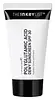 Key Ingredients
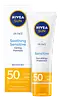
Benefits
Concerns
Ingredients Side-by-side
Water
Skin ConditioningOctocrylene
UV Absorber



Glycerin
Humectant


Ethylhexyl Salicylate
UV Absorber
Coco-Caprylate/Caprate
Emollient
Butyl Methoxydibenzoylmethane
UV Absorber
Phenylbenzimidazole Sulfonic Acid
UV Absorber
Triheptanoin
Skin ConditioningSaccharomyces Ferment
Skin Conditioning
Cetearyl Alcohol
Emollient


Glyceryl Stearate Se
Emulsifying
Tromethamine
BufferingGlyceryl Caprylate
EmollientPropanediol
Solvent
C9-12 Alkane
SolventDilinoleic Acid/Butanediol Copolymer
Sodium Stearoyl Glutamate
CleansingHydroxyethyl Acrylate/Sodium Acryloyldimethyl Taurate Copolymer
Emulsion StabilisingDimethicone
Emollient
Squalane
Emollient
Hectorite
AbsorbentLauroyl Lysine
Skin Conditioning
Hydroxyethylcellulose
Emulsion StabilisingCaprylhydroxamic Acid
Dimethiconol
Emollient
Polysorbate 60
Emulsifying
Acrylates/C10-30 Alkyl Acrylate Crosspolymer
Emulsion StabilisingOryza Sativa Hull Extract
MoisturisingCastor Oil/Ipdi Copolymer

Phenoxyethanol
Preservative
Polyglutamic Acid
Skin Conditioning
Sorbitan Isostearate
Emulsifying
Camellia Sinensis Leaf Extract
Antimicrobial



Ipomoea Batatas Root Extract
Skin ConditioningHydroxyacetophenone
Antioxidant
Sodium Benzoate
Masking
1,2-Hexanediol
Skin Conditioning
Caprylyl Glycol
Emollient
Lactobacillus Ferment Lysate
Skin Conditioning
Saccharomyces Lysate
Skin Conditioning
Water, Octocrylene, Glycerin, Ethylhexyl Salicylate, Coco-Caprylate/Caprate, Butyl Methoxydibenzoylmethane, Phenylbenzimidazole Sulfonic Acid, Triheptanoin, Saccharomyces Ferment, Cetearyl Alcohol, Glyceryl Stearate Se, Tromethamine, Glyceryl Caprylate, Propanediol, C9-12 Alkane, Dilinoleic Acid/Butanediol Copolymer, Sodium Stearoyl Glutamate, Hydroxyethyl Acrylate/Sodium Acryloyldimethyl Taurate Copolymer, Dimethicone, Squalane, Hectorite, Lauroyl Lysine, Hydroxyethylcellulose, Caprylhydroxamic Acid, Dimethiconol, Polysorbate 60, Acrylates/C10-30 Alkyl Acrylate Crosspolymer, Oryza Sativa Hull Extract, Castor Oil/Ipdi Copolymer, Phenoxyethanol, Polyglutamic Acid, Sorbitan Isostearate, Camellia Sinensis Leaf Extract, Ipomoea Batatas Root Extract, Hydroxyacetophenone, Sodium Benzoate, 1,2-Hexanediol, Caprylyl Glycol, Lactobacillus Ferment Lysate, Saccharomyces Lysate
Water
Skin ConditioningHomosalate
Skin Conditioning
Alcohol Denat.
Antimicrobial


Butyl Methoxydibenzoylmethane
UV Absorber
Bis-Ethylhexyloxyphenol Methoxyphenyl Triazine
Skin Conditioning
Hexyl Salicylate
Masking
Dibutyl Adipate
EmollientEthylhexyl Triazone
UV Absorber
Copernicia Cerifera Wax
Panthenol
Skin Conditioning
Glycerin
Humectant
Silica
Abrasive
Vp/Hexadecene Copolymer
Microcrystalline Cellulose
AbsorbentSucrose Polystearate
EmollientTetrasodium Iminodisuccinate
Cellulose Gum
Emulsion StabilisingButylene Glycol Dicaprylate/Dicaprate
EmollientDistarch Phosphate
AbsorbentPhenylbenzimidazole Sulfonic Acid
UV Absorber
Polyglyceryl-4 Isostearate
Emulsifying
Acrylates/C10-30 Alkyl Acrylate Crosspolymer
Emulsion StabilisingSodium Stearoyl Glutamate
CleansingEthylhexylglycerin
Skin ConditioningCaprylyl Glycol
Emollient
Hydrogenated Polyisobutene
EmollientTrisodium EDTA
Xanthan Gum
EmulsifyingSodium Hydroxide
BufferingSimmondsia Chinensis Seed Oil
Emollient
Tocopheryl Acetate
Antioxidant
Aloe Barbadensis Leaf Juice Powder
Skin Conditioning
Sodium Chloride
MaskingWater, Homosalate, Alcohol Denat., Butyl Methoxydibenzoylmethane, Bis-Ethylhexyloxyphenol Methoxyphenyl Triazine, Hexyl Salicylate, Dibutyl Adipate, Ethylhexyl Triazone, Copernicia Cerifera Wax, Panthenol, Glycerin, Silica, Vp/Hexadecene Copolymer, Microcrystalline Cellulose, Sucrose Polystearate, Tetrasodium Iminodisuccinate, Cellulose Gum, Butylene Glycol Dicaprylate/Dicaprate, Distarch Phosphate, Phenylbenzimidazole Sulfonic Acid, Polyglyceryl-4 Isostearate, Acrylates/C10-30 Alkyl Acrylate Crosspolymer, Sodium Stearoyl Glutamate, Ethylhexylglycerin, Caprylyl Glycol, Hydrogenated Polyisobutene, Trisodium EDTA, Xanthan Gum, Sodium Hydroxide, Simmondsia Chinensis Seed Oil, Tocopheryl Acetate, Aloe Barbadensis Leaf Juice Powder, Sodium Chloride
Reviews
Ingredients Explained
These ingredients are found in both products.
Ingredients higher up in an ingredient list are typically present in a larger amount.
Acrylates/C10-30 Alkyl Acrylate Crosspolymer is a synthetic polymer. It is used to thicken, emulsify, and improve the texture of products.
As an emulsifier, it helps stabilize oil-in-water emulsions to give products an elegant feel when applied.
It can also form a thin protective film on skin. One study found that a formula using this polymer helped slow down how quickly other ingredients (like DEET) were absorbed through skin.
A 2024 study of over 1,300 patients confirmed that sensitization to this ingredient is rare. It is also non-mutagenic and has a clean track record.
Learn more about Acrylates/C10-30 Alkyl Acrylate CrosspolymerAlso known as Avobenzone, this ingredient is an oil-soluble used to absorb the full spectrum of UVA rays (peak 357 nm).
It's one of the most effective UVA filters available but has a major caveat of photostability: avobenzone is susceptible to photodegradation.
This means it can lose efficacy when exposed to sunlight without the help of a stabilizing agent.
Studies show antioxidants (like vitamin E or vitamin C) and some UV filters (like octocrylene and Tinosorb S) can meaningfully improve its stability in a formulation.
The maximum allowable concentration according to regulation is 3% in the US + Canada, and 5% in the EU, Australia, China, Korea, and ASEAN countries.
It has a well-support safety profile: a comprehensive 2025 review found minimal toxicity with no evidence of carcinogenicity.
Overall, avobenzone is a safe and regulated ingredient used in sunscreen for over 40 years.
Learn more about Butyl MethoxydibenzoylmethaneCaprylyl Glycol is a humectant, skin conditioner, emollient, and preservative booster derived from either caprylic acid or synthetically created.
Typical use levels vary from 0.3-1% as a preservative booster and go up to 2% to condition skin.
Because it is not a free-fatty acid, this ingredient is fungal acne safe (there's nothing for Malassezia to feed on).
Learn more about Caprylyl GlycolGlycerin (or glycerol) is a compound naturally found in your skin. It's a powerhouse humectant that pulls water into the stratum corneum.
Topically, glycerin does several things at once:
Your skin makes glycerin on its own (mostly from sebaceous oil breakdown) and shuttles it to your outermost layer of skin, or your epidermis, via aquaporin-3.
Aquaporin-3 is a transporter that is essential for normal skin hydration, elasticity, and repair. Interestingly, mice lacking in AQP3 have dry and less elastic skin that can be fully corrected with glycerin.
This ingredient is non-irritating, plays well with almost every ingredient, and works across all skin types. Typical use is anywhere between 3-10% but can go up to 79% in some leave-on products.
Just know very high concentrations (>40%) can feel tacky in low humidity.
Glycerin is the name for this ingredient in American English. British English uses Glycerol/Glycerine.
Learn more about GlycerinPhenylbenzimidazole Sulfonic Acid (aka Ensulizole) is a chemical UV filter that's a bit of a unicorn in the sunscreen world: it's water-soluble where most organic filters are oil-based.
Being water-solubility is the headline because it feels lightweight and non-greasy in formulations. This makes it suitable for oily or acne-prone skin in gel/water-based products.
Ensulizole primarily protects against UVB radiation (~290-320 nm) but offers some minimal UVA protection. You'll see it often paired with UVA filters to ensure broad-spectrum coverage.
Interestingly, it can help boost SPF and stabilize finicky filters when combined with other UVB absorbers.
The FDA has approved this ingredient for OTC sunscreens up to 4% and the EU's Scientific Committee on Consumer Products concluded that up to 8% is allowed in cosmetics.
In practice, you'll most likely see it formulated around 1-4%.
Safety-wise, it is neither irritating nor sensitizing, shows no photoallergenic potential, and in vivo tests show no mutagenic potential.
You might see discussion about the "double-edged sword" effect of this ingredient. This is because lab tests done on cells in a dish (not on humans) showed Ensulizole can create small amounts of unstable molecules called free radicals that can damage DNA when exposed to UV light. It sounds scary but this is just test-tube research. There hasn't been proof that this can happen when used in a sunscreen on skin.
Learn more about Phenylbenzimidazole Sulfonic AcidSodium Stearoyl Glutamate is an amino-acid based emulsifier. It is made by combining stearic acid with L-glutamic acid and neutralizing it to a sodium salt.
As an emulsifier, it works mainly as an oil-in-water one and helps keep the oil and water in your formulas blended. It also contributes to a smooth, non-greasy skin feel.
This ingredient is biodegradable and commonly available in natural/COSMOS-certified grades.
Learn more about Sodium Stearoyl GlutamateWater. It's the most common cosmetic ingredient of all. You'll usually see it at the top of ingredient lists, meaning that it makes up the largest part of the product.
So why is it so popular? Water most often acts as a solvent - this means that it helps dissolve other ingredients into the formulation.
You'll also recognize water as that liquid we all need to stay alive. If you see this, drink a glass of water. Remember to stay hydrated!
Learn more about Water

