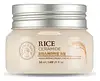
This barrier-repair moisturizer is formulated around Oryza Sativa Extract and Ceramide NP to strengthen the skin barrier and hydrate skin.
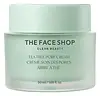
This pore-care moisturizer is formulated around Niacinamide and Salicylic Acid to refine the look of pores and balance excess oil.

What's inside
What's inside
 Key Ingredients
Benefits
Concerns
Ingredients Side-by-side
Water
Skin ConditioningDipropylene Glycol
HumectantCyclomethicone
Emollient
Glycerin
Humectant


Betaine
Humectant
Caprylic/Capric Triglyceride
Masking
Behenyl Alcohol
Emollient
Neopentyl Glycol Diheptanoate
EmollientTri-C14-15 Alkyl Citrate
EmollientSodium Hyaluronate
Humectant


PEG-100 Stearate
Surfactant

Glyceryl Stearate
Emollient
Cetearyl Olivate
Sorbitan Olivate
Emulsifying
Oryza Sativa Extract 1%
Absorbent
Butylene Glycol
Humectant
Diisostearyl Malate
EmollientOctyldodecyl Lactate
EmollientAcrylates/Acrylamide Copolymer
MoisturisingParaffinum Liquidum
Emollient


Polysorbate 85
Emulsifying
Stearic Acid
Cleansing
Butyrospermum Parkii Butter
Skin Conditioning

Dimethicone/Vinyl Dimethicone Crosspolymer
Skin Conditioning
Polyglutamic Acid
Skin Conditioning
Caprylic/Capric Glycerides
EmollientC12-14 Pareth-12
EmulsifyingLecithin
Emollient
Hdi/Trimethylol Hexyllactone Crosspolymer
Silica
Abrasive


Oryza Sativa Bran Oil 0.1%
Emollient
Ceramide NP 0.05%
Skin Conditioning
Citrus Paradisi Fruit Extract
Skin ConditioningHydrogenated Lecithin
Emulsifying
Polyglyceryl-10 Oleate
Skin Conditioning
Glycosphingolipids
EmollientDisodium EDTA
ChelatingPhenoxyethanol
Preservative
Methylparaben
Preservative

Parfum
Masking

Water, Dipropylene Glycol, Cyclomethicone, Glycerin, Betaine, Caprylic/Capric Triglyceride, Behenyl Alcohol, Neopentyl Glycol Diheptanoate, Tri-C14-15 Alkyl Citrate, Sodium Hyaluronate, PEG-100 Stearate, Glyceryl Stearate, Cetearyl Olivate, Sorbitan Olivate, Oryza Sativa Extract 1%, Butylene Glycol, Diisostearyl Malate, Octyldodecyl Lactate, Acrylates/Acrylamide Copolymer, Paraffinum Liquidum, Polysorbate 85, Stearic Acid, Butyrospermum Parkii Butter, Dimethicone/Vinyl Dimethicone Crosspolymer, Polyglutamic Acid, Caprylic/Capric Glycerides, C12-14 Pareth-12, Lecithin, Hdi/Trimethylol Hexyllactone Crosspolymer, Silica, Oryza Sativa Bran Oil 0.1%, Ceramide NP 0.05%, Citrus Paradisi Fruit Extract, Hydrogenated Lecithin, Polyglyceryl-10 Oleate, Glycosphingolipids, Disodium EDTA, Phenoxyethanol, Methylparaben, Parfum
Water
Skin ConditioningHydrogenated Polyisobutene
EmollientButylene Glycol
Humectant
Dipropylene Glycol
Humectant1,2-Hexanediol
Skin Conditioning
Glycerin
Humectant
Hydrogenated Polydecene
EmollientNiacinamide
Smoothing



Panthenol
Skin Conditioning
Trehalose
Humectant
Serine
Masking
Polymethylsilsesquioxane
Acrylates/C10-30 Alkyl Acrylate Crosspolymer
Emulsion StabilisingHydroxyethyl Acrylate/Sodium Acryloyldimethyl Taurate Copolymer
Emulsion StabilisingTromethamine
BufferingAnthemis Nobilis Flower Oil
Masking
Sorbitan Isostearate
Emulsifying
Vetiveria Zizanoides Root Oil
Masking
Arginine
Masking
Hydrolyzed Hyaluronic Acid
Humectant
Hydrolyzed Sodium Hyaluronate
Skin Conditioning
Hydroxypropyltrimonium Hyaluronate
Sodium Hyaluronate
Humectant
Glyceryl Acrylate/Acrylic Acid Copolymer
HumectantCitric Acid
Buffering
Beta-Glucan
Skin Conditioning
Carnitine
Cleansing
Dextrin
AbsorbentTheobroma Cacao Seed Extract
Antioxidant
Gluconolactone
Chelating
Salicylic Acid
Masking

Centella Asiatica Leaf Extract
Skin Conditioning
Melaleuca Alternifolia Flower/Leaf/Stem Extract
Skin ConditioningWater, Hydrogenated Polyisobutene, Butylene Glycol, Dipropylene Glycol, 1,2-Hexanediol, Glycerin, Hydrogenated Polydecene, Niacinamide, Panthenol, Trehalose, Serine, Polymethylsilsesquioxane, Acrylates/C10-30 Alkyl Acrylate Crosspolymer, Hydroxyethyl Acrylate/Sodium Acryloyldimethyl Taurate Copolymer, Tromethamine, Anthemis Nobilis Flower Oil, Sorbitan Isostearate, Vetiveria Zizanoides Root Oil, Arginine, Hydrolyzed Hyaluronic Acid, Hydrolyzed Sodium Hyaluronate, Hydroxypropyltrimonium Hyaluronate, Sodium Hyaluronate, Glyceryl Acrylate/Acrylic Acid Copolymer, Citric Acid, Beta-Glucan, Carnitine, Dextrin, Theobroma Cacao Seed Extract, Gluconolactone, Salicylic Acid, Centella Asiatica Leaf Extract, Melaleuca Alternifolia Flower/Leaf/Stem Extract
Reviews
Ingredients Explained
These ingredients are found in both products.
Ingredients higher up in an ingredient list are typically present in a larger amount.
Butylene Glycol (or BG) is used within cosmetic products for a few different reasons:
Overall, Butylene Glycol is a safe and well-rounded ingredient that works well with other ingredients.
Though this ingredient works well with most skin types, some people with sensitive skin may experience a reaction such as allergic rashes, closed comedones, or itchiness.
Learn more about Butylene GlycolDipropylene Glycol is a synthetically created humectant, stabilizer, and solvent.
This ingredient helps:
Dipropylene glycol is technically an alcohol, but it belongs to the glycol family (often considered part of the ‘good’ alcohols). This means it is hydrating and gentle on skin unlike drying solvent alcohols like denatured alcohol.
As a masking agent, Dipropylene Glycol can be used to cover the smell of other ingredients. However, it does not have a scent.
Studies show Dipropylene Glycol is considered safe to use in skincare.
Learn more about Dipropylene GlycolGlycerin (or glycerol) is a compound naturally found in your skin. It's a powerhouse humectant that pulls water into the stratum corneum.
Topically, glycerin does several things at once:
Your skin makes glycerin on its own (mostly from sebaceous oil breakdown) and shuttles it to your outermost layer of skin, or your epidermis, via aquaporin-3.
Aquaporin-3 is a transporter that is essential for normal skin hydration, elasticity, and repair. Interestingly, mice lacking in AQP3 have dry and less elastic skin that can be fully corrected with glycerin.
This ingredient is non-irritating, plays well with almost every ingredient, and works across all skin types. Typical use is anywhere between 3-10% but can go up to 79% in some leave-on products.
Just know very high concentrations (>40%) can feel tacky in low humidity.
Glycerin is the name for this ingredient in American English. British English uses Glycerol/Glycerine.
Learn more about GlycerinSodium Hyaluronate is the salt form of hyaluronic acid. It is a long sugar chain that is naturally found in your skin, joints, and connective tissue that maintains hydration and elasticity.
In skincare, it works as a humectant. It pulls water from the environment and deeper layers of skin and binds it to the surface.
Interestingly, the size of the molecule affects its behavior:
Some clinical evidence links low molecular weight versions to improved wrinkle depth, elasticity, anti-inflammatory effects, and barrier repair.
Many serums use a blend of both weights so you can get surface hydration plus longer-lasting and deeper effects.
You'll typically see concentrations between 0.1-2% for this ingredient.
Learn more about Sodium HyaluronateWater. It's the most common cosmetic ingredient of all. You'll usually see it at the top of ingredient lists, meaning that it makes up the largest part of the product.
So why is it so popular? Water most often acts as a solvent - this means that it helps dissolve other ingredients into the formulation.
You'll also recognize water as that liquid we all need to stay alive. If you see this, drink a glass of water. Remember to stay hydrated!
Learn more about Water

