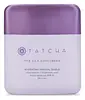
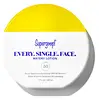
Tatcha The Silk Sunscreen Hydrating Mineral Shield SPF 50+ Versus Supergoop! Every. Single. Face. Watery Lotion SPF 50
This hybrid sunscreen covers the full UV range and blocks ~98% of UVB at SPF 50.
This chemical sunscreen covers most of the UV range, lighter on the deep UVA that drives aging.

What's inside
What's inside
 Key Ingredients
Benefits
Concerns
Ingredients Side-by-side
Zinc Oxide 10%
Cosmetic Colorant


Water
Skin ConditioningC12-15 Alkyl Benzoate
AntimicrobialCaprylic/Capric Triglyceride
Masking


Lauryl PEG-8 Dimethicone
Surfactant
Dimethicone
Emollient
Isododecane
EmollientTridecyl Salicylate
Skin Conditioning
Hdi/Trimethylol Hexyllactone Crosspolymer
Propanediol
Solvent
Caprylyl Methicone
Skin Conditioning
Polymethylsilsesquioxane
Niacinamide
Smoothing








Saccharomyces/Rice Ferment Filtrate
Skin Conditioning

Silica
Abrasive
Squalane
Emollient
Camellia Sinensis Leaf Extract
Antimicrobial
Cladosiphon Okamuranus Extract
Skin ConditioningHydrolyzed Silk
Humectant
Bisabolol
Antioxidant
Allantoin
Skin Conditioning
Tocopherol
Antioxidant
Theobroma Cacao Seed Extract
Antioxidant
Arctium Lappa Root Extract
Skin Conditioning
Kappaphycus Alvarezii Extract
Skin ConditioningSodium Hyaluronate
Humectant
Lecithin
Emollient
Caesalpinia Spinosa Fruit Extract
Skin ProtectingLactobacillus
Skin ConditioningMaltodextrin
Absorbent
Caprylyl Glycol
Emollient
Dimethicone Crosspolymer
Emulsion Stabilising
Hydrogenated Lecithin
Emulsifying
Tetrasodium Glutamate Diacetate
PEG-10
HumectantPolyglyceryl-2 Dipolyhydroxystearate
Skin Conditioning
Propylene Glycol
Humectant
Lauryl PEG-10 Tris(Trimethylsiloxy)Silylethyl Dimethicone
Emulsifying
Polyglyceryl-4 Diisostearate/Polyhydroxystearate/Sebacate
Emulsifying
Butylene Glycol
Humectant
Phosphoric Acid
BufferingSodium Hydroxide
BufferingSodium Chloride
MaskingHexylene Glycol
EmulsifyingEthylhexylglycerin
Skin ConditioningPhenoxyethanol
Preservative
Iron Oxides
Zinc Oxide 10%, Water, C12-15 Alkyl Benzoate, Caprylic/Capric Triglyceride, Lauryl PEG-8 Dimethicone, Dimethicone, Isododecane, Tridecyl Salicylate, Hdi/Trimethylol Hexyllactone Crosspolymer, Propanediol, Caprylyl Methicone, Polymethylsilsesquioxane, Niacinamide, Saccharomyces/Rice Ferment Filtrate, Silica, Squalane, Camellia Sinensis Leaf Extract, Cladosiphon Okamuranus Extract, Hydrolyzed Silk, Bisabolol, Allantoin, Tocopherol, Theobroma Cacao Seed Extract, Arctium Lappa Root Extract, Kappaphycus Alvarezii Extract, Sodium Hyaluronate, Lecithin, Caesalpinia Spinosa Fruit Extract, Lactobacillus, Maltodextrin, Caprylyl Glycol, Dimethicone Crosspolymer, Hydrogenated Lecithin, Tetrasodium Glutamate Diacetate, PEG-10, Polyglyceryl-2 Dipolyhydroxystearate, Propylene Glycol, Lauryl PEG-10 Tris(Trimethylsiloxy)Silylethyl Dimethicone, Polyglyceryl-4 Diisostearate/Polyhydroxystearate/Sebacate, Butylene Glycol, Phosphoric Acid, Sodium Hydroxide, Sodium Chloride, Hexylene Glycol, Ethylhexylglycerin, Phenoxyethanol, Iron Oxides
Butyl Methoxydibenzoylmethane 3%
UV Absorber
Homosalate 9%
Skin Conditioning
Ethylhexyl Salicylate 5%
UV Absorber
Octocrylene 9%
UV Absorber
Water
Skin ConditioningAlcohol
Antimicrobial

C12-15 Alkyl Benzoate
AntimicrobialPropanediol
Solvent
Dimethicone
Emollient
Glycerin
Humectant
Acrylates/Polytrimethylsiloxymethacrylate Copolymer
Skin ConditioningMaltodextrin
Absorbent
Triethyl Citrate
Masking

Hydroxyacetophenone
Antioxidant
Acrylates/C10-30 Alkyl Acrylate Crosspolymer
Emulsion Stabilising1,2-Hexanediol
Skin Conditioning
Caprylyl Glycol
Emollient
Pullulan
Sodium Polyacrylate
Absorbent
Betaine
Humectant
Lavandula Angustifolia Flower/Leaf/Stem Extract
Masking
Hedychium Coronarium Root Extract
MaskingCaesalpinia Spinosa Gum
Skin ConditioningLinalool
Perfuming
Camellia Sinensis Leaf Extract
Antimicrobial
Tremella Fuciformis Sporocarp Extract
Antioxidant
Amyl Cinnamal
Perfuming
Glyceryl Caprylate
EmollientGlyceryl Undecylenate
Emollient
Sodium Carboxymethyl Beta-Glucan
CleansingPyrus Malus Fruit Extract
Skin Conditioning
Rosmarinus Officinalis Leaf Extract
AntimicrobialRubus Idaeus Leaf Extract
Skin ConditioningSalvia Officinalis Leaf Extract
CleansingLepidium Sativum Sprout Extract
Skin ConditioningButyl Methoxydibenzoylmethane 3%, Homosalate 9%, Ethylhexyl Salicylate 5%, Octocrylene 9%, Water, Alcohol, C12-15 Alkyl Benzoate, Propanediol, Dimethicone, Glycerin, Acrylates/Polytrimethylsiloxymethacrylate Copolymer, Maltodextrin, Triethyl Citrate, Hydroxyacetophenone, Acrylates/C10-30 Alkyl Acrylate Crosspolymer, 1,2-Hexanediol, Caprylyl Glycol, Pullulan, Sodium Polyacrylate, Betaine, Lavandula Angustifolia Flower/Leaf/Stem Extract, Hedychium Coronarium Root Extract, Caesalpinia Spinosa Gum, Linalool, Camellia Sinensis Leaf Extract, Tremella Fuciformis Sporocarp Extract, Amyl Cinnamal, Glyceryl Caprylate, Glyceryl Undecylenate, Sodium Carboxymethyl Beta-Glucan, Pyrus Malus Fruit Extract, Rosmarinus Officinalis Leaf Extract, Rubus Idaeus Leaf Extract, Salvia Officinalis Leaf Extract, Lepidium Sativum Sprout Extract
Reviews
Ingredients Explained
These ingredients are found in both products.
Ingredients higher up in an ingredient list are typically present in a larger amount.
C12-15 Alkyl Benzoate is a lightweight emollient made by combinig benzoic acid with fatty alcohols that are 12-15 carbons long.
In cosmetics, it plays several roles:
The Cosmetic Review Expert Panel has concluded the alkyl benzoate group to be safe as used in cosmetics; it wasn't found to be a skin irritant and unlikely to be absorbed due to its low water solubility.
This report recorded almost 1000 reported uses with concentrations up to 59% in leave-on products but your cosmetics will typically use 0.5-15% depending on the product.
It's often called a "SPF booster": this is because it keeps UV filters properly dissolved and evenly distributed to support a sunscreen's performance. It doesn't actually raise SPF on its own.
Overall, this ingredient is well tolerated.
This ingredient is fungal acne safe because it is an ester of benzoic acid.
Think of this ingredient as two parts stuck together: an oily part and an acid part. Malassezia only gets a meal when it can snip off a fatty acid to eat. With C12-15 Alkyl Benzoate, the acid part is benzoic acid, which isn't a fatty acid and which the yeast can't use as food.
Benzoic acid is actually used as a preservative to stop yeast from growing.
The oily part is a blend of C12-15 fatty alcohols but fatty alcohols in this size range can support only a little Malassezia growth (mostly for one species of Malassezia as well).
In the ingredient, those alcohols stay locked inside the molecule. The yeast can only reach them by snipping the benzoate bond, and that type of bond is harder for it to cut than a normal fatty bond.
So not much gets released. And whatever does get snipped comes packaged with benzoic acid, which discourages yeast growth.
Learn more about C12-15 Alkyl BenzoateCamellia Sinensis Leaf Extract (tea extract) is one of the most well-researched plant extracts in skincare with an impressive resume.
Black tea, green tea, and oolong tea are all harvested from the Camellia Sinensis plant.
Studies show green tea extract and its catechins (like epigallocatechin gallate (EGCG)) help your skin cells product energy more efficiently and reducing the number of free-radicals that can damage your skin from the inside.
In lab-grown skin models, this translated to younger, healthier, and stronger skin.
There's also good sun protection data; researchers saw less DNA damage and redness on human skin when green tea was applied before UVB exposure. And the more they applied, the better the protection.
Needless to say, this ingredient shouldn't replace your sunscreen. But it is a great supportive ingredient that you can already find in many sunscreens and antioxidant serums.
A 2009 study found a 2% green tea lotion was effective for mild-to-moderate acne thanks to its anti-inflammatory and mild antimicrobial activity.
The quality of the extract matters a lot here:
Good extracts contain 50-90% catechins while lower quality ones are mostly there for marketing. We recommend reaching out to the brand if you have questions about the quality or source of their ingredients.
Human Repeated Insult Patch Testing showed no irritation or sensitization at use concentrations (0.86% in leave-on products and up to 30% as leaf water).
Learn more about Camellia Sinensis Leaf ExtractCaprylyl Glycol is a humectant, skin conditioner, emollient, and preservative booster derived from either caprylic acid or synthetically created.
Typical use levels vary from 0.3-1% as a preservative booster and go up to 2% to condition skin.
Because it is not a free-fatty acid, this ingredient is fungal acne safe (there's nothing for Malassezia to feed on).
Learn more about Caprylyl GlycolDimethicone is a type of synthetic silicone created from natural materials such as quartz. It is also known as polydimethylsiloxane.
What it does:
Dimethicone comes in different viscosities:
Depending on the viscosity, dimethicone has different properties.
Ingredients lists don't always show which type is used, so we recommend reaching out to the brand if you have questions about the viscosity.
This ingredient is unlikely to cause irritation because it does not get absorbed into skin. However, people with silicone allergies should be careful about using this ingredient.
Note: Dimethicone may contribute to pilling. This is because it is not oil or water soluble, so pilling may occur when layered with products. When mixed with heavy oils in a formula, the outcome is also quite greasy.
Learn more about DimethiconeMaltodextrin is a plant-derived carbohydrate made by breaking down starch (usually from corn, potato, or rice). In cosmetic formulas, it's a multitasking absorbent, emulsion stabilizer, and skin conditioner.
This ingredient is mostly used to stabilize emulsions and improve the powdery, non-greasy feel of products (like dry shampoos).
Safety-wise, this ingredient is pretty solid; it's even recognized as a food additive. Both animal and clinical studies found no adverse effects at the levels used in cosmetics.
Industry data shows this ingredient is used up to 45.7% in spray products and up to 33% in powder products.
Learn more about MaltodextrinPropanediol is an all-star ingredient. It softens, hydrates, and smooths the skin.
It’s often used to:
Propanediol is not likely to cause sensitivity and considered safe to use. It is derived from corn or petroleum with a clear color and no scent.
Learn more about PropanediolWater. It's the most common cosmetic ingredient of all. You'll usually see it at the top of ingredient lists, meaning that it makes up the largest part of the product.
So why is it so popular? Water most often acts as a solvent - this means that it helps dissolve other ingredients into the formulation.
You'll also recognize water as that liquid we all need to stay alive. If you see this, drink a glass of water. Remember to stay hydrated!
Learn more about Water

