Sweet Chemistry O3 Barrier Repairing Hydra-Serum Versus Educated Mess Freeze Frame Peptide Serum Concentrate
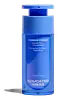
This barrier-repair serum is formulated around Niacinamide and Ceramide NP to strengthen the skin barrier and hydrate skin.
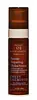
This anti-aging serum is formulated around Resveratrol and Palmitoyl Pentapeptide-4 to soften the look of wrinkles and refine skin texture.

What's inside
What's inside
 Key Ingredients
Benefits
Concerns
Ingredients Side-by-side
Water
Skin ConditioningGlycerin
Humectant


Niacinamide
Smoothing









Caprylic/Capric Triglyceride
Masking
Hydrolyzed Cow Bone Extract
Ceramide NP
Skin Conditioning
Tetrahexyldecyl Ascorbate
Antioxidant

Laminaria Saccharina Extract
Skin ProtectingCholesterol
Emollient
Propanediol
Solvent
Rosa Rubiginosa Seed Oil
Emollient


Camellia Sinensis Leaf Extract
Antimicrobial
Vaccinium Macrocarpon Fruit Extract
AstringentVaccinium Myrtillus Fruit Extract
Skin ConditioningRubus Fruticosus Fruit Extract
AstringentRubus Idaeus Fruit Extract
AstringentSambucus Nigra Fruit Extract
AstringentPyrus Malus Fruit Extract
Skin Conditioning
Euterpe Oleracea Fruit Extract
Emblica Officinalis Fruit Extract
Skin ConditioningPalmitoyl Hexapeptide-52
Skin Conditioning
Palmitoyl Tetrapeptide-50
Skin Conditioning
Heptapeptide-15
Skin Conditioning
Palmitoyl Heptapeptide-18
Skin Conditioning
Palmitoyl Pentapeptide-4
Skin Conditioning
Copper Palmitoyl Heptapeptide-14
Skin Conditioning
Copper Lysinate/Prolinate
Skin ConditioningLactic Acid/Glycolic Acid Copolymer
Skin ConditioningCeramide AP
Skin Conditioning
Phytosphingosine
Skin Conditioning
Colloidal Oatmeal
Absorbent
Sodium Hyaluronate
Humectant
Sodium Hyaluronate Crosspolymer
Humectant
Hydrolyzed Sodium Hyaluronate
Skin Conditioning
Sodium Acetylated Hyaluronate
Humectant
Beta-Glucan
Skin Conditioning
Linolenic Acid
Cleansing

Linoleic Acid
Cleansing
Panthenol
Skin Conditioning
Sodium PCA
Humectant
Sodium Lactate
Buffering
PCA
Humectant
Pentylene Glycol
Skin Conditioning
Arginine
Masking
Aspartic Acid
Masking
Glycine
Buffering
Alanine
Masking
Serine
Masking
Valine
MaskingHistidine
Humectant
Phenylalanine
Masking
Isoleucine
Skin ConditioningProline
Skin Conditioning
Threonine
Thioctic Acid
Antioxidant
Ubiquinone
Antioxidant
Resveratrol
Antioxidant
Tocopheryl Acetate
Antioxidant
Bisabolol
Antioxidant
Allantoin
Skin Conditioning
C12-15 Alkyl Benzoate
AntimicrobialMethylglucoside Phosphate
Skin ConditioningBiosaccharide Gum-1
Humectant
Myristyl Glucoside
CleansingLauryl Glucoside
CleansingPolyglyceryl-6 Laurate
Emulsifying
Hydroxyethyl Acrylate/Sodium Acryloyldimethyl Taurate Copolymer
Emulsion StabilisingHexylene Glycol
EmulsifyingXanthan Gum
EmulsifyingPolyvinyl Alcohol
Trisodium Ethylenediamine Disuccinate
Phenoxyethanol
Preservative
Ethylhexylglycerin
Skin ConditioningCaprylyl Glycol
Emollient
Water, Glycerin, Niacinamide, Caprylic/Capric Triglyceride, Hydrolyzed Cow Bone Extract, Ceramide NP, Tetrahexyldecyl Ascorbate, Laminaria Saccharina Extract, Cholesterol, Propanediol, Rosa Rubiginosa Seed Oil, Camellia Sinensis Leaf Extract, Vaccinium Macrocarpon Fruit Extract, Vaccinium Myrtillus Fruit Extract, Rubus Fruticosus Fruit Extract, Rubus Idaeus Fruit Extract, Sambucus Nigra Fruit Extract, Pyrus Malus Fruit Extract, Euterpe Oleracea Fruit Extract, Emblica Officinalis Fruit Extract, Palmitoyl Hexapeptide-52, Palmitoyl Tetrapeptide-50, Heptapeptide-15, Palmitoyl Heptapeptide-18, Palmitoyl Pentapeptide-4, Copper Palmitoyl Heptapeptide-14, Copper Lysinate/Prolinate, Lactic Acid/Glycolic Acid Copolymer, Ceramide AP, Phytosphingosine, Colloidal Oatmeal, Sodium Hyaluronate, Sodium Hyaluronate Crosspolymer, Hydrolyzed Sodium Hyaluronate, Sodium Acetylated Hyaluronate, Beta-Glucan, Linolenic Acid, Linoleic Acid, Panthenol, Sodium PCA, Sodium Lactate, PCA, Pentylene Glycol, Arginine, Aspartic Acid, Glycine, Alanine, Serine, Valine, Histidine, Phenylalanine, Isoleucine, Proline, Threonine, Thioctic Acid, Ubiquinone, Resveratrol, Tocopheryl Acetate, Bisabolol, Allantoin, C12-15 Alkyl Benzoate, Methylglucoside Phosphate, Biosaccharide Gum-1, Myristyl Glucoside, Lauryl Glucoside, Polyglyceryl-6 Laurate, Hydroxyethyl Acrylate/Sodium Acryloyldimethyl Taurate Copolymer, Hexylene Glycol, Xanthan Gum, Polyvinyl Alcohol, Trisodium Ethylenediamine Disuccinate, Phenoxyethanol, Ethylhexylglycerin, Caprylyl Glycol
Water
Skin ConditioningGlycerin
Humectant
Acetamidoethoxyethanol
Humectant
Propylene Glycol
Humectant
Sodium Acrylates Crosspolymer-2
AbsorbentCyclopentasiloxane
Emollient
Polysorbate 20
Emulsifying
1,2-Hexanediol
Skin Conditioning
Menthyl Lactate
Masking
Resveratrol
Antioxidant
Palmitoyl Pentapeptide-4
Skin Conditioning
Palmitoyl Tetrapeptide-50
Skin Conditioning
Heptapeptide-15 Palmitate
Skin Conditioning
Palmitoyl Hexapeptide-52
Skin Conditioning
Palmitoyl Heptapeptide-18
Skin Conditioning
Diamond Powder
Abrasive
Methylglucoside Phosphate
Skin ConditioningCopper Lysinate/Prolinate
Skin ConditioningSodium Hyaluronate
Humectant
Lactic Acid/Glycolic Acid Copolymer
Skin ConditioningPolyvinyl Alcohol
Xanthan Gum
EmulsifyingDimethicone Crosspolymer
Emulsion Stabilising
Dimethicone
Emollient
Polyacrylate Crosspolymer-6
Emulsion StabilisingHydroxyacetophenone
Antioxidant
Glyceryl Caprylate
EmollientPhenylpropanol
Masking
Phenoxyethanol
Preservative
Caprylyl Glycol
Emollient
Water, Glycerin, Acetamidoethoxyethanol, Propylene Glycol, Sodium Acrylates Crosspolymer-2, Cyclopentasiloxane, Polysorbate 20, 1,2-Hexanediol, Menthyl Lactate, Resveratrol, Palmitoyl Pentapeptide-4, Palmitoyl Tetrapeptide-50, Heptapeptide-15 Palmitate, Palmitoyl Hexapeptide-52, Palmitoyl Heptapeptide-18, Diamond Powder, Methylglucoside Phosphate, Copper Lysinate/Prolinate, Sodium Hyaluronate, Lactic Acid/Glycolic Acid Copolymer, Polyvinyl Alcohol, Xanthan Gum, Dimethicone Crosspolymer, Dimethicone, Polyacrylate Crosspolymer-6, Hydroxyacetophenone, Glyceryl Caprylate, Phenylpropanol, Phenoxyethanol, Caprylyl Glycol
Ingredients Explained
These ingredients are found in both products.
Ingredients higher up in an ingredient list are typically present in a larger amount.
Caprylyl Glycol is a humectant, skin conditioner, emollient, and preservative booster derived from either caprylic acid or synthetically created.
Typical use levels vary from 0.3-1% as a preservative booster and go up to 2% to condition skin.
Because it is not a free-fatty acid, this ingredient is fungal acne safe (there's nothing for Malassezia to feed on).
Learn more about Caprylyl GlycolWe don't have a description for Copper Lysinate/Prolinate yet.
Glycerin (or glycerol) is a compound naturally found in your skin. It's a powerhouse humectant that pulls water into the stratum corneum.
Topically, glycerin does several things at once:
Your skin makes glycerin on its own (mostly from sebaceous oil breakdown) and shuttles it to your outermost layer of skin, or your epidermis, via aquaporin-3.
Aquaporin-3 is a transporter that is essential for normal skin hydration, elasticity, and repair. Interestingly, mice lacking in AQP3 have dry and less elastic skin that can be fully corrected with glycerin.
This ingredient is non-irritating, plays well with almost every ingredient, and works across all skin types. Typical use is anywhere between 3-10% but can go up to 79% in some leave-on products.
Just know very high concentrations (>40%) can feel tacky in low humidity.
Glycerin is the name for this ingredient in American English. British English uses Glycerol/Glycerine.
Learn more about GlycerinThis ingredient is a combination of two AHAs, lactic acid and glycolic acid. It has exfoliating properties
We don't have a description for Methylglucoside Phosphate yet.
Palmitoyl Heptapeptide-18 is a peptide.
Palmitoyl Hexapeptide-52 is a peptide.
You might know this ingredient as Matrixyl. It is a synthetic peptide made up of five amino acids attached to a palmitic acid, a fatty acid that helps it absorb into skin more easily.
As a signal peptide, Matrixyl acts like a little messenger. Once it reaches your skin cells, it tells them to ramp up production of collagen, elastin, and other proteins that keep skin looking firm and smooth.
A 12 week clinical study found that a moisturizer containing just 3 ppm of Matrixyl led to a significant improvement in fine-lines and wrinkles. Another study showed an 18% reduction in wrinkle depth, 37% reduction in wrinkle thickness, and a 21% improvement in skin firmness after just 28 days of twice-daily use.
The coolest part is that it works at incredibly low concentrations (like 0.0003%) and it plays well with other actives.
The CIR (Cosmetic Ingredient Review) panel found it to be non-sensitizing across multiple tests and human patch tests also showed no irritation or sensitization.
Fun fact: Matrixyl was originally developed by French company Sederma and Procter & Gamble.
Read more about other common types of peptides here:
Learn more about Palmitoyl Pentapeptide-4Palmitoyl Tetrapeptide-50 is a peptide.
Phenoxyethanol is one of the most widely used preservatives in skincare (and for good reason!).
It has a large spectrum of antimicrobial activity and especially effective bacteria, yeast, and mold while only having a weak effect on your skin's natural microbiome.
On a cellular level, it disrupts the cell membranes of microbes by poking holes that make the cell leak. This shuts down the chemical reactions the microbe needs to make energy so it can no longer survive.
Another perk of this ingredient is that it stays functional across a wide pH range (3-10).
You'll often see it paired with boosters like Ethylhexylglycerin; one study showed that a 1:9 ratio of Ethylhexylglycerin to Phenoxyethanol damages bacterial membranes as effectively as doubling the Phenoxyethanol concentration on its own.
Typical use concentrations range from 0.3-1% depending on the formula, and this ingredient is capped at 1% int the EU.
Safety-wise, the fear mongering does not hold up to the evidence. The EU's Scientific Committee on Consumer Safety and FDA consider it safe as a preservative at up to 1%, including for children of all ages.
Adverse systemic effects only showed up in animal studies at exposures roughly 200x higher than what people get from cosmetics. And despite its very widespread use, this ingredient is a rare sensitizer and allergic reactions are uncommon.
Learn more about PhenoxyethanolWe don't have a description for Polyvinyl Alcohol yet.
Resveratrol is a well-studied polyphenol antioxidant that has gained attention in skincare for its protective and calming effects on the skin. It’s often considered a gentler option for people who can’t tolerate retinoids.
This antioxidant is best known for its anti-aging benefits. Research suggests resveratrol helps combat visible signs of aging by:
Beyond anti-aging, resveratrol is also valued for its skin-brightening and soothing properties.
Some forms of resveratrol appear to be more effective than others. Resveratrol isobutyrate and resveratrol butyrate are often cited as more stable derivatives.
Research also suggests these two forms have stronger effects on Type I collagen stimulation and inflammation reduction compared to basic resveratrol.
Resveratrol is naturally unstable and can degrade when exposed to light and oxygen. Well-designed products often use stabilized derivatives, airless or opaque packaging, and supporting antioxidants to help maintain effectiveness on skin.
A note on resveratrol as a retinoid alternative:
While resveratrol offers antioxidant protection, inflammation control, and some collagen-supporting benefits, it does not replace retinoids in terms of cell turnover or acne treatment.
However, it can be a useful option for people with retinoid sensitivity or intolerance, or for those looking to support skin health without irritation.
Fun fact: Resveratrol is naturally found in grapes, peanuts, and berries, which is why it’s frequently associated with wine and grape-derived skincare ingredients.
Learn more about ResveratrolSodium Hyaluronate is the salt form of hyaluronic acid. It is a long sugar chain that is naturally found in your skin, joints, and connective tissue that maintains hydration and elasticity.
In skincare, it works as a humectant. It pulls water from the environment and deeper layers of skin and binds it to the surface.
Interestingly, the size of the molecule affects its behavior:
Some clinical evidence links low molecular weight versions to improved wrinkle depth, elasticity, anti-inflammatory effects, and barrier repair.
Many serums use a blend of both weights so you can get surface hydration plus longer-lasting and deeper effects.
You'll typically see concentrations between 0.1-2% for this ingredient.
Learn more about Sodium HyaluronateWater. It's the most common cosmetic ingredient of all. You'll usually see it at the top of ingredient lists, meaning that it makes up the largest part of the product.
So why is it so popular? Water most often acts as a solvent - this means that it helps dissolve other ingredients into the formulation.
You'll also recognize water as that liquid we all need to stay alive. If you see this, drink a glass of water. Remember to stay hydrated!
Learn more about WaterXanthan gum is used as a stabilizer and thickener within cosmetic products. It helps give products a sticky, thick feeling - preventing them from being too runny.
On the technical side of things, xanthan gum is a polysaccharide - a combination consisting of multiple sugar molecules bonded together.
Xanthan gum is a pretty common and great ingredient. It is a natural, non-toxic, non-irritating ingredient that is also commonly used in food products.
Learn more about Xanthan Gum

