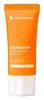
This brightening moisturizer is formulated around Epigallocatechin Gallatyl Glucoside and Bisabolol to brighten dull-looking skin and hydrate skin.
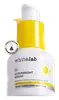
This brightening serum is formulated around Niacinamide and Tranexamic Acid to fade the look of dark spots and brighten dull-looking skin.

What's inside
What's inside
 Key Ingredients
Benefits
Concerns
No concerns
Ingredients Side-by-side
Oryza Sativa Bran Water
Masking
Water
Skin ConditioningGlycerin
Humectant


Methyl Gluceth-20
Humectant
1,2-Hexanediol
Skin Conditioning
Propanediol
Solvent
Cetyl Ethylhexanoate
EmollientPentylene Glycol
Skin Conditioning
Xylitylglucoside
Humectant
Epigallocatechin Gallatyl Glucoside
Antioxidant


Adenosine
Skin Conditioning
Bisabolol
Antioxidant
Ascorbyl Glucoside
Antioxidant

Anhydroxylitol
Humectant
Xylitol
Humectant
Tremella Fuciformis Extract
Humectant
Cyanocobalamin
Skin ConditioningGlycyrrhiza Uralensis Root Extract
Skin Conditioning
Panthenol
Skin Conditioning
Theobroma Cacao Extract
Skin ConditioningSolanum Lycopersicum Fruit Extract
Antioxidant
Yeast Extract
Skin ConditioningMagnesium Chloride
Calcium Gluconate
HumectantPyridoxine Hcl
Skin ConditioningHydrogenated Lecithin
Emulsifying
Hydroxyethyl Acrylate/Sodium Acryloyldimethyl Taurate Copolymer
Emulsion StabilisingGlyceryl Acrylate/Acrylic Acid Copolymer
HumectantHydroxyacetophenone
Antioxidant
Acrylates/C10-30 Alkyl Acrylate Crosspolymer
Emulsion StabilisingTromethamine
BufferingXanthan Gum
EmulsifyingTocopheryl Acetate
Antioxidant
Sodium Dilauramidoglutamide Lysine
HumectantEthylhexylglycerin
Skin ConditioningButylene Glycol
Humectant
Sodium Phytate
ChelatingEthyl Hexanediol
SolventDextrin
AbsorbentOryza Sativa Bran Water, Water, Glycerin, Methyl Gluceth-20, 1,2-Hexanediol, Propanediol, Cetyl Ethylhexanoate, Pentylene Glycol, Xylitylglucoside, Epigallocatechin Gallatyl Glucoside, Adenosine, Bisabolol, Ascorbyl Glucoside, Anhydroxylitol, Xylitol, Tremella Fuciformis Extract, Cyanocobalamin, Glycyrrhiza Uralensis Root Extract, Panthenol, Theobroma Cacao Extract, Solanum Lycopersicum Fruit Extract, Yeast Extract, Magnesium Chloride, Calcium Gluconate, Pyridoxine Hcl, Hydrogenated Lecithin, Hydroxyethyl Acrylate/Sodium Acryloyldimethyl Taurate Copolymer, Glyceryl Acrylate/Acrylic Acid Copolymer, Hydroxyacetophenone, Acrylates/C10-30 Alkyl Acrylate Crosspolymer, Tromethamine, Xanthan Gum, Tocopheryl Acetate, Sodium Dilauramidoglutamide Lysine, Ethylhexylglycerin, Butylene Glycol, Sodium Phytate, Ethyl Hexanediol, Dextrin
Water
Skin ConditioningNiacinamide
Smoothing





Methylpropanediol
SolventGlycerin
Humectant
Diglycerin
Humectant
Tranexamic Acid
Astringent
Pentylene Glycol
Skin Conditioning
Centella Asiatica Extract
Cleansing
Hexylresorcinol
Antimicrobial
Panthenol
Skin Conditioning
Dipotassium Glycyrrhizate
Humectant
Polyglyceryl-10 Laurate
Skin Conditioning

Xanthan Gum
EmulsifyingAllantoin
Skin Conditioning
Glycine Soja Oil
Emollient



Soluble Collagen
Humectant
Laminaria Digitata Extract
Skin Protecting
Hydrolyzed Yeast Protein
Skin ConditioningSodium Hyaluronate
Humectant
Ceramide AP
Skin Conditioning
Ceramide As
Skin Conditioning
Ceramide EOP
Skin Conditioning
Ceramide NP
Skin Conditioning
Ceramide Ns
Skin Conditioning
Cetyl-Pg Hydroxyethyl Palmitamide
Skin ConditioningCholesterol
Emollient
Tocopherol
Antioxidant
Hyaluronic Acid
Humectant
Hydrolyzed Hyaluronic Acid
Humectant
Hydrolyzed Sodium Hyaluronate
Skin Conditioning
Hydroxypropyltrimonium Hyaluronate
Potassium Hyaluronate
Skin ConditioningSodium Acetylated Hyaluronate
Humectant
Sodium Hyaluronate Crosspolymer
Humectant
Ascorbyl Propyl Hyaluronate
Skin Conditioning
Dimethylsilanol Hyaluronate
Humectant
Phenoxyethanol
Preservative
PEG-40 Hydrogenated Castor Oil
Emulsifying
Carbomer
Emulsion StabilisingCitric Acid
Buffering
Sodium Bisulfite
Antioxidant
Tetrasodium EDTA
ChelatingTriethanolamine
Buffering1,2-Hexanediol
Skin Conditioning
Ethylhexylglycerin
Skin ConditioningParfum
Masking

Sodium Benzoate
Masking
Water, Niacinamide, Methylpropanediol, Glycerin, Diglycerin, Tranexamic Acid, Pentylene Glycol, Centella Asiatica Extract, Hexylresorcinol, Panthenol, Dipotassium Glycyrrhizate, Polyglyceryl-10 Laurate, Xanthan Gum, Allantoin, Glycine Soja Oil, Soluble Collagen, Laminaria Digitata Extract, Hydrolyzed Yeast Protein, Sodium Hyaluronate, Ceramide AP, Ceramide As, Ceramide EOP, Ceramide NP, Ceramide Ns, Cetyl-Pg Hydroxyethyl Palmitamide, Cholesterol, Tocopherol, Hyaluronic Acid, Hydrolyzed Hyaluronic Acid, Hydrolyzed Sodium Hyaluronate, Hydroxypropyltrimonium Hyaluronate, Potassium Hyaluronate, Sodium Acetylated Hyaluronate, Sodium Hyaluronate Crosspolymer, Ascorbyl Propyl Hyaluronate, Dimethylsilanol Hyaluronate, Phenoxyethanol, PEG-40 Hydrogenated Castor Oil, Carbomer, Citric Acid, Sodium Bisulfite, Tetrasodium EDTA, Triethanolamine, 1,2-Hexanediol, Ethylhexylglycerin, Parfum, Sodium Benzoate
Ingredients Explained
These ingredients are found in both products.
Ingredients higher up in an ingredient list are typically present in a larger amount.
1,2-Hexanediol is a synthetic liquid and another multi-functional powerhouse.
It is a:
- Humectant, drawing moisture into the skin
- Emollient, helping to soften skin
- Solvent, dispersing and stabilizing formulas
- Preservative booster, enhancing the antimicrobial activity of other preservatives
Ethylhexylglycerin is created from glycerin. It is a multitasker ingredient that:
The CIR Expert Panel found minimal skin absorption or sensitization of any kind in a safety assessment. Though this ingredient is considered well-tolerated, a small number of cases of allergic dermatitis have been published since 2002. Just be sure to patch test if you are unsure.
Industry-reported use ranges from 8% in rinse-off products and 2% in leave-on formulations.
Learn more about EthylhexylglycerinGlycerin (or glycerol) is a compound naturally found in your skin. It's a powerhouse humectant that pulls water into the stratum corneum.
Topically, glycerin does several things at once:
Your skin makes glycerin on its own (mostly from sebaceous oil breakdown) and shuttles it to your outermost layer of skin, or your epidermis, via aquaporin-3.
Aquaporin-3 is a transporter that is essential for normal skin hydration, elasticity, and repair. Interestingly, mice lacking in AQP3 have dry and less elastic skin that can be fully corrected with glycerin.
This ingredient is non-irritating, plays well with almost every ingredient, and works across all skin types. Typical use is anywhere between 3-10% but can go up to 79% in some leave-on products.
Just know very high concentrations (>40%) can feel tacky in low humidity.
Glycerin is the name for this ingredient in American English. British English uses Glycerol/Glycerine.
Learn more about GlycerinPanthenol is a common ingredient that helps hydrate and soothe the skin. It is found naturally in our skin and hair.
There are two forms of panthenol: D and L.
D-panthenol is also known as dexpanthenol. Most cosmetics use dexpanthenol or a mixture of D and L-panthenol.
Panthenol is famous due to its ability to go deeper into the skin's layers. Using this ingredient has numerous pros (and no cons):
Like hyaluronic acid, panthenol is a humectant. Humectants are able to bind and hold large amounts of water to keep skin hydrated.
This ingredient works well for wound healing. It works by increasing tissue in the wound and helps close open wounds.
Once oxidized, panthenol converts to pantothenic acid. Panthothenic acid is found in all living cells.
This ingredient is also referred to as pro-vitamin B5.
Learn more about PanthenolPentylene Glycol (1,2-pentanediol) is a multitasking little diol with three main roles in a formula:
Research on alkanediols (the family pentylene glycol belongs to) show they work by disrupting microbial cell membranes. This disruption helps the primary preservative system in a product work more effectively at lower doses.
On the safety side, the Cosmetic Ingredient Review Expert Panel has concluded this ingredient to be safe as used in current cosmetic practices + concentrations.
Typical use levels in a formula run about 1-5%.
Learn more about Pentylene GlycolWater. It's the most common cosmetic ingredient of all. You'll usually see it at the top of ingredient lists, meaning that it makes up the largest part of the product.
So why is it so popular? Water most often acts as a solvent - this means that it helps dissolve other ingredients into the formulation.
You'll also recognize water as that liquid we all need to stay alive. If you see this, drink a glass of water. Remember to stay hydrated!
Learn more about WaterXanthan gum is used as a stabilizer and thickener within cosmetic products. It helps give products a sticky, thick feeling - preventing them from being too runny.
On the technical side of things, xanthan gum is a polysaccharide - a combination consisting of multiple sugar molecules bonded together.
Xanthan gum is a pretty common and great ingredient. It is a natural, non-toxic, non-irritating ingredient that is also commonly used in food products.
Learn more about Xanthan Gum

