Somethinc Skinglow Bright Radiance Moisturizer Versus Embryolisse HydraCream Light Hyaluronic Acid Moisturising Cream
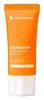
This brightening moisturizer is formulated around Epigallocatechin Gallatyl Glucoside and Bisabolol to brighten dull-looking skin and hydrate skin.
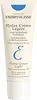
This barrier-repair moisturizer is formulated around Sodium Hyaluronate to strengthen the skin barrier and hydrate skin.


What's inside
What's inside
 Key Ingredients
Benefits
Concerns
No concerns
Ingredients Side-by-side
Oryza Sativa Bran Water
Masking
Water
Skin ConditioningGlycerin
Humectant


Methyl Gluceth-20
Humectant
1,2-Hexanediol
Skin Conditioning
Propanediol
Solvent
Cetyl Ethylhexanoate
EmollientPentylene Glycol
Skin Conditioning
Xylitylglucoside
Humectant
Epigallocatechin Gallatyl Glucoside
Antioxidant


Adenosine
Skin Conditioning
Bisabolol
Antioxidant
Ascorbyl Glucoside
Antioxidant

Anhydroxylitol
Humectant
Xylitol
Humectant
Tremella Fuciformis Extract
Humectant
Cyanocobalamin
Skin ConditioningGlycyrrhiza Uralensis Root Extract
Skin Conditioning
Panthenol
Skin Conditioning
Theobroma Cacao Extract
Skin ConditioningSolanum Lycopersicum Fruit Extract
Antioxidant
Yeast Extract
Skin ConditioningMagnesium Chloride
Calcium Gluconate
HumectantPyridoxine Hcl
Skin ConditioningHydrogenated Lecithin
Emulsifying
Hydroxyethyl Acrylate/Sodium Acryloyldimethyl Taurate Copolymer
Emulsion StabilisingGlyceryl Acrylate/Acrylic Acid Copolymer
HumectantHydroxyacetophenone
Antioxidant
Acrylates/C10-30 Alkyl Acrylate Crosspolymer
Emulsion StabilisingTromethamine
BufferingXanthan Gum
EmulsifyingTocopheryl Acetate
Antioxidant
Sodium Dilauramidoglutamide Lysine
HumectantEthylhexylglycerin
Skin ConditioningButylene Glycol
Humectant
Sodium Phytate
ChelatingEthyl Hexanediol
SolventDextrin
AbsorbentOryza Sativa Bran Water, Water, Glycerin, Methyl Gluceth-20, 1,2-Hexanediol, Propanediol, Cetyl Ethylhexanoate, Pentylene Glycol, Xylitylglucoside, Epigallocatechin Gallatyl Glucoside, Adenosine, Bisabolol, Ascorbyl Glucoside, Anhydroxylitol, Xylitol, Tremella Fuciformis Extract, Cyanocobalamin, Glycyrrhiza Uralensis Root Extract, Panthenol, Theobroma Cacao Extract, Solanum Lycopersicum Fruit Extract, Yeast Extract, Magnesium Chloride, Calcium Gluconate, Pyridoxine Hcl, Hydrogenated Lecithin, Hydroxyethyl Acrylate/Sodium Acryloyldimethyl Taurate Copolymer, Glyceryl Acrylate/Acrylic Acid Copolymer, Hydroxyacetophenone, Acrylates/C10-30 Alkyl Acrylate Crosspolymer, Tromethamine, Xanthan Gum, Tocopheryl Acetate, Sodium Dilauramidoglutamide Lysine, Ethylhexylglycerin, Butylene Glycol, Sodium Phytate, Ethyl Hexanediol, Dextrin
Water
Skin ConditioningGlycerin
Humectant
Caprylic/Capric Triglyceride
Masking
Tribehenin PEG-20 Esters
EmollientIsononyl Isononanoate
EmollientMyristyl Lactate
Emollient




Sodium Hyaluronate
Humectant
Nymphaea Alba Flower Extract
Skin ConditioningAcrylates/C10-30 Alkyl Acrylate Crosspolymer
Emulsion StabilisingPropanediol
Solvent
Xanthan Gum
EmulsifyingCaprylyl Glycol
Emollient
Sodium Benzoate
Masking
Sodium Hydroxide
BufferingParfum
Masking

Limonene
Perfuming
Water, Glycerin, Caprylic/Capric Triglyceride, Tribehenin PEG-20 Esters, Isononyl Isononanoate, Myristyl Lactate, Sodium Hyaluronate, Nymphaea Alba Flower Extract, Acrylates/C10-30 Alkyl Acrylate Crosspolymer, Propanediol, Xanthan Gum, Caprylyl Glycol, Sodium Benzoate, Sodium Hydroxide, Parfum, Limonene
Reviews
Ingredients Explained
These ingredients are found in both products.
Ingredients higher up in an ingredient list are typically present in a larger amount.
Acrylates/C10-30 Alkyl Acrylate Crosspolymer is a synthetic polymer. It is used to thicken, emulsify, and improve the texture of products.
As an emulsifier, it helps stabilize oil-in-water emulsions to give products an elegant feel when applied.
It can also form a thin protective film on skin. One study found that a formula using this polymer helped slow down how quickly other ingredients (like DEET) were absorbed through skin.
A 2024 study of over 1,300 patients confirmed that sensitization to this ingredient is rare. It is also non-mutagenic and has a clean track record.
Learn more about Acrylates/C10-30 Alkyl Acrylate CrosspolymerGlycerin (or glycerol) is a compound naturally found in your skin. It's a powerhouse humectant that pulls water into the stratum corneum.
Topically, glycerin does several things at once:
Your skin makes glycerin on its own (mostly from sebaceous oil breakdown) and shuttles it to your outermost layer of skin, or your epidermis, via aquaporin-3.
Aquaporin-3 is a transporter that is essential for normal skin hydration, elasticity, and repair. Interestingly, mice lacking in AQP3 have dry and less elastic skin that can be fully corrected with glycerin.
This ingredient is non-irritating, plays well with almost every ingredient, and works across all skin types. Typical use is anywhere between 3-10% but can go up to 79% in some leave-on products.
Just know very high concentrations (>40%) can feel tacky in low humidity.
Glycerin is the name for this ingredient in American English. British English uses Glycerol/Glycerine.
Learn more about GlycerinPropanediol is an all-star ingredient. It softens, hydrates, and smooths the skin.
It’s often used to:
Propanediol is not likely to cause sensitivity and considered safe to use. It is derived from corn or petroleum with a clear color and no scent.
Learn more about PropanediolWater. It's the most common cosmetic ingredient of all. You'll usually see it at the top of ingredient lists, meaning that it makes up the largest part of the product.
So why is it so popular? Water most often acts as a solvent - this means that it helps dissolve other ingredients into the formulation.
You'll also recognize water as that liquid we all need to stay alive. If you see this, drink a glass of water. Remember to stay hydrated!
Learn more about WaterXanthan gum is used as a stabilizer and thickener within cosmetic products. It helps give products a sticky, thick feeling - preventing them from being too runny.
On the technical side of things, xanthan gum is a polysaccharide - a combination consisting of multiple sugar molecules bonded together.
Xanthan gum is a pretty common and great ingredient. It is a natural, non-toxic, non-irritating ingredient that is also commonly used in food products.
Learn more about Xanthan Gum

