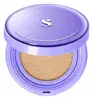
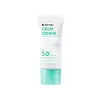
Somethinc Coverblur Pro Filter Breathable Cushion SPF 40 Versus Somethinc Calm Down 100% Mineral Soothing Sunscreen SPF 50+ PA++++
This mineral sunscreen covers the full UV range and blocks ~98% of UVB at SPF 50.

What's inside
What's inside
 Key Ingredients
Benefits
Concerns
Ingredients Side-by-side
Water
Skin ConditioningTitanium Dioxide
Cosmetic Colorant

Cyclopentasiloxane
Emollient
Dimethicone
Emollient
Trimethylsiloxysilicate
Emollient
Isododecane
EmollientPropanediol
Solvent

Octyldodecanol
Emollient
Diphenylsiloxy Phenyl Trimethicone
Skin Conditioning
Niacinamide
Smoothing









PEG-10 Dimethicone
Skin Conditioning
Polyglyceryl-3 Polydimethylsiloxyethyl Dimethicone
Skin Conditioning
PEG/PPG-18/18 Dimethicone
Emulsifying
1,2-Hexanediol
Skin Conditioning
Magnesium Sulfate
Polyglyceryl-4 Isostearate
Emulsifying

Methylpropanediol
SolventAluminum Hydroxide
EmollientDisteardimonium Hectorite
StabilisingStearalkonium Hectorite
Gel FormingPolyhydroxystearic Acid
Emulsifying
Lauric Acid
Cleansing


Triethoxycaprylylsilane
Stearic Acid
Cleansing
Alumina
Abrasive
Potassium Sorbate
Preservative
Isopropyl Titanium Triisostearate
Emollient
Lauryl Alcohol Diphosphonic Acid
Emulsion StabilisingAdenosine
Skin Conditioning
Parfum
Masking


Neopentyl Glycol Diethylhexanoate
Emollient
Trisodium Ethylenediamine Disuccinate
ChelatingCeramide NP
Skin Conditioning
Sodium Hyaluronate
Humectant
Tocopherol
Antioxidant

Butylene Glycol
Humectant
Copper Tripeptide-1
Skin Conditioning
Acetyl Hexapeptide-8
Humectant
Water, Titanium Dioxide, Cyclopentasiloxane, Dimethicone, Trimethylsiloxysilicate, Isododecane, Propanediol, Octyldodecanol, Diphenylsiloxy Phenyl Trimethicone, Niacinamide, PEG-10 Dimethicone, Polyglyceryl-3 Polydimethylsiloxyethyl Dimethicone, PEG/PPG-18/18 Dimethicone, 1,2-Hexanediol, Magnesium Sulfate, Polyglyceryl-4 Isostearate, Methylpropanediol, Aluminum Hydroxide, Disteardimonium Hectorite, Stearalkonium Hectorite, Polyhydroxystearic Acid, Lauric Acid, Triethoxycaprylylsilane, Stearic Acid, Alumina, Potassium Sorbate, Isopropyl Titanium Triisostearate, Lauryl Alcohol Diphosphonic Acid, Adenosine, Parfum, Neopentyl Glycol Diethylhexanoate, Trisodium Ethylenediamine Disuccinate, Ceramide NP, Sodium Hyaluronate, Tocopherol, Butylene Glycol, Copper Tripeptide-1, Acetyl Hexapeptide-8
Water
Skin ConditioningZinc Oxide
Cosmetic Colorant
Cyclohexasiloxane
Emollient
Propanediol
Solvent
Dicaprylyl Carbonate
EmollientPropylheptyl Caprylate
EmollientDisiloxane
Skin Conditioning
Silica
Abrasive
Vinyldimethicone
Pentylene Glycol
Skin Conditioning
Trimethylsiloxysilicate
Emollient
Lauryl Polyglyceryl-3 Polydimethylsiloxyethyl Dimethicone
Skin Conditioning
Glyceryl Glucoside
Humectant
1,2-Hexanediol
Skin Conditioning
Methyl Methacrylate Crosspolymer
Acrylates Copolymer
Osmanthus Fragrans Flower Extract
MaskingAllantoin
Skin Conditioning
Tremella Fuciformis Extract
Humectant
Tocopherol
Antioxidant
Caesalpinia Spinosa Fruit Extract
Skin ProtectingHelianthus Annuus Sprout Extract
Skin ConditioningPanthenol
Skin Conditioning
Calcium Gluconate
HumectantPyridoxine Hcl
Skin ConditioningYeast Extract
Skin ConditioningCyanocobalamin
Skin ConditioningPolyglyceryl-2 Dipolyhydroxystearate
Skin Conditioning
Magnesium Sulfate
Glycerin
Humectant
Isododecane
EmollientTriethoxycaprylylsilane
Acrylates/Polytrimethylsiloxymethacrylate Copolymer
Skin ConditioningPolyhydroxystearic Acid
Emulsifying
Hydroxyacetophenone
Antioxidant
Polyglyceryl-4 Diisostearate/Polyhydroxystearate/Sebacate
Emulsifying
Disteardimonium Hectorite
StabilisingLecithin
Emollient
Dimethicone
Emollient
Ethylhexyl Palmitate
Emollient
Isostearic Acid
Cleansing
Isopropyl Myristate
Emollient
Dipotassium Glycyrrhizate
Humectant
Polyglyceryl-3 Polyricinoleate
Emulsifying
Octyldodecanol
Emollient
Propylene Glycol
Humectant
Sodium Benzoate
Masking
Polyglyceryl-4 Isostearate
Emulsifying
Ascorbyl Glucoside
Antioxidant
Isopropyl Titanium Triisostearate
Emollient
Phenoxyethanol
Preservative
Citric Acid
Buffering
Ethylhexylglycerin
Skin ConditioningMagnesium Chloride
CI 77491
Cosmetic ColorantCI 77492
Cosmetic ColorantWater, Zinc Oxide, Cyclohexasiloxane, Propanediol, Dicaprylyl Carbonate, Propylheptyl Caprylate, Disiloxane, Silica, Vinyldimethicone, Pentylene Glycol, Trimethylsiloxysilicate, Lauryl Polyglyceryl-3 Polydimethylsiloxyethyl Dimethicone, Glyceryl Glucoside, 1,2-Hexanediol, Methyl Methacrylate Crosspolymer, Acrylates Copolymer, Osmanthus Fragrans Flower Extract, Allantoin, Tremella Fuciformis Extract, Tocopherol, Caesalpinia Spinosa Fruit Extract, Helianthus Annuus Sprout Extract, Panthenol, Calcium Gluconate, Pyridoxine Hcl, Yeast Extract, Cyanocobalamin, Polyglyceryl-2 Dipolyhydroxystearate, Magnesium Sulfate, Glycerin, Isododecane, Triethoxycaprylylsilane, Acrylates/Polytrimethylsiloxymethacrylate Copolymer, Polyhydroxystearic Acid, Hydroxyacetophenone, Polyglyceryl-4 Diisostearate/Polyhydroxystearate/Sebacate, Disteardimonium Hectorite, Lecithin, Dimethicone, Ethylhexyl Palmitate, Isostearic Acid, Isopropyl Myristate, Dipotassium Glycyrrhizate, Polyglyceryl-3 Polyricinoleate, Octyldodecanol, Propylene Glycol, Sodium Benzoate, Polyglyceryl-4 Isostearate, Ascorbyl Glucoside, Isopropyl Titanium Triisostearate, Phenoxyethanol, Citric Acid, Ethylhexylglycerin, Magnesium Chloride, CI 77491, CI 77492
Ingredients Explained
These ingredients are found in both products.
Ingredients higher up in an ingredient list are typically present in a larger amount.
1,2-Hexanediol is a synthetic liquid and another multi-functional powerhouse.
It is a:
- Humectant, drawing moisture into the skin
- Emollient, helping to soften skin
- Solvent, dispersing and stabilizing formulas
- Preservative booster, enhancing the antimicrobial activity of other preservatives
Dimethicone is a type of synthetic silicone created from natural materials such as quartz. It is also known as polydimethylsiloxane.
What it does:
Dimethicone comes in different viscosities:
Depending on the viscosity, dimethicone has different properties.
Ingredients lists don't always show which type is used, so we recommend reaching out to the brand if you have questions about the viscosity.
This ingredient is unlikely to cause irritation because it does not get absorbed into skin. However, people with silicone allergies should be careful about using this ingredient.
Note: Dimethicone may contribute to pilling. This is because it is not oil or water soluble, so pilling may occur when layered with products. When mixed with heavy oils in a formula, the outcome is also quite greasy.
Learn more about DimethiconeDisteardimonium Hectorite comes from the clay mineral named hectorite. It is used to add thickness to a product.
It can also help stabilize a product by helping to disperse other ingredients.
Hectorite is a rare, white clay mineral.
Learn more about Disteardimonium HectoriteIsododecane is a fragrance, emollient, and solvent.
As an emollient, it helps your skin stay soft and hydrated. Emollients help trap moisture into your skin.
Isododecane's role as a solvent makes it a great texture enhancer. It spreads smoothly on skin and does not leave a sticky feeling behind. Isododecane also helps prevent color transfer in makeup products.
Isododecane is not absorbed into skin.
The chemical name for this ingredient is 2,2,4,6,6-PENTAMETHYLHEPTANE.
Learn more about IsododecaneThis ingredient is an synthetic emollient, emulsifier, and used as a surface treatment for pigment particles (like iron oxides or titanium dioxide).
The “triisostearate” part of this ingredient is an ester derived from isostearic acid, a long-chain fatty acid.
It "wraps" these ingredients in a form of slippery jacket so they disperse more evenly in oils, glide better on skin, and stick longer without smudging.
Human repeat insult patch tests on foundations containing this ingredient found no sensitization concerns.
Since isostearic acid is a C18 fatty acid, it falls within the carbon chain length that Malassezia can potentially metabolize. This is why this ingredient may not be fungal acne safe.
Learn more about Isopropyl Titanium TriisostearateMagnesium Sulfate is a salt. More specifically, it is an epsom salt, or the bath salt used to help relieve muscle aches.
Despite having ‘sulfate’ in the name, it isn’t a surfactant or cleansing agent like sodium lauryl sulfate. Unlike those sulfates, magnesium sulfate doesn’t have the same cleansing or foaming properties (it's simply a type of salt).
In cosmetics, Magnesium Sulfate is used to thicken a product or help dilute other solids. It is a non-reactive and non-irritating ingredient.
One study shows magnesium deficiency may lead to inflammation of the skin. Applying magnesium topically may help reduce inflammation.
You can find this ingredient in sea water or mineral deposits.
Learn more about Magnesium SulfateOctyldodecanol is a fatty alcohol sourced from plant oils like coconut or palm (or made synthetically).
It is:
You'll likely see this in many BHA products because this is the go-to solvent for salicylic acid.
This ingredient is typically used at levels between 2-20%.
Regarding fungal acne:
In 2019, this ingredient was tested against multiple Malassezia species (the yeast that causes fungal acne) and showed no growth.
Polyglyceryl-4 Isostearate is a plant-derived, PEG-free emulsifier.
It's made by hooking isostearic acid onto a chain of glycerin units to give it a water-loving "head" and oil-loving "tail". This allows it to keep the oil and water mixed in a formula.
The highest reported concentration is about 24% in eye makeup but most suppliers recommend a level below 10%.
It has a clean track record for safety and found to be non-irritating.
Because it is an ester of a C18 fatty acid, Malassezia can potentially metabolize it (it sits in the C11-24 range that Malassezia likes). Therefore, this ingredient may not be fungal acne safe.
Learn more about Polyglyceryl-4 IsostearatePolyhydroxystearic Acid is a vegetable-derived soft wax made from castor oil. It's an emulsion stabilizer, thickener, and film former.
You'll likely see it in sunscreens because it helps disperse pigments and UV-reflecting minerals like titanium dioxide and zinc oxide evenly.
Depending on the concentration, it can drastically change the texture of a product from pasty solid (like lipstick) to sprayable liquid.
The CIR Expert Panel for Cosmetic Ingredient Safety has concluded this ingredient to be safe in cosmetics. The highest reported use concentration is 14.2% in lipsticks.
Learn more about Polyhydroxystearic AcidPropanediol is an all-star ingredient. It softens, hydrates, and smooths the skin.
It’s often used to:
Propanediol is not likely to cause sensitivity and considered safe to use. It is derived from corn or petroleum with a clear color and no scent.
Learn more about PropanediolTocopherol is a fat-soluble antioxidant known as Vitamin E.
You'll find this ingredient in the vast majority of skincare (for good reason). It works to neutralize free radicals, or unstable molecules generated by UV exposure, pollution, and other environmental stressors, before they can cause oxidative damage to your skin cells.
Topically applied tocopherol has been shown to protect against UV damage by ramping up the skin's own natural defense enzymes.
It also acts as a skin conditioning agent; some studies show that regular topical use can improve the skin's water-binding capacity over 2-4 weeks.
This ingredient is especially loved for being a team player. When combined with Vitamin C, the photoprotective effect of both ingredients roughly doubles and the combo also helps reduce UV-induced DNA damage.
This ingredient has some brightening potential but it's more of a prevention ingredient than spot-fader. Cell studies show it can slow down melanin production but it's worth noting that it's not the most powerful brightener out there.
In formulations, it also serves as a stabilizer that helps protect other oxidation-prone ingredients from degrading.
Concentrations usually range from 0.1-1% in most leave-on products.
Learn more about TocopherolTriethoxycaprylylsilane is a silicon-based surface modifier that makes sunscreens feel silky and makeup stay put.
Its main job is to coat mineral particles like titanium dioxide, zinc oxide, and color pigments in a thin, oily layer so they spread smoothly, don't clump, and stick to skin better.
This ingredient is typically used at low levels (up to 2.5% in eyeshadow and 1% in lipstick).
Learn more about TriethoxycaprylylsilaneThis silicone is an emollient. Emollients create a thin film on the skin to prevent moisture from escaping.
It is not soluble in water and helps increase water-resistance in products.
According to a manufacturer, it can blend seamlessly with silicone oils, such as Cyclopentasiloxane.
Learn more about TrimethylsiloxysilicateWater. It's the most common cosmetic ingredient of all. You'll usually see it at the top of ingredient lists, meaning that it makes up the largest part of the product.
So why is it so popular? Water most often acts as a solvent - this means that it helps dissolve other ingredients into the formulation.
You'll also recognize water as that liquid we all need to stay alive. If you see this, drink a glass of water. Remember to stay hydrated!
Learn more about Water

