
What's inside
What's inside
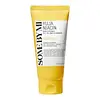 Key Ingredients
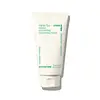
Benefits
Concerns
Ingredients Side-by-side
Water
Skin ConditioningSodium C14-16 Olefin Sulfonate
Cleansing
Citrus Junos Fruit Extract 11%
Skin ConditioningCocamidopropyl Betaine
Cleansing

Acrylates Copolymer
1,2-Hexanediol
Skin Conditioning
Gluconolactone
Skin Conditioning





Tetradecene
EmollientSodium Chloride
Masking

Glycerin
Humectant
Hexadecene
SolventSaccharide Isomerate
Humectant
Caprylyl Glycol
Emollient
Xanthan Gum
EmulsifyingSodium Citrate
BufferingCitric Acid
Buffering

Niacinamide
Smoothing




Propanediol
Solvent
Sodium Hyaluronate
Humectant
3-O-Ethyl Ascorbic Acid
Skin Conditioning
Succinic Acid
BufferingHydrolyzed Hyaluronic Acid
Humectant
Sodium Hyaluronate Crosspolymer
Humectant
Eriobotrya Japonica Leaf Extract
Skin ConditioningHydrogenated Lecithin
Emulsifying
Hydrolyzed Glycosaminoglycans
HumectantPolyglyceryl-10 Stearate
Skin Conditioning
Panthenol
Skin Conditioning
Mentha Viridis Extract
MaskingSodium Acetylated Hyaluronate
Humectant
Benzyl Glycol
SolventSodium Ascorbyl Phosphate
Antioxidant
Ethylhexylglycerin
Skin ConditioningBiotin
AntiseborrhoeicPyridoxine
Skin ConditioningFolic Acid
Skin Conditioning
Hyaluronic Acid
Humectant
Raspberry Ketone
Masking
Tocopherol
Antioxidant
Cyanocobalamin
Skin ConditioningLinoleic Acid
Cleansing
Thiamine Hcl
MaskingInositol
Humectant
Riboflavin
Cosmetic ColorantBeta-Carotene
Skin ConditioningDisodium EDTA
Parfum
Masking
Limonene
Perfuming
Linalool
Perfuming
Water, Sodium C14-16 Olefin Sulfonate, Citrus Junos Fruit Extract 11%, Cocamidopropyl Betaine, Acrylates Copolymer, 1,2-Hexanediol, Gluconolactone, Tetradecene, Sodium Chloride, Glycerin, Hexadecene, Saccharide Isomerate, Caprylyl Glycol, Xanthan Gum, Sodium Citrate, Citric Acid, Niacinamide, Propanediol, Sodium Hyaluronate, 3-O-Ethyl Ascorbic Acid, Succinic Acid, Hydrolyzed Hyaluronic Acid, Sodium Hyaluronate Crosspolymer, Eriobotrya Japonica Leaf Extract, Hydrogenated Lecithin, Hydrolyzed Glycosaminoglycans, Polyglyceryl-10 Stearate, Panthenol, Mentha Viridis Extract, Sodium Acetylated Hyaluronate, Benzyl Glycol, Sodium Ascorbyl Phosphate, Ethylhexylglycerin, Biotin, Pyridoxine, Folic Acid, Hyaluronic Acid, Raspberry Ketone, Tocopherol, Cyanocobalamin, Linoleic Acid, Thiamine Hcl, Inositol, Riboflavin, Beta-Carotene, Disodium EDTA, Parfum, Limonene, Linalool
Water
Skin ConditioningGlycerin
Humectant
Myristic Acid
Cleansing
Lauric Acid
Cleansing
Potassium Hydroxide
BufferingStearic Acid
Cleansing
Glyceryl Stearate
Emollient
Glycol Distearate
Emollient
Palmitic Acid
Emollient
Lauryl Hydroxysultaine
CleansingPolyquaternium-22
Lauryl Glucoside
CleansingPropanediol
Solvent
Parfum
Masking
Potassium Cocoyl Glycinate
1,2-Hexanediol
Skin Conditioning
Hydrolyzed Corn Starch
HumectantPinus Densiflora Leaf Extract
Antimicrobial
Disodium EDTA
Butylene Glycol
Humectant
Arginine
Masking
Aspartic Acid
Masking
Glutamic Acid
Humectant
Ethylhexylglycerin
Skin ConditioningCamellia Sinensis Leaf Extract
Antimicrobial
Acrylates/Stearyl Methacrylate Copolymer
Emulsion StabilisingTremella Fuciformis Sporocarp Extract
Antioxidant
Tetrasodium EDTA
Hyaluronic Acid
Humectant
Xanthan Gum
EmulsifyingCeramide NP
Skin Conditioning
Acorus Calamus Root Extract
Perfuming
Water, Glycerin, Myristic Acid, Lauric Acid, Potassium Hydroxide, Stearic Acid, Glyceryl Stearate, Glycol Distearate, Palmitic Acid, Lauryl Hydroxysultaine, Polyquaternium-22, Lauryl Glucoside, Propanediol, Parfum, Potassium Cocoyl Glycinate, 1,2-Hexanediol, Hydrolyzed Corn Starch, Pinus Densiflora Leaf Extract, Disodium EDTA, Butylene Glycol, Arginine, Aspartic Acid, Glutamic Acid, Ethylhexylglycerin, Camellia Sinensis Leaf Extract, Acrylates/Stearyl Methacrylate Copolymer, Tremella Fuciformis Sporocarp Extract, Tetrasodium EDTA, Hyaluronic Acid, Xanthan Gum, Ceramide NP, Acorus Calamus Root Extract
Reviews
Ingredients Explained
These ingredients are found in both products.
Ingredients higher up in an ingredient list are typically present in a larger amount.
1,2-Hexanediol is a synthetic liquid and another multi-functional powerhouse.
It is a:
- Humectant, drawing moisture into the skin
- Emollient, helping to soften skin
- Solvent, dispersing and stabilizing formulas
- Preservative booster, enhancing the antimicrobial activity of other preservatives
Disodium EDTA plays a role in making products more stable by aiding other preservatives.
It is a chelating agent, meaning it neutralizes metal ions that may be found in a product.
Disodium EDTA is a salt of edetic acid and is found to be safe in cosmetic ingredients.
Learn more about Disodium EDTAEthylhexylglycerin (we can't pronounce this either) is commonly used as a preservative and skin softener. It is derived from glyceryl.
You might see Ethylhexylglycerin often paired with other preservatives such as phenoxyethanol. Ethylhexylglycerin has been found to increase the effectiveness of these other preservatives.
Glycerin is already naturally found in your skin. It helps moisturize and protect your skin.
A study from 2016 found glycerin to be more effective as a humectant than AHAs and hyaluronic acid.
As a humectant, it helps the skin stay hydrated by pulling moisture to your skin. The low molecular weight of glycerin allows it to pull moisture into the deeper layers of your skin.
Hydrated skin improves your skin barrier; Your skin barrier helps protect against irritants and bacteria.
Glycerin has also been found to have antimicrobial and antiviral properties. Due to these properties, glycerin is often used in wound and burn treatments.
In cosmetics, glycerin is usually derived from plants such as soybean or palm. However, it can also be sourced from animals, such as tallow or animal fat.
This ingredient is organic, colorless, odorless, and non-toxic.
Glycerin is the name for this ingredient in American English. British English uses Glycerol/Glycerine.
Learn more about GlycerinHyaluronic acid is naturally found in healthy skin. It is a humectant, meaning it draws moisture to your skin.
This ingredient helps hydrate, soothe, and protect the skin.
What makes hyaluronic acid so hydrating? It has the capacity to bind or hold large amounts of water.
Fun fact: It is already naturally found in our bodies, such as the fluids of our eyes and our joints.
Studies find this ingredient to have anti-inflammatory and anti-microbial properties. This can help speed up wound-healing.
Hyaluronic acid can be irritating if the molecule has a low-molecular weight, or if the molecules are small.
One study found low-molecular weight hyaluronic acid to be pro-inflammatory, meaning some people may experience irritation. This is because our bodies use hyaluronic acid in the wound-healing process to signal to our bodies, via irritation, that something needs healing.
The same study found high-molecular weight hyaluronic acid to be anti-inflammatory.
These are some other common types of Hyaluronic Acid:
Learn more about Hyaluronic AcidParfum is a catch-all term for an ingredient or more that is used to give a scent to products.
Also called "fragrance", this ingredient can be a blend of hundreds of chemicals or plant oils. This means every product with "fragrance" or "parfum" in the ingredients list is a different mixture.
For instance, Habanolide is a proprietary trade name for a specific aroma chemical. When used as a fragrance ingredient in cosmetics, most aroma chemicals fall under the broad labeling category of “FRAGRANCE” or “PARFUM” according to EU and US regulations.
The term 'parfum' or 'fragrance' is not regulated in many countries. In many cases, it is up to the brand to define this term.
For instance, many brands choose to label themselves as "fragrance-free" because they are not using synthetic fragrances. However, their products may still contain ingredients such as essential oils that are considered a fragrance by INCI standards.
One example is Calendula flower extract. Calendula is an essential oil that still imparts a scent or 'fragrance'.
Depending on the blend, the ingredients in the mixture can cause allergies and sensitivities on the skin. Some ingredients that are known EU allergens include linalool and citronellol.
Parfum can also be used to mask or cover an unpleasant scent.
The bottom line is: not all fragrances/parfum/ingredients are created equally. If you are worried about fragrances, we recommend taking a closer look at an ingredient. And of course, we always recommend speaking with a professional.
Learn more about ParfumPropanediol is an all-star ingredient. It softens, hydrates, and smooths the skin.
It’s often used to:
Propanediol is not likely to cause sensitivity and considered safe to use. It is derived from corn or petroleum with a clear color and no scent.
Learn more about PropanediolWater. It's the most common cosmetic ingredient of all. You'll usually see it at the top of ingredient lists, meaning that it makes up the largest part of the product.
So why is it so popular? Water most often acts as a solvent - this means that it helps dissolve other ingredients into the formulation.
You'll also recognize water as that liquid we all need to stay alive. If you see this, drink a glass of water. Stay hydrated!
Learn more about WaterXanthan gum is used as a stabilizer and thickener within cosmetic products. It helps give products a sticky, thick feeling - preventing them from being too runny.
On the technical side of things, xanthan gum is a polysaccharide - a combination consisting of multiple sugar molecules bonded together.
Xanthan gum is a pretty common and great ingredient. It is a natural, non-toxic, non-irritating ingredient that is also commonly used in food products.
Learn more about Xanthan Gum
