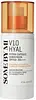
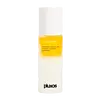
Some By Mi V10 Hyal Hydra Capsule Sunscreen SPF 50+ PA++++ Versus Pluxos 47 | Sunscreen + Skincare SPF 47 Mist Spray
This chemical sunscreen covers the full UV range and blocks ~98% of UVB at SPF 50.
This sunscreen offers SPF 47 protection with a dewy, hydrating finish.


What's inside
What's inside
 Key Ingredients
Benefits
Concerns
No concerns
Ingredients Side-by-side
Water
Skin ConditioningAlcohol
Antimicrobial




Dibutyl Adipate
EmollientBis-Ethylhexyloxyphenol Methoxyphenyl Triazine
UV Absorber
C12-15 Alkyl Benzoate
AntimicrobialCaprylyl Methicone
Skin Conditioning
Ethylhexyl Triazone
UV Absorber
Polysilicone-15
UV Filter
Diethylamino Hydroxybenzoyl Hexyl Benzoate
UV Filter
Coco-Caprylate/Caprate
Emollient
Ethylhexyl Palmitate
Emollient


Hexyl Laurate
Emollient
Niacinamide
Smoothing











Phenethyl Benzoate
Emollient

Tridecyl Trimellitate
EmollientGlycerin
Humectant
Polymethylsilsesquioxane
Pentylene Glycol
Skin Conditioning
1,2-Hexanediol
Skin Conditioning
Sodium Hyaluronate
Humectant
Dibutyl Lauroyl Glutamide
Skin ConditioningDibutyl Ethylhexanoyl Glutamide
Skin ConditioningSilica Dimethyl Silylate
EmollientPanthenol
Skin Conditioning
Hydroxyacetophenone
Antioxidant
C30-45 Alkyldimethylsilyl Polypropylsilsesquioxane
Parfum
Masking
Sodium Polyacryloyldimethyl Taurate
Emulsion StabilisingAmmonium Acryloyldimethyltaurate/Vp Copolymer
Adenosine
Skin Conditioning
Limonene
Perfuming
Disodium EDTA
ChelatingButylene Glycol
Humectant
Acetyl Glucosamine
Skin Conditioning
Linalool
Perfuming
Cynanchum Atratum Extract
Skin ConditioningEthylhexylglycerin
Skin ConditioningAlthaea Rosea Flower Extract
Skin ConditioningSodium Hyaluronate Crosspolymer
Humectant
Caprylyl Glycol
Emollient
Caprylic/Capric Triglyceride
Masking
Hydrogenated Lecithin
Emulsifying
Tocopherol
Antioxidant
Ceramide NP
Skin Conditioning
Biotin
AntiseborrhoeicCyanocobalamin
Skin ConditioningHyaluronic Acid
Humectant
Hydroxypropyl Cyclodextrin
MaskingPolyglyceryl-10 Diisostearate
Emulsifying
Linoleic Acid
Cleansing
Ascorbic Acid
Antioxidant
Bioflavonoids
Skin ConditioningMenadione
MaskingRetinol
Skin Conditioning
7-Dehydrocholesterol
Emulsion StabilisingWater, Alcohol, Dibutyl Adipate, Bis-Ethylhexyloxyphenol Methoxyphenyl Triazine, C12-15 Alkyl Benzoate, Caprylyl Methicone, Ethylhexyl Triazone, Polysilicone-15, Diethylamino Hydroxybenzoyl Hexyl Benzoate, Coco-Caprylate/Caprate, Ethylhexyl Palmitate, Hexyl Laurate, Niacinamide, Phenethyl Benzoate, Tridecyl Trimellitate, Glycerin, Polymethylsilsesquioxane, Pentylene Glycol, 1,2-Hexanediol, Sodium Hyaluronate, Dibutyl Lauroyl Glutamide, Dibutyl Ethylhexanoyl Glutamide, Silica Dimethyl Silylate, Panthenol, Hydroxyacetophenone, C30-45 Alkyldimethylsilyl Polypropylsilsesquioxane, Parfum, Sodium Polyacryloyldimethyl Taurate, Ammonium Acryloyldimethyltaurate/Vp Copolymer, Adenosine, Limonene, Disodium EDTA, Butylene Glycol, Acetyl Glucosamine, Linalool, Cynanchum Atratum Extract, Ethylhexylglycerin, Althaea Rosea Flower Extract, Sodium Hyaluronate Crosspolymer, Caprylyl Glycol, Caprylic/Capric Triglyceride, Hydrogenated Lecithin, Tocopherol, Ceramide NP, Biotin, Cyanocobalamin, Hyaluronic Acid, Hydroxypropyl Cyclodextrin, Polyglyceryl-10 Diisostearate, Linoleic Acid, Ascorbic Acid, Bioflavonoids, Menadione, Retinol, 7-Dehydrocholesterol
Water
Skin ConditioningCoco-Caprylate/Caprate
Emollient
Caprylic/Capric Triglyceride
Masking
Dicaprylyl Carbonate
Emollient1,2-Hexanediol
Skin Conditioning
Phenoxyethanol
Preservative
Sodium Chloride
MaskingHippophae Rhamnoides Acid
EmollientCitrus Paradisi Juice
Perfuming
Sodium Hyaluronate
Humectant
Hydrolyzed Collagen
Emollient
Prunus Persica Gum
Butylene Glycol
Humectant
Scutellaria Baicalensis Callus Culture
Skin ConditioningPhosphatidylcholine
EmulsifyingNiacinamide
Smoothing
Ceramide NP
Skin Conditioning
Tocopherol
Antioxidant
Hydroxyacetophenone
Antioxidant
Ascorbic Acid
Antioxidant
Glycerin
Humectant
Panthenol
Skin Conditioning
Pentylene Glycol
Skin Conditioning
Ferulic Acid
Antimicrobial
Tripeptide-1
Skin Conditioning
Resveratrol
Antioxidant
Acetyl Hexapeptide-8
Humectant
Pentapeptide-3
Skin Conditioning
CI 19140
Cosmetic ColorantWater, Coco-Caprylate/Caprate, Caprylic/Capric Triglyceride, Dicaprylyl Carbonate, 1,2-Hexanediol, Phenoxyethanol, Sodium Chloride, Hippophae Rhamnoides Acid, Citrus Paradisi Juice, Sodium Hyaluronate, Hydrolyzed Collagen, Prunus Persica Gum, Butylene Glycol, Scutellaria Baicalensis Callus Culture, Phosphatidylcholine, Niacinamide, Ceramide NP, Tocopherol, Hydroxyacetophenone, Ascorbic Acid, Glycerin, Panthenol, Pentylene Glycol, Ferulic Acid, Tripeptide-1, Resveratrol, Acetyl Hexapeptide-8, Pentapeptide-3, CI 19140
Reviews
Ingredients Explained
These ingredients are found in both products.
Ingredients higher up in an ingredient list are typically present in a larger amount.
1,2-Hexanediol is a synthetic liquid and another multi-functional powerhouse.
It is a:
- Humectant, drawing moisture into the skin
- Emollient, helping to soften skin
- Solvent, dispersing and stabilizing formulas
- Preservative booster, enhancing the antimicrobial activity of other preservatives
Ascorbic Acid is is pure Vitamin C and is the biologically active form used directly by skin.
Not only is vitamin C great for your overall health and immune system, but it also has plenty of benefits for your skin. It is best supported by academic literature for:
Topical vitamin C has been shown to help neutralize oxidative stress from UV and pollution, helping to improve photoaging and hyperpigmentation when used consistently.
One clinical study found that using 5% topical vitamin C for six months improved signs of photodamaged skin, both on the surface and in the deeper structural layers of the skin.
While vitamin C doesn’t replace sunscreen, studies show it can boost photoprotection when combined with Vitamin E and ferulic acid. These two ingredients help improve stability and protective effects.
The big downside of this ingredient is formulation difficulty. Vitamin C is prone to oxidation and doesn't penetrate the skin unless formulated correctly. Research found that vitamin C absorbs into the skin best at a low pH (< 3.5) with about 20% being the upper limit for effective absorption.
Skin levels can saturate after repeated application; this means your skin won’t keep absorbing more once it’s full of vitamin C. This is why more isn’t always better with vitamin C and why very high concentrations don’t necessarily give extra benefits.
Ascorbic acid generally works well with many skincare ingredients but can be irritating when combined with other active ingredients. Strong oxidizing acne treatments like benzoyl peroxide can reduce the effectiveness of vitamin C if they are used at the same time; they are often recommended for use at different times of day.
Read more about other types of Vitamin C:
Foods rich with vitamin C include oranges, strawberries, broccoli, bell peppers, and more. When consuming Vitamin C, your skin receives a portion of the nutrients.
Learn more about Ascorbic AcidButylene Glycol (or BG) is used within cosmetic products for a few different reasons:
Overall, Butylene Glycol is a safe and well-rounded ingredient that works well with other ingredients.
Though this ingredient works well with most skin types, some people with sensitive skin may experience a reaction such as allergic rashes, closed comedones, or itchiness.
Learn more about Butylene GlycolCaprylic/Capric Triglyceride (aka MCT Oil) is a lightweight emollient, solvent, and texture enhancer. It is considered a skin-softener by helping to prevent moisture loss.
Though it behaves like an oil, it is not technically one due to its chemical composition. One perk of this ingredient is that it is very stable, resistant to oxidation, and unlikely to go rancid.
In practice, that translates to a long shelf life and a consistently elegant skin feel.
While there is an assumption Caprylic Triglyceride can clog pores due to it being derived from coconut oil, there is no research supporting this. Just patch test if you have concerns.
Fractionated coconut oil and MCT Oil are both listed as Caprylic/Capric Triglyceride according to INCI. This is because INCI names are based on the ingredient’s final chemical composition and not its marketing name or source.
This ingredient is treated as the gold standard fungal acne safe oil. Even though it is coconut derived, the problematic lauric acid is stripped out.
This leaves just caprylic (C8) and capric (C10) acid. These chain lengths actually trend antifungal; a 2020 study found caprylic acid was enough to disrupt Malassezia furfur cell membrane, with a caprylic acid derivative damaging membrane structures at concentrations as low as 0.2%.
Learn more about Caprylic/Capric TriglycerideCeramide NP (formerly known as Ceramide 3) is one of the skin's naturally occurring lipids.
Since ceramides are the major lipid components of the skin, they are crucial for maintaining skin barrier and hydration. Ceramide NP most closely mirrors the dominant kind in human skin amongst ceramide subtypes.
This ceramide works by slotting into gaps within the stratum corneum's lipid matrix to limit trans-epidermal water loss (TEWL) and shield the skin against external irritants.
A study with 312 patients found that using a ceramide-containing routine for 4 weeks reduced the severity of atopic dermatitis by over 61%.
Another clinical study in subjects aged 60 and older found that a ceramide body wash and moisturizer improved skin dryness and itchy skin in 15 days.
Overall, ceramides are considered non-irritating and safety tests have found little to no observable adverse effects from using this ingredient.
Ceramide NP is usually sourced from plants (like soybean or rice bran), or produced synthetically.
Learn more about Ceramide NPCoco-Caprylate/Caprate is a lightweight ester created from coconut oil fatty acids, caprylic acid, and capric acid.
It is an emollient that helps soften skin and reduce transepidermal water loss (TEWL). What sets it apart from heavier emollients is its ultralight, non-greasy feel.
Once applied, this ingredient dries down quickly and leaves a dry, silky finish behind. This also helps improve spreadability and texture.
This ingredient has an excellent safety-record and is non-irritating.
Typical concentrations for cosmetics range from 0.5-62%.
Research on Malassezia growth found no growth on fatty acid esters with chain lengths shorter than 12 carbons (it prefers C11-24).
Since Coco-Caprylate/Caprate is built on C8 and C10 fatty acids, it is out of the range that Malassezia metabolizes, and therefore safe for fungal acne.
Learn more about Coco-Caprylate/CaprateGlycerin (or glycerol) is a compound naturally found in your skin. It's a powerhouse humectant that pulls water into the stratum corneum.
Topically, glycerin does several things at once:
Your skin makes glycerin on its own (mostly from sebaceous oil breakdown) and shuttles it to your outermost layer of skin, or your epidermis, via aquaporin-3.
Aquaporin-3 is a transporter that is essential for normal skin hydration, elasticity, and repair. Interestingly, mice lacking in AQP3 have dry and less elastic skin that can be fully corrected with glycerin.
This ingredient is non-irritating, plays well with almost every ingredient, and works across all skin types. Typical use is anywhere between 3-10% but can go up to 79% in some leave-on products.
Just know very high concentrations (>40%) can feel tacky in low humidity.
Glycerin is the name for this ingredient in American English. British English uses Glycerol/Glycerine.
Learn more about GlycerinHydroxyacetophenone is a small phenolic molecule that earns its place in a formulas as an antioxidant and preservative booster.
As a phenol, it is able to neutralize free radicals to protect both the product and the skin from oxidative stress.
Though it can't kill microbes on its own, it works as a good supporting agent when combined with other preservatives like Phenoxyethanol or 1,2-Hexanediol.
This ingredient naturally occurs as piceol in Norwegian spruce needles (~0.4-1.1% dry weight and in cloudberries). Though the cosmetic-grade material is synthesized for purity and consistency.
You'll usually see it used at low levels and suppliers recommend up to 1% added to a water phase.
Safety testing was done at concentrations like 0.05% in SPF products and 0.5% in a Human Repeated Insult Patch Test. The safety evidence is assuring; this ingredient is safe for cosmetics in current use and also holds safety status as a food flavoring as well.
An honest caveat: the "soothing" and "anti-inflammatory" claims come mostly from supplier marketing rather than published clinical trials. The Cosmetic Ingredient Review's own literature search found no useful efficacy studies on this ingredient.
So the antioxidant and preservative-boosting roles are the well supported ones while the calming benefit is plausible but thinly evidenced.
Overall, this is a well-tolerated, low-irritation multitasker that quietly helps a formula stay fresh and stable.
Learn more about HydroxyacetophenoneNiacinamide is a multitasking form of vitamin B3 that strengthens the skin barrier, reduces pores and dark spots, regulates oil, and improves signs of aging.
And the best part? It's gentle and well-tolerated by most skin types, including sensitive and reactive skin.
You might have heard of "niacin flush", or the reddening of skin that causes itchiness. Niacinamide has not been found to cause this.
In very rare cases, some individuals may not be able to tolerate niacinamide at all or experience an allergic reaction to it.
If you are experiencing flaking, irritation, and dryness with this ingredient, be sure to double check all your products as this ingredient can be found in all categories of skincare.
When incorporating niacinamide into your routine, look out for concentration amounts. Typically, 5% niacinamide provides benefits such as fading dark spots. However, if you have sensitive skin, it is better to begin with a smaller concentration.
When you apply niacinamide to your skin, your body converts it into nicotinamide adenine dinucleotide (NAD). NAD is an essential coenzyme that is already found in your cells as "fuel" and powers countless biological processes.
In your skin, NAD helps repair cell damage, produce new healthy cells, support collagen production, strengthen the skin barrier, and fight environmental stressors (like UV and pollution).
Our natural NAD levels start to decline with age, leading to slower skin repair, visible aging, and a weaker skin barrier. By providing your skin niacinamide, you're recharging your skin's NAD levels. This leads to stronger, healthier, and younger looking skin.
Another name for vitamin B3 is nicotinamide. This vitamin is water-soluble and our bodies don't store it. We obtain Vitamin B3 from either food or skincare. Meat, fish, wheat, yeast, and leafy greens contain vitamin B3.
The type of niacinamide used in skincare is synthetically created.
Learn more about NiacinamidePanthenol is a common ingredient that helps hydrate and soothe the skin. It is found naturally in our skin and hair.
There are two forms of panthenol: D and L.
D-panthenol is also known as dexpanthenol. Most cosmetics use dexpanthenol or a mixture of D and L-panthenol.
Panthenol is famous due to its ability to go deeper into the skin's layers. Using this ingredient has numerous pros (and no cons):
Like hyaluronic acid, panthenol is a humectant. Humectants are able to bind and hold large amounts of water to keep skin hydrated.
This ingredient works well for wound healing. It works by increasing tissue in the wound and helps close open wounds.
Once oxidized, panthenol converts to pantothenic acid. Panthothenic acid is found in all living cells.
This ingredient is also referred to as pro-vitamin B5.
Learn more about PanthenolPentylene Glycol (1,2-pentanediol) is a multitasking little diol with three main roles in a formula:
Research on alkanediols (the family pentylene glycol belongs to) show they work by disrupting microbial cell membranes. This disruption helps the primary preservative system in a product work more effectively at lower doses.
On the safety side, the Cosmetic Ingredient Review Expert Panel has concluded this ingredient to be safe as used in current cosmetic practices + concentrations.
Typical use levels in a formula run about 1-5%.
Learn more about Pentylene GlycolSodium Hyaluronate is the salt form of hyaluronic acid. It is a long sugar chain that is naturally found in your skin, joints, and connective tissue that maintains hydration and elasticity.
In skincare, it works as a humectant. It pulls water from the environment and deeper layers of skin and binds it to the surface.
Interestingly, the size of the molecule affects its behavior:
Some clinical evidence links low molecular weight versions to improved wrinkle depth, elasticity, anti-inflammatory effects, and barrier repair.
Many serums use a blend of both weights so you can get surface hydration plus longer-lasting and deeper effects.
You'll typically see concentrations between 0.1-2% for this ingredient.
Learn more about Sodium HyaluronateTocopherol is a fat-soluble antioxidant known as Vitamin E.
You'll find this ingredient in the vast majority of skincare (for good reason). It works to neutralize free radicals, or unstable molecules generated by UV exposure, pollution, and other environmental stressors, before they can cause oxidative damage to your skin cells.
Topically applied tocopherol has been shown to protect against UV damage by ramping up the skin's own natural defense enzymes.
It also acts as a skin conditioning agent; some studies show that regular topical use can improve the skin's water-binding capacity over 2-4 weeks.
This ingredient is especially loved for being a team player. When combined with Vitamin C, the photoprotective effect of both ingredients roughly doubles and the combo also helps reduce UV-induced DNA damage.
This ingredient has some brightening potential but it's more of a prevention ingredient than spot-fader. Cell studies show it can slow down melanin production but it's worth noting that it's not the most powerful brightener out there.
In formulations, it also serves as a stabilizer that helps protect other oxidation-prone ingredients from degrading.
Concentrations usually range from 0.1-1% in most leave-on products.
Learn more about TocopherolWater. It's the most common cosmetic ingredient of all. You'll usually see it at the top of ingredient lists, meaning that it makes up the largest part of the product.
So why is it so popular? Water most often acts as a solvent - this means that it helps dissolve other ingredients into the formulation.
You'll also recognize water as that liquid we all need to stay alive. If you see this, drink a glass of water. Remember to stay hydrated!
Learn more about Water

