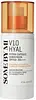
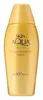
Some By Mi V10 Hyal Hydra Capsule Sunscreen SPF 50+ PA++++ Versus Skin Aqua UV Super Moisture Gel Gold SPF 50+ PA++++
This chemical sunscreen covers the full UV range and blocks ~98% of UVB at SPF 50.
This chemical sunscreen covers the full UV range and blocks ~98% of UVB at SPF 50.


What's inside
What's inside
 Key Ingredients
Benefits
Concerns
Ingredients Side-by-side
Water
Skin ConditioningAlcohol
Antimicrobial




Dibutyl Adipate
EmollientBis-Ethylhexyloxyphenol Methoxyphenyl Triazine
UV Absorber
C12-15 Alkyl Benzoate
AntimicrobialCaprylyl Methicone
Skin Conditioning
Ethylhexyl Triazone
UV Absorber
Polysilicone-15
UV Filter
Diethylamino Hydroxybenzoyl Hexyl Benzoate
UV Filter
Coco-Caprylate/Caprate
Emollient
Ethylhexyl Palmitate
Emollient


Hexyl Laurate
Emollient
Niacinamide
Smoothing











Phenethyl Benzoate
Emollient

Tridecyl Trimellitate
EmollientGlycerin
Humectant
Polymethylsilsesquioxane
Pentylene Glycol
Skin Conditioning
1,2-Hexanediol
Skin Conditioning
Sodium Hyaluronate
Humectant
Dibutyl Lauroyl Glutamide
Skin ConditioningDibutyl Ethylhexanoyl Glutamide
Skin ConditioningSilica Dimethyl Silylate
EmollientPanthenol
Skin Conditioning
Hydroxyacetophenone
Antioxidant
C30-45 Alkyldimethylsilyl Polypropylsilsesquioxane
Parfum
Masking
Sodium Polyacryloyldimethyl Taurate
Emulsion StabilisingAmmonium Acryloyldimethyltaurate/Vp Copolymer
Adenosine
Skin Conditioning
Limonene
Perfuming
Disodium EDTA
Butylene Glycol
Humectant
Acetyl Glucosamine
Skin Conditioning
Linalool
Perfuming
Cynanchum Atratum Extract
Skin ConditioningEthylhexylglycerin
Skin ConditioningAlthaea Rosea Flower Extract
Skin ConditioningSodium Hyaluronate Crosspolymer
Humectant
Caprylyl Glycol
Emollient
Caprylic/Capric Triglyceride
Masking
Hydrogenated Lecithin
Emulsifying
Tocopherol
Antioxidant
Ceramide NP
Skin Conditioning
Biotin
AntiseborrhoeicCyanocobalamin
Skin ConditioningHyaluronic Acid
Humectant
Hydroxypropyl Cyclodextrin
MaskingPolyglyceryl-10 Diisostearate
Emulsifying
Linoleic Acid
Cleansing
Ascorbic Acid
Antioxidant
Bioflavonoids
Skin ConditioningMenadione
MaskingRetinol
Skin Conditioning
7-Dehydrocholesterol
Emulsion StabilisingWater, Alcohol, Dibutyl Adipate, Bis-Ethylhexyloxyphenol Methoxyphenyl Triazine, C12-15 Alkyl Benzoate, Caprylyl Methicone, Ethylhexyl Triazone, Polysilicone-15, Diethylamino Hydroxybenzoyl Hexyl Benzoate, Coco-Caprylate/Caprate, Ethylhexyl Palmitate, Hexyl Laurate, Niacinamide, Phenethyl Benzoate, Tridecyl Trimellitate, Glycerin, Polymethylsilsesquioxane, Pentylene Glycol, 1,2-Hexanediol, Sodium Hyaluronate, Dibutyl Lauroyl Glutamide, Dibutyl Ethylhexanoyl Glutamide, Silica Dimethyl Silylate, Panthenol, Hydroxyacetophenone, C30-45 Alkyldimethylsilyl Polypropylsilsesquioxane, Parfum, Sodium Polyacryloyldimethyl Taurate, Ammonium Acryloyldimethyltaurate/Vp Copolymer, Adenosine, Limonene, Disodium EDTA, Butylene Glycol, Acetyl Glucosamine, Linalool, Cynanchum Atratum Extract, Ethylhexylglycerin, Althaea Rosea Flower Extract, Sodium Hyaluronate Crosspolymer, Caprylyl Glycol, Caprylic/Capric Triglyceride, Hydrogenated Lecithin, Tocopherol, Ceramide NP, Biotin, Cyanocobalamin, Hyaluronic Acid, Hydroxypropyl Cyclodextrin, Polyglyceryl-10 Diisostearate, Linoleic Acid, Ascorbic Acid, Bioflavonoids, Menadione, Retinol, 7-Dehydrocholesterol
Water
Skin ConditioningAlcohol
Antimicrobial
Ethylhexyl Methoxycinnamate
UV Absorber
Butylene Glycol
Humectant
Diethylhexyl Succinate
EmollientBis-Ethylhexyloxyphenol Methoxyphenyl Triazine
UV Absorber
Polysilicone-15
UV Filter
Diethylamino Hydroxybenzoyl Hexyl Benzoate
UV Filter
Sodium Hyaluronate
Humectant
Sodium Acetylated Hyaluronate
Humectant
Hydrolyzed Collagen
Emollient
Arginine
Masking
Bis-PEG-18 Methyl Ether Dimethyl Silane
EmollientPolyglyceryl-10 Pentaisostearate
Emollient
Glycol Dimethacrylate Crosspolymer
Acrylates/C10-30 Alkyl Acrylate Crosspolymer
Emulsion StabilisingPEG-12 Dimethicone
Skin Conditioning
Triethanolamine
BufferingDisodium EDTA
Xanthan Gum
EmulsifyingPolystyrene
Polyvinyl Alcohol
Phenoxyethanol
Preservative
Biosaccharide Gum-4
Skin Conditioning
Water, Alcohol, Ethylhexyl Methoxycinnamate, Butylene Glycol, Diethylhexyl Succinate, Bis-Ethylhexyloxyphenol Methoxyphenyl Triazine, Polysilicone-15, Diethylamino Hydroxybenzoyl Hexyl Benzoate, Sodium Hyaluronate, Sodium Acetylated Hyaluronate, Hydrolyzed Collagen, Arginine, Bis-PEG-18 Methyl Ether Dimethyl Silane, Polyglyceryl-10 Pentaisostearate, Glycol Dimethacrylate Crosspolymer, Acrylates/C10-30 Alkyl Acrylate Crosspolymer, PEG-12 Dimethicone, Triethanolamine, Disodium EDTA, Xanthan Gum, Polystyrene, Polyvinyl Alcohol, Phenoxyethanol, Biosaccharide Gum-4
Reviews
Ingredients Explained
These ingredients are found in both products.
Ingredients higher up in an ingredient list are typically present in a larger amount.
This ingredient is also called ethanol or ethyl alcohol. It is denatured, meaning made undrinkable for cosmetic use.
In formulas, it:
Is it bad for your skin?
The answer comes down to concentration. Patch and wash studies have found highly concentrated alcohol-based hand rubs (60-100%) cause less barrier disruption than washing with a basic detergent like SLS. The only measurable effect in these studies was a temporary dip in skin hydration.
Concentrations below 12-15% in leave-on cosmetics is generally well-tolerated. Concentrations above start to see increased transepidermal water loss (TEWL) and reduced hydration.
In concentrations about 58%, it creates temporary channels in your skin's lipid layers to become more permeable and allow other ingredients to slip through easily.
This ingredient can be up to 80% of the formula in alcohol-based perfumes.
Overall, this ingredient is probably harmless if found lower down an ingredients list but worth side-eyeing if it's high up (especially if your barrier is already struggling).
Alcohol can worsen dry skin, eczema, and oily skin, especially at higher concentrations. This is because it can increase transepidermal water loss and decrease hydration to disrupt the skin barrier.
According to the National Rosacea Society based in the US, you should be mindful of products with these alcohols in the top half of ingredients.
True allergic contact dermatitis to ethanol is uncommon, but be sure to patch test if you have dry or sensitive skin.
Learn more about AlcoholThis ingredient is better known as bemotrizinol or Tinosorb S and is one of the best broad-spectrum UV filters in modern sunscreen.
It works by absorbing UV light across a whole range (280-400 nm) with peaks around 310 nm (UVB) and 340-345 nm (UVA). This means it covers UVB plus the deeper UVA wavelengths that drive photoaging and pigmentation.
Another pro?
It's exceptionally photostable, barely degrades in sunlight, and acts as a "bodyguard" for less stable filters.
That's why you'll see it paired with avobenzone or octinoxate; this team up ensures they keep working through sun exposure.
Safety reviews have been reassuring across the board. This ingredient shows low absorption through the skin, rarely irritates, and lab studies found it doesn't act like a hormone in the body (a concern that's been raised about some older sunscreen filters).
On maximum concentrations:
In 2026, the US F.D.A finally added it as an OTC sunscreen ingredient at concentrations up to 6% for adults / children 6 months and older
Learn more about Bis-Ethylhexyloxyphenol Methoxyphenyl TriazineButylene Glycol (or BG) is used within cosmetic products for a few different reasons:
Overall, Butylene Glycol is a safe and well-rounded ingredient that works well with other ingredients.
Though this ingredient works well with most skin types, some people with sensitive skin may experience a reaction such as allergic rashes, closed comedones, or itchiness.
Learn more about Butylene GlycolDiethylamino Hydroxybenzoyl Hexyl Benzoate (DHHB) is a chemical UV-A absorber. It is formulated for high UVA protection (320-400 nm).
DHHB is well-liked for:
DHHB has been approved by the EU, Japan, Taiwan, and South America for use up to 10%. Unfortunately, it has not been approved for use in the US or Canada due to slow regulatory processes.
This ingredient is soluble in oils, fats, and lipids.
Learn more about Diethylamino Hydroxybenzoyl Hexyl BenzoateDisodium EDTA is a chelating agent. It grabs onto and deactivates metal ions that sneak into your products from water, packaging, or air.
This ingredient mainly works behind the scenes and helps with:
On top of that, this ingredient can counteract the effects of hard water by binding to the minerals in it.
One thing worth knowing is that Disodium EDTA has been shown to be a mild penetration enhancer. It can help other ingredients absorb into skin more effectively which can be a double-edged sword (great for actives, but can also make the active too strong if you have sensitive skin).
Clinical patch testing showed no significant skin irritation at typical use concentrations and minimal dermal absorption.
You'll most likely see this ingredient near the end of an ingredient list. It's typically found in concentrations less than 1%.
Learn more about Disodium EDTAPolysilicone-15 (trade name: Parsol SLX) is a silicone-based UVB filter that soaks up UVB light (~280-320nm) with a peak around 310nm.
It's a fairly modest sunscreen filter so formulators mostly use it as an SPF booster and "light stabilizer". This just means it helps keep other light-sensitive ingredients from breaking down in sunlight.
A 2007 study measured the in-vitro SPF of 18 filters and found Polysilicone-15 contributed an SPF of about 3.64 at its maximum legal concentration (though worth noting its maker points out that in-vitro tests tend to underestimate its real performance because of its large polymeric structure).
Usage levels vary; it's approved up to 10% as a UV filter in the EU, China, Japan, Australia, ASEAN, and Mercosur countries. In the US, it's only permitted up to 1% as a light stabilizer because the FDA hasn't reviewed it as a sunscreen active.
Typical use levels range from 1-3%.
The EU's scientific committee concluded that this ingredient is safe for use as a UV absorber up to 10%, and tests came back negative for irritation, phototoxicity, and photoallergy.
There is one case of allergic lip inflammation from a lip balm with this ingredient, though this is rare.
Learn more about Polysilicone-15Sodium Hyaluronate is the salt form of hyaluronic acid. It is a long sugar chain that is naturally found in your skin, joints, and connective tissue that maintains hydration and elasticity.
In skincare, it works as a humectant. It pulls water from the environment and deeper layers of skin and binds it to the surface.
Interestingly, the size of the molecule affects its behavior:
Some clinical evidence links low molecular weight versions to improved wrinkle depth, elasticity, anti-inflammatory effects, and barrier repair.
Many serums use a blend of both weights so you can get surface hydration plus longer-lasting and deeper effects.
You'll typically see concentrations between 0.1-2% for this ingredient.
Learn more about Sodium HyaluronateWater. It's the most common cosmetic ingredient of all. You'll usually see it at the top of ingredient lists, meaning that it makes up the largest part of the product.
So why is it so popular? Water most often acts as a solvent - this means that it helps dissolve other ingredients into the formulation.
You'll also recognize water as that liquid we all need to stay alive. If you see this, drink a glass of water. Remember to stay hydrated!
Learn more about Water

