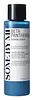
This barrier-repair toner is formulated around Niacinamide and Panthenol to strengthen the skin barrier and calm redness.
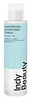
This hydrating toner is formulated around Polyglutamic Acid and Chamomilla Recutita Flower Extract to hydrate skin and calm redness.


What's inside
What's inside
 Key Ingredients
Benefits
Concerns
Ingredients Side-by-side
Water
Skin ConditioningPropanediol
Solvent

Methylpropanediol
SolventNiacinamide
Smoothing










Glycerin
Humectant
1,2-Hexanediol
Skin Conditioning
Panthenol
Skin Conditioning
Betaine
Humectant
C12-14 Pareth-12
EmulsifyingCaprylic/Capric Triglyceride
Masking
Trehalose
Humectant
Ceramide NP
Skin Conditioning
Ethylhexylglycerin
Skin ConditioningAdenosine
Skin Conditioning
Hydrogenated Lecithin
Emulsifying
Dipropylene Glycol
HumectantHydrolyzed Hyaluronic Acid
Humectant
Hyaluronic Acid
Humectant
Allantoin
Skin Conditioning
Xylitol
Humectant
Glyceryl Glucoside
Humectant
Musa Sapientum Fruit Extract
Skin ConditioningRosa Damascena Flower Water
Masking
Beta-Glucan
Skin Conditioning
Sodium Citrate
BufferingPyrus Communis Fruit Extract
Skin ConditioningPrunus Domestica Seedcake Extract
Skin ProtectingSorbitan Olivate
Emulsifying

Cucumis Melo Fruit Extract
Skin ConditioningCetearyl Olivate
Citric Acid
Buffering
Sodium Phytate
ChelatingHedera Helix Leaf/Stem Extract
AntimicrobialGlucose
Humectant
Macadamia Ternifolia Seed Oil
Emollient
Sodium Hyaluronate
Humectant
Beta-Sitosterol
Emulsion Stabilising
Bifida Ferment Lysate
Skin Conditioning
Lactococcus Ferment Lysate
Skin Conditioning
Lactobacillus Ferment Lysate
Skin Conditioning
Phytosterols
Skin Conditioning
Hydroxypropyltrimonium Hyaluronate
Sodium Acetylated Hyaluronate
Humectant
Hydrolyzed Sodium Hyaluronate
Skin Conditioning
Sodium Hyaluronate Crosspolymer
Humectant
Potassium Hyaluronate
Skin ConditioningWater, Propanediol, Methylpropanediol, Niacinamide, Glycerin, 1,2-Hexanediol, Panthenol, Betaine, C12-14 Pareth-12, Caprylic/Capric Triglyceride, Trehalose, Ceramide NP, Ethylhexylglycerin, Adenosine, Hydrogenated Lecithin, Dipropylene Glycol, Hydrolyzed Hyaluronic Acid, Hyaluronic Acid, Allantoin, Xylitol, Glyceryl Glucoside, Musa Sapientum Fruit Extract, Rosa Damascena Flower Water, Beta-Glucan, Sodium Citrate, Pyrus Communis Fruit Extract, Prunus Domestica Seedcake Extract, Sorbitan Olivate, Cucumis Melo Fruit Extract, Cetearyl Olivate, Citric Acid, Sodium Phytate, Hedera Helix Leaf/Stem Extract, Glucose, Macadamia Ternifolia Seed Oil, Sodium Hyaluronate, Beta-Sitosterol, Bifida Ferment Lysate, Lactococcus Ferment Lysate, Lactobacillus Ferment Lysate, Phytosterols, Hydroxypropyltrimonium Hyaluronate, Sodium Acetylated Hyaluronate, Hydrolyzed Sodium Hyaluronate, Sodium Hyaluronate Crosspolymer, Potassium Hyaluronate
Water
Skin ConditioningPropanediol
Solvent
Polysorbate 20
Emulsifying
Polyglutamic Acid
Skin Conditioning
Chamomilla Recutita Flower Extract
Masking
Betaine
Humectant
Xylitylglucoside
Humectant
Xylitol
Humectant
Panthenol
Skin Conditioning
Anhydroxylitol
Humectant
Hydroxyethylcellulose
Emulsion StabilisingAlpha-Glucan Oligosaccharide
Cleansing
Butylene Glycol
Humectant
Ethylhexylglycerin
Skin ConditioningGlucose
Humectant
Citric Acid
Buffering
Pantolactone
Humectant
Camellia Sinensis Leaf Extract
Antimicrobial
Centella Asiatica Extract
Cleansing
Inonotus Obliquus Extract
Skin ConditioningEleutherococcus Senticosus Root Extract
AstringentGlycyrrhiza Glabra Root Extract
Bleaching
Polygonum Cuspidatum Root Extract
Antioxidant
Rhaponticum Carthamoides Root Extract
Skin ConditioningRhodiola Rosea Extract
EmollientRosmarinus Officinalis Leaf Extract
AntimicrobialScutellaria Baicalensis Root Extract
Astringent
Selaginella Lepidophylla Extract
EmollientSodium Benzoate
Masking
Maltodextrin
Absorbent
Lactic Acid
Buffering

Caramel
Cosmetic ColorantPhenoxyethanol
Preservative
Water, Propanediol, Polysorbate 20, Polyglutamic Acid, Chamomilla Recutita Flower Extract, Betaine, Xylitylglucoside, Xylitol, Panthenol, Anhydroxylitol, Hydroxyethylcellulose, Alpha-Glucan Oligosaccharide, Butylene Glycol, Ethylhexylglycerin, Glucose, Citric Acid, Pantolactone, Camellia Sinensis Leaf Extract, Centella Asiatica Extract, Inonotus Obliquus Extract, Eleutherococcus Senticosus Root Extract, Glycyrrhiza Glabra Root Extract, Polygonum Cuspidatum Root Extract, Rhaponticum Carthamoides Root Extract, Rhodiola Rosea Extract, Rosmarinus Officinalis Leaf Extract, Scutellaria Baicalensis Root Extract, Selaginella Lepidophylla Extract, Sodium Benzoate, Maltodextrin, Lactic Acid, Caramel, Phenoxyethanol
Reviews
Ingredients Explained
These ingredients are found in both products.
Ingredients higher up in an ingredient list are typically present in a larger amount.
Betaine is a humectant. Like hyaluronic acid, it helps attract and retain moisture in the skin. It’s known for being gentle and for helping the skin maintain balanced hydration.
Betaine is mainly used to improve hydration and support calmer skin. It helps skin cells regulate water balance because it functions as an osmolyte.
Some studies suggest betaine may support making skin tone more even.
Fun fact: Betaine naturally exists in the skin and the body. In cosmetic products, it can be either plant-derived (most commonly from sugar beets) or synthetically produced for consistency and stability.
Betaine is also known as trimethylglycine.
Learn more about BetaineCitric Acid is an alpha hydroxy acid (AHA) naturally found in citrus fruits like oranges, lemons, and limes.
Like other AHAs, citric acid can exfoliate skin by breaking down the bonds that hold dead skin cells together. This helps reveal smoother and brighter skin underneath.
However, this exfoliating effect only happens at high concentrations (20%) which can be hard to find in cosmetic products.
Due to this, citric acid is usually included in small amounts as a pH adjuster. This helps keep products slightly more acidic and compatible with skin's natural pH.
In skincare formulas, citric acid can:
While it can provide some skin benefits, research shows lactic acid and glycolic acid are generally more effective and less irritating exfoliants.
Most citric acid used in skincare today is made by fermenting sugars (usually from molasses). This synthetic version is identical to the natural citrus form but easier to stabilize and use in formulations.
Rosacea skin has a lower threshold for acids generally, with 62.5% of rosacea subjects in one study reacting to lactic acid in a sting test. This is why we mark citric acid as a potential rosacea trigger.
However, this ingredient shows up as a pH adjuster or chelator at roughly 0.1-1% in many products. These low levels are unlikely to be an issue for rosacea skin and becomes a potential trigger at exfoliating concentrations (20%). Because everybody's skin is unique, we recommend a patch test if you are unsure.
Learn more about Citric AcidEthylhexylglycerin is created from glycerin. It is a multitasker ingredient that:
The CIR Expert Panel found minimal skin absorption or sensitization of any kind in a safety assessment. Though this ingredient is considered well-tolerated, a small number of cases of allergic dermatitis have been published since 2002. Just be sure to patch test if you are unsure.
Industry-reported use ranges from 8% in rinse-off products and 2% in leave-on formulations.
Learn more about EthylhexylglycerinGlucose is a simple sugar (a monosaccharide). In skincare, it is mostly a humectant and skin conditioning agent.
Mechanistically, it has multiple hydroxyl groups that hydrogen-bond to water. This pulls moisture into the upper layers of skin to keep the surface soft and hydrated.
It's worth knowing sugars are already a natural component of the skin's NMF (natural moisturizing factor) so it's a molecule that your stratum corneum is well-acquainted with.
Just so you know, glucose is hydrophilic (water-loving) and the stratum corneum is a strong barrier to hydrophilic compounds. This just means penetration is slow and most of the action is happening on the surface.
Gram-to-gram, glucose is not as efficient as a humectant as glycerin. This is why you'll likely see glycose paired with stronger humectants for a bigger hydration payoff.
In skincare, glucose is typically derived from corn or other starch sources.
Learn more about GlucosePanthenol is a common ingredient that helps hydrate and soothe the skin. It is found naturally in our skin and hair.
There are two forms of panthenol: D and L.
D-panthenol is also known as dexpanthenol. Most cosmetics use dexpanthenol or a mixture of D and L-panthenol.
Panthenol is famous due to its ability to go deeper into the skin's layers. Using this ingredient has numerous pros (and no cons):
Like hyaluronic acid, panthenol is a humectant. Humectants are able to bind and hold large amounts of water to keep skin hydrated.
This ingredient works well for wound healing. It works by increasing tissue in the wound and helps close open wounds.
Once oxidized, panthenol converts to pantothenic acid. Panthothenic acid is found in all living cells.
This ingredient is also referred to as pro-vitamin B5.
Learn more about PanthenolPropanediol is an all-star ingredient. It softens, hydrates, and smooths the skin.
It’s often used to:
Propanediol is not likely to cause sensitivity and considered safe to use. It is derived from corn or petroleum with a clear color and no scent.
Learn more about PropanediolWater. It's the most common cosmetic ingredient of all. You'll usually see it at the top of ingredient lists, meaning that it makes up the largest part of the product.
So why is it so popular? Water most often acts as a solvent - this means that it helps dissolve other ingredients into the formulation.
You'll also recognize water as that liquid we all need to stay alive. If you see this, drink a glass of water. Remember to stay hydrated!
Learn more about WaterXylitol is a humectant and prebiotic. It can help with dry skin.
In studies, xylitol has been shown to improve dry skin. It decreased transepidermal water loss, or when water passes through the skin and evaporates. Xylitol also showed to help improve the biomechanical properties of the skin barrier.
The prebiotic property of xylitol may also help reinforce our skin's natural microbiome. Having a healthy microbiome prevents infection by bad bacteria and helps with hydration.
As a humectant, Xylitol helps draw moisture from both the air and from deeper skin layers. This helps keep skin hydrated.
Xylitol is a sugar alcohol and commonly used as a sugar substitute. It is naturally occurring in plants such as strawberries and pumpkin.
Learn more about Xylitol

