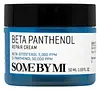
This barrier-repair moisturizer is formulated around Panthenol and Beta-Sitosterol to strengthen the skin barrier and calm redness.
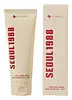
This barrier-repair moisturizer is formulated around Snail Secretion Filtrate and Oryza Sativa Extract to strengthen the skin barrier and calm redness.

What's inside
What's inside
 Key Ingredients
Benefits
Concerns
Ingredients Side-by-side
Water
Skin ConditioningPanthenol
Skin Conditioning




Dipropylene Glycol
HumectantPropanediol
Solvent
Methylpropanediol
SolventBetaine
Humectant
Octyldodecanol
Emollient
1,2-Hexanediol
Skin Conditioning
Candida Bombicola/Glucose/Methyl Rapeseedate Ferment
AntimicrobialPalmitic Acid
Emollient




Hydroxyethyl Acrylate/Sodium Acryloyldimethyl Taurate Copolymer
Emulsion StabilisingGlycerin
Humectant
Stearic Acid
Cleansing
Beta-Sitosterol 0.5%
Emulsion Stabilising
Squalane
Emollient
Vinyldimethicone

Ammonium Acryloyldimethyltaurate/Vp Copolymer
Jojoba Esters
Emollient
Glyceryl Stearate
Emollient
Stearyl Alcohol
Emollient
Cetyl Alcohol
Emollient
Polymethylsilsesquioxane
Phytosterols
Skin Conditioning
Helianthus Annuus Seed Wax
Skin Conditioning
Sodium Stearoyl Glutamate
CleansingEthylhexylglycerin
Skin ConditioningHelianthus Annuus Seed Oil
Emollient
Hydroxyethylcellulose
Emulsion StabilisingXanthan Gum
EmulsifyingDipotassium Glycyrrhizate
Humectant
Hydrogenated Lecithin
Emulsifying
Sorbitan Isostearate
Emulsifying
Sorbitan Olivate
Emulsifying
Adenosine
Skin Conditioning
Cetearyl Olivate
Citric Acid
Buffering

Musa Sapientum Fruit Extract
Skin ConditioningRosa Damascena Flower Water
Masking
Sodium Phytate
Pyrus Communis Fruit Extract
Skin ConditioningBiosaccharide Gum-1
Humectant
Prunus Domestica Fruit Extract
MoisturisingCucumis Melo Fruit Extract
Skin ConditioningCarthamus Tinctorius Seed Oil
Masking
Butyrospermum Parkii Butter
Skin Conditioning
Polyglycerin-3
Humectant
Butylene Glycol
Humectant
Hedera Helix Leaf/Stem Extract
AntimicrobialDisodium Phosphate
BufferingSodium Phosphate
BufferingTocopherol
Antioxidant


Lactococcus Ferment Lysate
Skin Conditioning
Bifida Ferment Lysate
Skin Conditioning
Acetyl Hexapeptide-8
Humectant
Lactobacillus Ferment Lysate
Skin Conditioning
Copper Tripeptide-1
Skin Conditioning
Palmitoyl Tripeptide-5
Skin Conditioning
Palmitoyl Tripeptide-1
Skin Conditioning
Palmitoyl Pentapeptide-4
Skin Conditioning
Nonapeptide-1
Skin Conditioning
Carnosine
Skin Conditioning
Acetyl Tetrapeptide-9
Skin Conditioning
Acetyl Tetrapeptide-5
Humectant
Acetyl Tetrapeptide-2
Skin Conditioning
Acetyl Octapeptide-3
Humectant
Acetyl Tetrapeptide-3
Skin Protecting
Water, Panthenol, Dipropylene Glycol, Propanediol, Methylpropanediol, Betaine, Octyldodecanol, 1,2-Hexanediol, Candida Bombicola/Glucose/Methyl Rapeseedate Ferment, Palmitic Acid, Hydroxyethyl Acrylate/Sodium Acryloyldimethyl Taurate Copolymer, Glycerin, Stearic Acid, Beta-Sitosterol 0.5%, Squalane, Vinyldimethicone, Ammonium Acryloyldimethyltaurate/Vp Copolymer, Jojoba Esters, Glyceryl Stearate, Stearyl Alcohol, Cetyl Alcohol, Polymethylsilsesquioxane, Phytosterols, Helianthus Annuus Seed Wax, Sodium Stearoyl Glutamate, Ethylhexylglycerin, Helianthus Annuus Seed Oil, Hydroxyethylcellulose, Xanthan Gum, Dipotassium Glycyrrhizate, Hydrogenated Lecithin, Sorbitan Isostearate, Sorbitan Olivate, Adenosine, Cetearyl Olivate, Citric Acid, Musa Sapientum Fruit Extract, Rosa Damascena Flower Water, Sodium Phytate, Pyrus Communis Fruit Extract, Biosaccharide Gum-1, Prunus Domestica Fruit Extract, Cucumis Melo Fruit Extract, Carthamus Tinctorius Seed Oil, Butyrospermum Parkii Butter, Polyglycerin-3, Butylene Glycol, Hedera Helix Leaf/Stem Extract, Disodium Phosphate, Sodium Phosphate, Tocopherol, Lactococcus Ferment Lysate, Bifida Ferment Lysate, Acetyl Hexapeptide-8, Lactobacillus Ferment Lysate, Copper Tripeptide-1, Palmitoyl Tripeptide-5, Palmitoyl Tripeptide-1, Palmitoyl Pentapeptide-4, Nonapeptide-1, Carnosine, Acetyl Tetrapeptide-9, Acetyl Tetrapeptide-5, Acetyl Tetrapeptide-2, Acetyl Octapeptide-3, Acetyl Tetrapeptide-3
Snail Secretion Filtrate
Skin Conditioning
Caprylic/Capric Triglyceride
Masking
1,2-Hexanediol
Skin Conditioning
Cetearyl Alcohol
Emollient
Dimethicone
Emollient
Water
Skin ConditioningCetearyl Olivate
Carbomer
Emulsion StabilisingArginine
Masking
Benzyl Glycol
SolventSorbitan Olivate
Emulsifying
Oryza Sativa Bran Water
Masking
Allantoin
Skin Conditioning
Sodium Polyacrylate
Absorbent
Ethylhexylglycerin
Skin ConditioningDisodium EDTA
Butylene Glycol
Humectant
Oryza Sativa Extract
Absorbent
Rice Ferment Filtrate
Skin Conditioning
Panthenol
Skin Conditioning
Ectoin
Skin Conditioning
Sodium Hyaluronate
Humectant
Snail Secretion Filtrate, Caprylic/Capric Triglyceride, 1,2-Hexanediol, Cetearyl Alcohol, Dimethicone, Water, Cetearyl Olivate, Carbomer, Arginine, Benzyl Glycol, Sorbitan Olivate, Oryza Sativa Bran Water, Allantoin, Sodium Polyacrylate, Ethylhexylglycerin, Disodium EDTA, Butylene Glycol, Oryza Sativa Extract, Rice Ferment Filtrate, Panthenol, Ectoin, Sodium Hyaluronate
Reviews
Ingredients Explained
These ingredients are found in both products.
Ingredients higher up in an ingredient list are typically present in a larger amount.
1,2-Hexanediol is a synthetic liquid and another multi-functional powerhouse.
It is a:
- Humectant, drawing moisture into the skin
- Emollient, helping to soften skin
- Solvent, dispersing and stabilizing formulas
- Preservative booster, enhancing the antimicrobial activity of other preservatives
Butylene Glycol (or BG) is used within cosmetic products for a few different reasons:
Overall, Butylene Glycol is a safe and well-rounded ingredient that works well with other ingredients.
Though this ingredient works well with most skin types, some people with sensitive skin may experience a reaction such as allergic rashes, closed comedones, or itchiness.
Learn more about Butylene GlycolCetearyl Olivate is a plant-derived emulsifier and texture enhancer. It helps keep the oil and water phases from separating so your formulas stay stable.
You'll likely see it combined with Sorbitan Olivate (together sold as the trade name Olivem 1000). This combination generates a liquid crystal structure that closely resemble the lipid organization of the stratum corneum.
These "skin-like" liquid crystals improve skin barrier integrity and promote the delivery of actives into the skin.
This ingredient is well-tolerated and has no significant sensitization data.
Because it is derived from the fatty acids in olive oil, this ingredient may not be fungal acne safe.
Learn more about Cetearyl OlivateEthylhexylglycerin is created from glycerin. It is a multitasker ingredient that:
The CIR Expert Panel found minimal skin absorption or sensitization of any kind in a safety assessment. Though this ingredient is considered well-tolerated, a small number of cases of allergic dermatitis have been published since 2002. Just be sure to patch test if you are unsure.
Industry-reported use ranges from 8% in rinse-off products and 2% in leave-on formulations.
Learn more about EthylhexylglycerinPanthenol is a common ingredient that helps hydrate and soothe the skin. It is found naturally in our skin and hair.
There are two forms of panthenol: D and L.
D-panthenol is also known as dexpanthenol. Most cosmetics use dexpanthenol or a mixture of D and L-panthenol.
Panthenol is famous due to its ability to go deeper into the skin's layers. Using this ingredient has numerous pros (and no cons):
Like hyaluronic acid, panthenol is a humectant. Humectants are able to bind and hold large amounts of water to keep skin hydrated.
This ingredient works well for wound healing. It works by increasing tissue in the wound and helps close open wounds.
Once oxidized, panthenol converts to pantothenic acid. Panthothenic acid is found in all living cells.
This ingredient is also referred to as pro-vitamin B5.
Learn more about PanthenolSorbitan Olivate is created from the fatty acids in olive oil and sorbitol.
This ingredient is an oil in water emulsifier. It helps stabilize a product by preventing oils and waters from separating. Sorbitan Olivate also helps hydrate the skin.
This ingredient is also known as part of Olivem 1000, with Cetearyl Olivate being the other part.
According to a manufacturer, this ingredient helps preserve the natural microbiome of skin. Having a healthy microbiome helps keep our skin healthy and protects against harmful bacteria.
Please note, having a healthy microbiome is different from fungal acne; a healthy microbiome includes small amounts of yeast that normally live on your skin without causing problems.
Fungal acne happens when one type of yeast (Malassezia) grows out of control. This is usually because it's feeding on certain oils or fatty acids. Due to the olive oil base, this ingredient may not be fungal acne safe.
Learn more about Sorbitan OlivateWater. It's the most common cosmetic ingredient of all. You'll usually see it at the top of ingredient lists, meaning that it makes up the largest part of the product.
So why is it so popular? Water most often acts as a solvent - this means that it helps dissolve other ingredients into the formulation.
You'll also recognize water as that liquid we all need to stay alive. If you see this, drink a glass of water. Remember to stay hydrated!
Learn more about Water

