
What's inside
What's inside
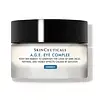 Key Ingredients
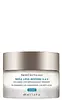
Benefits
Concerns
Ingredients Side-by-side
Water
Skin ConditioningGlycerin
Humectant



Dimethicone
Emollient
Isohexadecane
EmollientParaffin
Perfuming

Propylene Glycol
Humectant

Silica
Abrasive
Polyglyceryl-4 Isostearate
Emulsifying
Cetyl PEG/PPG-10/1 Dimethicone
Emulsifying
Hexyl Laurate
Emollient
Nylon-12

Hydroxypropyl Tetrahydropyrantriol
Skin ConditioningMethylsilanol/Silicate Crosspolymer
Skin ConditioningPolyethylene
Abrasive
Ascorbyl Glucoside
Antioxidant




Caprylic/Capric Triglyceride
Masking
Octyldodecanol
Emollient
Phenoxyethanol
Preservative
Tocopheryl Acetate
Antioxidant
Ammonium Polyacryloyldimethyl Taurate
Emulsion StabilisingPEG-6 Isostearate
Emulsifying
Triethanolamine
BufferingSodium Citrate
BufferingMethylparaben
Preservative
Chlorphenesin
Antimicrobial
Caffeine
Skin Conditioning

Titanium Dioxide
Cosmetic Colorant
Ethylparaben
Preservative
Menthoxypropanediol
Masking
Vaccinium Myrtillus Fruit Extract
Skin ConditioningHesperidin Methyl Chalcone
Antioxidant
Pentasodium Pentetate
Aluminum Hydroxide
EmollientStearic Acid
Cleansing
Hesperetin Laurate
Antioxidant
N-Hydroxysuccinimide
Skin ConditioningDipeptide-2
Skin Conditioning
Palmitoyl Tetrapeptide-7
Skin Conditioning
Palmitoyl Oligopeptide
Cleansing
Chrysin
Skin ConditioningWater, Glycerin, Dimethicone, Isohexadecane, Paraffin, Propylene Glycol, Silica, Polyglyceryl-4 Isostearate, Cetyl PEG/PPG-10/1 Dimethicone, Hexyl Laurate, Nylon-12, Hydroxypropyl Tetrahydropyrantriol, Methylsilanol/Silicate Crosspolymer, Polyethylene, Ascorbyl Glucoside, Caprylic/Capric Triglyceride, Octyldodecanol, Phenoxyethanol, Tocopheryl Acetate, Ammonium Polyacryloyldimethyl Taurate, PEG-6 Isostearate, Triethanolamine, Sodium Citrate, Methylparaben, Chlorphenesin, Caffeine, Titanium Dioxide, Ethylparaben, Menthoxypropanediol, Vaccinium Myrtillus Fruit Extract, Hesperidin Methyl Chalcone, Pentasodium Pentetate, Aluminum Hydroxide, Stearic Acid, Hesperetin Laurate, N-Hydroxysuccinimide, Dipeptide-2, Palmitoyl Tetrapeptide-7, Palmitoyl Oligopeptide, Chrysin
Water
Skin ConditioningDimethicone
Emollient
Hydrogenated Polyisobutene
EmollientGlycerin
Humectant
Cholesterol
Emollient
C12-15 Alkyl Benzoate
AntimicrobialCeramide NP
Skin Conditioning
Helianthus Annuus Seed Oil Unsaponifiables
Emollient
Bis-PEG-18 Methyl Ether Dimethyl Silane
EmollientSodium Polyacrylate
Absorbent
PEG-10 Dimethicone
Skin Conditioning
Nylon-12
Lauryl PEG-9 Polydimethylsiloxyethyl Dimethicone
Skin Conditioning
Dimethicone/PEG-10/15 Crosspolymer
Phenoxyethanol
Preservative
Disteardimonium Hectorite
StabilisingHydroxyethylpiperazine Ethane Sulfonic Acid
BufferingAmmonium Polyacryloyldimethyl Taurate
Emulsion StabilisingChlorphenesin
Antimicrobial
Caprylyl Glycol
Emollient
PEG/PPG-18/18 Dimethicone
Emulsifying
Propylene Carbonate
SolventDisodium EDTA
Acrylonitrile/Methyl Methacrylate/Vinylidene Chloride Copolymer
Adenosine
Skin Conditioning
Dipropylene Glycol
HumectantLavandula Angustifolia Oil
Masking
Rosmarinus Officinalis Leaf Oil
Masking
T-Butyl Alcohol
Perfuming

Mentha Piperita Oil
Masking
Sodium Citrate
BufferingLinalool
Perfuming
Isobutane
Ceramide EOP
Skin Conditioning
BHT
Antioxidant
Tocopherol
Antioxidant
Limonene
Perfuming
Ceramide AP
Skin Conditioning
Water, Dimethicone, Hydrogenated Polyisobutene, Glycerin, Cholesterol, C12-15 Alkyl Benzoate, Ceramide NP, Helianthus Annuus Seed Oil Unsaponifiables, Bis-PEG-18 Methyl Ether Dimethyl Silane, Sodium Polyacrylate, PEG-10 Dimethicone, Nylon-12, Lauryl PEG-9 Polydimethylsiloxyethyl Dimethicone, Dimethicone/PEG-10/15 Crosspolymer, Phenoxyethanol, Disteardimonium Hectorite, Hydroxyethylpiperazine Ethane Sulfonic Acid, Ammonium Polyacryloyldimethyl Taurate, Chlorphenesin, Caprylyl Glycol, PEG/PPG-18/18 Dimethicone, Propylene Carbonate, Disodium EDTA, Acrylonitrile/Methyl Methacrylate/Vinylidene Chloride Copolymer, Adenosine, Dipropylene Glycol, Lavandula Angustifolia Oil, Rosmarinus Officinalis Leaf Oil, T-Butyl Alcohol, Mentha Piperita Oil, Sodium Citrate, Linalool, Isobutane, Ceramide EOP, BHT, Tocopherol, Limonene, Ceramide AP
Reviews
Ingredients Explained
These ingredients are found in both products.
Ingredients higher up in an ingredient list are typically present in a larger amount.
Ammonium Polyacryloyldimethyl Taurate is a polymer made from ammonium salts. It helps add stability and texture to a product. This ingredient is stable over a wide pH range.
Due to its ability to absorb water, it can help thicken the texture of a product. As an emulsion stabilizer, this ingredient is stabilizes other ingredients to create a consistent texture.
According to a manufacturer, it helps create a "smooth, light and fresh" texture.
Learn more about Ammonium Polyacryloyldimethyl TaurateChlorphenesin is a synthetic preservative. It helps protect a product against bacteria in order to extend shelf life. In most cases, Chlorphenesin is paired with other preservatives such as phenoxyethanol and caprylyl glycol.
Chlorphenesin is a biocide. This means it is able to help fight the microorganisms on our skin. It is also able to fight odor-releasing bacteria.
Chlorphenesin is soluble in both water and glycerin.
Studies show Chlorphenesin is easily absorbed by our skin. You should speak with a skincare professional if you have concerns about using Chlorphenesin.
Learn more about ChlorphenesinDimethicone is a type of synthetic silicone created from natural materials such as quartz.
What it does:
Dimethicone comes in different viscosities:
Depending on the viscosity, dimethicone has different properties.
Ingredients lists don't always show which type is used, so we recommend reaching out to the brand if you have questions about the viscosity.
This ingredient is unlikely to cause irritation because it does not get absorbed into skin. However, people with silicone allergies should be careful about using this ingredient.
Note: Dimethicone may contribute to pilling. This is because it is not oil or water soluble, so pilling may occur when layered with products. When mixed with heavy oils in a formula, the outcome is also quite greasy.
Learn more about DimethiconeGlycerin is already naturally found in your skin. It helps moisturize and protect your skin.
A study from 2016 found glycerin to be more effective as a humectant than AHAs and hyaluronic acid.
As a humectant, it helps the skin stay hydrated by pulling moisture to your skin. The low molecular weight of glycerin allows it to pull moisture into the deeper layers of your skin.
Hydrated skin improves your skin barrier; Your skin barrier helps protect against irritants and bacteria.
Glycerin has also been found to have antimicrobial and antiviral properties. Due to these properties, glycerin is often used in wound and burn treatments.
In cosmetics, glycerin is usually derived from plants such as soybean or palm. However, it can also be sourced from animals, such as tallow or animal fat.
This ingredient is organic, colorless, odorless, and non-toxic.
Glycerin is the name for this ingredient in American English. British English uses Glycerol/Glycerine.
Learn more about GlycerinNylon-12 is a polymer. It is derived from 12-aminododecanoic acid, an omega-amino fatty acid
According to a manufacturer, it is a talc substitute. Like talc, nylon-12 gives products a satin feel. The manufacturer also claims this ingredients does not block pores and has moderate oil absorption.
This ingredient may not be reef-safe.
Learn more about Nylon-12Phenoxyethanol is a preservative that has germicide, antimicrobial, and aromatic properties. Studies show that phenoxyethanol can prevent microbial growth. By itself, it has a scent that is similar to that of a rose.
It's often used in formulations along with Caprylyl Glycol to preserve the shelf life of products.
Sodium Citrate is the sodium salts of citric acid. In skincare, it is used to alter pH levels and acts as a preservative.
Its main functions are to maintain the pH of a product and neutralize metal ions.
The acidity of our skin is maintained by our glands and skin biome; normal pH level of skin is slightly acidic (~4.75-5.5).
Being slightly acidic allows our skin to create an "acid mantle". This acid mantle is a thin barrier that protects our skin from bacteria and contaminants.
Learn more about Sodium CitrateWater. It's the most common cosmetic ingredient of all. You'll usually see it at the top of ingredient lists, meaning that it makes up the largest part of the product.
So why is it so popular? Water most often acts as a solvent - this means that it helps dissolve other ingredients into the formulation.
You'll also recognize water as that liquid we all need to stay alive. If you see this, drink a glass of water. Stay hydrated!
Learn more about Water
