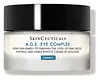
This anti-aging eye moisturizer is formulated around Palmitoyl Tetrapeptide-7 to soften the look of wrinkles and fade the look of dark spots.
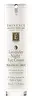
This anti-aging eye moisturizer is formulated around Aloe Barbadensis Leaf Juice and Oryza Sativa Extract to soften the look of wrinkles and hydrate skin.


What's inside
What's inside
 Key Ingredients
Benefits
Concerns
Ingredients Side-by-side
Water
Skin ConditioningGlycerin
Humectant


Dimethicone
Emollient
Isohexadecane
EmollientParaffin
Skin Conditioning
Propylene Glycol
Humectant

Silica
Abrasive


Polyglyceryl-4 Isostearate
Emulsifying
Cetyl PEG/PPG-10/1 Dimethicone
Emulsifying
Hexyl Laurate
Emollient
Nylon-12

Hydroxypropyl Tetrahydropyrantriol
Skin ConditioningMethylsilanol/Silicate Crosspolymer
Skin ConditioningPolyethylene
Abrasive
Ascorbyl Glucoside
Antioxidant



Caprylic/Capric Triglyceride
Masking
Octyldodecanol
Emollient
Phenoxyethanol
Preservative
Tocopheryl Acetate
Antioxidant
Ammonium Polyacryloyldimethyl Taurate
Emulsion StabilisingPEG-6 Isostearate
Emulsifying
Triethanolamine
BufferingSodium Citrate
BufferingMethylparaben
Preservative
Chlorphenesin
Antimicrobial
Caffeine
Skin Conditioning
Titanium Dioxide
Cosmetic Colorant
Ethylparaben
Preservative
Menthoxypropanediol
Masking
Vaccinium Myrtillus Fruit Extract
Skin ConditioningHesperidin Methyl Chalcone
Antioxidant
Pentasodium Pentetate
Aluminum Hydroxide
EmollientStearic Acid
Cleansing
Hesperetin Laurate
Antioxidant
N-Hydroxysuccinimide
Skin ConditioningDipeptide-2
Skin Conditioning
Palmitoyl Tetrapeptide-7
Skin Conditioning
Palmitoyl Oligopeptide
Cleansing
Chrysin
Skin ConditioningWater, Glycerin, Dimethicone, Isohexadecane, Paraffin, Propylene Glycol, Silica, Polyglyceryl-4 Isostearate, Cetyl PEG/PPG-10/1 Dimethicone, Hexyl Laurate, Nylon-12, Hydroxypropyl Tetrahydropyrantriol, Methylsilanol/Silicate Crosspolymer, Polyethylene, Ascorbyl Glucoside, Caprylic/Capric Triglyceride, Octyldodecanol, Phenoxyethanol, Tocopheryl Acetate, Ammonium Polyacryloyldimethyl Taurate, PEG-6 Isostearate, Triethanolamine, Sodium Citrate, Methylparaben, Chlorphenesin, Caffeine, Titanium Dioxide, Ethylparaben, Menthoxypropanediol, Vaccinium Myrtillus Fruit Extract, Hesperidin Methyl Chalcone, Pentasodium Pentetate, Aluminum Hydroxide, Stearic Acid, Hesperetin Laurate, N-Hydroxysuccinimide, Dipeptide-2, Palmitoyl Tetrapeptide-7, Palmitoyl Oligopeptide, Chrysin
Aloe Barbadensis Leaf Juice
Skin Conditioning
Bambusa Vulgaris Leaf Extract
Skin ConditioningOryza Sativa Extract
Absorbent
Camellia Sinensis Leaf Extract
Antimicrobial
Vitis Vinifera Seed Oil
Emollient
Calendula Officinalis Flower Oil
Masking

Prunus Armeniaca Kernel Oil
Masking
Jasminum Officinale Flower Extract
Masking
Honey
Humectant
Maltodextrin
Absorbent
Glycerin
Humectant
Zea Mays Silk Extract
Skin ConditioningHeptyl Glucoside
SurfactantCetearyl Alcohol
Emollient
Sodium Cetearyl Sulfate
Cleansing
Butyrospermum Parkii Butter
Skin Conditioning
Zea Mays Germ Oil
Emollient
Caesalpinia Spinosa Gum
Skin ConditioningCaprylic/Capric Triglyceride
Masking
Myristica Fragrans Extract
MaskingGlyceryl Stearate
Emollient
Tocopherol
Antioxidant
Argania Spinosa Kernel Oil
Emollient
Benzyl Alcohol
Perfuming

Dehydroacetic Acid
Preservative
Methyl Glucose Sesquistearate
Emollient
Xanthan Gum
EmulsifyingLavandula Angustifolia Oil
Masking
Dimethyl Isosorbide
SolventSesamum Indicum Seed Extract
Skin Conditioning
Argania Spinosa Callus Culture Extract
Skin ConditioningIsomalt
HumectantSodium Salicylate
Preservative
Lactic Acid
Buffering
Calcium Ascorbate
Antioxidant
Lecithin
Emollient
Euterpe Oleracea Fruit Extract
Citrus Limon Fruit Extract
Masking
Malpighia Emarginata Fruit Extract
Skin ConditioningPhyllanthus Emblica Fruit Extract
HumectantAdansonia Digitata Seed Oil
Emollient
Myrciaria Dubia Fruit Extract
Skin ConditioningDaucus Carota Sativa Root Extract
Skin Conditioning
Cocos Nucifera Water
Masking
Lycium Barbarum Fruit Extract
Astringent
Tapioca Starch
Thioctic Acid
Antioxidant
Oenothera Biennis Oil
Emollient
Aloe Barbadensis Leaf Juice, Bambusa Vulgaris Leaf Extract, Oryza Sativa Extract, Camellia Sinensis Leaf Extract, Vitis Vinifera Seed Oil, Calendula Officinalis Flower Oil, Prunus Armeniaca Kernel Oil, Jasminum Officinale Flower Extract, Honey, Maltodextrin, Glycerin, Zea Mays Silk Extract, Heptyl Glucoside, Cetearyl Alcohol, Sodium Cetearyl Sulfate, Butyrospermum Parkii Butter, Zea Mays Germ Oil, Caesalpinia Spinosa Gum, Caprylic/Capric Triglyceride, Myristica Fragrans Extract, Glyceryl Stearate, Tocopherol, Argania Spinosa Kernel Oil, Benzyl Alcohol, Dehydroacetic Acid, Methyl Glucose Sesquistearate, Xanthan Gum, Lavandula Angustifolia Oil, Dimethyl Isosorbide, Sesamum Indicum Seed Extract, Argania Spinosa Callus Culture Extract, Isomalt, Sodium Salicylate, Lactic Acid, Calcium Ascorbate, Lecithin, Euterpe Oleracea Fruit Extract, Citrus Limon Fruit Extract, Malpighia Emarginata Fruit Extract, Phyllanthus Emblica Fruit Extract, Adansonia Digitata Seed Oil, Myrciaria Dubia Fruit Extract, Daucus Carota Sativa Root Extract, Cocos Nucifera Water, Lycium Barbarum Fruit Extract, Tapioca Starch, Thioctic Acid, Oenothera Biennis Oil
Reviews
Ingredients Explained
These ingredients are found in both products.
Ingredients higher up in an ingredient list are typically present in a larger amount.
Caprylic/Capric Triglyceride (aka MCT Oil) is a lightweight emollient, solvent, and texture enhancer. It is considered a skin-softener by helping to prevent moisture loss.
Though it behaves like an oil, it is not technically one due to its chemical composition. One perk of this ingredient is that it is very stable, resistant to oxidation, and unlikely to go rancid.
In practice, that translates to a long shelf life and a consistently elegant skin feel.
While there is an assumption Caprylic Triglyceride can clog pores due to it being derived from coconut oil, there is no research supporting this. Just patch test if you have concerns.
Fractionated coconut oil and MCT Oil are both listed as Caprylic/Capric Triglyceride according to INCI. This is because INCI names are based on the ingredient’s final chemical composition and not its marketing name or source.
This ingredient is treated as the gold standard fungal acne safe oil. Even though it is coconut derived, the problematic lauric acid is stripped out.
This leaves just caprylic (C8) and capric (C10) acid. These chain lengths actually trend antifungal; a 2020 study found caprylic acid was enough to disrupt Malassezia furfur cell membrane, with a caprylic acid derivative damaging membrane structures at concentrations as low as 0.2%.
Learn more about Caprylic/Capric TriglycerideGlycerin (or glycerol) is a compound naturally found in your skin. It's a powerhouse humectant that pulls water into the stratum corneum.
Topically, glycerin does several things at once:
Your skin makes glycerin on its own (mostly from sebaceous oil breakdown) and shuttles it to your outermost layer of skin, or your epidermis, via aquaporin-3.
Aquaporin-3 is a transporter that is essential for normal skin hydration, elasticity, and repair. Interestingly, mice lacking in AQP3 have dry and less elastic skin that can be fully corrected with glycerin.
This ingredient is non-irritating, plays well with almost every ingredient, and works across all skin types. Typical use is anywhere between 3-10% but can go up to 79% in some leave-on products.
Just know very high concentrations (>40%) can feel tacky in low humidity.
Glycerin is the name for this ingredient in American English. British English uses Glycerol/Glycerine.
Learn more about Glycerin

