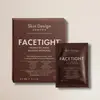
This anti-aging sheet mask is formulated around Copper Tripeptide-1 and Acetyl Hexapeptide-8 to soften the look of wrinkles.


What's inside
What's inside
 Key Ingredients
Benefits
Concerns
Ingredients Side-by-side
Water
Skin ConditioningGlycerin
Humectant


Butylene Glycol
Humectant
Agar
MaskingGlucomannan
Skin ConditioningAcetyl Hexapeptide-30
Skin Conditioning

Copper Tripeptide-1
Skin Conditioning
Tin Oxide
Abrasive
Acetyl Hexapeptide-8
Humectant
Arginine
Masking
Palmitoyl Pentapeptide-4
Skin Conditioning
Tripeptide-2
Skin Conditioning
Pentapeptide-3
Skin Conditioning
Acetyl Tetrapeptide-2
Skin Conditioning
Acetyl Octapeptide-3
Humectant
Dipeptide Diaminobutyroyl Benzylamide Diacetate
Skin Conditioning
Nonapeptide-1
Skin Conditioning
Hexapeptide-2
Bleaching
Acetyl Tetrapeptide-3
Skin Protecting
Palmitoyl Tripeptide-1
Skin Conditioning
Tripeptide-3
Skin Conditioning
Hexapeptide-9
Skin Conditioning
Acetyl Tripeptide-1
Skin Conditioning
Dipeptide-2
Skin Conditioning
Dipeptide-4
Skin Conditioning
Palmitoyl Tripeptide-5
Skin Conditioning
Oligopeptide-6
Skin Conditioning
Acetyl Tetrapeptide-5
Humectant
Chondrus Crispus Extract
Skin Conditioning


Ceratonia Siliqua Gum
EmollientCellulose Gum
Emulsion StabilisingEthylhexyl Palmitate
Emollient


1,2-Hexanediol
Skin Conditioning
Ascophyllum Nodosum Extract
Skin Conditioning
Pinus Sylvestris Leaf Extract
TonicEpilobium Angustifolium Flower/Leaf/Stem Extract
Skin ConditioningIllicium Verum Fruit Extract
Perfuming
Sucrose
Humectant
Mica
Cosmetic ColorantPolyglyceryl-10 Isostearate
Skin Conditioning
Titanium/Titanium Dioxide
Cosmetic ColorantCalcium Lactate
AstringentXanthan Gum
EmulsifyingPolyglyceryl-10 Oleate
Skin Conditioning
Maltodextrin
Absorbent
Tetrasodium Glutamate Diacetate
ChelatingSodium Hyaluronate
Humectant
Scutellaria Baicalensis Root Extract
Astringent
Synthetic Fluorphlogopite
Trihydroxystearin
Skin Conditioning
Titanium Dioxide
Cosmetic Colorant

CI 77491
Cosmetic ColorantCI 77499
Cosmetic ColorantCaprylyl Glycol
Emollient
Iron Oxides
Water, Glycerin, Butylene Glycol, Agar, Glucomannan, Acetyl Hexapeptide-30, Copper Tripeptide-1, Tin Oxide, Acetyl Hexapeptide-8, Arginine, Palmitoyl Pentapeptide-4, Tripeptide-2, Pentapeptide-3, Acetyl Tetrapeptide-2, Acetyl Octapeptide-3, Dipeptide Diaminobutyroyl Benzylamide Diacetate, Nonapeptide-1, Hexapeptide-2, Acetyl Tetrapeptide-3, Palmitoyl Tripeptide-1, Tripeptide-3, Hexapeptide-9, Acetyl Tripeptide-1, Dipeptide-2, Dipeptide-4, Palmitoyl Tripeptide-5, Oligopeptide-6, Acetyl Tetrapeptide-5, Chondrus Crispus Extract, Ceratonia Siliqua Gum, Cellulose Gum, Ethylhexyl Palmitate, 1,2-Hexanediol, Ascophyllum Nodosum Extract, Pinus Sylvestris Leaf Extract, Epilobium Angustifolium Flower/Leaf/Stem Extract, Illicium Verum Fruit Extract, Sucrose, Mica, Polyglyceryl-10 Isostearate, Titanium/Titanium Dioxide, Calcium Lactate, Xanthan Gum, Polyglyceryl-10 Oleate, Maltodextrin, Tetrasodium Glutamate Diacetate, Sodium Hyaluronate, Scutellaria Baicalensis Root Extract, Synthetic Fluorphlogopite, Trihydroxystearin, Titanium Dioxide, CI 77491, CI 77499, Caprylyl Glycol, Iron Oxides
Water
Skin ConditioningBentonite
Absorbent


Glycerin
Humectant
Hydrogenated Castor Oil
Emollient
Propanediol
Solvent
Cetyl Alcohol
Emollient
Glyceryl Stearate
Emollient
Kaolin
Abrasive
Stearic Acid
Cleansing
PEG-100 Stearate
Surfactant
Ricinus Communis Seed Oil
Masking
Glyceryl Caprylate
EmollientButyrospermum Parkii Butter
Skin Conditioning
Menthyl Lactate
Masking
Lecithin
Emollient
Dimethicone
Emollient
Leuconostoc/Radish Root Ferment Filtrate
Antimicrobial
Panthenol
Skin Conditioning
Titanium Dioxide
Cosmetic Colorant
Caprylyl Glycol
Emollient
1,2-Hexanediol
Skin Conditioning
Butylene Glycol
Humectant
Xanthan Gum
EmulsifyingCarrageenan
Vaccinium Myrtillus Fruit Extract
Skin ConditioningPseudoalteromonas Ferment Extract
Humectant
Camellia Sinensis Leaf Extract
Antimicrobial

Rosmarinus Officinalis Leaf Extract
AntimicrobialArctostaphylos Uva-Ursi Leaf Extract
Skin Conditioning
Cucumis Sativus Fruit Extract
Emollient
Tocopheryl Acetate
Antioxidant
PEG-8
HumectantAminopeptidase
Skin ConditioningProtease
Exfoliating
Saccharum Officinarum Extract
MoisturisingTriethyl Citrate
Masking
Citric Acid
Buffering
Glyceryl Undecylenate
Emollient
Hydrolyzed Wheat Protein
Skin ConditioningLavandula Angustifolia Flower/Leaf/Stem Extract
Masking
Hydrolyzed Soy Protein
Humectant
Acer Saccharum Extract
Skin ConditioningCitrus Aurantium Dulcis Fruit Extract
MaskingCitrus Medica Limonum Fruit Extract
Skin ConditioningCitrus Limon Peel Extract
EmollientSodium Hyaluronate
Humectant
Tetrahexyldecyl Ascorbate
Antioxidant
Pyrus Malus Fruit Extract
Skin Conditioning
Rubus Idaeus Fruit Extract
AstringentBupleurum Falcatum Root Extract
Skin ConditioningPotassium Sorbate
Preservative
Acetyl Hexapeptide-8
Humectant
Salvia Officinalis Leaf Extract
CleansingUbiquinone
Antioxidant
Vanilla Planifolia Fruit Extract
Skin Conditioning
Tripeptide-10 Citrulline
Skin Conditioning
Carbomer
Emulsion StabilisingCaffeine
Skin Conditioning
Coenzyme A
Skin ConditioningSalvia Sclarea Extract
AntiseborrhoeicVaccinium Macrocarpon Fruit Extract
AstringentZingiber Officinale Root Extract
Masking
Tripeptide-1
Skin Conditioning
Water, Bentonite, Glycerin, Hydrogenated Castor Oil, Propanediol, Cetyl Alcohol, Glyceryl Stearate, Kaolin, Stearic Acid, PEG-100 Stearate, Ricinus Communis Seed Oil, Glyceryl Caprylate, Butyrospermum Parkii Butter, Menthyl Lactate, Lecithin, Dimethicone, Leuconostoc/Radish Root Ferment Filtrate, Panthenol, Titanium Dioxide, Caprylyl Glycol, 1,2-Hexanediol, Butylene Glycol, Xanthan Gum, Carrageenan, Vaccinium Myrtillus Fruit Extract, Pseudoalteromonas Ferment Extract, Camellia Sinensis Leaf Extract, Rosmarinus Officinalis Leaf Extract, Arctostaphylos Uva-Ursi Leaf Extract, Cucumis Sativus Fruit Extract, Tocopheryl Acetate, PEG-8, Aminopeptidase, Protease, Saccharum Officinarum Extract, Triethyl Citrate, Citric Acid, Glyceryl Undecylenate, Hydrolyzed Wheat Protein, Lavandula Angustifolia Flower/Leaf/Stem Extract, Hydrolyzed Soy Protein, Acer Saccharum Extract, Citrus Aurantium Dulcis Fruit Extract, Citrus Medica Limonum Fruit Extract, Citrus Limon Peel Extract, Sodium Hyaluronate, Tetrahexyldecyl Ascorbate, Pyrus Malus Fruit Extract, Rubus Idaeus Fruit Extract, Bupleurum Falcatum Root Extract, Potassium Sorbate, Acetyl Hexapeptide-8, Salvia Officinalis Leaf Extract, Ubiquinone, Vanilla Planifolia Fruit Extract, Tripeptide-10 Citrulline, Carbomer, Caffeine, Coenzyme A, Salvia Sclarea Extract, Vaccinium Macrocarpon Fruit Extract, Zingiber Officinale Root Extract, Tripeptide-1
Ingredients Explained
These ingredients are found in both products.
Ingredients higher up in an ingredient list are typically present in a larger amount.
1,2-Hexanediol is a synthetic liquid and another multi-functional powerhouse.
It is a:
- Humectant, drawing moisture into the skin
- Emollient, helping to soften skin
- Solvent, dispersing and stabilizing formulas
- Preservative booster, enhancing the antimicrobial activity of other preservatives
Acetyl Hexapeptide-8 (also known as Argireline) is a synthetic hexapeptide that is often called a "topical Botox alternative".
It works by mimicking how Botox relaxes muscles; it interferes with the signaling process that tells your facial muscles to contract. This can help soften expression lines like forehead wrinkles or crow's feet over time.
The comparison to Botox does have limits because the molecule is water-loving and relatively large.
Acetyl Hexapeptide-8 has a hard time absorbing deeply enough through the skin's outer barrier to actually reach the muscles.
So whether it truly works the way Botox does at a biological level is still up for debate, but early clinical outcomes are fairly encouraging.
A 12 week human study of a multi-ingredient regimen containing this ingredient saw:
While some studies have observed improvements in wrinkle appearance, it is important to note that more consistent results are seen in multi-ingredient formulations (vs just Acetyl Hexapeptide-8 alone).
Some research studies also used higher concentrations (up to 10%) while this ingredient is usually found in concentrations up to 0.005% in leave-on formulations.
Learn more about Acetyl Hexapeptide-8Butylene Glycol (or BG) is used within cosmetic products for a few different reasons:
Overall, Butylene Glycol is a safe and well-rounded ingredient that works well with other ingredients.
Though this ingredient works well with most skin types, some people with sensitive skin may experience a reaction such as allergic rashes, closed comedones, or itchiness.
Learn more about Butylene GlycolCaprylyl Glycol is a humectant, skin conditioner, emollient, and preservative booster derived from either caprylic acid or synthetically created.
Typical use levels vary from 0.3-1% as a preservative booster and go up to 2% to condition skin.
Because it is not a free-fatty acid, this ingredient is fungal acne safe (there's nothing for Malassezia to feed on).
Learn more about Caprylyl GlycolGlycerin (or glycerol) is a compound naturally found in your skin. It's a powerhouse humectant that pulls water into the stratum corneum.
Topically, glycerin does several things at once:
Your skin makes glycerin on its own (mostly from sebaceous oil breakdown) and shuttles it to your outermost layer of skin, or your epidermis, via aquaporin-3.
Aquaporin-3 is a transporter that is essential for normal skin hydration, elasticity, and repair. Interestingly, mice lacking in AQP3 have dry and less elastic skin that can be fully corrected with glycerin.
This ingredient is non-irritating, plays well with almost every ingredient, and works across all skin types. Typical use is anywhere between 3-10% but can go up to 79% in some leave-on products.
Just know very high concentrations (>40%) can feel tacky in low humidity.
Glycerin is the name for this ingredient in American English. British English uses Glycerol/Glycerine.
Learn more about GlycerinSodium Hyaluronate is the salt form of hyaluronic acid. It is a long sugar chain that is naturally found in your skin, joints, and connective tissue that maintains hydration and elasticity.
In skincare, it works as a humectant. It pulls water from the environment and deeper layers of skin and binds it to the surface.
Interestingly, the size of the molecule affects its behavior:
Some clinical evidence links low molecular weight versions to improved wrinkle depth, elasticity, anti-inflammatory effects, and barrier repair.
Many serums use a blend of both weights so you can get surface hydration plus longer-lasting and deeper effects.
You'll typically see concentrations between 0.1-2% for this ingredient.
Learn more about Sodium HyaluronateTitanium Dioxide (TD) is a mineral UV filter widely used in sunscreens and cosmetics.
It's one of only two UV filters officially classified as "mineral" by regulatory agencies (the other being Zinc Oxide).
A really common myth is that mineral filters work by reflecting UV light off your skin like tiny mirrors.
They don't only do that; modern research shows TD protects mostly by absorbing UV radiation, the same way chemical filters do.
When researchers measured this, reflection accounted for only about 4-5% of the protection (and less than SPF 2 on its own). The other ~95% comes from absorption: the UV photons hit the particle and their energy gets soaked up by its semiconductor band gap rather than bouncing off.
So "reflects vs. absorbs" was never really the right way to split mineral from chemical filters.
TD gives broad-spectrum protection that's strongest in the UVB and UVA-2 range and weaker in the UVA-1 range. Its UVA protection isn't quite as strong as Zinc Oxide's which is why you'll often see the two paired together.
Together, they make a solid broad-spectrum system.
TD is a great pick for sensitive, acne-prone, or redness-prone skin because it's non-irritating and chemically inert. Regulatory reviews classify it as a non-sensitizer and mild-to-non-irritant.
It's also unlikely to cause the "eye sting" some chemical filters are known for.
The main trade-off is cosmetic; TD can leave a white cast and has a thicker texture. This is why mineral sunscreens are often less cosmetically elegant than chemical or hybrid formulas (and harder to shade-match on deeper skin tones).
Formulators often use micronized or nano-sized TD to cut down on white case and improve spreadability. Smaller particles scatter less visible light so the formula looks less chalky while still filtering UV.
TD is almost always bundled with coatings like Alumina, Silica, Stearic Acid, or Dimethicone. These coatings do two important jobs:
TD can be used at up to 25% in a finished sunscreen; this is the regulatory ceiling in both the US and the EU.
In practice, the amount in any given product varies a lot depending on the target SPF and whether it's paired with other UV filters.
TD is one of the most heavily vetted sunscreen ingredients out there. It is approved as a UV filter in all major markets worldwide, including the US, EU, UK, Japan, Korea, China, Australia, and Canada.
The safety evidence is solid. There was an old worry that nano particles might absorb through skin into the body but multiple studies (including on damaged, sunburned, and UV-irradiated skin) have shown that TD stays on the surface and the layer of dead skin cells on top of everything else.
There's also no evidence of carcinogenicity, mutagenicity, or reproductive toxicity from dermal exposure of this ingredient.
For those who have seen the headline about a 2022 EU ban on TD, that was on TD as a food additive (a complete separate use from topical sunscreen).
There are ongoing questions about how nano-TD might affect marine ecosystems. As of now, there has been no conclusive evidence that any form of TD (or any other sunscreen filter) harms coral reefs or marine life.
The science is still developing and it's a space worth watching rather than packing over.
However, several destinations have reef-safety sunscreen rules that restrict certain chemical filters and steer visitors toward mineral, non-nano options. If you're traveling somewhere with these rules, a non-nano mineral sunscreen is the safe bet.
Learn more about Titanium DioxideWater. It's the most common cosmetic ingredient of all. You'll usually see it at the top of ingredient lists, meaning that it makes up the largest part of the product.
So why is it so popular? Water most often acts as a solvent - this means that it helps dissolve other ingredients into the formulation.
You'll also recognize water as that liquid we all need to stay alive. If you see this, drink a glass of water. Remember to stay hydrated!
Learn more about WaterXanthan gum is used as a stabilizer and thickener within cosmetic products. It helps give products a sticky, thick feeling - preventing them from being too runny.
On the technical side of things, xanthan gum is a polysaccharide - a combination consisting of multiple sugar molecules bonded together.
Xanthan gum is a pretty common and great ingredient. It is a natural, non-toxic, non-irritating ingredient that is also commonly used in food products.
Learn more about Xanthan Gum

