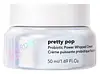
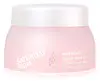
Saturday Skin Pretty Pop Probiotic Power Whipped Cream Versus Saturday Skin Waterfall glacier Water Cream
This barrier-repair moisturizer is formulated around Niacinamide and Lactobacillus Ferment to strengthen the skin barrier.
This moisturizer is formulated around Sh-Oligopeptide-1 and Sh-Polypeptide-22 to soften signs of aging and support scar healing.

What's inside
What's inside
 Key Ingredients
Benefits
Concerns
Ingredients Side-by-side
Water
Skin ConditioningGlycerin
Humectant


Palmitic Acid
Emollient




Isopropyl Myristate
Emollient
Stearic Acid
Cleansing
Butylene Glycol
Humectant
Hydrogenated Poly(C6-14 Olefin)
EmollientNiacinamide
Smoothing









Alcohol Denat.
Antimicrobial

1,2-Hexanediol
Skin Conditioning
Butyrospermum Parkii Butter
Skin Conditioning
Dimethicone
Emollient
Polysorbate 60
Emulsifying
Glyceryl Stearate
Emollient
PEG-100 Stearate
Surfactant
Zea Mays Starch
Absorbent
Mannitol
Humectant
Microcrystalline Cellulose
AbsorbentPhenoxyethanol
Preservative
Acrylates/C10-30 Alkyl Acrylate Crosspolymer
Emulsion StabilisingCaprylyl Glycol
Emollient
Tromethamine
BufferingSucrose
Humectant
Citrus Limon Peel Oil
Masking



Adenosine
Skin Conditioning
Tocopheryl Acetate
Antioxidant

Juniperus Mexicana Oil
Masking
Disodium EDTA
ChelatingHydrolyzed Hibiscus Esculentus Extract
Skin ConditioningLupinus Albus Seed Extract
Skin ConditioningMoringa Oleifera Seed Extract
Skin Conditioning
Alpha-Glucan Oligosaccharide
Cleansing
Citrus Aurantium Dulcis Peel Oil
Masking
Citrus Grandis Peel Oil
Masking
Eucalyptus Globulus Leaf Oil
Perfuming
Lavandula Angustifolia Oil
Masking
Rosmarinus Officinalis Leaf Oil
Masking
Polymnia Sonchifolia Root Juice
Skin ConditioningHydrogenated Lecithin
Emulsifying
Maltodextrin
Absorbent
Cholesterol
Emollient
Lactobacillus Ferment
Skin Conditioning
Lactococcus Ferment Lysate
Skin Conditioning
PEG-800
HumectantBifida Ferment Lysate
Skin Conditioning
Lactobacillus
Skin ConditioningStreptococcus Thermophilus Ferment
Humectant
Polysorbate 20
Emulsifying
Ethylhexylglycerin
Skin ConditioningSh-Oligopeptide-1
Skin Conditioning
Sh-Polypeptide-1
Skin Conditioning
Sh-Oligopeptide-2
Skin Conditioning
Sh-Polypeptide-22
Skin Conditioning
Sh-Polypeptide-45
Skin Conditioning
Sh-Polypeptide-8
Humectant
Sh-Polypeptide-9
Skin Conditioning
Water, Glycerin, Palmitic Acid, Isopropyl Myristate, Stearic Acid, Butylene Glycol, Hydrogenated Poly(C6-14 Olefin), Niacinamide, Alcohol Denat., 1,2-Hexanediol, Butyrospermum Parkii Butter, Dimethicone, Polysorbate 60, Glyceryl Stearate, PEG-100 Stearate, Zea Mays Starch, Mannitol, Microcrystalline Cellulose, Phenoxyethanol, Acrylates/C10-30 Alkyl Acrylate Crosspolymer, Caprylyl Glycol, Tromethamine, Sucrose, Citrus Limon Peel Oil, Adenosine, Tocopheryl Acetate, Juniperus Mexicana Oil, Disodium EDTA, Hydrolyzed Hibiscus Esculentus Extract, Lupinus Albus Seed Extract, Moringa Oleifera Seed Extract, Alpha-Glucan Oligosaccharide, Citrus Aurantium Dulcis Peel Oil, Citrus Grandis Peel Oil, Eucalyptus Globulus Leaf Oil, Lavandula Angustifolia Oil, Rosmarinus Officinalis Leaf Oil, Polymnia Sonchifolia Root Juice, Hydrogenated Lecithin, Maltodextrin, Cholesterol, Lactobacillus Ferment, Lactococcus Ferment Lysate, PEG-800, Bifida Ferment Lysate, Lactobacillus, Streptococcus Thermophilus Ferment, Polysorbate 20, Ethylhexylglycerin, Sh-Oligopeptide-1, Sh-Polypeptide-1, Sh-Oligopeptide-2, Sh-Polypeptide-22, Sh-Polypeptide-45, Sh-Polypeptide-8, Sh-Polypeptide-9
Water
Skin ConditioningGlycerin
Humectant
Propanediol
Solvent
1,2-Hexanediol
Skin Conditioning
Betaine
Humectant
Pentylene Glycol
Skin Conditioning
Polymethylsilsesquioxane
Sodium Acrylate/Sodium Acryloyldimethyl Taurate Copolymer
Emulsion StabilisingCyclohexasiloxane
Emollient
Isohexadecane
EmollientHydroxyethyl Acrylate/Sodium Acryloyldimethyl Taurate Copolymer
Emulsion StabilisingCyclopentasiloxane
Emollient
Acrylates/C10-30 Alkyl Acrylate Crosspolymer
Emulsion StabilisingTromethamine
BufferingPolysorbate 80
Emulsifying
Ethylhexylglycerin
Skin ConditioningSorbitan Oleate
Emulsifying
Disodium EDTA
ChelatingGlyceryl Acrylate/Acrylic Acid Copolymer
HumectantCaprylyl Glycol
Emollient
Hydrogenated Lecithin
Emulsifying
Cetraria Islandica Extract
CleansingYeast Ferment Extract
Skin ConditioningXanthan Gum
EmulsifyingPhenoxyethanol
Preservative
Alanine
Masking
Proline
Skin Conditioning
Serine
Masking
Sodium Phosphate
BufferingSodium Hydroxide
BufferingSh-Oligopeptide-1
Skin Conditioning
Sh-Polypeptide-1
Skin Conditioning
Sh-Oligopeptide-2
Skin Conditioning
Sh-Polypeptide-22
Skin Conditioning
Sh-Polypeptide-45
Skin Conditioning
Sh-Polypeptide-8
Humectant
Sh-Polypeptide-9
Skin Conditioning
Water, Glycerin, Propanediol, 1,2-Hexanediol, Betaine, Pentylene Glycol, Polymethylsilsesquioxane, Sodium Acrylate/Sodium Acryloyldimethyl Taurate Copolymer, Cyclohexasiloxane, Isohexadecane, Hydroxyethyl Acrylate/Sodium Acryloyldimethyl Taurate Copolymer, Cyclopentasiloxane, Acrylates/C10-30 Alkyl Acrylate Crosspolymer, Tromethamine, Polysorbate 80, Ethylhexylglycerin, Sorbitan Oleate, Disodium EDTA, Glyceryl Acrylate/Acrylic Acid Copolymer, Caprylyl Glycol, Hydrogenated Lecithin, Cetraria Islandica Extract, Yeast Ferment Extract, Xanthan Gum, Phenoxyethanol, Alanine, Proline, Serine, Sodium Phosphate, Sodium Hydroxide, Sh-Oligopeptide-1, Sh-Polypeptide-1, Sh-Oligopeptide-2, Sh-Polypeptide-22, Sh-Polypeptide-45, Sh-Polypeptide-8, Sh-Polypeptide-9
Reviews
Ingredients Explained
These ingredients are found in both products.
Ingredients higher up in an ingredient list are typically present in a larger amount.
1,2-Hexanediol is a synthetic liquid and another multi-functional powerhouse.
It is a:
- Humectant, drawing moisture into the skin
- Emollient, helping to soften skin
- Solvent, dispersing and stabilizing formulas
- Preservative booster, enhancing the antimicrobial activity of other preservatives
Acrylates/C10-30 Alkyl Acrylate Crosspolymer is a synthetic polymer. It is used to thicken, emulsify, and improve the texture of products.
As an emulsifier, it helps stabilize oil-in-water emulsions to give products an elegant feel when applied.
It can also form a thin protective film on skin. One study found that a formula using this polymer helped slow down how quickly other ingredients (like DEET) were absorbed through skin.
A 2024 study of over 1,300 patients confirmed that sensitization to this ingredient is rare. It is also non-mutagenic and has a clean track record.
Learn more about Acrylates/C10-30 Alkyl Acrylate CrosspolymerCaprylyl Glycol is a humectant, skin conditioner, emollient, and preservative booster derived from either caprylic acid or synthetically created.
Typical use levels vary from 0.3-1% as a preservative booster and go up to 2% to condition skin.
Because it is not a free-fatty acid, this ingredient is fungal acne safe (there's nothing for Malassezia to feed on).
Learn more about Caprylyl GlycolDisodium EDTA is a chelating agent. It grabs onto and deactivates metal ions that sneak into your products from water, packaging, or air.
This ingredient mainly works behind the scenes and helps with:
On top of that, this ingredient can counteract the effects of hard water by binding to the minerals in it.
One thing worth knowing is that Disodium EDTA has been shown to be a mild penetration enhancer. It can help other ingredients absorb into skin more effectively which can be a double-edged sword (great for actives, but can also make the active too strong if you have sensitive skin).
Clinical patch testing showed no significant skin irritation at typical use concentrations and minimal dermal absorption.
You'll most likely see this ingredient near the end of an ingredient list. It's typically found in concentrations less than 1%.
Learn more about Disodium EDTAEthylhexylglycerin is created from glycerin. It is a multitasker ingredient that:
The CIR Expert Panel found minimal skin absorption or sensitization of any kind in a safety assessment. Though this ingredient is considered well-tolerated, a small number of cases of allergic dermatitis have been published since 2002. Just be sure to patch test if you are unsure.
Industry-reported use ranges from 8% in rinse-off products and 2% in leave-on formulations.
Learn more about EthylhexylglycerinGlycerin (or glycerol) is a compound naturally found in your skin. It's a powerhouse humectant that pulls water into the stratum corneum.
Topically, glycerin does several things at once:
Your skin makes glycerin on its own (mostly from sebaceous oil breakdown) and shuttles it to your outermost layer of skin, or your epidermis, via aquaporin-3.
Aquaporin-3 is a transporter that is essential for normal skin hydration, elasticity, and repair. Interestingly, mice lacking in AQP3 have dry and less elastic skin that can be fully corrected with glycerin.
This ingredient is non-irritating, plays well with almost every ingredient, and works across all skin types. Typical use is anywhere between 3-10% but can go up to 79% in some leave-on products.
Just know very high concentrations (>40%) can feel tacky in low humidity.
Glycerin is the name for this ingredient in American English. British English uses Glycerol/Glycerine.
Learn more about GlycerinHydrogenated Lecithin is a more stable version of lecithin.
It's made by taking lecithin (a phospholipid commonly found in soybeans and egg yolks) and hydrogenating it. This just means the unsaturated fatty acids are turned into saturated ones so they don't go bad as easily.
This ingredient is an emollient, emulsifier, and penetration enhancer. As an emollient, it helps soften and hydrate skin by trapping moisture within. As an emulsifier, it prevents oil and water ingredients from separating.
Hydrogenated Lecithin can form tiny spherical structures made of phospholipid bilayers called liposomes. These liposomes are able to capture compounds inside their structure and deliver them through the skin barrier.
Because phospholipids are a natural component of our cell membranes, this ingredient is inherently compatible with skin.
A 2021 study found lecithin-based surfactants were less harsh and more tolerable comared to Sodium Lauryl Sulfate (SLS).
Learn more about Hydrogenated LecithinPhenoxyethanol is one of the most widely used preservatives in skincare (and for good reason!).
It has a large spectrum of antimicrobial activity and especially effective bacteria, yeast, and mold while only having a weak effect on your skin's natural microbiome.
On a cellular level, it disrupts the cell membranes of microbes by poking holes that make the cell leak. This shuts down the chemical reactions the microbe needs to make energy so it can no longer survive.
Another perk of this ingredient is that it stays functional across a wide pH range (3-10).
You'll often see it paired with boosters like Ethylhexylglycerin; one study showed that a 1:9 ratio of Ethylhexylglycerin to Phenoxyethanol damages bacterial membranes as effectively as doubling the Phenoxyethanol concentration on its own.
Typical use concentrations range from 0.3-1% depending on the formula, and this ingredient is capped at 1% int the EU.
Safety-wise, the fear mongering does not hold up to the evidence. The EU's Scientific Committee on Consumer Safety and FDA consider it safe as a preservative at up to 1%, including for children of all ages.
Adverse systemic effects only showed up in animal studies at exposures roughly 200x higher than what people get from cosmetics. And despite its very widespread use, this ingredient is a rare sensitizer and allergic reactions are uncommon.
Learn more about Phenoxyethanolsh-Oligopeptide-1 is a peptide found naturally in our bodies. Peptides are the building blocks for collagen and elastin in our skin.
In cosmetics, this ingredient is bioengineered to be identical to a human gene that codes for epidermal growth factor (EGF). EGF are signal molecules that simulate cell growth and healing.
Studies find EGF help with:
In South Korea and China, EGF is considered a controversial ingredient. The South Korean Ministry of Food and Drug Safety has cracked down on companies with products including EGF due to false advertisement claims.
According to Dr. Zoe Draelos, growth factors have some drawbacks:
There is also controversy surrounding growth factors. The controversy is due to their mitogenic activity, or their ability to increase the number of cells. It is best to avoid using growth factors if you have psoriasis or are at risk of skin cancer. However, it should be noted EGF are not mutagenic - meaning they will not cause cancer.
Learn more about Sh-Oligopeptide-1This peptide has similar properties to Sh-Oligopeptide-1.
In cosmetics, this ingredient is bioengineered to be identical to a human gene that codes for epidermal growth factor (EGF). EGF are signal molecules that simulate cell growth and healing.
There is also controversy surrounding EGF. The controversy is due to their mitogenic activity, or their ability to increase the number of cells. It is best to avoid using growth factors if you have psoriasis or are at risk of skin cancer. However, it should be noted EGF are not mutagenic - meaning they will not cause cancer.
Learn more about Sh-Oligopeptide-2Sh-Polypeptide-1 is a signal peptide that tells our cells to create more fibroblast cells. Fibroblasts maintain skin structure and plays a role in wound healing.
It is important to note this ingredient is mitogenic and not mutagenic. Meaning it will stimulate cell multiplication, and will not cause cancer.
Peptides are amino acids naturally found in your skin. These amino acids make up many proteins your skin uses. Collagen is made up of peptides. Collagen is responsible for keeping your skin plump and youthful.
As you age, your body naturally produces less collagen. Since peptides are the building blocks of collagen, it may have anti-aging effects.
Peptides are amino acids naturally found in your skin. These amino acids make up many proteins your skin uses. Collagen is made up of peptides. Collagen is responsible for keeping your skin plump and youthful.
Sh-Polypeptide-8 is a peptide.
Sh-Polypeptide-9 is a signal peptide that tells our body to create more blood vessels.
It is important to note, this ingredient is mitogenic and not mutagenic. Meaning it will stimulate cell multiplication, and will not cause cancer.
Tromethamine (aka THAM) is a synthetic amino acid that shows up in skincare as a helper ingredient.
It functions as a pH adjuster to help neutralize acidic ingredients and set a formula's pH to the right spot.
This matters a lot because a lot of actives (like vitamin C) needs a specific pH to work well and feel comfortable on skin.
Concentration use ranges from 0.1-1.0% depending on the formula.
Learn more about TromethamineWater. It's the most common cosmetic ingredient of all. You'll usually see it at the top of ingredient lists, meaning that it makes up the largest part of the product.
So why is it so popular? Water most often acts as a solvent - this means that it helps dissolve other ingredients into the formulation.
You'll also recognize water as that liquid we all need to stay alive. If you see this, drink a glass of water. Remember to stay hydrated!
Learn more about Water

