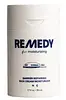
This barrier-repair moisturizer is formulated around Niacinamide and Squalane to strengthen the skin barrier and hydrate skin.
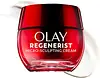
This anti-aging moisturizer is formulated around Niacinamide and Palmitoyl Pentapeptide-4 to soften the look of wrinkles and refine skin texture.

What's inside
What's inside
 Key Ingredients
Benefits
Concerns
Ingredients Side-by-side
Water
Skin ConditioningGlycerin
Humectant


Caprylic/Capric Triglyceride
Masking
Propanediol
Solvent
Vitis Vinifera Seed Oil
Emollient



Niacinamide
Smoothing








Squalane
Emollient
Simmondsia Chinensis Seed Oil
Emollient
C10-18 Triglycerides
Emollient
C12-16 Alcohols
EmollientArachidyl Alcohol
Emollient
Butyrospermum Parkii Butter
Skin Conditioning


Chondrus Crispus Extract
Skin Conditioning
Glycyrrhiza Glabra Root Extract
Bleaching
Curcuma Longa Root Extract
Antioxidant

Tripeptide-1
Skin Conditioning
Ceramide NP
Skin Conditioning
Ceramide AP
Skin Conditioning
Ceramide EOP
Skin Conditioning
Phytosphingosine
Skin Conditioning
Hydrolyzed Hyaluronic Acid
Humectant
Sodium Hyaluronate
Humectant
Cholesterol
Emollient
Dextran
Hydrogenated Lecithin
Emulsifying
Behenyl Alcohol
Emollient
Arachidyl Glucoside
EmulsifyingGlucose
Humectant
Diheptyl Succinate
EmollientCapryloyl Glycerin/Sebacic Acid Copolymer
Skin ConditioningButylene Glycol
Humectant
Sodium Lauroyl Lactylate
EmulsifyingSodium Stearoyl Glutamate
CleansingSaccharide Isomerate
Humectant
Aloe Barbadensis Leaf Juice
Skin Conditioning
Trisodium Ethylenediamine Disuccinate
Sodium Polyacrylate
Absorbent
Palmitic Acid
Emollient
Carbomer
Emulsion StabilisingXanthan Gum
EmulsifyingLeuconostoc/Radish Root Ferment Filtrate
Antimicrobial
Phenoxyethanol
Preservative
Gluconolactone
Skin Conditioning
Ethylhexylglycerin
Skin ConditioningSodium Benzoate
Masking
Citric Acid
Buffering
Sodium Hydroxide
BufferingSodium Citrate
BufferingWater, Glycerin, Caprylic/Capric Triglyceride, Propanediol, Vitis Vinifera Seed Oil, Niacinamide, Squalane, Simmondsia Chinensis Seed Oil, C10-18 Triglycerides, C12-16 Alcohols, Arachidyl Alcohol, Butyrospermum Parkii Butter, Chondrus Crispus Extract, Glycyrrhiza Glabra Root Extract, Curcuma Longa Root Extract, Tripeptide-1, Ceramide NP, Ceramide AP, Ceramide EOP, Phytosphingosine, Hydrolyzed Hyaluronic Acid, Sodium Hyaluronate, Cholesterol, Dextran, Hydrogenated Lecithin, Behenyl Alcohol, Arachidyl Glucoside, Glucose, Diheptyl Succinate, Capryloyl Glycerin/Sebacic Acid Copolymer, Butylene Glycol, Sodium Lauroyl Lactylate, Sodium Stearoyl Glutamate, Saccharide Isomerate, Aloe Barbadensis Leaf Juice, Trisodium Ethylenediamine Disuccinate, Sodium Polyacrylate, Palmitic Acid, Carbomer, Xanthan Gum, Leuconostoc/Radish Root Ferment Filtrate, Phenoxyethanol, Gluconolactone, Ethylhexylglycerin, Sodium Benzoate, Citric Acid, Sodium Hydroxide, Sodium Citrate
Water
Skin ConditioningGlycerin
Humectant
Isohexadecane
EmollientDistarch Phosphate
AbsorbentNiacinamide
Smoothing
Isopropyl Isostearate
Emollient
Dimethicone
Emollient
Panthenol
Skin Conditioning
Palmitoyl Dipeptide-7
Skin Conditioning
Palmitoyl Pentapeptide-4
Skin Conditioning
Tripeptide-3
Skin Conditioning
Caprylic/Capric Triglyceride
Masking
Ethylhexylglycerin
Skin ConditioningHydroxyacetophenone
Antioxidant
Butylene Glycol
Humectant
Dimethiconol
Emollient
Cetearyl Alcohol
Emollient
Cetearyl Glucoside
Emulsifying
Palmitic Acid
Emollient
Stearic Acid
Cleansing
Stearyl Alcohol
Emollient
Cetyl Alcohol
Emollient
Behenyl Alcohol
Emollient
Disodium EDTA
Sodium Acrylates Copolymer
PEG-100 Stearate
Surfactant
Phenoxyethanol
Preservative
Parfum
Masking

Titanium Dioxide
Cosmetic Colorant

Mica
Cosmetic ColorantWater, Glycerin, Isohexadecane, Distarch Phosphate, Niacinamide, Isopropyl Isostearate, Dimethicone, Panthenol, Palmitoyl Dipeptide-7, Palmitoyl Pentapeptide-4, Tripeptide-3, Caprylic/Capric Triglyceride, Ethylhexylglycerin, Hydroxyacetophenone, Butylene Glycol, Dimethiconol, Cetearyl Alcohol, Cetearyl Glucoside, Palmitic Acid, Stearic Acid, Stearyl Alcohol, Cetyl Alcohol, Behenyl Alcohol, Disodium EDTA, Sodium Acrylates Copolymer, PEG-100 Stearate, Phenoxyethanol, Parfum, Titanium Dioxide, Mica
Reviews
Ingredients Explained
These ingredients are found in both products.
Ingredients higher up in an ingredient list are typically present in a larger amount.
Behenyl Alcohol is a type of fatty alcohol (these are different from the drying, solvent alcohols).
Fatty Alcohols have hydrating properties and are most often used as an emollient or to thicken a product. They are usually derived from natural fats and oils; behenyl alcohol is derived from the fats of vegetable oils.
Emollients help keep your skin soft and hydrated by creating a film that traps moisture in.
In 2000, Behenyl Alcohol was approved by the US as medicine to reduce the duration of cold sores.
Learn more about Behenyl AlcoholButylene Glycol (or BG) is used within cosmetic products for a few different reasons:
Overall, Butylene Glycol is a safe and well-rounded ingredient that works well with other ingredients.
Though this ingredient works well with most skin types, some people with sensitive skin may experience a reaction such as allergic rashes, closed comedones, or itchiness.
Learn more about Butylene GlycolCaprylic/Capric Triglyceride (aka MCT Oil) is a lightweight emollient, solvent, and texture enhancer. It is considered a skin-softener by helping to prevent moisture loss.
Though it behaves like an oil, it is not technically one due to its chemical composition. One perk of this ingredient is that it is very stable, resistant to oxidation, and unlikely to go rancid.
In practice, that translates to a long shelf life and a consistently elegant skin feel.
While there is an assumption Caprylic Triglyceride can clog pores due to it being derived from coconut oil, there is no research supporting this. Just patch test if you have concerns.
Fractionated coconut oil and MCT Oil are both listed as Caprylic/Capric Triglyceride according to INCI. This is because INCI names are based on the ingredient’s final chemical composition and not its marketing name or source.
This ingredient is treated as the gold standard fungal acne safe oil. Even though it is coconut derived, the problematic lauric acid is stripped out.
This leaves just caprylic (C8) and capric (C10) acid. These chain lengths actually trend antifungal; a 2020 study found caprylic acid was enough to disrupt Malassezia furfur cell membrane, with a caprylic acid derivative damaging membrane structures at concentrations as low as 0.2%.
Learn more about Caprylic/Capric TriglycerideEthylhexylglycerin is created from glycerin. It is a multitasker ingredient that:
The CIR Expert Panel found minimal skin absorption or sensitization of any kind in a safety assessment. Though this ingredient is considered well-tolerated, a small number of cases of allergic dermatitis have been published since 2002. Just be sure to patch test if you are unsure.
Industry-reported use ranges from 8% in rinse-off products and 2% in leave-on formulations.
Learn more about EthylhexylglycerinGlycerin (or glycerol) is a compound naturally found in your skin. It's a powerhouse humectant that pulls water into the stratum corneum.
Topically, glycerin does several things at once:
Your skin makes glycerin on its own (mostly from sebaceous oil breakdown) and shuttles it to your outermost layer of skin, or your epidermis, via aquaporin-3.
Aquaporin-3 is a transporter that is essential for normal skin hydration, elasticity, and repair. Interestingly, mice lacking in AQP3 have dry and less elastic skin that can be fully corrected with glycerin.
This ingredient is non-irritating, plays well with almost every ingredient, and works across all skin types. Typical use is anywhere between 3-10% but can go up to 79% in some leave-on products.
Just know very high concentrations (>40%) can feel tacky in low humidity.
Glycerin is the name for this ingredient in American English. British English uses Glycerol/Glycerine.
Learn more about GlycerinNiacinamide is a multitasking form of vitamin B3 that strengthens the skin barrier, reduces pores and dark spots, regulates oil, and improves signs of aging.
And the best part? It's gentle and well-tolerated by most skin types, including sensitive and reactive skin.
You might have heard of "niacin flush", or the reddening of skin that causes itchiness. Niacinamide has not been found to cause this.
In very rare cases, some individuals may not be able to tolerate niacinamide at all or experience an allergic reaction to it.
If you are experiencing flaking, irritation, and dryness with this ingredient, be sure to double check all your products as this ingredient can be found in all categories of skincare.
When incorporating niacinamide into your routine, look out for concentration amounts. Typically, 5% niacinamide provides benefits such as fading dark spots. However, if you have sensitive skin, it is better to begin with a smaller concentration.
When you apply niacinamide to your skin, your body converts it into nicotinamide adenine dinucleotide (NAD). NAD is an essential coenzyme that is already found in your cells as "fuel" and powers countless biological processes.
In your skin, NAD helps repair cell damage, produce new healthy cells, support collagen production, strengthen the skin barrier, and fight environmental stressors (like UV and pollution).
Our natural NAD levels start to decline with age, leading to slower skin repair, visible aging, and a weaker skin barrier. By providing your skin niacinamide, you're recharging your skin's NAD levels. This leads to stronger, healthier, and younger looking skin.
Another name for vitamin B3 is nicotinamide. This vitamin is water-soluble and our bodies don't store it. We obtain Vitamin B3 from either food or skincare. Meat, fish, wheat, yeast, and leafy greens contain vitamin B3.
The type of niacinamide used in skincare is synthetically created.
Learn more about NiacinamidePalmitic Acid is a fatty acid naturally found in our skin and in many plant and animal sources.
In cosmetics, it is usually derived from palm oil. It serves many purposes in skincare, acting as a cleanser, emollient, and emulsifier.
Interestingly, topically applied Palmitic Acid can be elongated into longer chain fatty acids and ceramides. A 2019 study found low levels of Palmitic Acid lead to slower development of cells, suggesting it plays a role in keeping your skin's renewal process on track.
The CIR (Cosmetic Ingredient Review) panel determined it safe as used in cosmetics at concentrations up to 13%. It is non-irritating and non-sensitizing in clinical studies.
The culprit behind fungal acne, the Malassezia yeast, feeds on fatty acids with carbon chain lengths between C11-C24. Palmitic Acid, at C16, falls right into that sweet spot.
In vitro studies have shown that Palmitic Acid is one of the fatty acids that induce rapid Malassezia growth in lab settings.
It's worth noting that what feeds yeast in a lab doesn't necessarily feed it on your face since formulation and your skin's chemistry play a bigger role.
Learn more about Palmitic AcidPhenoxyethanol is one of the most widely used preservatives in skincare (and for good reason!).
It has a large spectrum of antimicrobial activity and especially effective bacteria, yeast, and mold while only having a weak effect on your skin's natural microbiome.
On a cellular level, it disrupts the cell membranes of microbes by poking holes that make the cell leak. This shuts down the chemical reactions the microbe needs to make energy so it can no longer survive.
Another perk of this ingredient is that it stays functional across a wide pH range (3-10).
You'll often see it paired with boosters like Ethylhexylglycerin; one study showed that a 1:9 ratio of Ethylhexylglycerin to Phenoxyethanol damages bacterial membranes as effectively as doubling the Phenoxyethanol concentration on its own.
Typical use concentrations range from 0.3-1% depending on the formula, and this ingredient is capped at 1% int the EU.
Safety-wise, the fear mongering does not hold up to the evidence. The EU's Scientific Committee on Consumer Safety and FDA consider it safe as a preservative at up to 1%, including for children of all ages.
Adverse systemic effects only showed up in animal studies at exposures roughly 200x higher than what people get from cosmetics. And despite its very widespread use, this ingredient is a rare sensitizer and allergic reactions are uncommon.
Learn more about PhenoxyethanolWater. It's the most common cosmetic ingredient of all. You'll usually see it at the top of ingredient lists, meaning that it makes up the largest part of the product.
So why is it so popular? Water most often acts as a solvent - this means that it helps dissolve other ingredients into the formulation.
You'll also recognize water as that liquid we all need to stay alive. If you see this, drink a glass of water. Remember to stay hydrated!
Learn more about Water

