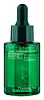
This calming ampoule is formulated around Scutellaria Baicalensis Root Extract and Ceramide NP to calm redness and strengthen the skin barrier.
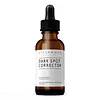
This brightening serum is formulated around Niacinamide and Acetyl Glucosamine to fade the look of dark spots and brighten dull-looking skin.


What's inside
What's inside
 Key Ingredients
Benefits
Concerns
Ingredients Side-by-side
Water
Skin ConditioningGlycerin
Humectant


Methylpropanediol
SolventPhellodendron Amurense Bark Extract
Skin ConditioningPaeonia Lactiflora Bark/Sap Extract
Skin ConditioningScutellaria Baicalensis Root Extract
Astringent
Mentha Arvensis Extract
MaskingButylene Glycol
Humectant
Dipropylene Glycol
HumectantBetaine
Humectant
Hydroxyacetophenone
Antioxidant
Acrylates/C10-30 Alkyl Acrylate Crosspolymer
Emulsion StabilisingArginine
Masking
1,2-Hexanediol
Skin Conditioning
Xanthan Gum
EmulsifyingCitric Acid
Buffering


PEG-60 Hydrogenated Castor Oil
Emulsifying

Ethylhexylglycerin
Skin ConditioningCitrus Aurantium Dulcis Peel Oil
Masking
Citrus Aurantium Bergamia Fruit Oil
Masking


Pelargonium Graveolens Oil
Masking
Allantoin
Skin Conditioning
Gluconolactone
Chelating





Mentha Piperita Oil
Masking

Squalane
Emollient
Butyrospermum Parkii Butter
Skin Conditioning

Lonicera Japonica Flower Extract
Skin ConditioningCaprylic/Capric Triglyceride
Masking
Ceramide NP
Skin Conditioning
Adansonia Digitata Seed Oil
Emollient
Hydrogenated Lecithin
Emulsifying
Pentylene Glycol
Skin Conditioning
Melaleuca Alternifolia Leaf Extract
Perfuming
Sodium Hyaluronate
Humectant
Tocopherol
Antioxidant

Caprylyl Glycol
Emollient
Sodium Hyaluronate Crosspolymer
Humectant
Ceramide Ns
Skin Conditioning
Ceramide As
Skin Conditioning
Hydrolyzed Hyaluronic Acid
Humectant
Centella Asiatica Extract
Cleansing
Ceramide EOP
Skin Conditioning
Ceramide AP
Skin Conditioning
Hyaluronic Acid
Humectant
Hydrolyzed Sodium Hyaluronate
Skin Conditioning
Madecassoside
Antioxidant
Madecassic Acid
Skin Conditioning
Asiaticoside
Antioxidant
Asiatic Acid
Skin Conditioning
Limonene
Perfuming
Citronellol
Perfuming
Linalool
Perfuming
Geraniol
Perfuming
Water, Glycerin, Methylpropanediol, Phellodendron Amurense Bark Extract, Paeonia Lactiflora Bark/Sap Extract, Scutellaria Baicalensis Root Extract, Mentha Arvensis Extract, Butylene Glycol, Dipropylene Glycol, Betaine, Hydroxyacetophenone, Acrylates/C10-30 Alkyl Acrylate Crosspolymer, Arginine, 1,2-Hexanediol, Xanthan Gum, Citric Acid, PEG-60 Hydrogenated Castor Oil, Ethylhexylglycerin, Citrus Aurantium Dulcis Peel Oil, Citrus Aurantium Bergamia Fruit Oil, Pelargonium Graveolens Oil, Allantoin, Gluconolactone, Mentha Piperita Oil, Squalane, Butyrospermum Parkii Butter, Lonicera Japonica Flower Extract, Caprylic/Capric Triglyceride, Ceramide NP, Adansonia Digitata Seed Oil, Hydrogenated Lecithin, Pentylene Glycol, Melaleuca Alternifolia Leaf Extract, Sodium Hyaluronate, Tocopherol, Caprylyl Glycol, Sodium Hyaluronate Crosspolymer, Ceramide Ns, Ceramide As, Hydrolyzed Hyaluronic Acid, Centella Asiatica Extract, Ceramide EOP, Ceramide AP, Hyaluronic Acid, Hydrolyzed Sodium Hyaluronate, Madecassoside, Madecassic Acid, Asiaticoside, Asiatic Acid, Limonene, Citronellol, Linalool, Geraniol
Water
Skin ConditioningNiacinamide
Smoothing
Sodium Hyaluronate
Humectant
Propanediol
Solvent
Acetyl Glucosamine
Skin Conditioning
Tranexamic Acid
Astringent
Gluconolactone
Chelating
Sodium Benzoate
Masking
Sodium Hydroxide
BufferingKojic Acid
Antioxidant
Glycolic Acid
Buffering
Hydroxyphenoxy Propionic Acid
Skin ConditioningCurcuma Longa Root Extract
Antioxidant
Glycerin
Humectant
Xanthan Gum
EmulsifyingSalicylic Acid
Masking
Tetrasodium Glutamate Diacetate
Chelating
Reviews
Ingredients Explained
These ingredients are found in both products.
Ingredients higher up in an ingredient list are typically present in a larger amount.
Gluconolactone is a PHA. PHAs are a great gentle alternative to traditional AHAs.
When applied, Gluconolactone has the same affect on skin as AHAs such as lactic acid. It helps dissolve the dead skin cells in the top layer of your skin. This improves texture and brightens the skin.
PHAs are more gentle than AHAs due to their larger structure. They do not penetrate as deeply as AHAs and take a longer time to dissolve dead cells. Studies show PHAs do not cause as much irritation.
Gluconolactone has some interesting properties:
In a 2004 study, Gluconolactone was found to prevent UV damage in mouse skin cells and has not been found to increase sun sensitivity. However, we still recommend wearing SPF daily.
This ingredient is is an created by reacting gluconic acid with an alcohol.
Learn more about GluconolactoneGlycerin (or glycerol) is a compound naturally found in your skin. It's a powerhouse humectant that pulls water into the stratum corneum.
Topically, glycerin does several things at once:
Your skin makes glycerin on its own (mostly from sebaceous oil breakdown) and shuttles it to your outermost layer of skin, or your epidermis, via aquaporin-3.
Aquaporin-3 is a transporter that is essential for normal skin hydration, elasticity, and repair. Interestingly, mice lacking in AQP3 have dry and less elastic skin that can be fully corrected with glycerin.
This ingredient is non-irritating, plays well with almost every ingredient, and works across all skin types. Typical use is anywhere between 3-10% but can go up to 79% in some leave-on products.
Just know very high concentrations (>40%) can feel tacky in low humidity.
Glycerin is the name for this ingredient in American English. British English uses Glycerol/Glycerine.
Learn more about GlycerinSodium Hyaluronate is the salt form of hyaluronic acid. It is a long sugar chain that is naturally found in your skin, joints, and connective tissue that maintains hydration and elasticity.
In skincare, it works as a humectant. It pulls water from the environment and deeper layers of skin and binds it to the surface.
Interestingly, the size of the molecule affects its behavior:
Some clinical evidence links low molecular weight versions to improved wrinkle depth, elasticity, anti-inflammatory effects, and barrier repair.
Many serums use a blend of both weights so you can get surface hydration plus longer-lasting and deeper effects.
You'll typically see concentrations between 0.1-2% for this ingredient.
Learn more about Sodium HyaluronateWater. It's the most common cosmetic ingredient of all. You'll usually see it at the top of ingredient lists, meaning that it makes up the largest part of the product.
So why is it so popular? Water most often acts as a solvent - this means that it helps dissolve other ingredients into the formulation.
You'll also recognize water as that liquid we all need to stay alive. If you see this, drink a glass of water. Remember to stay hydrated!
Learn more about WaterXanthan gum is used as a stabilizer and thickener within cosmetic products. It helps give products a sticky, thick feeling - preventing them from being too runny.
On the technical side of things, xanthan gum is a polysaccharide - a combination consisting of multiple sugar molecules bonded together.
Xanthan gum is a pretty common and great ingredient. It is a natural, non-toxic, non-irritating ingredient that is also commonly used in food products.
Learn more about Xanthan Gum

