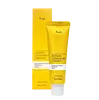
This barrier-repair moisturizer is formulated around Niacinamide and Ceramide EOP to strengthen the skin barrier and hydrate skin.
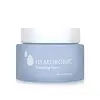
This oil-based makeup remover is made to dissolve makeup, sunscreen, and daily buildup.

What's inside
What's inside
 Key Ingredients
Benefits
Concerns
Ingredients Side-by-side
Water
Skin ConditioningGlycerin
Humectant


Cetearyl Alcohol
Emollient






Dipropylene Glycol
HumectantHydrogenated Polyisobutene
EmollientCaprylic/Capric Triglyceride
Masking
Niacinamide
Smoothing









Hydrogenated Polydecene
EmollientGlyceryl Stearate Se
Emulsifying
Butyrospermum Parkii Butter
Skin Conditioning
Phenyl Trimethicone
Skin Conditioning
Ceramide EOP
Skin Conditioning
Ceramide Ng
Skin Conditioning
Ceramide NP
Skin Conditioning
Ceramide As
Skin Conditioning
Ceramide AP
Skin Conditioning
Phytosphingosine
Skin Conditioning
Cholesterol
Emollient
Sodium Hyaluronate
Humectant
Sodium Acetylated Hyaluronate
Humectant
Hydrolyzed Hyaluronic Acid
Humectant
Beta-Glucan
Skin Conditioning
Centella Asiatica Extract
Cleansing
Aloe Barbadensis Leaf Extract
Emollient
Hydrogenated Rapeseed Oil
Emollient
Adenosine
Skin Conditioning
Panthenol
Skin Conditioning
Glycol Stearate Se
Emulsifying
Behenyl Alcohol
Emollient
Stearic Acid
Cleansing
Hydrogenated Lecithin
Emulsifying
Cetearyl Olivate
Sorbitan Olivate
Emulsifying
Synthetic Beeswax
Emulsion Stabilising
Silica
Abrasive
Microcrystalline Cellulose
AbsorbentCellulose Gum
Emulsion StabilisingAmmonium Acryloyldimethyltaurate/Vp Copolymer
Dimethicone
Emollient
1,2-Hexanediol
Skin Conditioning
Hydroxyacetophenone
Antioxidant
Parfum
Masking


Water, Glycerin, Cetearyl Alcohol, Dipropylene Glycol, Hydrogenated Polyisobutene, Caprylic/Capric Triglyceride, Niacinamide, Hydrogenated Polydecene, Glyceryl Stearate Se, Butyrospermum Parkii Butter, Phenyl Trimethicone, Ceramide EOP, Ceramide Ng, Ceramide NP, Ceramide As, Ceramide AP, Phytosphingosine, Cholesterol, Sodium Hyaluronate, Sodium Acetylated Hyaluronate, Hydrolyzed Hyaluronic Acid, Beta-Glucan, Centella Asiatica Extract, Aloe Barbadensis Leaf Extract, Hydrogenated Rapeseed Oil, Adenosine, Panthenol, Glycol Stearate Se, Behenyl Alcohol, Stearic Acid, Hydrogenated Lecithin, Cetearyl Olivate, Sorbitan Olivate, Synthetic Beeswax, Silica, Microcrystalline Cellulose, Cellulose Gum, Ammonium Acryloyldimethyltaurate/Vp Copolymer, Dimethicone, 1,2-Hexanediol, Hydroxyacetophenone, Parfum
Ethylhexyl Palmitate
Emollient
Ethylhexyl Stearate
Emollient
PEG-20 Glyceryl Isostearate
Surfactant
Synthetic Wax
Abrasive
Olea Europaea Fruit Oil
Masking
Soluble Collagen
Humectant
Sodium Hyaluronate
Humectant
Sodium Acetylated Hyaluronate
Humectant
Hydrolyzed Hyaluronic Acid
Humectant
Hydrolyzed Sodium Hyaluronate
Skin Conditioning
Hyaluronic Acid
Humectant
Hydroxypropyltrimonium Hyaluronate
Potassium Hyaluronate
Skin ConditioningSodium Hyaluronate Crosspolymer
Humectant
Salix Alba Bark Extract
Astringent
Beta-Glucan
Skin Conditioning
Aureobasidium Pullulans Ferment
Skin ConditioningBifida Ferment Lysate
Skin Conditioning
Aspergillus Ferment
Skin ConditioningBacillus Ferment
Skin Conditioning
Lactococcus Ferment
Skin ConditioningLactobacillus Ferment
Skin Conditioning
Saccharomyces Lysate Extract
Humectant
Fructooligosaccharides
Humectant
Maltodextrin
Absorbent
Fructan
Skin ConditioningSorbitol
Humectant
Phenoxyethanol
Preservative
Ethylhexylglycerin
Skin ConditioningParfum
Masking
Ethylhexyl Palmitate, Ethylhexyl Stearate, PEG-20 Glyceryl Isostearate, Synthetic Wax, Olea Europaea Fruit Oil, Soluble Collagen, Sodium Hyaluronate, Sodium Acetylated Hyaluronate, Hydrolyzed Hyaluronic Acid, Hydrolyzed Sodium Hyaluronate, Hyaluronic Acid, Hydroxypropyltrimonium Hyaluronate, Potassium Hyaluronate, Sodium Hyaluronate Crosspolymer, Salix Alba Bark Extract, Beta-Glucan, Aureobasidium Pullulans Ferment, Bifida Ferment Lysate, Aspergillus Ferment, Bacillus Ferment, Lactococcus Ferment, Lactobacillus Ferment, Saccharomyces Lysate Extract, Fructooligosaccharides, Maltodextrin, Fructan, Sorbitol, Phenoxyethanol, Ethylhexylglycerin, Parfum
Ingredients Explained
These ingredients are found in both products.
Ingredients higher up in an ingredient list are typically present in a larger amount.
Beta-Glucan is a soluble polysaccharide (a chain of glucose sugars) sourced from the cells walls of oats, baker's yeast, mushrooms, and seaweed.
It's a rare ingredient that pulls double-duty as a heavy-duty hydrator and skin-soothing repair agent.
On the surface, it acts as a humectant that holds water in place and reduces moisture loss for a plumper, smoother feel, while its anti-inflammatory and antioxidant properties make it a great pick for calming redness or sensitive skin
The more interesting story is underneath:
Despite its large molecular size, oat beta-glucan has been shown to penetrate the epidermis and reach the dermis by slipping between skin cells. Here, it interacts with fibroblasts and macrophages to nudge collagen synthesis and support wound repair.
A small 2005 split-face clinical study of 27 subjects found topical beta-glucan produced measurable reductions in wrinkle depth, height, and roughness after 8 weeks of use.
It is worth noting the trial was small and the penetration testing used frozen, irradiated skin so the anti-aging data is encouraging rather than definitive.
This ingredient gets along with pretty much everything and is typically used around 0.1-1%.
Fungal acne: This ingredient is not a food source for the Malassezia yeast because it is a glucose polysaccharide with no fatty acid or ester component.
Learn more about Beta-GlucanHydrolyzed Hyaluronic Acid is hyaluronic acid (HA) that is broken down into lower molecular weight fragments.
It's a humectant that pulls and holds water in the skin to help with hydration, plumpness, and reduce transepidermal water loss.
Because hydrolyzed hyaluronic acid is smaller in size, it can slip past your outermost layer of skin more easily than full-sized HA.
Most formulations will combine all sizes to get the best of both worlds.
Typical usage levels range from 0.01-1%. Any percentage higher than 2% might become goopy and tacky.
Learn more about Hydrolyzed Hyaluronic AcidParfum is a catch-all term for an ingredient or more that is used to give a scent to products.
Also called "fragrance", this ingredient can be a blend of hundreds of chemicals or plant oils. This means every product with "fragrance" or "parfum" in the ingredients list is a different mixture.
For instance, Habanolide is a proprietary trade name for a specific aroma chemical. When used as a fragrance ingredient in cosmetics, most aroma chemicals fall under the broad labeling category of “FRAGRANCE” or “PARFUM” according to EU and US regulations.
The term 'parfum' or 'fragrance' is not regulated in many countries. In many cases, it is up to the brand to define this term.
For instance, many brands choose to label themselves as "fragrance-free" because they are not using synthetic fragrances. However, their products may still contain ingredients such as essential oils that are considered a fragrance by INCI standards.
One example is Calendula flower extract. Calendula is an essential oil that still imparts a scent or 'fragrance'.
Depending on the blend, the ingredients in the mixture can cause allergies and sensitivities on the skin. Some ingredients that are known EU allergens include linalool and citronellol.
Parfum can also be used to mask or cover an unpleasant scent.
The bottom line is: not all fragrances/parfum/ingredients are created equally. If you are worried about fragrances, we recommend taking a closer look at an ingredient. And of course, we always recommend speaking with a professional.
Learn more about ParfumSodium Acetylated Hyaluronate is a type of Hyaluronic Acid.
Hyaluronic Acids help moisturize, soothe, and protect the skin.
Read about common types of Hyaluronic Acid here:
Learn more about Sodium Acetylated HyaluronateSodium Hyaluronate is the salt form of hyaluronic acid. It is a long sugar chain that is naturally found in your skin, joints, and connective tissue that maintains hydration and elasticity.
In skincare, it works as a humectant. It pulls water from the environment and deeper layers of skin and binds it to the surface.
Interestingly, the size of the molecule affects its behavior:
Some clinical evidence links low molecular weight versions to improved wrinkle depth, elasticity, anti-inflammatory effects, and barrier repair.
Many serums use a blend of both weights so you can get surface hydration plus longer-lasting and deeper effects.
You'll typically see concentrations between 0.1-2% for this ingredient.
Learn more about Sodium Hyaluronate

