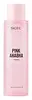
This smoothing toner is formulated around Citrullus Lanatus Fruit Extract and Niacinamide to refine skin texture and brighten dull-looking skin.
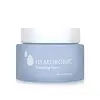
This oil-based makeup remover is made to dissolve makeup, sunscreen, and daily buildup.

What's inside
What's inside
 Key Ingredients
Benefits
Concerns
Ingredients Side-by-side
Citrullus Lanatus Fruit Extract
Skin Conditioning
Glycerin
Humectant


Dipropylene Glycol
HumectantButylene Glycol
Humectant
1,2-Hexanediol
Skin Conditioning
Isopentyldiol
Humectant
Niacinamide
Smoothing








Water
Skin ConditioningBetaine
Humectant
Hydroxyethyl Urea
Humectant
Sodium Citrate
BufferingPropanediol
Solvent
Allantoin
Skin Conditioning
Polyglyceryl-10 Laurate
Skin Conditioning

Citric Acid
Buffering
Salicylic Acid
Masking




Ethylhexylglycerin
Skin ConditioningAdenosine
Skin Conditioning
Disodium EDTA
ChelatingGlyceryl Acrylate/Acrylic Acid Copolymer
HumectantLavandula Angustifolia Oil
Masking



Cyanocobalamin
Skin ConditioningGlutathione
Sodium Ascorbyl Phosphate
Antioxidant

Tranexamic Acid
Astringent
Calamine
AbsorbentMelaleuca Alternifolia Leaf Extract
Perfuming
Sodium Hyaluronate Crosspolymer
Humectant
Lactobacillus/Soybean Ferment Extract
Skin ConditioningHydrolyzed Glycosaminoglycans
HumectantDioscorea Japonica Root Extract
Skin Conditioning
Tremella Fuciformis Extract
Humectant
Hippophae Rhamnoides Fruit Extract
Skin Conditioning
Sodium Hyaluronate
Humectant
Benzyl Glycol
SolventCentella Asiatica Extract
Cleansing
Hydrolyzed Hyaluronic Acid
Humectant
Hyaluronic Acid
Humectant
Raspberry Ketone
Masking
Linalool
Perfuming
Citrullus Lanatus Fruit Extract, Glycerin, Dipropylene Glycol, Butylene Glycol, 1,2-Hexanediol, Isopentyldiol, Niacinamide, Water, Betaine, Hydroxyethyl Urea, Sodium Citrate, Propanediol, Allantoin, Polyglyceryl-10 Laurate, Citric Acid, Salicylic Acid, Ethylhexylglycerin, Adenosine, Disodium EDTA, Glyceryl Acrylate/Acrylic Acid Copolymer, Lavandula Angustifolia Oil, Cyanocobalamin, Glutathione, Sodium Ascorbyl Phosphate, Tranexamic Acid, Calamine, Melaleuca Alternifolia Leaf Extract, Sodium Hyaluronate Crosspolymer, Lactobacillus/Soybean Ferment Extract, Hydrolyzed Glycosaminoglycans, Dioscorea Japonica Root Extract, Tremella Fuciformis Extract, Hippophae Rhamnoides Fruit Extract, Sodium Hyaluronate, Benzyl Glycol, Centella Asiatica Extract, Hydrolyzed Hyaluronic Acid, Hyaluronic Acid, Raspberry Ketone, Linalool
Ethylhexyl Palmitate
Emollient

Ethylhexyl Stearate
Emollient
PEG-20 Glyceryl Isostearate
Surfactant
Synthetic Wax
Abrasive
Olea Europaea Fruit Oil
Masking
Soluble Collagen
Humectant
Sodium Hyaluronate
Humectant
Sodium Acetylated Hyaluronate
Humectant
Hydrolyzed Hyaluronic Acid
Humectant
Hydrolyzed Sodium Hyaluronate
Skin Conditioning
Hyaluronic Acid
Humectant
Hydroxypropyltrimonium Hyaluronate
Potassium Hyaluronate
Skin ConditioningSodium Hyaluronate Crosspolymer
Humectant
Salix Alba Bark Extract
Astringent
Beta-Glucan
Skin Conditioning
Aureobasidium Pullulans Ferment
Skin ConditioningBifida Ferment Lysate
Skin Conditioning
Aspergillus Ferment
Skin ConditioningBacillus Ferment
Skin Conditioning
Lactococcus Ferment
Skin ConditioningLactobacillus Ferment
Skin Conditioning
Saccharomyces Lysate Extract
Humectant
Fructooligosaccharides
Humectant
Maltodextrin
Absorbent
Fructan
Skin ConditioningSorbitol
Humectant
Phenoxyethanol
Preservative
Ethylhexylglycerin
Skin ConditioningParfum
Masking
Ethylhexyl Palmitate, Ethylhexyl Stearate, PEG-20 Glyceryl Isostearate, Synthetic Wax, Olea Europaea Fruit Oil, Soluble Collagen, Sodium Hyaluronate, Sodium Acetylated Hyaluronate, Hydrolyzed Hyaluronic Acid, Hydrolyzed Sodium Hyaluronate, Hyaluronic Acid, Hydroxypropyltrimonium Hyaluronate, Potassium Hyaluronate, Sodium Hyaluronate Crosspolymer, Salix Alba Bark Extract, Beta-Glucan, Aureobasidium Pullulans Ferment, Bifida Ferment Lysate, Aspergillus Ferment, Bacillus Ferment, Lactococcus Ferment, Lactobacillus Ferment, Saccharomyces Lysate Extract, Fructooligosaccharides, Maltodextrin, Fructan, Sorbitol, Phenoxyethanol, Ethylhexylglycerin, Parfum
Ingredients Explained
These ingredients are found in both products.
Ingredients higher up in an ingredient list are typically present in a larger amount.
Ethylhexylglycerin is created from glycerin. It is a multitasker ingredient that:
The CIR Expert Panel found minimal skin absorption or sensitization of any kind in a safety assessment. Though this ingredient is considered well-tolerated, a small number of cases of allergic dermatitis have been published since 2002. Just be sure to patch test if you are unsure.
Industry-reported use ranges from 8% in rinse-off products and 2% in leave-on formulations.
Learn more about EthylhexylglycerinHyaluronic acid (HA) is a glycosaminoglycan (basically a long sugar chain) that your skin already makes on its own. In your skin, HA lives in the extracellular matrix and acts as the body's moisture reservoir.
Topically, HA is a humectant that binds water and helps skin look more plump, smooth, and hydrated.
The only catch is that HA isn't a single thing; it actually comes in a wide range of molecular weights (~50 - 2,000+ kDA) and size matters.
Some clinical evidence links low molecular weight versions to improved wrinkle depth, elasticity, anti-inflammatory effects, and barrier repair.
This is why the best HA serums blend the two sizes together so you get the best of both worlds.
The majority of cosmetic HA is produced by bacterial fermentation, typically using Streptococcus or Bacillus strains. Typical use levels in skincare sit around 0.1-2%.
A clinical study using a 0.2% low-molecular weight HA gel showed improvement in facial seborrheic dermatitis with excellent tolerance.
These are some other common types of Hyaluronic Acid:
Learn more about Hyaluronic AcidHydrolyzed Hyaluronic Acid is hyaluronic acid (HA) that is broken down into lower molecular weight fragments.
It's a humectant that pulls and holds water in the skin to help with hydration, plumpness, and reduce transepidermal water loss.
Because hydrolyzed hyaluronic acid is smaller in size, it can slip past your outermost layer of skin more easily than full-sized HA.
Most formulations will combine all sizes to get the best of both worlds.
Typical usage levels range from 0.01-1%. Any percentage higher than 2% might become goopy and tacky.
Learn more about Hydrolyzed Hyaluronic AcidSodium Hyaluronate is the salt form of hyaluronic acid. It is a long sugar chain that is naturally found in your skin, joints, and connective tissue that maintains hydration and elasticity.
In skincare, it works as a humectant. It pulls water from the environment and deeper layers of skin and binds it to the surface.
Interestingly, the size of the molecule affects its behavior:
Some clinical evidence links low molecular weight versions to improved wrinkle depth, elasticity, anti-inflammatory effects, and barrier repair.
Many serums use a blend of both weights so you can get surface hydration plus longer-lasting and deeper effects.
You'll typically see concentrations between 0.1-2% for this ingredient.
Learn more about Sodium HyaluronateSodium Hyaluronate Crosspolymer is a crosslinked version of sodium hyaluronate. This just means it's linked into a 3D mesh network that lets it be more stable and sit on skin as a cohesive, gel-like film rather than sinking into skin.
A 2016 human skin study found crosslinked HA increased epidermal water content by 7.6% over the control group and reduced transepidermal water loss by 27.8%.
A follow-up clinical trial found that a topical crosslinked HA serum applied after fillers, microneedling, or chemical peels was well-tolerated and enhanced skin quality at 14 / 28 days.
More recent research suggests that concentrations as low as 0.03% can act as a penetration enhancer for other skincare actives.
Learn more about Sodium Hyaluronate Crosspolymer

