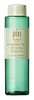
This brightening toner is formulated around Niacinamide and Magnesium Ascorbyl Phosphate to brighten dull-looking skin and strengthen the skin barrier.
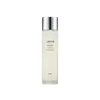
This hydrating toner is formulated around Niacinamide and Oryza Sativa Bran Extract to hydrate skin and strengthen the skin barrier.


What's inside
What's inside
 Key Ingredients
Benefits
Concerns
Ingredients Side-by-side
Water
Skin ConditioningBetula Alba Bark Water
Skin ConditioningPropanediol
Solvent

Glycerin
Humectant
Fragaria Vesca Fruit Extract
AstringentVaccinium Angustifolium Fruit Extract
Skin Protecting
Vaccinium Vitis-Idaea Fruit Extract
Antioxidant
Rubus Chamaemorus Fruit Extract
Antioxidant
Hedychium Coronarium Root Extract
MaskingNiacinamide
Smoothing








Magnesium Ascorbyl Phosphate
Antioxidant
Sodium Hyaluronate
Humectant
Maris Aqua
HumectantCeramide NP
Skin Conditioning
Betaine
Humectant
Panthenol
Skin Conditioning
Lactobacillus Ferment Lysate Filtrate
Skin ConditioningLeuconostoc/Radish Root Ferment Filtrate
Antimicrobial

Populus Tremuloides Bark Extract
AntiseborrhoeicSodium PCA
Humectant
Polyglyceryl-4 Caprate
EmulsifyingPolyglyceryl-6 Caprylate
EmulsifyingCellulose Gum
Emulsion StabilisingAlgin
MaskingTetrasodium Glutamate Diacetate
ChelatingSodium Citrate
BufferingCitric Acid
Buffering
Potassium Sorbate
Preservative
Sodium Benzoate
Masking
Tocopheryl Acetate
Antioxidant
Ethylhexylglycerin
Skin Conditioning1,2-Hexanediol
Skin Conditioning
Phenoxyethanol
Preservative
Water, Betula Alba Bark Water, Propanediol, Glycerin, Fragaria Vesca Fruit Extract, Vaccinium Angustifolium Fruit Extract, Vaccinium Vitis-Idaea Fruit Extract, Rubus Chamaemorus Fruit Extract, Hedychium Coronarium Root Extract, Niacinamide, Magnesium Ascorbyl Phosphate, Sodium Hyaluronate, Maris Aqua, Ceramide NP, Betaine, Panthenol, Lactobacillus Ferment Lysate Filtrate, Leuconostoc/Radish Root Ferment Filtrate, Populus Tremuloides Bark Extract, Sodium PCA, Polyglyceryl-4 Caprate, Polyglyceryl-6 Caprylate, Cellulose Gum, Algin, Tetrasodium Glutamate Diacetate, Sodium Citrate, Citric Acid, Potassium Sorbate, Sodium Benzoate, Tocopheryl Acetate, Ethylhexylglycerin, 1,2-Hexanediol, Phenoxyethanol
Water
Skin ConditioningGlycerin
Humectant
Butylene Glycol
Humectant
Niacinamide
Smoothing
Anthemis Nobilis Flower Extract
Masking
Styrene/Vp Copolymer
1,2-Hexanediol
Skin Conditioning
Caprylyl Glycol
Emollient
Oryza Sativa Bran Extract
Skin Conditioning
Glycyrrhiza Glabra Root Extract
Bleaching
Camellia Sinensis Leaf Extract
Antimicrobial
Rosmarinus Officinalis Leaf Extract
AntimicrobialCentella Asiatica Extract
Cleansing
Chamomilla Recutita Flower Extract
Masking
Hamamelis Virginiana Extract
Antiseborrhoeic


Polygonum Cuspidatum Root Extract
Antioxidant
Scutellaria Baicalensis Root Extract
Astringent
Betaine
Humectant
Panthenol
Skin Conditioning
Allantoin
Skin Conditioning
Sodium PCA
Humectant
Adenosine
Skin Conditioning
Disodium EDTA
ChelatingSodium Hyaluronate
Humectant
Carbomer
Emulsion StabilisingArginine
Masking
Illicium Verum Fruit Extract
Perfuming
Alchemilla Vulgaris Extract
AstringentAmaranthus Caudatus Extract
Skin ConditioningOlea Europaea Leaf Extract
Perfuming
Veronica Officinalis Extract
Skin ConditioningMentha Piperita Leaf Extract
Skin ConditioningUlmus Davidiana Root Extract
Skin Conditioning
Cynara Scolymus Leaf Extract
Skin ConditioningAvena Sativa Kernel Extract
Abrasive
Sambucus Nigra Flower Extract
RefreshingBeta-Glucan
Skin Conditioning
Ceramide NP
Skin Conditioning
Chamaecyparis Obtusa Leaf Extract
Skin ConditioningLaminaria Japonica Extract
Skin Protecting
Copper Tripeptide-1
Skin Conditioning
Acetyl Hexapeptide-8
Humectant
Water, Glycerin, Butylene Glycol, Niacinamide, Anthemis Nobilis Flower Extract, Styrene/Vp Copolymer, 1,2-Hexanediol, Caprylyl Glycol, Oryza Sativa Bran Extract, Glycyrrhiza Glabra Root Extract, Camellia Sinensis Leaf Extract, Rosmarinus Officinalis Leaf Extract, Centella Asiatica Extract, Chamomilla Recutita Flower Extract, Hamamelis Virginiana Extract, Polygonum Cuspidatum Root Extract, Scutellaria Baicalensis Root Extract, Betaine, Panthenol, Allantoin, Sodium PCA, Adenosine, Disodium EDTA, Sodium Hyaluronate, Carbomer, Arginine, Illicium Verum Fruit Extract, Alchemilla Vulgaris Extract, Amaranthus Caudatus Extract, Olea Europaea Leaf Extract, Veronica Officinalis Extract, Mentha Piperita Leaf Extract, Ulmus Davidiana Root Extract, Cynara Scolymus Leaf Extract, Avena Sativa Kernel Extract, Sambucus Nigra Flower Extract, Beta-Glucan, Ceramide NP, Chamaecyparis Obtusa Leaf Extract, Laminaria Japonica Extract, Copper Tripeptide-1, Acetyl Hexapeptide-8
Reviews
Ingredients Explained
These ingredients are found in both products.
Ingredients higher up in an ingredient list are typically present in a larger amount.
1,2-Hexanediol is a synthetic liquid and another multi-functional powerhouse.
It is a:
- Humectant, drawing moisture into the skin
- Emollient, helping to soften skin
- Solvent, dispersing and stabilizing formulas
- Preservative booster, enhancing the antimicrobial activity of other preservatives
Betaine is a humectant. Like hyaluronic acid, it helps attract and retain moisture in the skin. It’s known for being gentle and for helping the skin maintain balanced hydration.
Betaine is mainly used to improve hydration and support calmer skin. It helps skin cells regulate water balance because it functions as an osmolyte.
Some studies suggest betaine may support making skin tone more even.
Fun fact: Betaine naturally exists in the skin and the body. In cosmetic products, it can be either plant-derived (most commonly from sugar beets) or synthetically produced for consistency and stability.
Betaine is also known as trimethylglycine.
Learn more about BetaineCeramide NP (formerly known as Ceramide 3) is one of the skin's naturally occurring lipids.
Since ceramides are the major lipid components of the skin, they are crucial for maintaining skin barrier and hydration. Ceramide NP most closely mirrors the dominant kind in human skin amongst ceramide subtypes.
This ceramide works by slotting into gaps within the stratum corneum's lipid matrix to limit trans-epidermal water loss (TEWL) and shield the skin against external irritants.
A study with 312 patients found that using a ceramide-containing routine for 4 weeks reduced the severity of atopic dermatitis by over 61%.
Another clinical study in subjects aged 60 and older found that a ceramide body wash and moisturizer improved skin dryness and itchy skin in 15 days.
Overall, ceramides are considered non-irritating and safety tests have found little to no observable adverse effects from using this ingredient.
Ceramide NP is usually sourced from plants (like soybean or rice bran), or produced synthetically.
Learn more about Ceramide NPGlycerin (or glycerol) is a compound naturally found in your skin. It's a powerhouse humectant that pulls water into the stratum corneum.
Topically, glycerin does several things at once:
Your skin makes glycerin on its own (mostly from sebaceous oil breakdown) and shuttles it to your outermost layer of skin, or your epidermis, via aquaporin-3.
Aquaporin-3 is a transporter that is essential for normal skin hydration, elasticity, and repair. Interestingly, mice lacking in AQP3 have dry and less elastic skin that can be fully corrected with glycerin.
This ingredient is non-irritating, plays well with almost every ingredient, and works across all skin types. Typical use is anywhere between 3-10% but can go up to 79% in some leave-on products.
Just know very high concentrations (>40%) can feel tacky in low humidity.
Glycerin is the name for this ingredient in American English. British English uses Glycerol/Glycerine.
Learn more about GlycerinNiacinamide is a multitasking form of vitamin B3 that strengthens the skin barrier, reduces pores and dark spots, regulates oil, and improves signs of aging.
And the best part? It's gentle and well-tolerated by most skin types, including sensitive and reactive skin.
You might have heard of "niacin flush", or the reddening of skin that causes itchiness. Niacinamide has not been found to cause this.
In very rare cases, some individuals may not be able to tolerate niacinamide at all or experience an allergic reaction to it.
If you are experiencing flaking, irritation, and dryness with this ingredient, be sure to double check all your products as this ingredient can be found in all categories of skincare.
When incorporating niacinamide into your routine, look out for concentration amounts. Typically, 5% niacinamide provides benefits such as fading dark spots. However, if you have sensitive skin, it is better to begin with a smaller concentration.
When you apply niacinamide to your skin, your body converts it into nicotinamide adenine dinucleotide (NAD). NAD is an essential coenzyme that is already found in your cells as "fuel" and powers countless biological processes.
In your skin, NAD helps repair cell damage, produce new healthy cells, support collagen production, strengthen the skin barrier, and fight environmental stressors (like UV and pollution).
Our natural NAD levels start to decline with age, leading to slower skin repair, visible aging, and a weaker skin barrier. By providing your skin niacinamide, you're recharging your skin's NAD levels. This leads to stronger, healthier, and younger looking skin.
Another name for vitamin B3 is nicotinamide. This vitamin is water-soluble and our bodies don't store it. We obtain Vitamin B3 from either food or skincare. Meat, fish, wheat, yeast, and leafy greens contain vitamin B3.
The type of niacinamide used in skincare is synthetically created.
Learn more about NiacinamidePanthenol is a common ingredient that helps hydrate and soothe the skin. It is found naturally in our skin and hair.
There are two forms of panthenol: D and L.
D-panthenol is also known as dexpanthenol. Most cosmetics use dexpanthenol or a mixture of D and L-panthenol.
Panthenol is famous due to its ability to go deeper into the skin's layers. Using this ingredient has numerous pros (and no cons):
Like hyaluronic acid, panthenol is a humectant. Humectants are able to bind and hold large amounts of water to keep skin hydrated.
This ingredient works well for wound healing. It works by increasing tissue in the wound and helps close open wounds.
Once oxidized, panthenol converts to pantothenic acid. Panthothenic acid is found in all living cells.
This ingredient is also referred to as pro-vitamin B5.
Learn more about PanthenolSodium Hyaluronate is the salt form of hyaluronic acid. It is a long sugar chain that is naturally found in your skin, joints, and connective tissue that maintains hydration and elasticity.
In skincare, it works as a humectant. It pulls water from the environment and deeper layers of skin and binds it to the surface.
Interestingly, the size of the molecule affects its behavior:
Some clinical evidence links low molecular weight versions to improved wrinkle depth, elasticity, anti-inflammatory effects, and barrier repair.
Many serums use a blend of both weights so you can get surface hydration plus longer-lasting and deeper effects.
You'll typically see concentrations between 0.1-2% for this ingredient.
Learn more about Sodium HyaluronateSodium PCA (the salt of PCA) is one of the most well-established humectants in skincare.
Why is it so special? Your skin already makes it naturally; it's a natural component of your skin's Natural Moisturizing Factor (NMF), or the mix of water-binding compounds inside your skin cells that keeps things soft and hydrated.
As a cosmetic ingredient, it grabs water and holds it in the upper layers of skin to smooth roughness and ease dehydration.
There's some clinical support for the NMF approach with a study showing that a cream built to mimic the skin's NMF significantly boosted hydration.
Safety-wise, this ingredient non-irritating, non-comedogenic, and non-phototoxic in testing, with minimal skin absorption.
It also works really well with other hydrators like glycerin or hyaluronic acid, and typical usage is somewhere between 0.2-4%.
Learn more about Sodium PCAWater. It's the most common cosmetic ingredient of all. You'll usually see it at the top of ingredient lists, meaning that it makes up the largest part of the product.
So why is it so popular? Water most often acts as a solvent - this means that it helps dissolve other ingredients into the formulation.
You'll also recognize water as that liquid we all need to stay alive. If you see this, drink a glass of water. Remember to stay hydrated!
Learn more about Water

