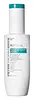
This anti-aging serum is formulated around Tripeptide-10 Citrulline and Acetyl Octapeptide-3 to soften the look of wrinkles.
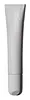
This anti-aging lip moisturizer is formulated around Butyrospermum Parkii Butter and Palmitoyl Tripeptide-1 to soften the look of wrinkles and hydrate lips.

What's inside
What's inside
 Key Ingredients
Benefits
Concerns
Ingredients Side-by-side
Water
Skin ConditioningGlycerin
Humectant


Rosa Centifolia Flower Water
Skin ConditioningIsopropyl Myristate
Emollient





Squalane
Emollient
Mannitol
Humectant
Butylene Glycol
Humectant
Natto Gum
Tripeptide-10 Citrulline
Skin Conditioning
Acetyl Octapeptide-3
Humectant
Palmitoyl Hexapeptide-12
Skin Conditioning
Acetyl Tetrapeptide-11
Skin Conditioning
Acetyl Hexapeptide-8
Humectant
Acetyl Hexapeptide-1
Skin Conditioning
Palmitoyl Oligopeptide
Cleansing
Acetyl Tetrapeptide-9
Skin Conditioning
Acetyl Tetrapeptide-2
Skin Conditioning
Tripeptide-1
Skin Conditioning
Palmitoyl Tetrapeptide-7
Skin Conditioning
Hexapeptide-11
Skin Conditioning
Dipeptide Diaminobutyroyl Benzylamide Diacetate
Skin Conditioning
Palmitoyl Tripeptide-5
Skin Conditioning
Trifluoroacetyl Tripeptide-2
Skin Conditioning
Palmitoyl Tripeptide-1
Skin Conditioning
Sodium Polyglutamate
HumectantSodium Hyaluronate
Humectant

Tocopheryl Acetate
Antioxidant


Retinyl Palmitate
Skin Conditioning

Ascorbic Acid
Antioxidant
Hydrolyzed Soy Protein
Humectant
Hydrolyzed Wheat Protein
Skin ConditioningLecithin
Emollient
Pseudoalteromonas Ferment Extract
Humectant
Acrylates Copolymer
Magnesium Chloride
Polysorbate 20
Emulsifying
Dimethyl Isosorbide
SolventAcrylates/C10-30 Alkyl Acrylate Crosspolymer
Emulsion StabilisingLeuconostoc/Radish Root Ferment Filtrate
Antimicrobial
PEG-8 Dimethicone
Emulsifying
Disodium Phosphate
BufferingCarbomer
Emulsion StabilisingDextran
Sodium Lactate
Buffering
Tetradecyl Aminobutyroylvalylaminobutyric Urea Trifluoroacetate
Skin ConditioningXanthan Gum
EmulsifyingTriethanolamine
BufferingSodium Phosphate
BufferingOctyldodecanol
Emollient
Silica
Abrasive


Sodium Propoxyhydroxypropyl Thiosulfate Silica
Sodium Hydroxide
BufferingCaprylyl Glycol
Emollient
Potassium Sorbate
Preservative
Sodium Benzoate
Masking
Phenoxyethanol
Preservative
Water, Glycerin, Rosa Centifolia Flower Water, Isopropyl Myristate, Squalane, Mannitol, Butylene Glycol, Natto Gum, Tripeptide-10 Citrulline, Acetyl Octapeptide-3, Palmitoyl Hexapeptide-12, Acetyl Tetrapeptide-11, Acetyl Hexapeptide-8, Acetyl Hexapeptide-1, Palmitoyl Oligopeptide, Acetyl Tetrapeptide-9, Acetyl Tetrapeptide-2, Tripeptide-1, Palmitoyl Tetrapeptide-7, Hexapeptide-11, Dipeptide Diaminobutyroyl Benzylamide Diacetate, Palmitoyl Tripeptide-5, Trifluoroacetyl Tripeptide-2, Palmitoyl Tripeptide-1, Sodium Polyglutamate, Sodium Hyaluronate, Tocopheryl Acetate, Retinyl Palmitate, Ascorbic Acid, Hydrolyzed Soy Protein, Hydrolyzed Wheat Protein, Lecithin, Pseudoalteromonas Ferment Extract, Acrylates Copolymer, Magnesium Chloride, Polysorbate 20, Dimethyl Isosorbide, Acrylates/C10-30 Alkyl Acrylate Crosspolymer, Leuconostoc/Radish Root Ferment Filtrate, PEG-8 Dimethicone, Disodium Phosphate, Carbomer, Dextran, Sodium Lactate, Tetradecyl Aminobutyroylvalylaminobutyric Urea Trifluoroacetate, Xanthan Gum, Triethanolamine, Sodium Phosphate, Octyldodecanol, Silica, Sodium Propoxyhydroxypropyl Thiosulfate Silica, Sodium Hydroxide, Caprylyl Glycol, Potassium Sorbate, Sodium Benzoate, Phenoxyethanol
Hydrogenated Polyisobutene
EmollientDiisostearyl Malate
EmollientButyrospermum Parkii Butter
Skin Conditioning
Polybutene
Microcrystalline Wax
Emulsion StabilisingSynthetic Beeswax
Emulsion Stabilising
Synthetic Wax
Abrasive
Octyldodecanol
Emollient
Hydrogenated Poly(C6-14 Olefin)
EmollientPolyglyceryl-2 Triisostearate
Emulsifying
Dimer Dilinoleyl Dimer Dilinoleate
EmollientGlyceryl Behenate/Eicosadioate
Emollient
Triethyl Citrate
Masking

Tocopherol
Antioxidant
Tocopheryl Acetate
Antioxidant
Tetrahexyldecyl Ascorbate
Antioxidant
Palmitoyl Tripeptide-1
Skin Conditioning
Orbignya Oleifera Seed Oil
Emollient
Theobroma Grandiflorum Seed Butter
Skin Conditioning
Lactic Acid
Buffering
Tribehenin
Emollient
Stevioside
MaskingEthylhexyl Palmitate
Emollient
Sorbitan Isostearate
Emulsifying
Synthetic Fluorphlogopite
Disteardimonium Hectorite
StabilisingO-Cymen-5-Ol
Antimicrobial
Hydrogenated Polyisobutene, Diisostearyl Malate, Butyrospermum Parkii Butter, Polybutene, Microcrystalline Wax, Synthetic Beeswax, Synthetic Wax, Octyldodecanol, Hydrogenated Poly(C6-14 Olefin), Polyglyceryl-2 Triisostearate, Dimer Dilinoleyl Dimer Dilinoleate, Glyceryl Behenate/Eicosadioate, Triethyl Citrate, Tocopherol, Tocopheryl Acetate, Tetrahexyldecyl Ascorbate, Palmitoyl Tripeptide-1, Orbignya Oleifera Seed Oil, Theobroma Grandiflorum Seed Butter, Lactic Acid, Tribehenin, Stevioside, Ethylhexyl Palmitate, Sorbitan Isostearate, Synthetic Fluorphlogopite, Disteardimonium Hectorite, O-Cymen-5-Ol
Reviews
Ingredients Explained
These ingredients are found in both products.
Ingredients higher up in an ingredient list are typically present in a larger amount.
Octyldodecanol is a fatty alcohol sourced from plant oils like coconut or palm (or made synthetically).
It is:
You'll likely see this in many BHA products because this is the go-to solvent for salicylic acid.
This ingredient is typically used at levels between 2-20%.
Regarding fungal acne:
In 2019, this ingredient was tested against multiple Malassezia species (the yeast that causes fungal acne) and showed no growth.
Palmitoyl Tripeptide-1 (aka Pal-GHK) is a synthetic signal peptide made of three amino acids attached to palmitic acid.
That fatty acid attachment is the key: it boosts the peptide's ability to penetrate the skin barrier. This puts it closer to the dermal cells where it can actually make a difference.
Once there, it acts as a matrikine, a signaling peptide that prompts fibroblasts to produce more collagen, fibronectin, and hyaluronic acid.
In vitro studies show it can boost collagen production in skin cells even when UV-damaged skin samples were treated with it at a tiny concentration (it almost fully restored dermal collagen at 5ppm). It achieved this at 100x lower concentration than retinoic acid, which needed 500 ppm to do the same thing.
Human clinical data is promising, but modest:
A study of 23 female volunteers found a small but statistically significant increase (~4%) in skin thickness after treatment at 4 ppm.
A separate small trial of 15 women showed statistically significant reductions in wrinkle length, depth, and skin roughness after applying it twice daily for four weeks.
You'll likely see Pal-GHK paired with Palmitoyl Tetrapeptide-7 as part of the Matrixyl 3000 complex.
Fungal acne note:
Usually a palmitic acid component can feed Malassezia in unbound form, but here is is covalently bonded to the peptide. This means it is very difficult for Malassezia to access, and therefore very unlikely to cause fungal acne.
Tocopheryl Acetate is a stable, shelf-friendly form of vitamin E.
Formulators love it because plain vitamin E oxidizes quickly once it hits air. This acetate version stays stable and resists going off, helping to extend a product's shelf life.
It's actually inactive on its own and works like a slow-release "storage" form; the enzymes in your skin called esterases gradually convert it into active vitamin E over time.
One in vivo study showed 5% of the acetate in the living layer of the epidermis converted to vitamin E after 5 days of application. This study also found the skin gained protection against UV damage even though the conversion was slow and small.
Once converted, vitamin E acts as a skin's main fat-soluble antioxidant that fights free radicals to protect skin from damage.
Topical vitamin E generally boosts the skin's photoprotection, and it reduced UV-damage in animal models.
This ingredient has some brightening potential but it's more of a prevention ingredient than spot-fader. Cell studies show it can slow down melanin production but it's worth noting that it's not the most powerful brightener out there.
Overall, it has a pretty solid safety profile and has been found to be non-irritating and non-comedogenic. Allergic reactions may happen but stay rare due to how widely the ingredient gets used.
The concentration will vary depending on the formula; industry data shows 0.1% in baby lotions, 3% in lipsticks, and 5% in foot powders. You can also find this ingredient at 100% in a pure vitamin E oil.
Most leave-on skincare keeps it at the lower end, often between 0.5-1%.
Learn more about Tocopheryl Acetate

