Peach & Lily Super Oasis Concentrated Serum Versus Sunday Riley Tidal Deep Hydration + Plumping Serum
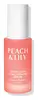
This hydrating serum is formulated around Panthenol and Polyglutamic Acid to hydrate skin and calm redness.
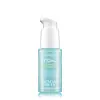
This hydrating serum is formulated around Limnanthes Alba Seed Oil and Sodium Hyaluronate to hydrate skin and strengthen the skin barrier.


What's inside
What's inside
 Key Ingredients
Benefits
Concerns
No concerns
Ingredients Side-by-side
Water
Skin ConditioningGlycerin 14.5%
Humectant


Diethoxyethyl Succinate
Solvent1,2-Hexanediol
Skin Conditioning
Panthenol
Skin Conditioning

Polyglutamic Acid
Skin Conditioning
Panax Ginseng Root Extract
Emollient
Sodium PCA
Humectant
Xylitylglucoside
Humectant
Anhydroxylitol
Humectant
Xylitol
Humectant
Hydrolyzed Hyaluronic Acid
Humectant

Arginine
Masking
Methionine
Skin ConditioningCysteine
Antioxidant
Sodium Hyaluronate
Humectant
Hyaluronic Acid
Humectant
Houttuynia Cordata Extract
Skin Conditioning
Tremella Fuciformis Extract
Humectant
Sodium Hyaluronate Crosspolymer
Humectant
Beta-Glucan
Skin Conditioning
Hydrolyzed Sodium Hyaluronate
Skin Conditioning
Adansonia Digitata Seed Extract
Skin ConditioningSophora Angustifolia Root Extract
Skin ConditioningMalus Domestica Fruit Extract
Antioxidant
Punica Granatum Fruit Extract
Antioxidant
Prunus Serotina Fruit Extract
MaskingVaccinium Macrocarpon Fruit Extract
AstringentButylene Glycol
Humectant
Portulaca Oleracea Extract
Skin Conditioning
Citrullus Lanatus Fruit Extract
Skin Conditioning
Gardenia Florida Fruit Extract
Skin ConditioningDextrin
AbsorbentDipotassium Glycyrrhizate
Humectant
Glucose
Humectant
Sodium Polyacryloyldimethyl Taurate
Emulsion StabilisingSodium Polyacrylate
Absorbent
Acrylates/C10-30 Alkyl Acrylate Crosspolymer
Emulsion StabilisingPentylene Glycol
Skin Conditioning
Carbomer
Emulsion StabilisingEthylhexylglycerin
Skin ConditioningCaprylyl Glycol
Emollient
Water, Glycerin 14.5%, Diethoxyethyl Succinate, 1,2-Hexanediol, Panthenol, Polyglutamic Acid, Panax Ginseng Root Extract, Sodium PCA, Xylitylglucoside, Anhydroxylitol, Xylitol, Hydrolyzed Hyaluronic Acid, Arginine, Methionine, Cysteine, Sodium Hyaluronate, Hyaluronic Acid, Houttuynia Cordata Extract, Tremella Fuciformis Extract, Sodium Hyaluronate Crosspolymer, Beta-Glucan, Hydrolyzed Sodium Hyaluronate, Adansonia Digitata Seed Extract, Sophora Angustifolia Root Extract, Malus Domestica Fruit Extract, Punica Granatum Fruit Extract, Prunus Serotina Fruit Extract, Vaccinium Macrocarpon Fruit Extract, Butylene Glycol, Portulaca Oleracea Extract, Citrullus Lanatus Fruit Extract, Gardenia Florida Fruit Extract, Dextrin, Dipotassium Glycyrrhizate, Glucose, Sodium Polyacryloyldimethyl Taurate, Sodium Polyacrylate, Acrylates/C10-30 Alkyl Acrylate Crosspolymer, Pentylene Glycol, Carbomer, Ethylhexylglycerin, Caprylyl Glycol
Water
Skin ConditioningGlycerin
Humectant
C15-19 Alkane
SolventPolyglycerin-6
HumectantJojoba Esters
Emollient

Limnanthes Alba Seed Oil
Skin Conditioning
Glycoproteins
Skin Conditioning
Xylitylglucoside
Humectant
Hydroxyethyl Acrylate/Sodium Acryloyldimethyl Taurate Copolymer
Emulsion StabilisingTrehalose
Humectant
Arginine
Masking
Phenyl Trimethicone
Skin Conditioning
Anhydroxylitol
Humectant
Sodium Acetylated Hyaluronate
Humectant
C12-13 Alkyl Glyceryl Hydrolyzed Hyaluronate
Sodium Hyaluronate Crosspolymer
Humectant
Hydrolyzed Sodium Hyaluronate
Skin Conditioning
Sodium Hyaluronate
Humectant
Passiflora Edulis Fruit Extract
Skin ConditioningCucumis Melo Fruit Extract
Skin ConditioningCitrullus Lanatus Fruit Extract
Skin Conditioning
Pyrus Malus Fruit Extract
Skin Conditioning
Rubus Idaeus Fruit Extract
AstringentCucumis Sativus Fruit Extract
Emollient
Hydrolyzed Jojoba Esters
Skin Conditioning
Isododecane
Emollient1,2-Hexanediol
Skin Conditioning
Carbomer
Emulsion StabilisingXylitol
Humectant
Glyceryl Glucoside
Humectant
Hydrolyzed Glycosaminoglycans
HumectantAdipic Acid/Neopentyl Glycol Crosspolymer
Polyglyceryl-10 Stearate
Skin Conditioning
Lauryl Dimethicone
Skin Conditioning
Polyglutamic Acid
Skin Conditioning
Polyacrylate Crosspolymer-11
Emulsion StabilisingFibroin
Benzoic Acid
Masking

Hydrogenated Polyisobutene
EmollientSodium Benzoate
Masking
Sodium Phytate
Hydrogenated Lecithin
Emulsifying
Polysorbate 60
Emulsifying
Sorbitan Isostearate
Emulsifying
Copper Gluconate
Skin Conditioning
Sodium PCA
Humectant
Pentylene Glycol
Skin Conditioning
Potassium Sorbate
Preservative
Ethylhexylglycerin
Skin ConditioningTocopherol
Antioxidant

Caprylyl/Capryl Glucoside
CleansingCitrus Limon Fruit Extract
Masking
Citrus Aurantium Dulcis Peel Extract
Emulsion Stabilising
Citric Acid
Buffering
Alcohol
Antimicrobial

Pentaerythrityl Tetra-Di-T-Butyl Hydroxyhydrocinnamate
Antioxidant
Benzotriazolyl Dodecyl P-Cresol
UV AbsorberTris(Tetramethylhydroxypiperidinol)Citrate
StabilisingPinene
Masking
Citrus Aurantium Peel Oil
Citrus Limon Peel Oil
Masking
Limonene
Perfuming
Water, Glycerin, C15-19 Alkane, Polyglycerin-6, Jojoba Esters, Limnanthes Alba Seed Oil, Glycoproteins, Xylitylglucoside, Hydroxyethyl Acrylate/Sodium Acryloyldimethyl Taurate Copolymer, Trehalose, Arginine, Phenyl Trimethicone, Anhydroxylitol, Sodium Acetylated Hyaluronate, C12-13 Alkyl Glyceryl Hydrolyzed Hyaluronate, Sodium Hyaluronate Crosspolymer, Hydrolyzed Sodium Hyaluronate, Sodium Hyaluronate, Passiflora Edulis Fruit Extract, Cucumis Melo Fruit Extract, Citrullus Lanatus Fruit Extract, Pyrus Malus Fruit Extract, Rubus Idaeus Fruit Extract, Cucumis Sativus Fruit Extract, Hydrolyzed Jojoba Esters, Isododecane, 1,2-Hexanediol, Carbomer, Xylitol, Glyceryl Glucoside, Hydrolyzed Glycosaminoglycans, Adipic Acid/Neopentyl Glycol Crosspolymer, Polyglyceryl-10 Stearate, Lauryl Dimethicone, Polyglutamic Acid, Polyacrylate Crosspolymer-11, Fibroin, Benzoic Acid, Hydrogenated Polyisobutene, Sodium Benzoate, Sodium Phytate, Hydrogenated Lecithin, Polysorbate 60, Sorbitan Isostearate, Copper Gluconate, Sodium PCA, Pentylene Glycol, Potassium Sorbate, Ethylhexylglycerin, Tocopherol, Caprylyl/Capryl Glucoside, Citrus Limon Fruit Extract, Citrus Aurantium Dulcis Peel Extract, Citric Acid, Alcohol, Pentaerythrityl Tetra-Di-T-Butyl Hydroxyhydrocinnamate, Benzotriazolyl Dodecyl P-Cresol, Tris(Tetramethylhydroxypiperidinol)Citrate, Pinene, Citrus Aurantium Peel Oil, Citrus Limon Peel Oil, Limonene
Reviews
Ingredients Explained
These ingredients are found in both products.
Ingredients higher up in an ingredient list are typically present in a larger amount.
1,2-Hexanediol is a synthetic liquid and another multi-functional powerhouse.
It is a:
- Humectant, drawing moisture into the skin
- Emollient, helping to soften skin
- Solvent, dispersing and stabilizing formulas
- Preservative booster, enhancing the antimicrobial activity of other preservatives
This ingredient is created from dehydrating xylitol in acidic conditions. Xylitol is a famous sugar and humectant.
Much like its predecessor, anhydroxylitol is a humectant. Humectants attract and hold water to moisturize the skin.
This ingredient is most commonly found in a popular trio called Aquaxyl. Aquaxyl is made up of anhydroxylitol (24 - 34%), xylitylglucoside (35 - 50%), and xylitol (5 - 15%).
According to a manufacturer, Aquaxyl is known for a 3-D hydration concept and an anti-dehydration shield to reinforce the outer layer of skin.
This ingredient is often derived from plants such as wood and sugarcane.
Learn more about AnhydroxylitolArginine is a semi-essential amino acid. This just means our bodies can product a bit on its own, but sometimes needs a little boost from food sources.
It is a part of your skin's natural moisturizing factor (NMF), or the water-loving molecules in your outermost layer of skin (stratum corneum) that keeps everything hydrated and happy.
Here's an interesting thing about Arginine: your skin converts it into urea through the Krebs-Henseleit urea cycle. Urea is one of the most effective humectants your skin naturally produces.
A clinical study showed applying 2.5% arginine hydrochloride to atopic dermatitis skin showed significant urea levels in the stratum corneum and improved moisture in just four weeks.
Arginine is also a precursor to nitric oxide; nitric oxide improves microcirculation and supports wound healing and collagen synthesis.
One study found that an amino acid complex containing Arginine reduced skin irritation, improved hydration, and accelerated skin repair in clinical / in-vivo studies.
Arginine itself is an amino acid and not a fatty acid, oil, or ester. On its own, it's not a direct food source for Malassezia, or the yeast that causes fungal acne.
Learn more about ArginineCarbomer is a synthetic thickening and gelling agent. It's basically the ingredient that gives a lot of serums, gels, creams, and sunscreens their smooth, non-sticky texture.
Although legally permitted at very high levels, carbomers are normally used at concentrations below 1%.
It also needs to be neutralized to actually thicken, and because it is a large molecule, it doesn't really penetrate the skin barrier.
Allergy-wise, the risk is very low. Clinical studies show carbomers have low potential for skin irritation/sensitization even at concentrations up to 100%.
A 2024 UK study patch-tested 1,302 patients and found true allergy to the parent group of carbomer to be rare with no confirmed relevant reactions.
Learn more about CarbomerCitrullus Lanatus Fruit Extract comes from the watermelon. Watermelon has antioxidant and anti-inflammatory properties.
Watermelons are rich in antioxidants such as Vitamin A, Vitamin C and lycopene. It also contains sugars and amino acids, such as arginine and glutathione.
Lycopene is a potent antioxidant. Besides helping to protect your skin against free-radical molecules, it also helps soothe the skin. Lycopene gives watermelon the distinct red color.
Learn more about Citrullus Lanatus Fruit ExtractEthylhexylglycerin is created from glycerin. It is a multitasker ingredient that:
The CIR Expert Panel found minimal skin absorption or sensitization of any kind in a safety assessment. Though this ingredient is considered well-tolerated, a small number of cases of allergic dermatitis have been published since 2002. Just be sure to patch test if you are unsure.
Industry-reported use ranges from 8% in rinse-off products and 2% in leave-on formulations.
Learn more about EthylhexylglycerinGlycerin (or glycerol) is a compound naturally found in your skin. It's a powerhouse humectant that pulls water into the stratum corneum.
Topically, glycerin does several things at once:
Your skin makes glycerin on its own (mostly from sebaceous oil breakdown) and shuttles it to your outermost layer of skin, or your epidermis, via aquaporin-3.
Aquaporin-3 is a transporter that is essential for normal skin hydration, elasticity, and repair. Interestingly, mice lacking in AQP3 have dry and less elastic skin that can be fully corrected with glycerin.
This ingredient is non-irritating, plays well with almost every ingredient, and works across all skin types. Typical use is anywhere between 3-10% but can go up to 79% in some leave-on products.
Just know very high concentrations (>40%) can feel tacky in low humidity.
Glycerin is the name for this ingredient in American English. British English uses Glycerol/Glycerine.
Learn more about GlycerinThis ingredient is created by putting sodium hyaluronate through hydrolysis.
You might know this as 'mini' or 'ultra low-molecular weight' hyaluronic acid. The small molecule size means it is able to travel deeper in the skin.
According to studies, low molecular-weight hyaluronic acid can:
One study from 2011 found ultra-low weight HA to show pro-inflammatory properties. Another study from 2022 found it to downregulate UV-B induced inflammation.
Hydrolysis is a process of changing a molecule using water or enzymes.
This ingredient is water-soluble.
Learn more about Hydrolyzed Sodium HyaluronatePentylene Glycol (1,2-pentanediol) is a multitasking little diol with three main roles in a formula:
Research on alkanediols (the family pentylene glycol belongs to) show they work by disrupting microbial cell membranes. This disruption helps the primary preservative system in a product work more effectively at lower doses.
On the safety side, the Cosmetic Ingredient Review Expert Panel has concluded this ingredient to be safe as used in current cosmetic practices + concentrations.
Typical use levels in a formula run about 1-5%.
Learn more about Pentylene GlycolPolyglutamic Acid is made up many glutamic acids chained together. It is created from bacterial fermentation.
This ingredient is an effective skin hydrator and may help speed up wound healing. As a humectant, it draws and holds water to the skin. This ingredient is often compared to hyaluronic acid or glycerin. Similarly to hyaluronic acid, it can vary in molecular weights. This means polyglutamic acid is capable of bringing hydration to lower levels of the skin.
Fun fact: Polyglutamic Acid is found in the Japanese food, natto. It is also being used in cancer treatment studies.
Learn more about Polyglutamic AcidSodium Hyaluronate is the salt form of hyaluronic acid. It is a long sugar chain that is naturally found in your skin, joints, and connective tissue that maintains hydration and elasticity.
In skincare, it works as a humectant. It pulls water from the environment and deeper layers of skin and binds it to the surface.
Interestingly, the size of the molecule affects its behavior:
Some clinical evidence links low molecular weight versions to improved wrinkle depth, elasticity, anti-inflammatory effects, and barrier repair.
Many serums use a blend of both weights so you can get surface hydration plus longer-lasting and deeper effects.
You'll typically see concentrations between 0.1-2% for this ingredient.
Learn more about Sodium HyaluronateSodium Hyaluronate Crosspolymer is a crosslinked version of sodium hyaluronate. This just means it's linked into a 3D mesh network that lets it be more stable and sit on skin as a cohesive, gel-like film rather than sinking into skin.
A 2016 human skin study found crosslinked HA increased epidermal water content by 7.6% over the control group and reduced transepidermal water loss by 27.8%.
A follow-up clinical trial found that a topical crosslinked HA serum applied after fillers, microneedling, or chemical peels was well-tolerated and enhanced skin quality at 14 / 28 days.
More recent research suggests that concentrations as low as 0.03% can act as a penetration enhancer for other skincare actives.
Learn more about Sodium Hyaluronate CrosspolymerSodium PCA (the salt of PCA) is one of the most well-established humectants in skincare.
Why is it so special? Your skin already makes it naturally; it's a natural component of your skin's Natural Moisturizing Factor (NMF), or the mix of water-binding compounds inside your skin cells that keeps things soft and hydrated.
As a cosmetic ingredient, it grabs water and holds it in the upper layers of skin to smooth roughness and ease dehydration.
There's some clinical support for the NMF approach with a study showing that a cream built to mimic the skin's NMF significantly boosted hydration.
Safety-wise, this ingredient non-irritating, non-comedogenic, and non-phototoxic in testing, with minimal skin absorption.
It also works really well with other hydrators like glycerin or hyaluronic acid, and typical usage is somewhere between 0.2-4%.
Learn more about Sodium PCAWater. It's the most common cosmetic ingredient of all. You'll usually see it at the top of ingredient lists, meaning that it makes up the largest part of the product.
So why is it so popular? Water most often acts as a solvent - this means that it helps dissolve other ingredients into the formulation.
You'll also recognize water as that liquid we all need to stay alive. If you see this, drink a glass of water. Remember to stay hydrated!
Learn more about WaterXylitol is a humectant and prebiotic. It can help with dry skin.
In studies, xylitol has been shown to improve dry skin. It decreased transepidermal water loss, or when water passes through the skin and evaporates. Xylitol also showed to help improve the biomechanical properties of the skin barrier.
The prebiotic property of xylitol may also help reinforce our skin's natural microbiome. Having a healthy microbiome prevents infection by bad bacteria and helps with hydration.
As a humectant, Xylitol helps draw moisture from both the air and from deeper skin layers. This helps keep skin hydrated.
Xylitol is a sugar alcohol and commonly used as a sugar substitute. It is naturally occurring in plants such as strawberries and pumpkin.
Learn more about XylitolXylitylglucoside is created from xylitol and glucose, two humectants.
Not surprisingly, this ingredient is also a humectant. It attracts and holds water in your skin, helping to maintain hydration.
This ingredient is most commonly found in a popular trio called Aquaxyl. Aquaxyl is made up of anhydroxylitol(24 - 34%), xylitylglucoside (35 - 50%), and xylitol (5 - 15%).
According to a manufacturer, Aquaxyl is known for a 3-D hydration concept and an anti-dehydration shield to reinforce the outer layer of skin.
Learn more about Xylitylglucoside

