Peach & Lily Power Calm Hydrating Gel Cleanser Versus Glow Recipe Avocado Ceramide Moisture Barrier Cleanser
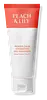
This mild gel cleanser is made to cleanse while calming and soothing your skin.
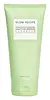
This mild gel cleanser is made to cleanse while respecting your skin barrier.


What's inside
What's inside
 Key Ingredients
Benefits
Concerns
Ingredients Side-by-side
Water
Skin ConditioningGlycerin
Humectant


Sorbitol
Humectant
Coco-Glucoside
Cleansing
Tea-Cocoyl Glutamate
Cleansing
Sodium Citrate
BufferingButylene Glycol
Humectant
Camellia Japonica Flower Extract
EmollientCamellia Sinensis Leaf Extract
Antimicrobial






Centella Asiatica Extract
Cleansing
Chamomilla Recutita Flower Extract
Masking
Glycyrrhiza Glabra Root Extract
Bleaching
Scutellaria Baicalensis Root Extract
Astringent
Panthenol
Skin Conditioning
Cucumis Sativus Fruit Extract
Emollient
Prunus Persica Fruit Extract
Abrasive
Hydrolyzed Hyaluronic Acid
Humectant
Sodium Hyaluronate
Humectant
Tocopherol
Antioxidant
Sodium Acetylated Hyaluronate
Humectant
Zingiber Officinale Root Extract
Masking
Propanediol
Solvent
Aloe Barbadensis Leaf Juice Powder
Skin Conditioning
Rosmarinus Officinalis Leaf Extract
AntimicrobialCellulose Gum
Emulsion StabilisingEthylhexylglycerin
Skin ConditioningPolygonum Cuspidatum Root Extract
Antioxidant
1,2-Hexanediol
Skin Conditioning
Pantolactone
Humectant
Chlorphenesin
Antimicrobial
Dipotassium Glycyrrhizate
Humectant
Polyglyceryl-10 Caprylate/Caprate
EmulsifyingAcrylates/C10-30 Alkyl Acrylate Crosspolymer
Emulsion StabilisingTrisodium Ethylenediamine Disuccinate
ChelatingPolyglyceryl-10 Laurate
Skin Conditioning

Lavandula Angustifolia Oil
Masking




Pelargonium Graveolens Flower Oil
Masking
Water, Glycerin, Sorbitol, Coco-Glucoside, Tea-Cocoyl Glutamate, Sodium Citrate, Butylene Glycol, Camellia Japonica Flower Extract, Camellia Sinensis Leaf Extract, Centella Asiatica Extract, Chamomilla Recutita Flower Extract, Glycyrrhiza Glabra Root Extract, Scutellaria Baicalensis Root Extract, Panthenol, Cucumis Sativus Fruit Extract, Prunus Persica Fruit Extract, Hydrolyzed Hyaluronic Acid, Sodium Hyaluronate, Tocopherol, Sodium Acetylated Hyaluronate, Zingiber Officinale Root Extract, Propanediol, Aloe Barbadensis Leaf Juice Powder, Rosmarinus Officinalis Leaf Extract, Cellulose Gum, Ethylhexylglycerin, Polygonum Cuspidatum Root Extract, 1,2-Hexanediol, Pantolactone, Chlorphenesin, Dipotassium Glycyrrhizate, Polyglyceryl-10 Caprylate/Caprate, Acrylates/C10-30 Alkyl Acrylate Crosspolymer, Trisodium Ethylenediamine Disuccinate, Polyglyceryl-10 Laurate, Lavandula Angustifolia Oil, Pelargonium Graveolens Flower Oil
Water
Skin ConditioningGlycerin
Humectant
Sodium Cocoyl Alaninate
Surfactant
Sodium Methyl Cocoyl Taurate
Cleansing
Acrylates/C10-30 Alkyl Acrylate Crosspolymer
Emulsion StabilisingInulin
Skin Conditioning
Butylene Glycol
Humectant
Ceramide NP
Skin Conditioning
Colloidal Oatmeal
Absorbent
Caprylyl Glycol
Emollient
Lauryl Hydroxysultaine
CleansingCoco-Glucoside
Cleansing
Sodium Hyaluronate
Humectant
Persea Gratissima Oil
Skin Conditioning

Persea Gratissima Fruit Extract
EmollientSaccharide Isomerate
Humectant
Micrococcus Lysate
Skin ConditioningGlyceryl Caprylate
EmollientPolyglyceryl-10 Laurate
Skin Conditioning
Styrene/Acrylates Copolymer
Sodium Cocoyl Isethionate
Cleansing
1,2-Hexanediol
Skin Conditioning
Epidermidibacterium Keratini Ferment Filtrate
EmollientQuillaja Saponaria Bark Extract
CleansingSodium Phytate
ChelatingLecithin
Emollient
Dipotassium Glycyrrhizate
Humectant
Citric Acid
Buffering
Moringa Oleifera Seed Oil
Emollient
Sodium Citrate
BufferingButyl Avocadate
Skin Conditioning
Arginine
Masking
Phytosphingosine
Skin Conditioning
Hydrogenated Lecithin
Emulsifying
Hydroxypropyltrimonium Hyaluronate
Mannose
HumectantHydrolyzed Hyaluronic Acid
Humectant
Sodium Acetylated Hyaluronate
Humectant
Maltodextrin
Absorbent
Tocopherol
Antioxidant
Hyaluronic Acid
Humectant
Hydrolyzed Sodium Hyaluronate
Skin Conditioning
Sodium Hyaluronate Crosspolymer
Humectant
Potassium Hyaluronate
Skin ConditioningXanthan Gum
EmulsifyingAloe Ferox Leaf Extract
Skin ConditioningHexylene Glycol
EmulsifyingTriacetin
AntimicrobialGardenia Florida Fruit Extract
Skin ConditioningDextrin
AbsorbentParfum
Masking
Water, Glycerin, Sodium Cocoyl Alaninate, Sodium Methyl Cocoyl Taurate, Acrylates/C10-30 Alkyl Acrylate Crosspolymer, Inulin, Butylene Glycol, Ceramide NP, Colloidal Oatmeal, Caprylyl Glycol, Lauryl Hydroxysultaine, Coco-Glucoside, Sodium Hyaluronate, Persea Gratissima Oil, Persea Gratissima Fruit Extract, Saccharide Isomerate, Micrococcus Lysate, Glyceryl Caprylate, Polyglyceryl-10 Laurate, Styrene/Acrylates Copolymer, Sodium Cocoyl Isethionate, 1,2-Hexanediol, Epidermidibacterium Keratini Ferment Filtrate, Quillaja Saponaria Bark Extract, Sodium Phytate, Lecithin, Dipotassium Glycyrrhizate, Citric Acid, Moringa Oleifera Seed Oil, Sodium Citrate, Butyl Avocadate, Arginine, Phytosphingosine, Hydrogenated Lecithin, Hydroxypropyltrimonium Hyaluronate, Mannose, Hydrolyzed Hyaluronic Acid, Sodium Acetylated Hyaluronate, Maltodextrin, Tocopherol, Hyaluronic Acid, Hydrolyzed Sodium Hyaluronate, Sodium Hyaluronate Crosspolymer, Potassium Hyaluronate, Xanthan Gum, Aloe Ferox Leaf Extract, Hexylene Glycol, Triacetin, Gardenia Florida Fruit Extract, Dextrin, Parfum
Reviews
Ingredients Explained
These ingredients are found in both products.
Ingredients higher up in an ingredient list are typically present in a larger amount.
1,2-Hexanediol is a synthetic liquid and another multi-functional powerhouse.
It is a:
- Humectant, drawing moisture into the skin
- Emollient, helping to soften skin
- Solvent, dispersing and stabilizing formulas
- Preservative booster, enhancing the antimicrobial activity of other preservatives
Acrylates/C10-30 Alkyl Acrylate Crosspolymer is a synthetic polymer. It is used to thicken, emulsify, and improve the texture of products.
As an emulsifier, it helps stabilize oil-in-water emulsions to give products an elegant feel when applied.
It can also form a thin protective film on skin. One study found that a formula using this polymer helped slow down how quickly other ingredients (like DEET) were absorbed through skin.
A 2024 study of over 1,300 patients confirmed that sensitization to this ingredient is rare. It is also non-mutagenic and has a clean track record.
Learn more about Acrylates/C10-30 Alkyl Acrylate CrosspolymerButylene Glycol (or BG) is used within cosmetic products for a few different reasons:
Overall, Butylene Glycol is a safe and well-rounded ingredient that works well with other ingredients.
Though this ingredient works well with most skin types, some people with sensitive skin may experience a reaction such as allergic rashes, closed comedones, or itchiness.
Learn more about Butylene GlycolCoco-Glucoside is a surfactant, or a cleansing ingredient. It is made from glucose and coconut oil.
Surfactants help gather dirt, oil, and other pollutants from your skin to be rinsed away.
This ingredient is considered gentle and non-comedogenic. However, it may still be irritating for some.
Learn more about Coco-GlucosideDipotassium Glycyrrhizate comes from licorice root.
Extracts of licorice have demonstrated to have antibacterial, anti‐inflammatory, antiviral, antioxidant properties.
One component, glabridin, has extra potent antioxidant and soothing properties. It has also been found to block pigmentation from UVB rays in guinea pigs.
Licorice Root also contains a flavonoid. Flavonoids are a natural substance from in plants. Flavonoids also have antioxidant properties.
Another component, glycyrrhizin, has been found to have anti-inflammatory and antimicrobial benefits. This may make licorice root extract effective at treating acne. However, more research is needed to support this.
Liquiritin is one of the flavone compounds found in licorice. It has been found to help lighten skin by preventing tyrosinase from reacting with tyrosine. When the two react, protein is converted to melanin. Melanin is the substance in your body that gives your features pigmentation.
Licorice root is native to Southern Europe and Asia. It has been used in traditional Chinese medicine to help with respiratory issues.
Learn more about Dipotassium GlycyrrhizateGlycerin (or glycerol) is a compound naturally found in your skin. It's a powerhouse humectant that pulls water into the stratum corneum.
Topically, glycerin does several things at once:
Your skin makes glycerin on its own (mostly from sebaceous oil breakdown) and shuttles it to your outermost layer of skin, or your epidermis, via aquaporin-3.
Aquaporin-3 is a transporter that is essential for normal skin hydration, elasticity, and repair. Interestingly, mice lacking in AQP3 have dry and less elastic skin that can be fully corrected with glycerin.
This ingredient is non-irritating, plays well with almost every ingredient, and works across all skin types. Typical use is anywhere between 3-10% but can go up to 79% in some leave-on products.
Just know very high concentrations (>40%) can feel tacky in low humidity.
Glycerin is the name for this ingredient in American English. British English uses Glycerol/Glycerine.
Learn more about GlycerinHydrolyzed Hyaluronic Acid is hyaluronic acid (HA) that is broken down into lower molecular weight fragments.
It's a humectant that pulls and holds water in the skin to help with hydration, plumpness, and reduce transepidermal water loss.
Because hydrolyzed hyaluronic acid is smaller in size, it can slip past your outermost layer of skin more easily than full-sized HA.
Most formulations will combine all sizes to get the best of both worlds.
Typical usage levels range from 0.01-1%. Any percentage higher than 2% might become goopy and tacky.
Learn more about Hydrolyzed Hyaluronic AcidPolyglyceryl-10 Laurate is a cleansing agent and emulsifier.
It rounds up dirt, oil, and grime, so they can be rinsed off easily as a cleanser.
On the emulsifier side, it keeps your formula smooth and well-mixed by playing peacekeeper for ingredients that don't naturally get along (like oil and water).
Because it has a C12 (lauric acid) fatty acid chain, this ingredient can potentially feed the Malassezia yeast that causes fungal acne. The Malassezia yeast prefers esters with C11-C24 fatty acids.
This ingredient is an ester of lauric acid and Polyglycerin-10.
Learn more about Polyglyceryl-10 LaurateSodium Acetylated Hyaluronate is a type of Hyaluronic Acid.
Hyaluronic Acids help moisturize, soothe, and protect the skin.
Read about common types of Hyaluronic Acid here:
Learn more about Sodium Acetylated HyaluronateSodium Citrate is the sodium salts of citric acid. In skincare, it is used to alter pH levels and acts as a preservative.
Its main functions are to maintain the pH of a product and neutralize metal ions.
The acidity of our skin is maintained by our glands and skin biome; normal pH level of skin is slightly acidic (~4.75-5.5).
Being slightly acidic allows our skin to create an "acid mantle". This acid mantle is a thin barrier that protects our skin from bacteria and contaminants.
Learn more about Sodium CitrateSodium Hyaluronate is the salt form of hyaluronic acid. It is a long sugar chain that is naturally found in your skin, joints, and connective tissue that maintains hydration and elasticity.
In skincare, it works as a humectant. It pulls water from the environment and deeper layers of skin and binds it to the surface.
Interestingly, the size of the molecule affects its behavior:
Some clinical evidence links low molecular weight versions to improved wrinkle depth, elasticity, anti-inflammatory effects, and barrier repair.
Many serums use a blend of both weights so you can get surface hydration plus longer-lasting and deeper effects.
You'll typically see concentrations between 0.1-2% for this ingredient.
Learn more about Sodium HyaluronateTocopherol is a fat-soluble antioxidant known as Vitamin E.
You'll find this ingredient in the vast majority of skincare (for good reason). It works to neutralize free radicals, or unstable molecules generated by UV exposure, pollution, and other environmental stressors, before they can cause oxidative damage to your skin cells.
Topically applied tocopherol has been shown to protect against UV damage by ramping up the skin's own natural defense enzymes.
It also acts as a skin conditioning agent; some studies show that regular topical use can improve the skin's water-binding capacity over 2-4 weeks.
This ingredient is especially loved for being a team player. When combined with Vitamin C, the photoprotective effect of both ingredients roughly doubles and the combo also helps reduce UV-induced DNA damage.
This ingredient has some brightening potential but it's more of a prevention ingredient than spot-fader. Cell studies show it can slow down melanin production but it's worth noting that it's not the most powerful brightener out there.
In formulations, it also serves as a stabilizer that helps protect other oxidation-prone ingredients from degrading.
Concentrations usually range from 0.1-1% in most leave-on products.
Learn more about TocopherolWater. It's the most common cosmetic ingredient of all. You'll usually see it at the top of ingredient lists, meaning that it makes up the largest part of the product.
So why is it so popular? Water most often acts as a solvent - this means that it helps dissolve other ingredients into the formulation.
You'll also recognize water as that liquid we all need to stay alive. If you see this, drink a glass of water. Remember to stay hydrated!
Learn more about Water

