

What's inside
What's inside
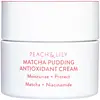 Key Ingredients
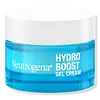
Benefits
Concerns
Ingredients Side-by-side
Water
Skin ConditioningEthylhexyl Palmitate
Emollient


Glycerin
Humectant



Niacinamide
Smoothing







Cetearyl Alcohol
Emollient
1,2-Hexanediol
Skin Conditioning
Dicaprylyl Carbonate
EmollientButylene Glycol
Humectant
Glyceryl Stearate
Emollient
Sorbitan Stearate
Emulsifying
Camellia Sinensis Leaf Extract
Antimicrobial
Juniperus Communis Fruit Extract
Perfuming
Melia Azadirachta Flower Extract
Skin ConditioningMelia Azadirachta Leaf Extract
Skin ConditioningMoringa Oleifera Seed Extract
Skin Conditioning
Nelumbo Nucifera Flower Extract
Skin ConditioningPanthenol
Skin Conditioning
Tocopherol
Antioxidant
Adenosine
Skin Conditioning
Allantoin
Skin Conditioning
Betaine
Humectant
Caramel
Cosmetic ColorantChlorphenesin
Antimicrobial
Eriobotrya Japonica Leaf Extract
Skin ConditioningGlyceryl Olivate
Emollient
Cetearyl Olivate
Hydrogenated Rapeseed Alcohol
EmollientPropanediol
Solvent
Pantolactone
Humectant
Hydroxyethyl Acrylate/Sodium Acryloyldimethyl Taurate Copolymer
Emulsion StabilisingTromethamine
BufferingTrisodium Ethylenediamine Disuccinate
Sucrose
Humectant
Mineral Salts
Skin Conditioning



Acrylates/C10-30 Alkyl Acrylate Crosspolymer
Emulsion StabilisingBehenyl Alcohol
Emollient
Polyglyceryl-4 Oleate
Emulsifying
Hydrogenated Vegetable Oil
Emollient
Dipotassium Glycyrrhizate
Humectant
Stearic Acid
Cleansing
Sorbitan Olivate
Emulsifying
Sorbitan Isostearate
Emulsifying
Aniba Rosodora Wood Oil
Astringent
Citrus Aurantium Bergamia Fruit Oil
Masking
Citrus Aurantium Dulcis Peel Oil
Masking
Salvia Sclarea Oil
Masking
Thymus Vulgaris Flower/Leaf Oil
Masking
Water, Ethylhexyl Palmitate, Glycerin, Niacinamide, Cetearyl Alcohol, 1,2-Hexanediol, Dicaprylyl Carbonate, Butylene Glycol, Glyceryl Stearate, Sorbitan Stearate, Camellia Sinensis Leaf Extract, Juniperus Communis Fruit Extract, Melia Azadirachta Flower Extract, Melia Azadirachta Leaf Extract, Moringa Oleifera Seed Extract, Nelumbo Nucifera Flower Extract, Panthenol, Tocopherol, Adenosine, Allantoin, Betaine, Caramel, Chlorphenesin, Eriobotrya Japonica Leaf Extract, Glyceryl Olivate, Cetearyl Olivate, Hydrogenated Rapeseed Alcohol, Propanediol, Pantolactone, Hydroxyethyl Acrylate/Sodium Acryloyldimethyl Taurate Copolymer, Tromethamine, Trisodium Ethylenediamine Disuccinate, Sucrose, Mineral Salts, Acrylates/C10-30 Alkyl Acrylate Crosspolymer, Behenyl Alcohol, Polyglyceryl-4 Oleate, Hydrogenated Vegetable Oil, Dipotassium Glycyrrhizate, Stearic Acid, Sorbitan Olivate, Sorbitan Isostearate, Aniba Rosodora Wood Oil, Citrus Aurantium Bergamia Fruit Oil, Citrus Aurantium Dulcis Peel Oil, Salvia Sclarea Oil, Thymus Vulgaris Flower/Leaf Oil
Water
Skin ConditioningGlycerin
Humectant
Dimethicone
Emollient
Cetearyl Olivate
Sorbitan Olivate
Emulsifying
Sodium Hyaluronate
Humectant
Serine
Masking
Glycine
Buffering
Alanine
MaskingThreonine
Arginine
Masking
Proline
Skin ConditioningLysine Hcl
Skin Conditioning
Glutamic Acid
Humectant
Sodium PCA
Humectant
PCA
Humectant
Sodium Lactate
BufferingUrea
Buffering

Sodium Chloride
Masking
Citric Acid
Buffering
Betaine
Humectant
Allantoin
Skin Conditioning
Fructose
Humectant
Maltose
MaskingTrehalose
Humectant
Glucose
Humectant
Pentylene Glycol
Skin ConditioningSynthetic Beeswax
Emulsion Stabilising
Polyacrylate Crosspolymer-6
Emulsion StabilisingDimethicone Crosspolymer
Emulsion Stabilising
Dimethiconol
Emollient
Ethylhexylglycerin
Skin ConditioningCaprylyl Glycol
Emollient
Sodium Hydroxide
BufferingWater, Glycerin, Dimethicone, Cetearyl Olivate, Sorbitan Olivate, Sodium Hyaluronate, Serine, Glycine, Alanine, Threonine, Arginine, Proline, Lysine Hcl, Glutamic Acid, Sodium PCA, PCA, Sodium Lactate, Urea, Sodium Chloride, Citric Acid, Betaine, Allantoin, Fructose, Maltose, Trehalose, Glucose, Pentylene Glycol, Synthetic Beeswax, Polyacrylate Crosspolymer-6, Dimethicone Crosspolymer, Dimethiconol, Ethylhexylglycerin, Caprylyl Glycol, Sodium Hydroxide
Reviews
Ingredients Explained
These ingredients are found in both products.
Ingredients higher up in an ingredient list are typically present in a larger amount.
Allantoin is a soothing ingredient known for its protective and moisturizingg properties. Because of this, it is often added to products with strong active ingredients.
Studies show higher concentrations of this ingredient can promote wound healing.
Though it can be derived from the comfrey plant, allantoin is produced synthetically for cosmetic products to ensure purity.
Learn more about AllantoinBetaine is a common humectant (a substance that promotes retention of moisture). It's known to be gentle on the skin and can help balance hydration.
This ingredient is best for improving hydration and soothing irritated skin. Studies also show it helps even out skin tone.
Fun fact: Betaine is naturally created in the skin and body. The kind found within cosmetic products can be either plant-derived or synthetic.
Another name for betaine is trimethylglycine.
Learn more about BetaineCetearyl Olivate is an emulsifier and texture enhancer. It is derived from the fatty acids of olive oil and Cetearyl alcohol, and is biodegradable.
As an emulsifier, it is used to prevent oils and waters from separating. It can also
Manufacturers use the name Olivem 1000. This ingredient has been found to preserve the natural microbiome of skin. Having a healthy microbiome helps keep our skin healthy and protects against harmful bacteria. This ingredient is grouped with Sorbitan Olivate under the name Olivem 1000.
Learn more about Cetearyl OlivateGlycerin is already naturally found in your skin. It helps moisturize and protect your skin.
A study from 2016 found glycerin to be more effective as a humectant than AHAs and hyaluronic acid.
As a humectant, it helps the skin stay hydrated by pulling moisture to your skin. The low molecular weight of glycerin allows it to pull moisture into the deeper layers of your skin.
Hydrated skin improves your skin barrier; Your skin barrier helps protect against irritants and bacteria.
Glycerin has also been found to have antimicrobial and antiviral properties. Due to these properties, glycerin is often used in wound and burn treatments.
In cosmetics, glycerin is usually derived from plants such as soybean or palm. However, it can also be sourced from animals, such as tallow or animal fat.
This ingredient is organic, colorless, odorless, and non-toxic.
Glycerin is the name for this ingredient in American English. British English uses Glycerol/Glycerine.
Learn more about GlycerinSorbitan Olivate is created from the fatty acids in olive oil and sorbitol.
This ingredient is an oil in water emulsifier. It helps stabilize a product by preventing oils and waters from separating. Sorbitan Olivate also helps hydrate the skin.
Manufacturers sell sorbitan olivate under the name OliveM 1000. OliveM 1000 a multifunctional ingredient. It is self-emulsifying. According to a manufacturer, OliveM 1000 does not disrupt natural skin biome.
Due to its olive oil base, this ingredient may not be fungal-acne safe.
Learn more about Sorbitan OlivateWater. It's the most common cosmetic ingredient of all. You'll usually see it at the top of ingredient lists, meaning that it makes up the largest part of the product.
So why is it so popular? Water most often acts as a solvent - this means that it helps dissolve other ingredients into the formulation.
You'll also recognize water as that liquid we all need to stay alive. If you see this, drink a glass of water. Stay hydrated!
Learn more about Water
