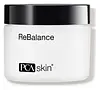
This calming moisturizer is formulated around Niacinamide and Bisabolol to calm redness and strengthen the skin barrier.
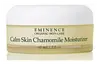
This calming moisturizer is formulated around Aloe Barbadensis Leaf Juice and Calendula Officinalis Flower Extract to calm redness and hydrate skin.


What's inside
What's inside
 Key Ingredients
Benefits
Concerns
Ingredients Side-by-side
Water
Skin ConditioningEthylhexyl Isononanoate
EmollientGlycereth-26
Humectant
Butylene Glycol
Humectant
Hydroxyethyl Acrylate/Sodium Acryloyldimethyl Taurate Copolymer
Emulsion StabilisingPhenoxyethanol
Preservative
Niacinamide
Smoothing










Carbomer
Emulsion StabilisingPolyisobutene
Caprylyl Glycol
Emollient
Bisabolol
Antioxidant
Sodium Hydroxide
BufferingEthylhexylglycerin
Skin ConditioningHexylene Glycol
EmulsifyingPEG-7 Trimethylolpropane Coconut Ether
Emulsifying
Tocopheryl Acetate
Antioxidant
Oenothera Biennis Oil
Emollient




Borago Officinalis Seed Oil
Emollient
Aloe Barbadensis Leaf Juice
Skin Conditioning
Sodium Hyaluronate
Humectant
Water, Ethylhexyl Isononanoate, Glycereth-26, Butylene Glycol, Hydroxyethyl Acrylate/Sodium Acryloyldimethyl Taurate Copolymer, Phenoxyethanol, Niacinamide, Carbomer, Polyisobutene, Caprylyl Glycol, Bisabolol, Sodium Hydroxide, Ethylhexylglycerin, Hexylene Glycol, PEG-7 Trimethylolpropane Coconut Ether, Tocopheryl Acetate, Oenothera Biennis Oil, Borago Officinalis Seed Oil, Aloe Barbadensis Leaf Juice, Sodium Hyaluronate
Aloe Barbadensis Leaf Juice
Skin Conditioning
Crataegus Monogyna Fruit
Skin ConditioningHippophae Rhamnoides Fruit Juice
Skin ConditioningCalendula Officinalis Flower Extract
Masking
Chamomilla Recutita Flower Extract
Masking
Vitis Vinifera Seed Extract
Antimicrobial
Symphytum Officinale Leaf Extract
Skin ConditioningStellaria Media Extract
Skin ConditioningRosa Canina Seed Extract
EmollientCalendula Officinalis Flower Oil
Masking

Arnica Montana Flower Oil
Perfuming
Helianthus Annuus Seed Oil
Emollient
Cucurbita Pepo Seed Oil
Emollient
Sesamum Indicum Seed Oil
Emollient
Carthamus Tinctorius Seed Oil
Masking
Simmondsia Chinensis Seed Oil
Emollient
Oenothera Biennis Oil
Emollient
Heptyl Glucoside
SurfactantGlyceryl Stearate Citrate
Emollient
Cetearyl Alcohol
Emollient
Glyceryl Caprylate
EmollientGlycerin
Humectant
Zea Mays Germ Oil
Emollient
Caprylic/Capric Triglyceride
Masking
Butyrospermum Parkii Butter
Skin Conditioning
Coco-Caprylate/Caprate
Emollient
Chamomilla Recutita Extract
Skin Conditioning
Panthenol
Skin Conditioning
Hedera Helix Extract
AntimicrobialHamamelis Virginiana Extract
Antiseborrhoeic
Arnica Montana Flower Extract
Masking
Hypericum Perforatum Extract
AntimicrobialAesculus Hippocastanum Seed Extract
Skin ConditioningVitis Vinifera Leaf Extract
Skin ConditioningCaesalpinia Spinosa Gum
Skin ConditioningTocopheryl Acetate
Antioxidant
Benzyl Alcohol
Perfuming


Dehydroacetic Acid
Preservative
Xanthan Gum
EmulsifyingSalicylic Acid
Masking
Sodium Benzoate
Masking
Potassium Sorbate
Preservative
Ascorbyl Palmitate
Antioxidant
Lecithin
Emollient
Euterpe Oleracea Fruit Extract
Citrus Limon Fruit Extract
Masking
Malpighia Glabra Fruit Extract
Skin ConditioningPhyllanthus Emblica Fruit Extract
HumectantAdansonia Digitata Fruit Extract
EmollientMyrciaria Dubia Fruit Extract
Skin ConditioningDaucus Carota Sativa Root Extract
Skin Conditioning
Cocos Nucifera Water
Masking
Lycium Barbarum Fruit Extract
Astringent
Tapioca Starch
Thioctic Acid
Antioxidant
Ubiquinone
Antioxidant
Aloe Barbadensis Leaf Juice, Crataegus Monogyna Fruit, Hippophae Rhamnoides Fruit Juice, Calendula Officinalis Flower Extract, Chamomilla Recutita Flower Extract, Vitis Vinifera Seed Extract, Symphytum Officinale Leaf Extract, Stellaria Media Extract, Rosa Canina Seed Extract, Calendula Officinalis Flower Oil, Arnica Montana Flower Oil, Helianthus Annuus Seed Oil, Cucurbita Pepo Seed Oil, Sesamum Indicum Seed Oil, Carthamus Tinctorius Seed Oil, Simmondsia Chinensis Seed Oil, Oenothera Biennis Oil, Heptyl Glucoside, Glyceryl Stearate Citrate, Cetearyl Alcohol, Glyceryl Caprylate, Glycerin, Zea Mays Germ Oil, Caprylic/Capric Triglyceride, Butyrospermum Parkii Butter, Coco-Caprylate/Caprate, Chamomilla Recutita Extract, Panthenol, Hedera Helix Extract, Hamamelis Virginiana Extract, Arnica Montana Flower Extract, Hypericum Perforatum Extract, Aesculus Hippocastanum Seed Extract, Vitis Vinifera Leaf Extract, Caesalpinia Spinosa Gum, Tocopheryl Acetate, Benzyl Alcohol, Dehydroacetic Acid, Xanthan Gum, Salicylic Acid, Sodium Benzoate, Potassium Sorbate, Ascorbyl Palmitate, Lecithin, Euterpe Oleracea Fruit Extract, Citrus Limon Fruit Extract, Malpighia Glabra Fruit Extract, Phyllanthus Emblica Fruit Extract, Adansonia Digitata Fruit Extract, Myrciaria Dubia Fruit Extract, Daucus Carota Sativa Root Extract, Cocos Nucifera Water, Lycium Barbarum Fruit Extract, Tapioca Starch, Thioctic Acid, Ubiquinone
Reviews
Ingredients Explained
These ingredients are found in both products.
Ingredients higher up in an ingredient list are typically present in a larger amount.
Aloe Barbadensis Leaf Juice is the filtered, stabilized liquid pressed from the inner gel of the aloe vera leaf.
In cosmetics, it shows up as either soothing active or a water-replacement base. It is roughly 98-99% water and the last 1-2% is an interesting mix of polysaccharides, amino acids, vitamins, minerals, and enzymes.
The polysaccharides do most of the work: they bind water at the skin surface for a light, non-greasy hydration boost. And one of the polysaccharides, glycomannan, is linked to fibroblast stimulation + collagen synthesis. This is also why aloe has such a long track record in wound and burn healing.
This ingredient is also calming with anti-inflammatory and mild antimicrobial activity, making it a great pick for sensitive, irritated, or post-sun skin.
Realistic expectations matter though; the solid evidence is mostly limited to hydration, soothing, and wound support. Deeper claims about anti-aging or sun protection are not well backed, and science reviews note it does not prevent radiation-induced skin injury.
Because it plays well with almost everything, it's commonly used as a base alongside other actives like niacinamide or vitamin C.
Typical usage concentrations range from 0.5% (where hydration benefits already show up) all the way to 90%+ (where it replaces water as the main base).
The safety for this ingredient is well-establish as well. Overall, this is a great supporting ingredient for those who want a boost in hydration.
Learn more about Aloe Barbadensis Leaf JuiceOenothera Biennis Oil (aka Evening Primrose Oil) is a non-fragrant oil from the evening primrose. Like other botanical oils, it is an emollient that helps hydrate and nourish skin.
It has an interesting fatty acid profile: linoleic (70-74%) and γ-linolenic (8-10%), with some amounts ofoleic palmitic, and stearic acids.
The gamma-linoleic acid (GLA) is the headliner here; it's relatively rare in plant oils and acts as a precursor for anti-inflammatory signaling molecules in the skin.
There's a mixed body of clinical research with this ingredient as well, mostly on eczema/atopic dermatitis skin.
Some controlled trials showed improvement in inflammation, dryness, scaling, and overall severity. Other studies and large meta-analysis failed to show a significant effect; the honest takeaway here is "promising but inconsistent" rather than "miracle oil".
On the safety front, this ingredient is found to be safe as used in cosmetics and even has a history of safe food use.
Since this oil is contains oleic acid and palmitic acid, it may not be fungal acne safe. The Malassezia yeast feeds on fatty acids with carbon chain lengths between C11-C24. Oleic Acid sits at C18 and Palmitic acid sits at C16.
In vitro studies have shown that oleic acid and palmitic acid are some of the fatty acids that induce rapid Malassezia growth in lab settings.
Learn more about Oenothera Biennis OilTocopheryl Acetate is a stable, shelf-friendly form of vitamin E.
Formulators love it because plain vitamin E oxidizes quickly once it hits air. This acetate version stays stable and resists going off, helping to extend a product's shelf life.
It's actually inactive on its own and works like a slow-release "storage" form; the enzymes in your skin called esterases gradually convert it into active vitamin E over time.
One in vivo study showed 5% of the acetate in the living layer of the epidermis converted to vitamin E after 5 days of application. This study also found the skin gained protection against UV damage even though the conversion was slow and small.
Once converted, vitamin E acts as a skin's main fat-soluble antioxidant that fights free radicals to protect skin from damage.
Topical vitamin E generally boosts the skin's photoprotection, and it reduced UV-damage in animal models.
This ingredient has some brightening potential but it's more of a prevention ingredient than spot-fader. Cell studies show it can slow down melanin production but it's worth noting that it's not the most powerful brightener out there.
Overall, it has a pretty solid safety profile and has been found to be non-irritating and non-comedogenic. Allergic reactions may happen but stay rare due to how widely the ingredient gets used.
The concentration will vary depending on the formula; industry data shows 0.1% in baby lotions, 3% in lipsticks, and 5% in foot powders. You can also find this ingredient at 100% in a pure vitamin E oil.
Most leave-on skincare keeps it at the lower end, often between 0.5-1%.
Learn more about Tocopheryl Acetate

