Nature Republic UV Cut Baobab Moisturizing Sun Cream SPF 50+ Versus Avarelle Dual Barrier Soothing Sunscreen SPF 50+
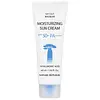
This chemical sunscreen covers the full UV range and blocks ~98% of UVB at SPF 50.
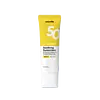
This hybrid sunscreen covers the full UV range and blocks ~98% of UVB at SPF 50.


What's inside
What's inside
 Key Ingredients
Benefits
Concerns
Ingredients Side-by-side
Water
Skin ConditioningDibutyl Adipate
EmollientC12-15 Alkyl Benzoate
AntimicrobialOctocrylene
UV Absorber



Propanediol
Solvent

Ethylhexyl Triazone
UV Absorber
Glycerin
Humectant
Polymethylsilsesquioxane

Alcohol Denat.
Antimicrobial


Methylene Bis-Benzotriazolyl Tetramethylbutylphenol
UV Filter
Ocimum Basilicum Leaf Extract
Skin ConditioningHyaluronic Acid
Humectant

Hydrolyzed Hyaluronic Acid
Humectant
Sodium Hyaluronate
Humectant
Vinyldimethicone
1,2-Hexanediol
Skin Conditioning
Bis-Ethylhexyloxyphenol Methoxyphenyl Triazine
UV Absorber
Pentylene Glycol
Skin Conditioning
Acrylates/C12-22 Alkyl Methacrylate Copolymer
Cetearyl Olivate

Dimethyl Capramide
Emulsion StabilisingTromethamine
BufferingBis-Diglyceryl Polyacyladipate-2
Emollient
Hydroxyacetophenone
Antioxidant
Sorbitan Olivate
Emulsifying
C20-22 Alkyl Phosphate
EmulsifyingDecyl Glucoside
Cleansing
Hydroxyethylcellulose
Emulsion StabilisingAcrylates/C10-30 Alkyl Acrylate Crosspolymer
Emulsion StabilisingArginine
Masking
Coco-Glucoside
Cleansing
Polyacrylate Crosspolymer-6
Emulsion StabilisingSodium Stearoyl Glutamate
CleansingCaprylic/Capric Triglyceride
Masking
Disodium Lauryl Sulfosuccinate
CleansingButylene Glycol
Humectant
Hydrogenated Lecithin
Emulsifying
Ceramide NP
Skin Conditioning

Ethylhexylglycerin
Skin ConditioningCarbomer
Emulsion StabilisingC20-22 Alcohols
Emulsion Stabilising
Xanthan Gum
EmulsifyingParfum
Masking

Water, Dibutyl Adipate, C12-15 Alkyl Benzoate, Octocrylene, Propanediol, Ethylhexyl Triazone, Glycerin, Polymethylsilsesquioxane, Alcohol Denat., Methylene Bis-Benzotriazolyl Tetramethylbutylphenol, Ocimum Basilicum Leaf Extract, Hyaluronic Acid, Hydrolyzed Hyaluronic Acid, Sodium Hyaluronate, Vinyldimethicone, 1,2-Hexanediol, Bis-Ethylhexyloxyphenol Methoxyphenyl Triazine, Pentylene Glycol, Acrylates/C12-22 Alkyl Methacrylate Copolymer, Cetearyl Olivate, Dimethyl Capramide, Tromethamine, Bis-Diglyceryl Polyacyladipate-2, Hydroxyacetophenone, Sorbitan Olivate, C20-22 Alkyl Phosphate, Decyl Glucoside, Hydroxyethylcellulose, Acrylates/C10-30 Alkyl Acrylate Crosspolymer, Arginine, Coco-Glucoside, Polyacrylate Crosspolymer-6, Sodium Stearoyl Glutamate, Caprylic/Capric Triglyceride, Disodium Lauryl Sulfosuccinate, Butylene Glycol, Hydrogenated Lecithin, Ceramide NP, Ethylhexylglycerin, Carbomer, C20-22 Alcohols, Xanthan Gum, Parfum
Water
Skin ConditioningEthylhexyl Methoxycinnamate
UV Absorber
Titanium Dioxide
Cosmetic Colorant
Ethylhexyl Salicylate
UV Absorber
Ethylhexyl Palmitate
Emollient

Octocrylene
UV Absorber
Polysorbate 60
Emulsifying
Propanediol
Solvent
Glyceryl Stearate
Emollient
Silica
Abrasive


PEG-100 Stearate
Surfactant
Cetearyl Alcohol
Emollient
Sorbitan Sesquioleate
Emulsifying
Potassium Cetyl Phosphate
EmulsifyingCaprylyl Glycol
Emollient
Arginine
Masking
Carbomer
Emulsion StabilisingButylene Glycol
Humectant
Ethylhexylglycerin
Skin ConditioningCamphor
Masking
Disodium EDTA
ChelatingGlycerin
Humectant
1,2-Hexanediol
Skin Conditioning
Ulmus Davidiana Root Extract
Skin Conditioning
Sodium Hyaluronate
Humectant
Aloe Barbadensis Leaf Extract
Emollient
Dioscorea Villosa Root Extract
Skin Conditioning
Viola Odorata Flower Extract
MaskingAsiaticoside
Antioxidant
Madecassic Acid
Skin Conditioning
Asiatic Acid
Skin Conditioning
Madecassoside
Antioxidant
Water, Ethylhexyl Methoxycinnamate, Titanium Dioxide, Ethylhexyl Salicylate, Ethylhexyl Palmitate, Octocrylene, Polysorbate 60, Propanediol, Glyceryl Stearate, Silica, PEG-100 Stearate, Cetearyl Alcohol, Sorbitan Sesquioleate, Potassium Cetyl Phosphate, Caprylyl Glycol, Arginine, Carbomer, Butylene Glycol, Ethylhexylglycerin, Camphor, Disodium EDTA, Glycerin, 1,2-Hexanediol, Ulmus Davidiana Root Extract, Sodium Hyaluronate, Aloe Barbadensis Leaf Extract, Dioscorea Villosa Root Extract, Viola Odorata Flower Extract, Asiaticoside, Madecassic Acid, Asiatic Acid, Madecassoside
Ingredients Explained
These ingredients are found in both products.
Ingredients higher up in an ingredient list are typically present in a larger amount.
1,2-Hexanediol is a synthetic liquid and another multi-functional powerhouse.
It is a:
- Humectant, drawing moisture into the skin
- Emollient, helping to soften skin
- Solvent, dispersing and stabilizing formulas
- Preservative booster, enhancing the antimicrobial activity of other preservatives
Arginine is a semi-essential amino acid. This just means our bodies can product a bit on its own, but sometimes needs a little boost from food sources.
It is a part of your skin's natural moisturizing factor (NMF), or the water-loving molecules in your outermost layer of skin (stratum corneum) that keeps everything hydrated and happy.
Here's an interesting thing about Arginine: your skin converts it into urea through the Krebs-Henseleit urea cycle. Urea is one of the most effective humectants your skin naturally produces.
A clinical study showed applying 2.5% arginine hydrochloride to atopic dermatitis skin showed significant urea levels in the stratum corneum and improved moisture in just four weeks.
Arginine is also a precursor to nitric oxide; nitric oxide improves microcirculation and supports wound healing and collagen synthesis.
One study found that an amino acid complex containing Arginine reduced skin irritation, improved hydration, and accelerated skin repair in clinical / in-vivo studies.
Arginine itself is an amino acid and not a fatty acid, oil, or ester. On its own, it's not a direct food source for Malassezia, or the yeast that causes fungal acne.
Learn more about ArginineButylene Glycol (or BG) is used within cosmetic products for a few different reasons:
Overall, Butylene Glycol is a safe and well-rounded ingredient that works well with other ingredients.
Though this ingredient works well with most skin types, some people with sensitive skin may experience a reaction such as allergic rashes, closed comedones, or itchiness.
Learn more about Butylene GlycolCarbomer is a synthetic thickening and gelling agent. It's basically the ingredient that gives a lot of serums, gels, creams, and sunscreens their smooth, non-sticky texture.
Although legally permitted at very high levels, carbomers are normally used at concentrations below 1%.
It also needs to be neutralized to actually thicken, and because it is a large molecule, it doesn't really penetrate the skin barrier.
Allergy-wise, the risk is very low. Clinical studies show carbomers have low potential for skin irritation/sensitization even at concentrations up to 100%.
A 2024 UK study patch-tested 1,302 patients and found true allergy to the parent group of carbomer to be rare with no confirmed relevant reactions.
Learn more about CarbomerEthylhexylglycerin is created from glycerin. It is a multitasker ingredient that:
The CIR Expert Panel found minimal skin absorption or sensitization of any kind in a safety assessment. Though this ingredient is considered well-tolerated, a small number of cases of allergic dermatitis have been published since 2002. Just be sure to patch test if you are unsure.
Industry-reported use ranges from 8% in rinse-off products and 2% in leave-on formulations.
Learn more about EthylhexylglycerinGlycerin (or glycerol) is a compound naturally found in your skin. It's a powerhouse humectant that pulls water into the stratum corneum.
Topically, glycerin does several things at once:
Your skin makes glycerin on its own (mostly from sebaceous oil breakdown) and shuttles it to your outermost layer of skin, or your epidermis, via aquaporin-3.
Aquaporin-3 is a transporter that is essential for normal skin hydration, elasticity, and repair. Interestingly, mice lacking in AQP3 have dry and less elastic skin that can be fully corrected with glycerin.
This ingredient is non-irritating, plays well with almost every ingredient, and works across all skin types. Typical use is anywhere between 3-10% but can go up to 79% in some leave-on products.
Just know very high concentrations (>40%) can feel tacky in low humidity.
Glycerin is the name for this ingredient in American English. British English uses Glycerol/Glycerine.
Learn more about GlycerinOctocrylene is an oil-soluble organic UV filter that mainly absorbs UVB and short wave UVA II light.
Its real superpower is teamwork: octocrylene is remarkably photostable and is most famous for stabilizing avobenzone (the workhorse UVA filter).
This ingredient is commonly used to enhance both UVB and UVA protection due to its unique property in stabilizing avobenzone. It also pulls double duty by boosting water resistance and giving formulas a smooth, spreadable feel.
The EU's Scientific Committee on Consumer Safety (SCCS) has deemed octocrylene to be safe as a UV-filter at concentrations up to 10% (capped at 9% in propellant sprays). The US also permits it up to 10%.
Two things worth knowing:
You'll usually see this ingredient used in concentrations between 2-10% (higher amounts when used as a stabilizer for avobenzone).
Learn more about OctocrylenePropanediol is an all-star ingredient. It softens, hydrates, and smooths the skin.
It’s often used to:
Propanediol is not likely to cause sensitivity and considered safe to use. It is derived from corn or petroleum with a clear color and no scent.
Learn more about PropanediolSodium Hyaluronate is the salt form of hyaluronic acid. It is a long sugar chain that is naturally found in your skin, joints, and connective tissue that maintains hydration and elasticity.
In skincare, it works as a humectant. It pulls water from the environment and deeper layers of skin and binds it to the surface.
Interestingly, the size of the molecule affects its behavior:
Some clinical evidence links low molecular weight versions to improved wrinkle depth, elasticity, anti-inflammatory effects, and barrier repair.
Many serums use a blend of both weights so you can get surface hydration plus longer-lasting and deeper effects.
You'll typically see concentrations between 0.1-2% for this ingredient.
Learn more about Sodium HyaluronateWater. It's the most common cosmetic ingredient of all. You'll usually see it at the top of ingredient lists, meaning that it makes up the largest part of the product.
So why is it so popular? Water most often acts as a solvent - this means that it helps dissolve other ingredients into the formulation.
You'll also recognize water as that liquid we all need to stay alive. If you see this, drink a glass of water. Remember to stay hydrated!
Learn more about Water

