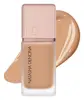
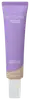
Natasha Denona Hy-Glam Foundation Hydrating & Blurring Luminous Longwear Serum Foundation Versus Missha M Perfect Cover Serum B.B Cream


What's inside
What's inside
 Key Ingredients
Benefits
Concerns
Ingredients Side-by-side
Water
Skin ConditioningCI 77891
Cosmetic ColorantDiphenylsiloxy Phenyl Trimethicone
Skin Conditioning
Phenyl Trimethicone
Skin Conditioning
Dimethicone
Emollient
Butylene Glycol
Humectant

Caprylyl Methicone
Skin Conditioning
Glycerin
Humectant
CI 77492
Cosmetic ColorantLauryl Polyglyceryl-3 Polydimethylsiloxyethyl Dimethicone
Skin Conditioning
Isododecane
EmollientTrimethylsiloxysilicate
Emollient
Alcohol Denat.
Antimicrobial




Polyglyceryl-3 Polydimethylsiloxyethyl Dimethicone
Skin Conditioning
Acrylates/Polytrimethylsiloxymethacrylate Copolymer
Skin ConditioningPhenylpropyldimethylsiloxysilicate
EmollientSorbitan Sesquioleate
Emulsifying
C13-15 Alkane
Solvent1,2-Hexanediol
Skin Conditioning
Quaternium-90 Bentonite
Acrylates/Dimethicone Copolymer
Skin Conditioning
Magnesium Sulfate
Boron Nitride
Absorbent
Dimethicone/Vinyl Dimethicone Crosspolymer
Skin Conditioning
CI 77491
Cosmetic ColorantHydroxyacetophenone
Antioxidant
Disodium Stearoyl Glutamate
CleansingCI 77499
Cosmetic ColorantCaprylic/Capric Triglyceride
Masking
Bambusa Arundinacea Stem Powder
Abrasive
Aluminum Hydroxide
EmollientChlorella Emersonii Extract
Skin ConditioningTocopherol
Antioxidant




Jasminum Sambac Leaf Cell Extract
Masking
Vitis Vinifera Fruit Extract
Skin ConditioningCamellia Sinensis Leaf Extract
Antimicrobial

Water, CI 77891, Diphenylsiloxy Phenyl Trimethicone, Phenyl Trimethicone, Dimethicone, Butylene Glycol, Caprylyl Methicone, Glycerin, CI 77492, Lauryl Polyglyceryl-3 Polydimethylsiloxyethyl Dimethicone, Isododecane, Trimethylsiloxysilicate, Alcohol Denat., Polyglyceryl-3 Polydimethylsiloxyethyl Dimethicone, Acrylates/Polytrimethylsiloxymethacrylate Copolymer, Phenylpropyldimethylsiloxysilicate, Sorbitan Sesquioleate, C13-15 Alkane, 1,2-Hexanediol, Quaternium-90 Bentonite, Acrylates/Dimethicone Copolymer, Magnesium Sulfate, Boron Nitride, Dimethicone/Vinyl Dimethicone Crosspolymer, CI 77491, Hydroxyacetophenone, Disodium Stearoyl Glutamate, CI 77499, Caprylic/Capric Triglyceride, Bambusa Arundinacea Stem Powder, Aluminum Hydroxide, Chlorella Emersonii Extract, Tocopherol, Jasminum Sambac Leaf Cell Extract, Vitis Vinifera Fruit Extract, Camellia Sinensis Leaf Extract
Water
Skin ConditioningDimethicone
Emollient
Caprylic/Capric Triglyceride
Masking
Titanium Dioxide
Cosmetic Colorant

Glycerin
Humectant
Butylene Glycol
Humectant
PEG-10 Dimethicone
Skin Conditioning
Undecane
EmollientBoron Nitride
Absorbent
Cetyl PEG/PPG-10/1 Dimethicone
Emulsifying
Disteardimonium Hectorite
StabilisingTridecane
Perfuming
Magnesium Sulfate
Pentylene Glycol
Skin Conditioning
Methyl Methacrylate Crosspolymer
CI 77492
Cosmetic ColorantPalmitic Acid
Emollient

CI 77491
Cosmetic ColorantGlyceryl Caprylate
EmollientCaprylyl Glycol
Emollient
Aluminum Hydroxide
EmollientCitrus Aurantium Bergamia Fruit Oil
Masking

Triethoxycaprylylsilane
CI 77499
Cosmetic ColorantEthylhexylglycerin
Skin ConditioningXanthan Gum
EmulsifyingPelargonium Graveolens Flower Oil
Masking
Synthetic Fluorphlogopite
Lavandula Angustifolia Oil
Masking
Citrus Aurantium Dulcis Peel Oil
Masking
Myristic Acid
Cleansing
Stearic Acid
Cleansing
Tocopherol
Antioxidant
Anthemis Nobilis Flower Oil
Masking
Santalum Album Oil
Masking
1,2-Hexanediol
Skin Conditioning
Bifida Ferment Lysate
Skin Conditioning
Lactobacillus Ferment
Skin Conditioning
Lactobacillus/Acerola Cherry Ferment
Skin ProtectingLactococcus Ferment
Skin ConditioningLeuconostoc/Radish Root Ferment Filtrate
Antimicrobial
Bifida Ferment Filtrate
Skin Conditioning
Lactobacillus/Soybean Ferment Extract
Skin ConditioningLactobacillus/Punica Granatum Fruit Ferment Extract
Antioxidant
Lactobacillus Ferment Lysate
Skin Conditioning
Lactococcus Ferment Lysate
Skin Conditioning
Oryza Sativa Extract
Absorbent
Saccharomyces Ferment
Skin Conditioning
Beta Vulgaris Root Extract
Skin ConditioningDaucus Carota Sativa Root Extract
Skin Conditioning
Brassica Oleracea Capitata Leaf Extract
Skin ConditioningVaccinium Angustifolium Fruit Extract
Skin Protecting
Solanum Melongena Fruit Extract
Skin ConditioningBacillus Ferment
Skin Conditioning
Limonene
Perfuming
Citronellol
Perfuming
Geraniol
Perfuming
Linalool
Perfuming
Water, Dimethicone, Caprylic/Capric Triglyceride, Titanium Dioxide, Glycerin, Butylene Glycol, PEG-10 Dimethicone, Undecane, Boron Nitride, Cetyl PEG/PPG-10/1 Dimethicone, Disteardimonium Hectorite, Tridecane, Magnesium Sulfate, Pentylene Glycol, Methyl Methacrylate Crosspolymer, CI 77492, Palmitic Acid, CI 77491, Glyceryl Caprylate, Caprylyl Glycol, Aluminum Hydroxide, Citrus Aurantium Bergamia Fruit Oil, Triethoxycaprylylsilane, CI 77499, Ethylhexylglycerin, Xanthan Gum, Pelargonium Graveolens Flower Oil, Synthetic Fluorphlogopite, Lavandula Angustifolia Oil, Citrus Aurantium Dulcis Peel Oil, Myristic Acid, Stearic Acid, Tocopherol, Anthemis Nobilis Flower Oil, Santalum Album Oil, 1,2-Hexanediol, Bifida Ferment Lysate, Lactobacillus Ferment, Lactobacillus/Acerola Cherry Ferment, Lactococcus Ferment, Leuconostoc/Radish Root Ferment Filtrate, Bifida Ferment Filtrate, Lactobacillus/Soybean Ferment Extract, Lactobacillus/Punica Granatum Fruit Ferment Extract, Lactobacillus Ferment Lysate, Lactococcus Ferment Lysate, Oryza Sativa Extract, Saccharomyces Ferment, Beta Vulgaris Root Extract, Daucus Carota Sativa Root Extract, Brassica Oleracea Capitata Leaf Extract, Vaccinium Angustifolium Fruit Extract, Solanum Melongena Fruit Extract, Bacillus Ferment, Limonene, Citronellol, Geraniol, Linalool
Reviews
Ingredients Explained
These ingredients are found in both products.
Ingredients higher up in an ingredient list are typically present in a larger amount.
1,2-Hexanediol is a synthetic liquid and another multi-functional powerhouse.
It is a:
- Humectant, drawing moisture into the skin
- Emollient, helping to soften skin
- Solvent, dispersing and stabilizing formulas
- Preservative booster, enhancing the antimicrobial activity of other preservatives
Aluminum Hydroxide is a form of aluminum. It can be naturally found in nature as the mineral gibbsite. In cosmetics, Aluminum Hydroxide is used as a colorant, pH adjuster, and absorbent.
As a colorant, Aluminum Hydroxide may add opacity, or reduce the transparency. Aluminum hydroxide is contains both basic and acidic properties.
According to manufacturers, this ingredient is an emollient and humectant. This means it helps hydrate the skin.
In medicine, this ingredient is used to help relieve heartburn and help heal ulcers.
There is currently no credible scientific evidence linking aluminum hydroxide in cosmetics to increased cancer risk.
Major health organizations allow the use of aluminum hydroxide in personal care products and have not flagged it as a carcinogenic risk at typical usage levels.
Learn more about Aluminum HydroxideBoron Nitride is compound consisting of boron and nitrogen. It is used to absorb oil and modify adherence/ slip in products.
This means it is often used in makeup products to help them last longer.
Butylene Glycol (or BG) is used within cosmetic products for a few different reasons:
Overall, Butylene Glycol is a safe and well-rounded ingredient that works well with other ingredients.
Though this ingredient works well with most skin types, some people with sensitive skin may experience a reaction such as allergic rashes, closed comedones, or itchiness.
Learn more about Butylene GlycolCaprylic/Capric Triglyceride (aka MCT Oil) is a lightweight emollient, solvent, and texture enhancer. It is considered a skin-softener by helping to prevent moisture loss.
Though it behaves like an oil, it is not technically one due to its chemical composition. One perk of this ingredient is that it is very stable, resistant to oxidation, and unlikely to go rancid.
In practice, that translates to a long shelf life and a consistently elegant skin feel.
While there is an assumption Caprylic Triglyceride can clog pores due to it being derived from coconut oil, there is no research supporting this. Just patch test if you have concerns.
Fractionated coconut oil and MCT Oil are both listed as Caprylic/Capric Triglyceride according to INCI. This is because INCI names are based on the ingredient’s final chemical composition and not its marketing name or source.
This ingredient is treated as the gold standard fungal acne safe oil. Even though it is coconut derived, the problematic lauric acid is stripped out.
This leaves just caprylic (C8) and capric (C10) acid. These chain lengths actually trend antifungal; a 2020 study found caprylic acid was enough to disrupt Malassezia furfur cell membrane, with a caprylic acid derivative damaging membrane structures at concentrations as low as 0.2%.
Learn more about Caprylic/Capric TriglycerideCi 77491 is also hydrated iron III oxide. It's sole purpose is to give a red/pink hue to products.
Iron III oxides are classified as inorganic chemicals for coloring.
Synthetically created Ci 77491 is considered safer than those naturally found. This is because the synthetically created version may contain less impurities. Iron oxides are generally non-toxic and non-allergenic.
Learn more about CI 77491CI 77492 is also hydrated iron III oxide. It's sole purpose is to give a yellow hue to products.
Iron III oxides are classified as inorganic chemicals for coloring.
Synthetically created CI 77492 is considered safer than those naturally found. This is because the synthetically created version may contain less impurities. Iron oxides are generally non-toxic and non-allergenic.
Learn more about CI 77492Ci 77499 is also hydrated iron III oxide. It is created from mixing red and black iron oxides. This helps give shades of darkness to a product.
Iron III oxides are classified as inorganic chemicals for coloring.
Dimethicone is a type of synthetic silicone created from natural materials such as quartz. It is also known as polydimethylsiloxane.
What it does:
Dimethicone comes in different viscosities:
Depending on the viscosity, dimethicone has different properties.
Ingredients lists don't always show which type is used, so we recommend reaching out to the brand if you have questions about the viscosity.
This ingredient is unlikely to cause irritation because it does not get absorbed into skin. However, people with silicone allergies should be careful about using this ingredient.
Note: Dimethicone may contribute to pilling. This is because it is not oil or water soluble, so pilling may occur when layered with products. When mixed with heavy oils in a formula, the outcome is also quite greasy.
Learn more about DimethiconeGlycerin (or glycerol) is a compound naturally found in your skin. It's a powerhouse humectant that pulls water into the stratum corneum.
Topically, glycerin does several things at once:
Your skin makes glycerin on its own (mostly from sebaceous oil breakdown) and shuttles it to your outermost layer of skin, or your epidermis, via aquaporin-3.
Aquaporin-3 is a transporter that is essential for normal skin hydration, elasticity, and repair. Interestingly, mice lacking in AQP3 have dry and less elastic skin that can be fully corrected with glycerin.
This ingredient is non-irritating, plays well with almost every ingredient, and works across all skin types. Typical use is anywhere between 3-10% but can go up to 79% in some leave-on products.
Just know very high concentrations (>40%) can feel tacky in low humidity.
Glycerin is the name for this ingredient in American English. British English uses Glycerol/Glycerine.
Learn more about GlycerinMagnesium Sulfate is a salt. More specifically, it is an epsom salt, or the bath salt used to help relieve muscle aches.
Despite having ‘sulfate’ in the name, it isn’t a surfactant or cleansing agent like sodium lauryl sulfate. Unlike those sulfates, magnesium sulfate doesn’t have the same cleansing or foaming properties (it's simply a type of salt).
In cosmetics, Magnesium Sulfate is used to thicken a product or help dilute other solids. It is a non-reactive and non-irritating ingredient.
One study shows magnesium deficiency may lead to inflammation of the skin. Applying magnesium topically may help reduce inflammation.
You can find this ingredient in sea water or mineral deposits.
Learn more about Magnesium SulfateTocopherol is a fat-soluble antioxidant known as Vitamin E.
You'll find this ingredient in the vast majority of skincare (for good reason). It works to neutralize free radicals, or unstable molecules generated by UV exposure, pollution, and other environmental stressors, before they can cause oxidative damage to your skin cells.
Topically applied tocopherol has been shown to protect against UV damage by ramping up the skin's own natural defense enzymes.
It also acts as a skin conditioning agent; some studies show that regular topical use can improve the skin's water-binding capacity over 2-4 weeks.
This ingredient is especially loved for being a team player. When combined with Vitamin C, the photoprotective effect of both ingredients roughly doubles and the combo also helps reduce UV-induced DNA damage.
This ingredient has some brightening potential but it's more of a prevention ingredient than spot-fader. Cell studies show it can slow down melanin production but it's worth noting that it's not the most powerful brightener out there.
In formulations, it also serves as a stabilizer that helps protect other oxidation-prone ingredients from degrading.
Concentrations usually range from 0.1-1% in most leave-on products.
Learn more about TocopherolWater. It's the most common cosmetic ingredient of all. You'll usually see it at the top of ingredient lists, meaning that it makes up the largest part of the product.
So why is it so popular? Water most often acts as a solvent - this means that it helps dissolve other ingredients into the formulation.
You'll also recognize water as that liquid we all need to stay alive. If you see this, drink a glass of water. Remember to stay hydrated!
Learn more about Water

