

What's inside
What's inside
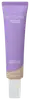 Key Ingredients
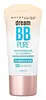
Benefits
Concerns
Ingredients Side-by-side
Water
Skin ConditioningDimethicone
Emollient

Caprylic/Capric Triglyceride
Masking


Titanium Dioxide
Cosmetic Colorant

Glycerin
Humectant
Butylene Glycol
Humectant
PEG-10 Dimethicone
Skin Conditioning
Undecane
EmollientBoron Nitride
Absorbent
Cetyl PEG/PPG-10/1 Dimethicone
Emulsifying
Disteardimonium Hectorite
StabilisingTridecane
Perfuming

Magnesium Sulfate
Pentylene Glycol
Skin Conditioning
Methyl Methacrylate Crosspolymer
CI 77492
Cosmetic ColorantPalmitic Acid
Emollient




CI 77491
Cosmetic ColorantGlyceryl Caprylate
EmollientCaprylyl Glycol
Emollient
Aluminum Hydroxide
EmollientCitrus Aurantium Bergamia Fruit Oil
Masking


Triethoxycaprylylsilane
CI 77499
Cosmetic ColorantEthylhexylglycerin
Skin ConditioningXanthan Gum
EmulsifyingPelargonium Graveolens Flower Oil
Masking
Synthetic Fluorphlogopite
Lavandula Angustifolia Oil
Masking
Citrus Aurantium Dulcis Peel Oil
Masking
Myristic Acid
Cleansing
Stearic Acid
Cleansing
Tocopherol
Antioxidant





Anthemis Nobilis Flower Oil
Masking
Santalum Album Oil
Masking
1,2-Hexanediol
Skin Conditioning
Bifida Ferment Lysate
Skin Conditioning
Lactobacillus Ferment
Skin Conditioning
Lactobacillus/Acerola Cherry Ferment
Skin ProtectingLactococcus Ferment
Skin ConditioningLeuconostoc/Radish Root Ferment Filtrate
Antimicrobial
Bifida Ferment Filtrate
Skin Conditioning
Lactobacillus/Soybean Ferment Extract
Skin ConditioningLactobacillus/Punica Granatum Fruit Ferment Extract
Antioxidant
Lactobacillus Ferment Lysate
Skin Conditioning
Lactococcus Ferment Lysate
Skin Conditioning
Oryza Sativa Extract
Absorbent
Saccharomyces Ferment
Skin Conditioning
Beta Vulgaris Root Extract
Skin ConditioningDaucus Carota Sativa Root Extract
Skin Conditioning
Brassica Oleracea Capitata Leaf Extract
Skin ConditioningVaccinium Angustifolium Fruit Extract
Skin Protecting
Solanum Melongena Fruit Extract
Skin ConditioningBacillus Ferment
Skin Conditioning
Limonene
Perfuming
Citronellol
Perfuming
Geraniol
Perfuming
Linalool
Perfuming
Water, Dimethicone, Caprylic/Capric Triglyceride, Titanium Dioxide, Glycerin, Butylene Glycol, PEG-10 Dimethicone, Undecane, Boron Nitride, Cetyl PEG/PPG-10/1 Dimethicone, Disteardimonium Hectorite, Tridecane, Magnesium Sulfate, Pentylene Glycol, Methyl Methacrylate Crosspolymer, CI 77492, Palmitic Acid, CI 77491, Glyceryl Caprylate, Caprylyl Glycol, Aluminum Hydroxide, Citrus Aurantium Bergamia Fruit Oil, Triethoxycaprylylsilane, CI 77499, Ethylhexylglycerin, Xanthan Gum, Pelargonium Graveolens Flower Oil, Synthetic Fluorphlogopite, Lavandula Angustifolia Oil, Citrus Aurantium Dulcis Peel Oil, Myristic Acid, Stearic Acid, Tocopherol, Anthemis Nobilis Flower Oil, Santalum Album Oil, 1,2-Hexanediol, Bifida Ferment Lysate, Lactobacillus Ferment, Lactobacillus/Acerola Cherry Ferment, Lactococcus Ferment, Leuconostoc/Radish Root Ferment Filtrate, Bifida Ferment Filtrate, Lactobacillus/Soybean Ferment Extract, Lactobacillus/Punica Granatum Fruit Ferment Extract, Lactobacillus Ferment Lysate, Lactococcus Ferment Lysate, Oryza Sativa Extract, Saccharomyces Ferment, Beta Vulgaris Root Extract, Daucus Carota Sativa Root Extract, Brassica Oleracea Capitata Leaf Extract, Vaccinium Angustifolium Fruit Extract, Solanum Melongena Fruit Extract, Bacillus Ferment, Limonene, Citronellol, Geraniol, Linalool







Reviews
Ingredients Explained
These ingredients are found in both products.
Ingredients higher up in an ingredient list are typically present in a larger amount.
Dimethicone is a type of synthetic silicone created from natural materials such as quartz. It is also known as polydimethylsiloxane.
What it does:
Dimethicone comes in different viscosities:
Depending on the viscosity, dimethicone has different properties.
Ingredients lists don't always show which type is used, so we recommend reaching out to the brand if you have questions about the viscosity.
This ingredient is unlikely to cause irritation because it does not get absorbed into skin. However, people with silicone allergies should be careful about using this ingredient.
Note: Dimethicone may contribute to pilling. This is because it is not oil or water soluble, so pilling may occur when layered with products. When mixed with heavy oils in a formula, the outcome is also quite greasy.
Learn more about DimethiconeDisteardimonium Hectorite comes from the clay mineral named hectorite. It is used to add thickness to a product.
It can also help stabilize a product by helping to disperse other ingredients.
Hectorite is a rare, white clay mineral.
Learn more about Disteardimonium HectoriteGlycerin (or glycerol) is a compound naturally found in your skin. It's a powerhouse humectant that pulls water into the stratum corneum.
Topically, glycerin does several things at once:
Your skin makes glycerin on its own (mostly from sebaceous oil breakdown) and shuttles it to your outermost layer of skin, or your epidermis, via aquaporin-3.
Aquaporin-3 is a transporter that is essential for normal skin hydration, elasticity, and repair. Interestingly, mice lacking in AQP3 have dry and less elastic skin that can be fully corrected with glycerin.
This ingredient is non-irritating, plays well with almost every ingredient, and works across all skin types. Typical use is anywhere between 3-10% but can go up to 79% in some leave-on products.
Just know very high concentrations (>40%) can feel tacky in low humidity.
Glycerin is the name for this ingredient in American English. British English uses Glycerol/Glycerine.
Learn more about GlycerinWater. It's the most common cosmetic ingredient of all. You'll usually see it at the top of ingredient lists, meaning that it makes up the largest part of the product.
So why is it so popular? Water most often acts as a solvent - this means that it helps dissolve other ingredients into the formulation.
You'll also recognize water as that liquid we all need to stay alive. If you see this, drink a glass of water. Remember to stay hydrated!
Learn more about Water


