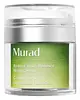
This anti-aging night moisturizer is formulated around Niacinamide and Retinol to soften the look of wrinkles and refine skin texture.
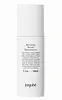
This anti-aging overnight mask is formulated around Hydroxypinacolone Retinoate and Gluconolactone to soften the look of wrinkles and refine skin texture.


What's inside
What's inside
 Key Ingredients
Benefits
Concerns
Ingredients Side-by-side
Water
Skin ConditioningIsostearyl Hydroxystearate
EmollientNiacinamide
Smoothing











Propanediol
Solvent
Caprylic/Capric Triglyceride
Masking
C14-22 Alcohols
Emulsion Stabilising
Polymethylsilsesquioxane

Dimethicone
Emollient
Cetyl Alcohol
Emollient

Glyceryl Stearate
Emollient
Hydrolyzed Yeast Extract
Skin ConditioningIsopropyl Palmitate
Emollient


Retinol
Skin Conditioning

Retinyl Propionate
Skin Conditioning
Oleyl Alcohol
Emollient

Sodium Hyaluronate
Humectant
Serine
Masking
Hexyldecanol
Emollient
Glycine Soja Extract
Skin ConditioningTocopheryl Acetate
Antioxidant

Glycine Soja Sterols
Emollient
Urea
Buffering
Yeast Amino Acids
HumectantTrehalose
Humectant
Inositol
Humectant
Taurine
BufferingBetaine
Humectant
Glycerin
Humectant
Polyglucuronic Acid
Skin ConditioningC12-20 Alkyl Glucoside
EmulsifyingDioscorea Villosa Root Extract
Skin Conditioning
Pentylene Glycol
Skin Conditioning
Glyceryl Polyacrylate
Algin
Masking
Caprylyl Glycol
Emollient
Swertia Chirata Extract
HumectantLecithin
Emollient
Pullulan
Disodium Phosphate
BufferingPotassium Phosphate
BufferingPEG-75 Stearate
Surfactant
Ceteth-20
CleansingSteareth-20
CleansingCetyl Hydroxyethylcellulose
Emulsion StabilisingPhenoxyethanol
Preservative
Ethylhexylglycerin
Skin ConditioningPicolinamide
EmollientDisodium EDTA
Sodium Hydroxide
BufferingHexylene Glycol
EmulsifyingSodium Benzotriazolyl Butylphenol Sulfonate
UV AbsorberAmmonium Acryloyldimethyltaurate/Vp Copolymer
CI 19140
Cosmetic ColorantCI 14700
Cosmetic ColorantAlpha-Isomethyl Ionone
Perfuming
Citronellol
Perfuming
Parfum
Masking
Water, Isostearyl Hydroxystearate, Niacinamide, Propanediol, Caprylic/Capric Triglyceride, C14-22 Alcohols, Polymethylsilsesquioxane, Dimethicone, Cetyl Alcohol, Glyceryl Stearate, Hydrolyzed Yeast Extract, Isopropyl Palmitate, Retinol, Retinyl Propionate, Oleyl Alcohol, Sodium Hyaluronate, Serine, Hexyldecanol, Glycine Soja Extract, Tocopheryl Acetate, Glycine Soja Sterols, Urea, Yeast Amino Acids, Trehalose, Inositol, Taurine, Betaine, Glycerin, Polyglucuronic Acid, C12-20 Alkyl Glucoside, Dioscorea Villosa Root Extract, Pentylene Glycol, Glyceryl Polyacrylate, Algin, Caprylyl Glycol, Swertia Chirata Extract, Lecithin, Pullulan, Disodium Phosphate, Potassium Phosphate, PEG-75 Stearate, Ceteth-20, Steareth-20, Cetyl Hydroxyethylcellulose, Phenoxyethanol, Ethylhexylglycerin, Picolinamide, Disodium EDTA, Sodium Hydroxide, Hexylene Glycol, Sodium Benzotriazolyl Butylphenol Sulfonate, Ammonium Acryloyldimethyltaurate/Vp Copolymer, CI 19140, CI 14700, Alpha-Isomethyl Ionone, Citronellol, Parfum
Water
Skin ConditioningPentylene Glycol
Skin Conditioning
C15-19 Alkane
SolventCetyl Alcohol
Emollient
Betaine
Humectant
Squalane
Emollient
Coco-Caprylate/Caprate
Emollient
Glycerin
Humectant
Butyrospermum Parkii Butter
Skin Conditioning
Dimethyl Isosorbide
SolventPolyglyceryl-3 Methylglucose Distearate
Emulsifying
Tocopheryl Acetate
Antioxidant
Hydroxypinacolone Retinoate
Skin Conditioning
Hydrolyzed Hyaluronic Acid
Humectant
Gluconolactone
Skin Conditioning
Sodium Hyaluronate
Humectant
Lactobacillus Ferment
Skin Conditioning
Lactobacillus
Skin ConditioningCocos Nucifera Fruit Extract
Emollient
Ceramide NP
Skin Conditioning
Tocopherol
Antioxidant
Cetearyl Alcohol
Emollient
Isocetyl Alcohol
Emollient
Ethylhexylglycerin
Skin ConditioningXanthan Gum
EmulsifyingCetearyl Glucoside
Emulsifying
Sodium Stearoyl Glutamate
CleansingSodium Gluconate
Skin ConditioningCitric Acid
Buffering
Water, Pentylene Glycol, C15-19 Alkane, Cetyl Alcohol, Betaine, Squalane, Coco-Caprylate/Caprate, Glycerin, Butyrospermum Parkii Butter, Dimethyl Isosorbide, Polyglyceryl-3 Methylglucose Distearate, Tocopheryl Acetate, Hydroxypinacolone Retinoate, Hydrolyzed Hyaluronic Acid, Gluconolactone, Sodium Hyaluronate, Lactobacillus Ferment, Lactobacillus, Cocos Nucifera Fruit Extract, Ceramide NP, Tocopherol, Cetearyl Alcohol, Isocetyl Alcohol, Ethylhexylglycerin, Xanthan Gum, Cetearyl Glucoside, Sodium Stearoyl Glutamate, Sodium Gluconate, Citric Acid
Reviews
Ingredients Explained
These ingredients are found in both products.
Ingredients higher up in an ingredient list are typically present in a larger amount.
Betaine is a humectant. Like hyaluronic acid, it helps attract and retain moisture in the skin. It’s known for being gentle and for helping the skin maintain balanced hydration.
Betaine is mainly used to improve hydration and support calmer skin. It helps skin cells regulate water balance because it functions as an osmolyte.
Some studies suggest betaine may support making skin tone more even.
Fun fact: Betaine naturally exists in the skin and the body. In cosmetic products, it can be either plant-derived (most commonly from sugar beets) or synthetically produced for consistency and stability.
Betaine is also known as trimethylglycine.
Learn more about BetaineCetyl Alcohol is a fatty alcohol. Fatty Alcohols are most often used as an emollient or to thicken a product.
Its main roles are:
Though it has "alcohol" in the name, it is not related to denatured alcohol or ethyl alcohol.
The FDA allows products labeled "alcohol-free" to have fatty alcohols.
This ingredient may not be fungal acne safe. It is a primary fatty alcohol with a chain length above 12 carbons. A study from 2019 show Malassezia can feed on fatty alcohols in this range, so it may trigger fungal acne in those prone to it.
Learn more about Cetyl AlcoholEthylhexylglycerin is created from glycerin. It is a multitasker ingredient that:
The CIR Expert Panel found minimal skin absorption or sensitization of any kind in a safety assessment. Though this ingredient is considered well-tolerated, a small number of cases of allergic dermatitis have been published since 2002. Just be sure to patch test if you are unsure.
Industry-reported use ranges from 8% in rinse-off products and 2% in leave-on formulations.
Learn more about EthylhexylglycerinGlycerin (or glycerol) is a compound naturally found in your skin. It's a powerhouse humectant that pulls water into the stratum corneum.
Topically, glycerin does several things at once:
Your skin makes glycerin on its own (mostly from sebaceous oil breakdown) and shuttles it to your outermost layer of skin, or your epidermis, via aquaporin-3.
Aquaporin-3 is a transporter that is essential for normal skin hydration, elasticity, and repair. Interestingly, mice lacking in AQP3 have dry and less elastic skin that can be fully corrected with glycerin.
This ingredient is non-irritating, plays well with almost every ingredient, and works across all skin types. Typical use is anywhere between 3-10% but can go up to 79% in some leave-on products.
Just know very high concentrations (>40%) can feel tacky in low humidity.
Glycerin is the name for this ingredient in American English. British English uses Glycerol/Glycerine.
Learn more about GlycerinPentylene Glycol (1,2-pentanediol) is a multitasking little diol with three main roles in a formula:
Research on alkanediols (the family pentylene glycol belongs to) show they work by disrupting microbial cell membranes. This disruption helps the primary preservative system in a product work more effectively at lower doses.
On the safety side, the Cosmetic Ingredient Review Expert Panel has concluded this ingredient to be safe as used in current cosmetic practices + concentrations.
Typical use levels in a formula run about 1-5%.
Learn more about Pentylene GlycolSodium Hyaluronate is the salt form of hyaluronic acid. It is a long sugar chain that is naturally found in your skin, joints, and connective tissue that maintains hydration and elasticity.
In skincare, it works as a humectant. It pulls water from the environment and deeper layers of skin and binds it to the surface.
Interestingly, the size of the molecule affects its behavior:
Some clinical evidence links low molecular weight versions to improved wrinkle depth, elasticity, anti-inflammatory effects, and barrier repair.
Many serums use a blend of both weights so you can get surface hydration plus longer-lasting and deeper effects.
You'll typically see concentrations between 0.1-2% for this ingredient.
Learn more about Sodium HyaluronateTocopheryl Acetate is a stable, shelf-friendly form of vitamin E.
Formulators love it because plain vitamin E oxidizes quickly once it hits air. This acetate version stays stable and resists going off, helping to extend a product's shelf life.
It's actually inactive on its own and works like a slow-release "storage" form; the enzymes in your skin called esterases gradually convert it into active vitamin E over time.
One in vivo study showed 5% of the acetate in the living layer of the epidermis converted to vitamin E after 5 days of application. This study also found the skin gained protection against UV damage even though the conversion was slow and small.
Once converted, vitamin E acts as a skin's main fat-soluble antioxidant that fights free radicals to protect skin from damage.
Topical vitamin E generally boosts the skin's photoprotection, and it reduced UV-damage in animal models.
This ingredient has some brightening potential but it's more of a prevention ingredient than spot-fader. Cell studies show it can slow down melanin production but it's worth noting that it's not the most powerful brightener out there.
Overall, it has a pretty solid safety profile and has been found to be non-irritating and non-comedogenic. Allergic reactions may happen but stay rare due to how widely the ingredient gets used.
The concentration will vary depending on the formula; industry data shows 0.1% in baby lotions, 3% in lipsticks, and 5% in foot powders. You can also find this ingredient at 100% in a pure vitamin E oil.
Most leave-on skincare keeps it at the lower end, often between 0.5-1%.
Learn more about Tocopheryl AcetateWater. It's the most common cosmetic ingredient of all. You'll usually see it at the top of ingredient lists, meaning that it makes up the largest part of the product.
So why is it so popular? Water most often acts as a solvent - this means that it helps dissolve other ingredients into the formulation.
You'll also recognize water as that liquid we all need to stay alive. If you see this, drink a glass of water. Remember to stay hydrated!
Learn more about Water

