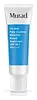
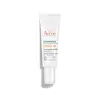
Murad Oil and Pore Control Mattifier Broad Spectrum SPF 45 PA++++ Versus Avène Cleanance Mattifying Sunscreen Lotion SPF 30
This chemical sunscreen covers most of the UV range, lighter on the deep UVA that drives aging.
This hybrid sunscreen covers the full UV range and blocks ~97% of UVB at SPF 30.


What's inside
What's inside
 Key Ingredients
Benefits
Concerns
Ingredients Side-by-side
Butyl Methoxydibenzoylmethane 3%
UV Absorber
Homosalate 10%
Skin Conditioning
Ethylhexyl Salicylate 5%
UV Absorber
Octocrylene 5%
UV Absorber

Water
Skin ConditioningTapioca Starch
Polysilicone-11


Methyl Methacrylate Crosspolymer
Propanediol Dicaprylate
EmollientButylene Glycol
Humectant

Coconut Alkanes
Emollient

Cetearyl Alcohol
Emollient



C20-22 Alkyl Phosphate
EmulsifyingEnantia Chlorantha Bark Extract
Skin ConditioningButyl Avocadate
Skin Conditioning
Retinyl Palmitate
Skin Conditioning



Tocopheryl Acetate
Antioxidant

Ascorbyl Palmitate
Antioxidant
Sodium Hyaluronate
Humectant


Allantoin
Skin Conditioning
Zinc Gluconate
Skin Conditioning


Glycerin
Humectant
Oleanolic Acid
Skin ConditioningUrea
Buffering

Yeast Amino Acids
HumectantTrehalose
Humectant
Inositol
Humectant
Taurine
BufferingBetaine
Humectant
Coco-Caprylate/Caprate
Emollient
Hydrogenated Lecithin
Emulsifying
Coco-Glucoside
Cleansing
C20-22 Alcohols
Emulsion Stabilising
Laureth-12
EmulsifyingPolyacrylate Crosspolymer-6
Emulsion StabilisingSodium Hydroxide
BufferingDisodium EDTA
ChelatingEthylhexylglycerin
Skin ConditioningPhenoxyethanol
Preservative
Parfum
Masking

Limonene
Perfuming
Linalool
Perfuming
Citral
Perfuming
Butyl Methoxydibenzoylmethane 3%, Homosalate 10%, Ethylhexyl Salicylate 5%, Octocrylene 5%, Water, Tapioca Starch, Polysilicone-11, Methyl Methacrylate Crosspolymer, Propanediol Dicaprylate, Butylene Glycol, Coconut Alkanes, Cetearyl Alcohol, C20-22 Alkyl Phosphate, Enantia Chlorantha Bark Extract, Butyl Avocadate, Retinyl Palmitate, Tocopheryl Acetate, Ascorbyl Palmitate, Sodium Hyaluronate, Allantoin, Zinc Gluconate, Glycerin, Oleanolic Acid, Urea, Yeast Amino Acids, Trehalose, Inositol, Taurine, Betaine, Coco-Caprylate/Caprate, Hydrogenated Lecithin, Coco-Glucoside, C20-22 Alcohols, Laureth-12, Polyacrylate Crosspolymer-6, Sodium Hydroxide, Disodium EDTA, Ethylhexylglycerin, Phenoxyethanol, Parfum, Limonene, Linalool, Citral
Zinc Oxide 10%
Cosmetic Colorant
Water
Skin ConditioningC12-15 Alkyl Benzoate
AntimicrobialJojoba Esters
Emollient
Polyglyceryl-4 Diisostearate/Polyhydroxystearate/Sebacate
Emulsifying
Caprylic/Capric Triglyceride
Masking
Propanediol
Solvent
Tridecyl Salicylate
Skin Conditioning
Methylheptyl Isostearate
Skin ConditioningKaolin
Abrasive
Niacinamide
Smoothing
Methylpropanediol
SolventGlycerin
Humectant
Coco-Caprylate
Emollient
Silica
Abrasive
Sodium Chloride
MaskingOryza Sativa Bran Extract
Skin Conditioning
Caprylyl Glycol
Emollient
Bisabolol
Antioxidant
Allantoin
Skin Conditioning
Lecithin
Emollient
Helianthus Annuus Extract
Emollient
Phenylpropanol
Masking
Maltodextrin
Absorbent
Tocopherol
Antioxidant
Lactobacillus
Skin ConditioningRosmarinus Officinalis Leaf Extract
AntimicrobialTetrasodium Glutamate Diacetate
ChelatingChlorophyllin-Copper Complex
Antioxidant
Tremella Fuciformis Sporocarp Extract
Antioxidant
Sodium Hydroxide
BufferingZinc Oxide 10%, Water, C12-15 Alkyl Benzoate, Jojoba Esters, Polyglyceryl-4 Diisostearate/Polyhydroxystearate/Sebacate, Caprylic/Capric Triglyceride, Propanediol, Tridecyl Salicylate, Methylheptyl Isostearate, Kaolin, Niacinamide, Methylpropanediol, Glycerin, Coco-Caprylate, Silica, Sodium Chloride, Oryza Sativa Bran Extract, Caprylyl Glycol, Bisabolol, Allantoin, Lecithin, Helianthus Annuus Extract, Phenylpropanol, Maltodextrin, Tocopherol, Lactobacillus, Rosmarinus Officinalis Leaf Extract, Tetrasodium Glutamate Diacetate, Chlorophyllin-Copper Complex, Tremella Fuciformis Sporocarp Extract, Sodium Hydroxide
Reviews
Ingredients Explained
These ingredients are found in both products.
Ingredients higher up in an ingredient list are typically present in a larger amount.
Allantoin is a soothing ingredient known for its protective and moisturizing properties; it's basically a quiet workhorse ingredient you can find in a huge range of cosmetics.
Though it can be derived from the comfrey plant, allantoin is produced synthetically for cosmetic products to ensure purity.
Research shows it can encourage your skin cells to turn over and renew by stimulating keratinocyte and fibroblast proliferation.
It also has mild keratolytic properties to help loosen and shed dead skin cells without being harsh.
Studies also suggest allantoin can help calm inflammation by dialing down some of the chemical signals your skin sends out when it is irritated.
This ingredient is typically used in the 0.1-0.5% range, and the FDA recognizes it as a skin protectant in OTC products up to 2%.
Overall, allantoin is a wonderful addition to most routines; it is stable across a wide pH range (~4-8), works well with other ingredients, and is considered non-sensitizing/non-irritating.
Fun fact: Allantoin is naturally occurring in comfrey root, beets, chamomile, and wheat sprouts. Our bodies even produce it as a byproduct of uric acid metabolism.
Learn more about AllantoinGlycerin (or glycerol) is a compound naturally found in your skin. It's a powerhouse humectant that pulls water into the stratum corneum.
Topically, glycerin does several things at once:
Your skin makes glycerin on its own (mostly from sebaceous oil breakdown) and shuttles it to your outermost layer of skin, or your epidermis, via aquaporin-3.
Aquaporin-3 is a transporter that is essential for normal skin hydration, elasticity, and repair. Interestingly, mice lacking in AQP3 have dry and less elastic skin that can be fully corrected with glycerin.
This ingredient is non-irritating, plays well with almost every ingredient, and works across all skin types. Typical use is anywhere between 3-10% but can go up to 79% in some leave-on products.
Just know very high concentrations (>40%) can feel tacky in low humidity.
Glycerin is the name for this ingredient in American English. British English uses Glycerol/Glycerine.
Learn more about GlycerinSodium Hydroxide is also known as lye or caustic soda. It is used to adjust the pH of products; many ingredients require a specific pH to be effective.
In small amounts, sodium hydroxide is considered safe to use. However, large amounts may cause chemical burns due to its high alkaline.
Your skin has a natural pH and acid mantle. This acid mantle helps prevent harmful bacteria from breaking through. The acid mantle also helps keep your skin hydrated.
"Alkaline" refers to a high pH level. A low pH level would be considered acidic.
Learn more about Sodium HydroxideWater. It's the most common cosmetic ingredient of all. You'll usually see it at the top of ingredient lists, meaning that it makes up the largest part of the product.
So why is it so popular? Water most often acts as a solvent - this means that it helps dissolve other ingredients into the formulation.
You'll also recognize water as that liquid we all need to stay alive. If you see this, drink a glass of water. Remember to stay hydrated!
Learn more about Water

