This barrier-repair moisturizer is formulated around Caprylic/Capric Triglyceride and Rosa Canina Fruit Oil to strengthen the skin barrier and hydrate skin.
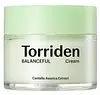
This calming moisturizer is formulated around Centella Asiatica Extract and Madecassoside to calm redness and strengthen the skin barrier.

What's inside
What's inside
 Key Ingredients
Benefits
Concerns
Ingredients Side-by-side
Water
Skin ConditioningCaprylic/Capric Triglyceride
Masking


C12-20 Acid PEG-8 Ester
Emulsifying

Butylene Glycol
Humectant
Cetyl Alcohol
Emollient
Phenoxyethanol
Preservative
Potassium Cetyl Phosphate
EmulsifyingTriethanolamine
BufferingCarbomer
Emulsion StabilisingDimethicone
Emollient

Propylene Glycol
Humectant
Ethylhexylglycerin
Skin ConditioningVitis Vinifera Seed Oil
Emollient

Rosa Canina Fruit Oil
Emollient
Glycerin
Humectant
Disodium EDTA
Pinus Sylvestris Leaf Oil
Masking
Sodium Hyaluronate
Humectant

Biosaccharide Gum-1
Humectant
PEG-8
HumectantGlycyrrhiza Glabra Root Extract
Bleaching


Chlorhexidine Digluconate
Antimicrobial
Tocopherol
Antioxidant

Fucus Vesiculosus Extract
Emollient
Enteromorpha Compressa Extract
Skin ProtectingPassiflora Incarnata Flower Extract
Skin ConditioningRibes Nigrum Leaf Extract
Perfuming
Vitis Vinifera Leaf Extract
Skin ConditioningCamellia Sinensis Leaf Extract
Antimicrobial

Ascorbyl Palmitate
Antioxidant
Ascorbic Acid
Antioxidant
Citric Acid
Buffering
Limonene
Perfuming

Linalool
Perfuming
Laminaria Digitata Extract
Skin Protecting
Rosa Rubiginosa Seed Oil
Emollient
Water, Caprylic/Capric Triglyceride, C12-20 Acid PEG-8 Ester, Butylene Glycol, Cetyl Alcohol, Phenoxyethanol, Potassium Cetyl Phosphate, Triethanolamine, Carbomer, Dimethicone, Propylene Glycol, Ethylhexylglycerin, Vitis Vinifera Seed Oil, Rosa Canina Fruit Oil, Glycerin, Disodium EDTA, Pinus Sylvestris Leaf Oil, Sodium Hyaluronate, Biosaccharide Gum-1, PEG-8, Glycyrrhiza Glabra Root Extract, Chlorhexidine Digluconate, Tocopherol, Fucus Vesiculosus Extract, Enteromorpha Compressa Extract, Passiflora Incarnata Flower Extract, Ribes Nigrum Leaf Extract, Vitis Vinifera Leaf Extract, Camellia Sinensis Leaf Extract, Ascorbyl Palmitate, Ascorbic Acid, Citric Acid, Limonene, Linalool, Laminaria Digitata Extract, Rosa Rubiginosa Seed Oil
Water
Skin ConditioningButylene Glycol
Humectant
Glycerin
Humectant
Heptyl Undecylenate
Emollient1,2-Hexanediol
Skin Conditioning
Centella Asiatica Extract
Cleansing
Madecassic Acid
Skin Conditioning
Asiaticoside
Antioxidant
Asiatic Acid
Skin Conditioning
Madecassoside
Antioxidant
Panthenol
Skin Conditioning
Allantoin
Skin Conditioning
Hydrolyzed Hyaluronic Acid
Humectant
Swertia Japonica Extract
Skin ConditioningNymphaea Caerulea Flower Extract
Skin ConditioningLactobacillus Ferment
Skin Conditioning
Althaea Rosea Flower Extract
Skin ConditioningCarthamus Tinctorius Flower Extract
Skin ConditioningBetaine
Humectant
Caprylic/Capric Triglyceride
Masking
Cetearyl Alcohol
Emollient

Propanediol
Solvent
C14-22 Alcohols
Emulsion Stabilising
Dipeptide-2
Skin Conditioning
Acrylates/C10-30 Alkyl Acrylate Crosspolymer
Emulsion StabilisingHydroxyethyl Acrylate/Sodium Acryloyldimethyl Taurate Copolymer
Emulsion StabilisingSodium Polyacrylate
Absorbent
Glyceryl Acrylate/Acrylic Acid Copolymer
HumectantPvm/Ma Copolymer
Emulsion StabilisingSorbitan Isostearate
Emulsifying
Polyglyceryl-3 Polyricinoleate
Emulsifying
Isopentyldiol
Humectant
Capryloyl Salicylic Acid
Exfoliating

C12-20 Alkyl Glucoside
EmulsifyingPolyglyceryl-4 Oleate
Emulsifying
Sodium Stearoyl Glutamate
CleansingSodium Surfactin
CleansingCaproic Acid
Cleansing
Xanthan Gum
EmulsifyingTromethamine
BufferingSodium Acetate
BufferingDisodium EDTA
Ethylhexylglycerin
Skin ConditioningGardenia Florida Fruit Extract
Skin ConditioningWater, Butylene Glycol, Glycerin, Heptyl Undecylenate, 1,2-Hexanediol, Centella Asiatica Extract, Madecassic Acid, Asiaticoside, Asiatic Acid, Madecassoside, Panthenol, Allantoin, Hydrolyzed Hyaluronic Acid, Swertia Japonica Extract, Nymphaea Caerulea Flower Extract, Lactobacillus Ferment, Althaea Rosea Flower Extract, Carthamus Tinctorius Flower Extract, Betaine, Caprylic/Capric Triglyceride, Cetearyl Alcohol, Propanediol, C14-22 Alcohols, Dipeptide-2, Acrylates/C10-30 Alkyl Acrylate Crosspolymer, Hydroxyethyl Acrylate/Sodium Acryloyldimethyl Taurate Copolymer, Sodium Polyacrylate, Glyceryl Acrylate/Acrylic Acid Copolymer, Pvm/Ma Copolymer, Sorbitan Isostearate, Polyglyceryl-3 Polyricinoleate, Isopentyldiol, Capryloyl Salicylic Acid, C12-20 Alkyl Glucoside, Polyglyceryl-4 Oleate, Sodium Stearoyl Glutamate, Sodium Surfactin, Caproic Acid, Xanthan Gum, Tromethamine, Sodium Acetate, Disodium EDTA, Ethylhexylglycerin, Gardenia Florida Fruit Extract
Reviews
Ingredients Explained
These ingredients are found in both products.
Ingredients higher up in an ingredient list are typically present in a larger amount.
Butylene Glycol (or BG) is used within cosmetic products for a few different reasons:
Overall, Butylene Glycol is a safe and well-rounded ingredient that works well with other ingredients.
Though this ingredient works well with most skin types, some people with sensitive skin may experience a reaction such as allergic rashes, closed comedones, or itchiness.
Learn more about Butylene GlycolCaprylic/Capric Triglyceride (aka MCT Oil) is a lightweight emollient, solvent, and texture enhancer. It is considered a skin-softener by helping to prevent moisture loss.
Though it behaves like an oil, it is not technically one due to its chemical composition. One perk of this ingredient is that it is very stable, resistant to oxidation, and unlikely to go rancid.
In practice, that translates to a long shelf life and a consistently elegant skin feel.
While there is an assumption Caprylic Triglyceride can clog pores due to it being derived from coconut oil, there is no research supporting this. Just patch test if you have concerns.
Fractionated coconut oil and MCT Oil are both listed as Caprylic/Capric Triglyceride according to INCI. This is because INCI names are based on the ingredient’s final chemical composition and not its marketing name or source.
This ingredient is treated as the gold standard fungal acne safe oil. Even though it is coconut derived, the problematic lauric acid is stripped out.
This leaves just caprylic (C8) and capric (C10) acid. These chain lengths actually trend antifungal; a 2020 study found caprylic acid was enough to disrupt Malassezia furfur cell membrane, with a caprylic acid derivative damaging membrane structures at concentrations as low as 0.2%.
Learn more about Caprylic/Capric TriglycerideDisodium EDTA is a chelating agent. It grabs onto and deactivates metal ions that sneak into your products from water, packaging, or air.
This ingredient mainly works behind the scenes and helps with:
On top of that, this ingredient can counteract the effects of hard water by binding to the minerals in it.
One thing worth knowing is that Disodium EDTA has been shown to be a mild penetration enhancer. It can help other ingredients absorb into skin more effectively which can be a double-edged sword (great for actives, but can also make the active too strong if you have sensitive skin).
Clinical patch testing showed no significant skin irritation at typical use concentrations and minimal dermal absorption.
You'll most likely see this ingredient near the end of an ingredient list. It's typically found in concentrations less than 1%.
Learn more about Disodium EDTAEthylhexylglycerin is created from glycerin. It is a multitasker ingredient that:
The CIR Expert Panel found minimal skin absorption or sensitization of any kind in a safety assessment. Though this ingredient is considered well-tolerated, a small number of cases of allergic dermatitis have been published since 2002. Just be sure to patch test if you are unsure.
Industry-reported use ranges from 8% in rinse-off products and 2% in leave-on formulations.
Learn more about EthylhexylglycerinGlycerin (or glycerol) is a compound naturally found in your skin. It's a powerhouse humectant that pulls water into the stratum corneum.
Topically, glycerin does several things at once:
Your skin makes glycerin on its own (mostly from sebaceous oil breakdown) and shuttles it to your outermost layer of skin, or your epidermis, via aquaporin-3.
Aquaporin-3 is a transporter that is essential for normal skin hydration, elasticity, and repair. Interestingly, mice lacking in AQP3 have dry and less elastic skin that can be fully corrected with glycerin.
This ingredient is non-irritating, plays well with almost every ingredient, and works across all skin types. Typical use is anywhere between 3-10% but can go up to 79% in some leave-on products.
Just know very high concentrations (>40%) can feel tacky in low humidity.
Glycerin is the name for this ingredient in American English. British English uses Glycerol/Glycerine.
Learn more about GlycerinWater. It's the most common cosmetic ingredient of all. You'll usually see it at the top of ingredient lists, meaning that it makes up the largest part of the product.
So why is it so popular? Water most often acts as a solvent - this means that it helps dissolve other ingredients into the formulation.
You'll also recognize water as that liquid we all need to stay alive. If you see this, drink a glass of water. Remember to stay hydrated!
Learn more about Water

