MizuMi Skincare UV Lip Glassy Balm SPF 50+ PA++++ Versus Paula's Choice Lipscreen Broad Spectrum SPF 50
This barrier-repair lip moisturizer is formulated around Ricinus Communis Seed Oil and Butyrospermum Parkii Butter to strengthen the lip barrier and hydrate lips.
This barrier-repair lip moisturizer is formulated around Bis-Diglyceryl Polyacyladipate-2 and Butyrospermum Parkii Butter to strengthen the lip barrier and hydrate lips.


What's inside
What's inside
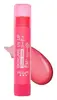 Key Ingredients
Benefits
Concerns
Ingredients Side-by-side
Ricinus Communis Seed Oil
Masking




Octyldodecanol
Emollient
Hydrogenated Polyisobutene
EmollientBis-Diglyceryl Polyacyladipate-2
Emollient
Cera Alba
Emollient


Caprylic/Capric Triglyceride
Masking

Butyrospermum Parkii Butter
Skin Conditioning
Polybutene
Simmondsia Chinensis Seed Oil
Emollient
Butyl Methoxydibenzoylmethane
UV Absorber
Ethylhexyl Methoxycinnamate
UV Absorber

Cera Microcristallina
Emulsion StabilisingSynthetic Wax
Abrasive
Bis-Ethylhexyloxyphenol Methoxyphenyl Triazine
UV Absorber
Diisostearyl Malate
EmollientSchinus Terebinthifolia Seed Extract
AstringentEthylhexyl Palmitate
Emollient
Aroma

Ascorbyl Dipalmitate
Antioxidant



BHT
Antioxidant
Tocopheryl Acetate
Antioxidant
Phenoxyethanol
Preservative
Tribehenin
Emollient
Aluminum Hydroxide
EmollientSorbitan Isostearate
Emulsifying
Water
Skin ConditioningGlycerin
Humectant
Trihydroxystearin
Skin Conditioning
Vaccinium Vitis-Idaea Fruit Extract
Antioxidant
Alumina
Abrasive
Propylene Glycol
Humectant
Stearic Acid
Cleansing
Malpighia Punicifolia Fruit Extract
Antioxidant
Palmitoyl Tripeptide-1
Skin Conditioning


Sodium Hyaluronate
Humectant

Propanediol
Solvent
Citric Acid
Buffering
Xanthan Gum
EmulsifyingGluconolactone
Chelating



1,2-Hexanediol
Skin Conditioning
Panax Ginseng Root Extract
Emollient
Sodium Benzoate
Masking
Calcium Gluconate
HumectantCI 77491
Cosmetic ColorantCI 77120
Cosmetic ColorantCI 15850
Cosmetic ColorantCI 77891
Cosmetic ColorantCI 19140
Cosmetic ColorantRicinus Communis Seed Oil, Octyldodecanol, Hydrogenated Polyisobutene, Bis-Diglyceryl Polyacyladipate-2, Cera Alba, Caprylic/Capric Triglyceride, Butyrospermum Parkii Butter, Polybutene, Simmondsia Chinensis Seed Oil, Butyl Methoxydibenzoylmethane, Ethylhexyl Methoxycinnamate, Cera Microcristallina, Synthetic Wax, Bis-Ethylhexyloxyphenol Methoxyphenyl Triazine, Diisostearyl Malate, Schinus Terebinthifolia Seed Extract, Ethylhexyl Palmitate, Aroma, Ascorbyl Dipalmitate, BHT, Tocopheryl Acetate, Phenoxyethanol, Tribehenin, Aluminum Hydroxide, Sorbitan Isostearate, Water, Glycerin, Trihydroxystearin, Vaccinium Vitis-Idaea Fruit Extract, Alumina, Propylene Glycol, Stearic Acid, Malpighia Punicifolia Fruit Extract, Palmitoyl Tripeptide-1, Sodium Hyaluronate, Propanediol, Citric Acid, Xanthan Gum, Gluconolactone, 1,2-Hexanediol, Panax Ginseng Root Extract, Sodium Benzoate, Calcium Gluconate, CI 77491, CI 77120, CI 15850, CI 77891, CI 19140
Butyl Methoxydibenzoylmethane
UV Absorber
Homosalate 3%
Skin Conditioning
Ethylhexyl Salicylate 5%
UV Absorber
Octocrylene 5%
UV Absorber
Hydrogenated Soybean Oil
Emollient
Bis-Diglyceryl Polyacyladipate-2
Emollient
Hydrogenated Olive Oil
Skin Conditioning
Polyglyceryl-3 Diisostearate
Emulsifying
Beeswax
Emulsion Stabilising
Ozokerite
Emulsion StabilisingHydrogenated Jojoba Oil
Abrasive
Polyethylene
Abrasive
Hydrogenated Polycyclopentadiene
Microcrystalline Wax
Emulsion StabilisingTheobroma Cacao Seed Butter
Emollient
Silica
Abrasive
Tocopheryl Acetate
Antioxidant
Butyrospermum Parkii Butter
Skin Conditioning
Olea Europaea Fruit Oil
Masking
Phytosterols
Skin Conditioning
Tocopherol
Antioxidant
Hydrogenated Vegetable Oil
Emollient
Copernicia Cerifera Wax
Water
Skin ConditioningPhenoxyethanol
Preservative
Butyl Methoxydibenzoylmethane, Homosalate 3%, Ethylhexyl Salicylate 5%, Octocrylene 5%, Hydrogenated Soybean Oil, Bis-Diglyceryl Polyacyladipate-2, Hydrogenated Olive Oil, Polyglyceryl-3 Diisostearate, Beeswax, Ozokerite, Hydrogenated Jojoba Oil, Polyethylene, Hydrogenated Polycyclopentadiene, Microcrystalline Wax, Theobroma Cacao Seed Butter, Silica, Tocopheryl Acetate, Butyrospermum Parkii Butter, Olea Europaea Fruit Oil, Phytosterols, Tocopherol, Hydrogenated Vegetable Oil, Copernicia Cerifera Wax, Water, Phenoxyethanol
Ingredients Explained
These ingredients are found in both products.
Ingredients higher up in an ingredient list are typically present in a larger amount.
Bis-Diglyceryl Polyacyladipate-2 is a synthetic emollient that works as a lanolin substitute.
This ingredient is a great vegan option for those avoiding animal-derived ingredients.
It mostly stays on the surface of skin where it helps hydrate due to its large molecular size and low water solubility.
Due to it being derived from fatty acids, this ingredient may not be Malassezia or fungal acne safe.
Learn more about Bis-Diglyceryl Polyacyladipate-2Also known as Avobenzone, this ingredient is an oil-soluble used to absorb the full spectrum of UVA rays (peak 357 nm).
It's one of the most effective UVA filters available but has a major caveat of photostability: avobenzone is susceptible to photodegradation.
This means it can lose efficacy when exposed to sunlight without the help of a stabilizing agent.
Studies show antioxidants (like vitamin E or vitamin C) and some UV filters (like octocrylene and Tinosorb S) can meaningfully improve its stability in a formulation.
The maximum allowable concentration according to regulation is 3% in the US + Canada, and 5% in the EU, Australia, China, Korea, and ASEAN countries.
It has a well-support safety profile: a comprehensive 2025 review found minimal toxicity with no evidence of carcinogenicity.
Overall, avobenzone is a safe and regulated ingredient used in sunscreen for over 40 years.
Learn more about Butyl MethoxydibenzoylmethaneThis ingredient is also known as shea butter. It is a plant-derived extract from the nuts of the Africa shea tree and one of the most well-studied emollients.
Because it has a high concentration of fatty acids (primarily oleic, stearic, and linoleic) it is able to form a protective barrier on the skin's surface. This helps seal in moisture and prevents transepidermal water loss (TEWL).
In vitro research found an increase in skin hydration by 58% and a decrease in TEWL by 37.8% after 24 hours of applying this ingredient (pretty impressive for a single ingredient!).
Besides hydration, shea butter also contains triterpenes that have anti-inflammatory potential. In particule, lupeol cinnamate has shown the highest anti-inflammatory activity in vivo.
Shea butter also contains vitamins A and E which may contribute to antioxidant activity.
While Shea Butter has an SPF rating of about 3-4, it is not a sunscreen replacement.
This ingredient may not be fungal acne safe because its fatty acids fall within the C11-C24 range that the Malassezia yeast can metabolize.
This ingredient shows up on a lot of "pore-clogging" lists but there's no real evidence behind that. It doesn't even have a comedogenic rating from an actual study; the numbers you'll find online come from blogs citing other blogs.
Ratings for other ingredients mostly come from a 1980s rabbit ear test. This test doesn't translate well to human skin or to real products because the ingredient sits at a much lower percentage.
Some people still find it breaks them out. So if that's you, definitely trust your skin. Just know this one's based on experience and not evidence.
Learn more about Butyrospermum Parkii ButterPhenoxyethanol is one of the most widely used preservatives in skincare (and for good reason!).
It has a large spectrum of antimicrobial activity and especially effective bacteria, yeast, and mold while only having a weak effect on your skin's natural microbiome.
On a cellular level, it disrupts the cell membranes of microbes by poking holes that make the cell leak. This shuts down the chemical reactions the microbe needs to make energy so it can no longer survive.
Another perk of this ingredient is that it stays functional across a wide pH range (3-10).
You'll often see it paired with boosters like Ethylhexylglycerin; one study showed that a 1:9 ratio of Ethylhexylglycerin to Phenoxyethanol damages bacterial membranes as effectively as doubling the Phenoxyethanol concentration on its own.
Typical use concentrations range from 0.3-1% depending on the formula, and this ingredient is capped at 1% int the EU.
Safety-wise, the fear mongering does not hold up to the evidence. The EU's Scientific Committee on Consumer Safety and FDA consider it safe as a preservative at up to 1%, including for children of all ages.
Adverse systemic effects only showed up in animal studies at exposures roughly 200x higher than what people get from cosmetics. And despite its very widespread use, this ingredient is a rare sensitizer and allergic reactions are uncommon.
Learn more about PhenoxyethanolTocopheryl Acetate is a stable, shelf-friendly form of vitamin E.
Formulators love it because plain vitamin E oxidizes quickly once it hits air. This acetate version stays stable and resists going off, helping to extend a product's shelf life.
It's actually inactive on its own and works like a slow-release "storage" form; the enzymes in your skin called esterases gradually convert it into active vitamin E over time.
One in vivo study showed 5% of the acetate in the living layer of the epidermis converted to vitamin E after 5 days of application. This study also found the skin gained protection against UV damage even though the conversion was slow and small.
Once converted, vitamin E acts as a skin's main fat-soluble antioxidant that fights free radicals to protect skin from damage.
Topical vitamin E generally boosts the skin's photoprotection, and it reduced UV-damage in animal models.
This ingredient has some brightening potential but it's more of a prevention ingredient than spot-fader. Cell studies show it can slow down melanin production but it's worth noting that it's not the most powerful brightener out there.
Overall, it has a pretty solid safety profile and has been found to be non-irritating and non-comedogenic. Allergic reactions may happen but stay rare due to how widely the ingredient gets used.
The concentration will vary depending on the formula; industry data shows 0.1% in baby lotions, 3% in lipsticks, and 5% in foot powders. You can also find this ingredient at 100% in a pure vitamin E oil.
Most leave-on skincare keeps it at the lower end, often between 0.5-1%.
Learn more about Tocopheryl AcetateWater. It's the most common cosmetic ingredient of all. You'll usually see it at the top of ingredient lists, meaning that it makes up the largest part of the product.
So why is it so popular? Water most often acts as a solvent - this means that it helps dissolve other ingredients into the formulation.
You'll also recognize water as that liquid we all need to stay alive. If you see this, drink a glass of water. Remember to stay hydrated!
Learn more about Water

