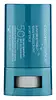
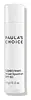
Colorescience Sunforgettable Total Protection Sport Stick SPF 50 Versus Paula's Choice Lipscreen Broad Spectrum SPF 50
This hybrid sunscreen covers the full UV range and blocks ~98% of UVB at SPF 50.
This barrier-repair lip moisturizer is formulated around Bis-Diglyceryl Polyacyladipate-2 and Butyrospermum Parkii Butter to strengthen the lip barrier and hydrate lips.

What's inside
What's inside
 Key Ingredients
Benefits
Concerns
Ingredients Side-by-side
Zinc Oxide 13.5%
Cosmetic Colorant


Squalane
Emollient


Jojoba Esters
Emollient

Euphorbia Cerifera Wax
Nylon-12
C12-15 Alkyl Benzoate
AntimicrobialButyloctyl Salicylate
Skin Conditioning
Glyceryl Dibehenate
Emollient
Polymethylsilsesquioxane

Hydrogenated Coco-Glycerides
Emollient
Poly C10-30 Alkyl Acrylate
Emulsion StabilisingDimethiconol/Propylsilsesquioxane/Silicate Crosspolymer
Methylpropanediol
SolventTridecyl Salicylate
Skin Conditioning
Tribehenin
Emollient
C26-28 Alkyl Dimethicone
Skin Conditioning
Synthetic Wax
Abrasive

Glyceryl Behenate
Emollient
Triceteareth-4 Phosphate
EmulsifyingCaprylyl Glycol
Emollient
Physalis Angulata Extract
Skin ProtectingCaprylic/Capric Triglyceride
Masking
Bisabolol
Antioxidant



Phenylpropanol
Masking

Dimethylmethoxy Chromanol
Antioxidant
Tocopheryl Acetate
Antioxidant

Tocopherol
Antioxidant
Dimethicone
Emollient
Iron Oxides
CI 77492
Cosmetic ColorantZinc Oxide 13.5%, Squalane, Jojoba Esters, Euphorbia Cerifera Wax, Nylon-12, C12-15 Alkyl Benzoate, Butyloctyl Salicylate, Glyceryl Dibehenate, Polymethylsilsesquioxane, Hydrogenated Coco-Glycerides, Poly C10-30 Alkyl Acrylate, Dimethiconol/Propylsilsesquioxane/Silicate Crosspolymer, Methylpropanediol, Tridecyl Salicylate, Tribehenin, C26-28 Alkyl Dimethicone, Synthetic Wax, Glyceryl Behenate, Triceteareth-4 Phosphate, Caprylyl Glycol, Physalis Angulata Extract, Caprylic/Capric Triglyceride, Bisabolol, Phenylpropanol, Dimethylmethoxy Chromanol, Tocopheryl Acetate, Tocopherol, Dimethicone, Iron Oxides, CI 77492
Butyl Methoxydibenzoylmethane
UV Absorber
Homosalate 3%
Skin Conditioning
Ethylhexyl Salicylate 5%
UV Absorber
Octocrylene 5%
UV Absorber

Hydrogenated Soybean Oil
Emollient

Bis-Diglyceryl Polyacyladipate-2
Emollient
Hydrogenated Olive Oil
Skin Conditioning
Polyglyceryl-3 Diisostearate
Emulsifying
Beeswax
Emulsion Stabilising
Ozokerite
Emulsion StabilisingHydrogenated Jojoba Oil
Abrasive
Polyethylene
Abrasive
Hydrogenated Polycyclopentadiene
Microcrystalline Wax
Emulsion StabilisingTheobroma Cacao Seed Butter
Emollient
Silica
Abrasive
Tocopheryl Acetate
Antioxidant
Butyrospermum Parkii Butter
Skin Conditioning
Olea Europaea Fruit Oil
Masking
Phytosterols
Skin Conditioning
Tocopherol
Antioxidant
Hydrogenated Vegetable Oil
Emollient
Copernicia Cerifera Wax
Water
Skin ConditioningPhenoxyethanol
Preservative
Butyl Methoxydibenzoylmethane, Homosalate 3%, Ethylhexyl Salicylate 5%, Octocrylene 5%, Hydrogenated Soybean Oil, Bis-Diglyceryl Polyacyladipate-2, Hydrogenated Olive Oil, Polyglyceryl-3 Diisostearate, Beeswax, Ozokerite, Hydrogenated Jojoba Oil, Polyethylene, Hydrogenated Polycyclopentadiene, Microcrystalline Wax, Theobroma Cacao Seed Butter, Silica, Tocopheryl Acetate, Butyrospermum Parkii Butter, Olea Europaea Fruit Oil, Phytosterols, Tocopherol, Hydrogenated Vegetable Oil, Copernicia Cerifera Wax, Water, Phenoxyethanol
Ingredients Explained
These ingredients are found in both products.
Ingredients higher up in an ingredient list are typically present in a larger amount.
Tocopherol is a fat-soluble antioxidant known as Vitamin E.
You'll find this ingredient in the vast majority of skincare (for good reason). It works to neutralize free radicals, or unstable molecules generated by UV exposure, pollution, and other environmental stressors, before they can cause oxidative damage to your skin cells.
Topically applied tocopherol has been shown to protect against UV damage by ramping up the skin's own natural defense enzymes.
It also acts as a skin conditioning agent; some studies show that regular topical use can improve the skin's water-binding capacity over 2-4 weeks.
This ingredient is especially loved for being a team player. When combined with Vitamin C, the photoprotective effect of both ingredients roughly doubles and the combo also helps reduce UV-induced DNA damage.
This ingredient has some brightening potential but it's more of a prevention ingredient than spot-fader. Cell studies show it can slow down melanin production but it's worth noting that it's not the most powerful brightener out there.
In formulations, it also serves as a stabilizer that helps protect other oxidation-prone ingredients from degrading.
Concentrations usually range from 0.1-1% in most leave-on products.
Learn more about TocopherolTocopheryl Acetate is a stable, shelf-friendly form of vitamin E.
Formulators love it because plain vitamin E oxidizes quickly once it hits air. This acetate version stays stable and resists going off, helping to extend a product's shelf life.
It's actually inactive on its own and works like a slow-release "storage" form; the enzymes in your skin called esterases gradually convert it into active vitamin E over time.
One in vivo study showed 5% of the acetate in the living layer of the epidermis converted to vitamin E after 5 days of application. This study also found the skin gained protection against UV damage even though the conversion was slow and small.
Once converted, vitamin E acts as a skin's main fat-soluble antioxidant that fights free radicals to protect skin from damage.
Topical vitamin E generally boosts the skin's photoprotection, and it reduced UV-damage in animal models.
This ingredient has some brightening potential but it's more of a prevention ingredient than spot-fader. Cell studies show it can slow down melanin production but it's worth noting that it's not the most powerful brightener out there.
Overall, it has a pretty solid safety profile and has been found to be non-irritating and non-comedogenic. Allergic reactions may happen but stay rare due to how widely the ingredient gets used.
The concentration will vary depending on the formula; industry data shows 0.1% in baby lotions, 3% in lipsticks, and 5% in foot powders. You can also find this ingredient at 100% in a pure vitamin E oil.
Most leave-on skincare keeps it at the lower end, often between 0.5-1%.
Learn more about Tocopheryl Acetate

