This hybrid sunscreen covers the full UV range and blocks ~98% of UVB at SPF 50.
This chemical sunscreen covers the full UV range and blocks ~98% of UVB at SPF 50.


What's inside
What's inside
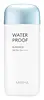 Key Ingredients
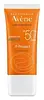
Benefits
Concerns
Ingredients Side-by-side
Hydrolyzed Chestnut Extract
Skin ProtectingCyclopentasiloxane
Emollient
Homosalate
Skin Conditioning

Silica
Abrasive


Ethylhexyl Salicylate
UV Absorber
Titanium Dioxide
Cosmetic Colorant
Lauryl PEG-10 Tris(Trimethylsiloxy)Silylethyl Dimethicone
Emulsifying
Diethylamino Hydroxybenzoyl Hexyl Benzoate
UV Filter
Hexyl Benzoate
Perfuming

Glycerin
Humectant


C12-15 Alkyl Benzoate
AntimicrobialAlcohol Denat.
Antimicrobial




Bis-Ethylhexyloxyphenol Methoxyphenyl Triazine
UV Absorber
Isopropyl Palmitate
Emollient


Aloe Barbadensis Leaf Extract
Emollient

Psidium Guajava Leaf Extract
AstringentVerbena Officinalis Leaf Extract
MaskingCinnamomum Zeylanicum Bark Extract
Antimicrobial
Ulmus Davidiana Root Extract
Skin Conditioning
Eucalyptus Globulus Leaf Extract
Perfuming
Water
Skin ConditioningButylene Glycol
Humectant
Dimethicone
Emollient
Magnesium Sulfate
Aluminum Hydroxide
EmollientStearic Acid
Cleansing
Quaternium-18 Bentonite
PEG-10 Dimethicone
Skin Conditioning
Dimethicone/Vinyl Dimethicone Crosspolymer
Skin Conditioning
Triethoxycaprylylsilane
Acrylates/Dimethicone Copolymer
Skin Conditioning
Silica Dimethyl Silylate
EmollientSodium Benzoate
Masking
Tocopheryl Acetate
Antioxidant

Potassium Sorbate
Preservative
Homopolymer
Disodium EDTA
Phenoxyethanol
Preservative
Linalool
Perfuming
Benzyl Salicylate
Perfuming
Limonene
Perfuming
Geraniol
Perfuming
Hexyl Cinnamal
Perfuming
Hydrolyzed Chestnut Extract, Cyclopentasiloxane, Homosalate, Silica, Ethylhexyl Salicylate, Titanium Dioxide, Lauryl PEG-10 Tris(Trimethylsiloxy)Silylethyl Dimethicone, Diethylamino Hydroxybenzoyl Hexyl Benzoate, Hexyl Benzoate, Glycerin, C12-15 Alkyl Benzoate, Alcohol Denat., Bis-Ethylhexyloxyphenol Methoxyphenyl Triazine, Isopropyl Palmitate, Aloe Barbadensis Leaf Extract, Psidium Guajava Leaf Extract, Verbena Officinalis Leaf Extract, Cinnamomum Zeylanicum Bark Extract, Ulmus Davidiana Root Extract, Eucalyptus Globulus Leaf Extract, Water, Butylene Glycol, Dimethicone, Magnesium Sulfate, Aluminum Hydroxide, Stearic Acid, Quaternium-18 Bentonite, PEG-10 Dimethicone, Dimethicone/Vinyl Dimethicone Crosspolymer, Triethoxycaprylylsilane, Acrylates/Dimethicone Copolymer, Silica Dimethyl Silylate, Sodium Benzoate, Tocopheryl Acetate, Potassium Sorbate, Homopolymer, Disodium EDTA, Phenoxyethanol, Linalool, Benzyl Salicylate, Limonene, Geraniol, Hexyl Cinnamal
Water
Skin ConditioningC12-15 Alkyl Benzoate
AntimicrobialDicaprylyl Carbonate
EmollientMethylene Bis-Benzotriazolyl Tetramethylbutylphenol
UV Filter
Silica
Abrasive
Bis-Ethylhexyloxyphenol Methoxyphenyl Triazine
UV Absorber
Diethylhexyl Butamido Triazone
UV Absorber
Aluminum Starch Octenylsuccinate
Absorbent
Diisopropyl Adipate
EmollientButyl Methoxydibenzoylmethane
UV Absorber
CI 77891
Cosmetic ColorantDecyl Glucoside
Cleansing
Glyceryl Stearate
Emollient
PEG-100 Stearate
Surfactant
Potassium Cetyl Phosphate
EmulsifyingVp/Eicosene Copolymer
Acrylates/Ammonium Methacrylate Copolymer
Acrylates/C10-30 Alkyl Acrylate Crosspolymer
Emulsion StabilisingAlumina
Abrasive
Benzoic Acid
Masking
Butylene Glycol
Humectant
Caprylic/Capric Triglyceride
Masking
Caprylyl Glycol
Emollient
Disodium EDTA
Parfum
Masking
Glyceryl Behenate
Emollient
Glyceryl Dibehenate
Emollient
CI 77492
Cosmetic ColorantIsopropyl Myristate
Emollient
Oxothiazolidine
Skin ProtectingPropylene Glycol
Humectant
Sodium Benzoate
Masking
Sodium Hydroxide
BufferingStearyl Alcohol
Emollient
Tocopherol
Antioxidant

Tocopheryl Glucoside
EmollientTribehenin
Emollient
Triethyl Citrate
Masking
Xanthan Gum
EmulsifyingWater, C12-15 Alkyl Benzoate, Dicaprylyl Carbonate, Methylene Bis-Benzotriazolyl Tetramethylbutylphenol, Silica, Bis-Ethylhexyloxyphenol Methoxyphenyl Triazine, Diethylhexyl Butamido Triazone, Aluminum Starch Octenylsuccinate, Diisopropyl Adipate, Butyl Methoxydibenzoylmethane, CI 77891, Decyl Glucoside, Glyceryl Stearate, PEG-100 Stearate, Potassium Cetyl Phosphate, Vp/Eicosene Copolymer, Acrylates/Ammonium Methacrylate Copolymer, Acrylates/C10-30 Alkyl Acrylate Crosspolymer, Alumina, Benzoic Acid, Butylene Glycol, Caprylic/Capric Triglyceride, Caprylyl Glycol, Disodium EDTA, Parfum, Glyceryl Behenate, Glyceryl Dibehenate, CI 77492, Isopropyl Myristate, Oxothiazolidine, Propylene Glycol, Sodium Benzoate, Sodium Hydroxide, Stearyl Alcohol, Tocopherol, Tocopheryl Glucoside, Tribehenin, Triethyl Citrate, Xanthan Gum
Reviews
Ingredients Explained
These ingredients are found in both products.
Ingredients higher up in an ingredient list are typically present in a larger amount.
This ingredient is better known as bemotrizinol or Tinosorb S and is one of the best broad-spectrum UV filters in modern sunscreen.
It works by absorbing UV light across a whole range (280-400 nm) with peaks around 310 nm (UVB) and 340-345 nm (UVA). This means it covers UVB plus the deeper UVA wavelengths that drive photoaging and pigmentation.
Another pro?
It's exceptionally photostable, barely degrades in sunlight, and acts as a "bodyguard" for less stable filters.
That's why you'll see it paired with avobenzone or octinoxate; this team up ensures they keep working through sun exposure.
Safety reviews have been reassuring across the board. This ingredient shows low absorption through the skin, rarely irritates, and lab studies found it doesn't act like a hormone in the body (a concern that's been raised about some older sunscreen filters).
On maximum concentrations:
In 2026, the US F.D.A finally added it as an OTC sunscreen ingredient at concentrations up to 6% for adults / children 6 months and older
Learn more about Bis-Ethylhexyloxyphenol Methoxyphenyl TriazineButylene Glycol (or BG) is used within cosmetic products for a few different reasons:
Overall, Butylene Glycol is a safe and well-rounded ingredient that works well with other ingredients.
Though this ingredient works well with most skin types, some people with sensitive skin may experience a reaction such as allergic rashes, closed comedones, or itchiness.
Learn more about Butylene GlycolC12-15 Alkyl Benzoate is a lightweight emollient made by combinig benzoic acid with fatty alcohols that are 12-15 carbons long.
In cosmetics, it plays several roles:
The Cosmetic Review Expert Panel has concluded the alkyl benzoate group to be safe as used in cosmetics; it wasn't found to be a skin irritant and unlikely to be absorbed due to its low water solubility.
This report recorded almost 1000 reported uses with concentrations up to 59% in leave-on products but your cosmetics will typically use 0.5-15% depending on the product.
It's often called a "SPF booster": this is because it keeps UV filters properly dissolved and evenly distributed to support a sunscreen's performance. It doesn't actually raise SPF on its own.
Overall, this ingredient is well tolerated.
This ingredient is fungal acne safe because it is an ester of benzoic acid.
Think of this ingredient as two parts stuck together: an oily part and an acid part. Malassezia only gets a meal when it can snip off a fatty acid to eat. With C12-15 Alkyl Benzoate, the acid part is benzoic acid, which isn't a fatty acid and which the yeast can't use as food.
Benzoic acid is actually used as a preservative to stop yeast from growing.
The oily part is a blend of C12-15 fatty alcohols but fatty alcohols in this size range can support only a little Malassezia growth (mostly for one species of Malassezia as well).
In the ingredient, those alcohols stay locked inside the molecule. The yeast can only reach them by snipping the benzoate bond, and that type of bond is harder for it to cut than a normal fatty bond.
So not much gets released. And whatever does get snipped comes packaged with benzoic acid, which discourages yeast growth.
Learn more about C12-15 Alkyl BenzoateDisodium EDTA is a chelating agent. It grabs onto and deactivates metal ions that sneak into your products from water, packaging, or air.
This ingredient mainly works behind the scenes and helps with:
On top of that, this ingredient can counteract the effects of hard water by binding to the minerals in it.
One thing worth knowing is that Disodium EDTA has been shown to be a mild penetration enhancer. It can help other ingredients absorb into skin more effectively which can be a double-edged sword (great for actives, but can also make the active too strong if you have sensitive skin).
Clinical patch testing showed no significant skin irritation at typical use concentrations and minimal dermal absorption.
You'll most likely see this ingredient near the end of an ingredient list. It's typically found in concentrations less than 1%.
Learn more about Disodium EDTASilica, also known as silicon dioxide, is a naturally occurring mineral. It is used as a fine, spherical, and porous powder in cosmetics.
Though it has exfoliant properties, the function of silica varies depending on the product.
The unique structure of silica enhances the spreadability and adds smoothness, making it a great texture enhancer.
It is also used as an active carrier, emulsifier, and mattifier due to its ability to absorb excess oil.
In some products, tiny microneedles called spicules are made from silica or hydrolyzed sponge. When you rub them in, they lightly polish away dead skin layers and enhance the penetration of active ingredients.
Learn more about SilicaSodium Benzoate is a preservative. It's used in both cosmetic and food products to inhibit the growth of mold and bacteria. It is typically produced synthetically.
Both the US FDA and EU Health Committee have approved the use of sodium benzoate. In the US, levels of 0.1% (of the total product) are allowed.
Sodium benzoate works as a preservative by inhibiting the growth of bacteria inside of cells. It prevents the cell from fermenting a type of sugar using an enzyme called phosphofructokinase.
It is the salt of benzoic acid. Foods containing sodium benzoate include soda, salad dressings, condiments, fruit juices, wines, and snack foods.
Studies for using ascorbic acid and sodium benzoate in cosmetics are lacking, especially in skincare routines with multiple steps.
We always recommend speaking with a professional, such as a dermatologist, if you have any concerns.
Learn more about Sodium BenzoateWater. It's the most common cosmetic ingredient of all. You'll usually see it at the top of ingredient lists, meaning that it makes up the largest part of the product.
So why is it so popular? Water most often acts as a solvent - this means that it helps dissolve other ingredients into the formulation.
You'll also recognize water as that liquid we all need to stay alive. If you see this, drink a glass of water. Remember to stay hydrated!
Learn more about Water

