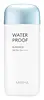
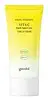
Missha All-Around Safe Block Waterproof Sun Milk SPF 50+ Versus Goodal Green Tangerine Vita C Dark Spot Tone Up Sun Cream SPF 50+ PA++++
This hybrid sunscreen covers the full UV range and blocks ~98% of UVB at SPF 50.
This hybrid sunscreen covers the full UV range and blocks ~98% of UVB at SPF 50.

What's inside
What's inside
 Key Ingredients
Benefits
Concerns
Ingredients Side-by-side
Hydrolyzed Chestnut Extract
Skin ProtectingCyclopentasiloxane
Emollient
Homosalate
Skin Conditioning

Silica
Abrasive


Ethylhexyl Salicylate
UV Absorber
Titanium Dioxide
Cosmetic Colorant
Lauryl PEG-10 Tris(Trimethylsiloxy)Silylethyl Dimethicone
Emulsifying
Diethylamino Hydroxybenzoyl Hexyl Benzoate
UV Filter
Hexyl Benzoate
Perfuming

Glycerin
Humectant


C12-15 Alkyl Benzoate
AntimicrobialAlcohol Denat.
Antimicrobial




Bis-Ethylhexyloxyphenol Methoxyphenyl Triazine
UV Absorber
Isopropyl Palmitate
Emollient


Aloe Barbadensis Leaf Extract
Emollient

Psidium Guajava Leaf Extract
AstringentVerbena Officinalis Leaf Extract
MaskingCinnamomum Zeylanicum Bark Extract
Antimicrobial
Ulmus Davidiana Root Extract
Skin Conditioning
Eucalyptus Globulus Leaf Extract
Perfuming
Water
Skin ConditioningButylene Glycol
Humectant
Dimethicone
Emollient
Magnesium Sulfate
Aluminum Hydroxide
EmollientStearic Acid
Cleansing
Quaternium-18 Bentonite
PEG-10 Dimethicone
Skin Conditioning
Dimethicone/Vinyl Dimethicone Crosspolymer
Skin Conditioning
Triethoxycaprylylsilane
Acrylates/Dimethicone Copolymer
Skin Conditioning
Silica Dimethyl Silylate
EmollientSodium Benzoate
Masking
Tocopheryl Acetate
Antioxidant

Potassium Sorbate
Preservative
Homopolymer
Disodium EDTA
Phenoxyethanol
Preservative
Linalool
Perfuming
Benzyl Salicylate
Perfuming
Limonene
Perfuming
Geraniol
Perfuming
Hexyl Cinnamal
Perfuming
Hydrolyzed Chestnut Extract, Cyclopentasiloxane, Homosalate, Silica, Ethylhexyl Salicylate, Titanium Dioxide, Lauryl PEG-10 Tris(Trimethylsiloxy)Silylethyl Dimethicone, Diethylamino Hydroxybenzoyl Hexyl Benzoate, Hexyl Benzoate, Glycerin, C12-15 Alkyl Benzoate, Alcohol Denat., Bis-Ethylhexyloxyphenol Methoxyphenyl Triazine, Isopropyl Palmitate, Aloe Barbadensis Leaf Extract, Psidium Guajava Leaf Extract, Verbena Officinalis Leaf Extract, Cinnamomum Zeylanicum Bark Extract, Ulmus Davidiana Root Extract, Eucalyptus Globulus Leaf Extract, Water, Butylene Glycol, Dimethicone, Magnesium Sulfate, Aluminum Hydroxide, Stearic Acid, Quaternium-18 Bentonite, PEG-10 Dimethicone, Dimethicone/Vinyl Dimethicone Crosspolymer, Triethoxycaprylylsilane, Acrylates/Dimethicone Copolymer, Silica Dimethyl Silylate, Sodium Benzoate, Tocopheryl Acetate, Potassium Sorbate, Homopolymer, Disodium EDTA, Phenoxyethanol, Linalool, Benzyl Salicylate, Limonene, Geraniol, Hexyl Cinnamal
Water
Skin ConditioningCyclopentasiloxane
Emollient
Zinc Oxide
Cosmetic Colorant
Ethylhexyl Methoxycinnamate
UV Absorber
CI 77891
Cosmetic ColorantCyclohexasiloxane
Emollient
Ethylhexyl Salicylate
UV Absorber
Octocrylene
UV Absorber
Butylene Glycol
Humectant
Diphenylsiloxy Phenyl Trimethicone
Skin Conditioning
Dipropylene Glycol
HumectantNiacinamide
Smoothing




Phenyl Trimethicone
Skin Conditioning
Polyglyceryl-3 Polydimethylsiloxyethyl Dimethicone
Skin Conditioning
Arbutin
Antioxidant
Sorbitan Isostearate
Emulsifying
Acrylates Copolymer
Citrus Aurantium Bergamia Fruit Oil
Masking

Citrus Aurantium Dulcis Peel Oil
Masking
Citrus Tangerina Extract
TonicPolymethyl Methacrylate
Polymethylsilsesquioxane
Disteardimonium Hectorite
StabilisingVinyl Dimethicone/Methicone Silsesquioxane Crosspolymer
Dimethicone/Vinyl Dimethicone Crosspolymer
Skin Conditioning
Aluminum Hydroxide
EmollientMagnesium Sulfate
Stearic Acid
Cleansing
Cetearyl Dimethicone/Vinyl Dimethicone Crosspolymer
Emollient
Dimethicone
Emollient
Caprylyl Glycol
Emollient
Hydroxyacetophenone
Antioxidant
Adenosine
Skin Conditioning
Sodium Ascorbyl Phosphate
Antioxidant
1,2-Hexanediol
Skin Conditioning
Ethylhexylglycerin
Skin ConditioningDisodium EDTA
Limonene
Perfuming
Linalool
Perfuming
Water, Cyclopentasiloxane, Zinc Oxide, Ethylhexyl Methoxycinnamate, CI 77891, Cyclohexasiloxane, Ethylhexyl Salicylate, Octocrylene, Butylene Glycol, Diphenylsiloxy Phenyl Trimethicone, Dipropylene Glycol, Niacinamide, Phenyl Trimethicone, Polyglyceryl-3 Polydimethylsiloxyethyl Dimethicone, Arbutin, Sorbitan Isostearate, Acrylates Copolymer, Citrus Aurantium Bergamia Fruit Oil, Citrus Aurantium Dulcis Peel Oil, Citrus Tangerina Extract, Polymethyl Methacrylate, Polymethylsilsesquioxane, Disteardimonium Hectorite, Vinyl Dimethicone/Methicone Silsesquioxane Crosspolymer, Dimethicone/Vinyl Dimethicone Crosspolymer, Aluminum Hydroxide, Magnesium Sulfate, Stearic Acid, Cetearyl Dimethicone/Vinyl Dimethicone Crosspolymer, Dimethicone, Caprylyl Glycol, Hydroxyacetophenone, Adenosine, Sodium Ascorbyl Phosphate, 1,2-Hexanediol, Ethylhexylglycerin, Disodium EDTA, Limonene, Linalool
Reviews
Ingredients Explained
These ingredients are found in both products.
Ingredients higher up in an ingredient list are typically present in a larger amount.
Aluminum Hydroxide is a form of aluminum. It can be naturally found in nature as the mineral gibbsite. In cosmetics, Aluminum Hydroxide is used as a colorant, pH adjuster, and absorbent.
As a colorant, Aluminum Hydroxide may add opacity, or reduce the transparency. Aluminum hydroxide is contains both basic and acidic properties.
According to manufacturers, this ingredient is an emollient and humectant. This means it helps hydrate the skin.
In medicine, this ingredient is used to help relieve heartburn and help heal ulcers.
There is currently no credible scientific evidence linking aluminum hydroxide in cosmetics to increased cancer risk.
Major health organizations allow the use of aluminum hydroxide in personal care products and have not flagged it as a carcinogenic risk at typical usage levels.
Learn more about Aluminum HydroxideButylene Glycol (or BG) is used within cosmetic products for a few different reasons:
Overall, Butylene Glycol is a safe and well-rounded ingredient that works well with other ingredients.
Though this ingredient works well with most skin types, some people with sensitive skin may experience a reaction such as allergic rashes, closed comedones, or itchiness.
Learn more about Butylene GlycolCyclopentasiloxane (D5) is a lightweight silicone that mostly acts as an emollient and solvent in cosmetics. Its the reason your products feel silky, fast-spreading, and non-greasy.
Since D5 is volatile, it does its thing and then evaporates off the skin quickly.
The safety profile of this ingredient is reassuring; the US CIR Expert Panel concluded D5 is safe as used in cosmetics and Health Canada concluded that D5 is not harmful to human health or the environment as currently used in cosmetics
There's a study that people mention about D5 in a rat study showing tumors. This study is related to long-term inhalation of high D5 levels.
Regulatory bodies have judged this study to be not applicable in topical skincare since skin absorption of D5 is very low and we're not really inhaling huge amounts of D5.
The only restriction for this ingredient is environmental. The European Chemicals Agency (ECHA) restricted D5 in wash-off cosmetics at or above 0.1% due to their persistence in water.
Learn more about CyclopentasiloxaneDimethicone is a type of synthetic silicone created from natural materials such as quartz. It is also known as polydimethylsiloxane.
What it does:
Dimethicone comes in different viscosities:
Depending on the viscosity, dimethicone has different properties.
Ingredients lists don't always show which type is used, so we recommend reaching out to the brand if you have questions about the viscosity.
This ingredient is unlikely to cause irritation because it does not get absorbed into skin. However, people with silicone allergies should be careful about using this ingredient.
Note: Dimethicone may contribute to pilling. This is because it is not oil or water soluble, so pilling may occur when layered with products. When mixed with heavy oils in a formula, the outcome is also quite greasy.
Learn more about DimethiconeThis ingredient is a silicone elastomer that works as a texture enhancer, adds a silky slip, and also helps absorb excess oil.
Because it's a large macromolecule that's insoluble in water and chemically inert, it's not expected to penetrate or be absorbed into skin.
Human patch tests with a facial lotion containing 1% of this ingredient found no sensitization.
Learn more about Dimethicone/Vinyl Dimethicone CrosspolymerDisodium EDTA is a chelating agent. It grabs onto and deactivates metal ions that sneak into your products from water, packaging, or air.
This ingredient mainly works behind the scenes and helps with:
On top of that, this ingredient can counteract the effects of hard water by binding to the minerals in it.
One thing worth knowing is that Disodium EDTA has been shown to be a mild penetration enhancer. It can help other ingredients absorb into skin more effectively which can be a double-edged sword (great for actives, but can also make the active too strong if you have sensitive skin).
Clinical patch testing showed no significant skin irritation at typical use concentrations and minimal dermal absorption.
You'll most likely see this ingredient near the end of an ingredient list. It's typically found in concentrations less than 1%.
Learn more about Disodium EDTAEthylhexyl Salicylate (also called Octisalate or Octyl Salicylate) is an oil-soluble organic UV filter that's been used in sunscreen since the 1950's.
It absorbs UVB light in the 280-320 nm range with a peak absorbance around 306 nm.
You'll often see it paired with other UV filters to boost overall SPF because octisalate is a fairly week filter on its own.
The reason you'll see it so often is because it can help solubilize and stabilize the trickier filters like oxybenzone and avobenzone.
Unlike these filters, octisalate has pretty good photostability and doesn't create skin-damaging free radicals when exposed to sunlight.
The fatty-alcohol part of the molecule also gives it a light, emollient feel so it doubles as a nice texture enhancer.
Usage levels vary around the world:
Safety-wise, this ingredient has a pretty reassuring track record. The EU's Scientific Committee on Consumer Products (SCCP) found very low skin penetration in human skin tests and negative results for irritation, phototoxicity, and photoallergy.
The real-world allergy risk is pretty low too; a 2012 European study of 1,031 people recorded only 2 reactions to it (a rate of 0.19%).
You might have seen scary headlines about sunscreen getting into your blood.
In 2019, the FDA found that several chemical filters can absorb through the skin and show up in the bloodstream at small but measurable levels.
Here's the important part: these tiny levels are just a cutoff the FDA uses to decide which ingredients need more testing and doesn't mean anything harmful was found.
The researchers were clear that the results are no reason to stop wearing sunscreen.
Learn more about Ethylhexyl SalicylateLimonene is a fragrance that adds scent and taste to a formulation.
It's found in the peel oil of citrus fruits and other plants such as lavender and eucalyptus. The scent of limonene is generally described as "sweet citrus".
Limonene acts as an antioxidant, meaning it helps neutralize free radicals.
When exposed to air, oxidized limonene may sensitize the skin. Because of this, limonene is often avoided by people with sensitive skin.
The term 'fragrance' is not regulated in many countries. In many cases, it is up to the brand to define this term. For instance, many brands choose to label themselves as "fragrance-free" because they are not using synthetic fragrances. However, their products may still contain ingredients such as essential oils that are considered a fragrance.
Learn more about LimoneneLinalool is a fragrance and helps add scent to products. It's derived from common plants such as cinnamon, mint, citrus, and lavender.
Like Limonene, this ingredient oxidizes when exposed to air. Oxidized linalool can cause allergies and skin sensitivity.
This ingredient has a scent that is floral, spicy tropical, and citrus-like.
Learn more about LinaloolMagnesium Sulfate is a salt. More specifically, it is an epsom salt, or the bath salt used to help relieve muscle aches.
Despite having ‘sulfate’ in the name, it isn’t a surfactant or cleansing agent like sodium lauryl sulfate. Unlike those sulfates, magnesium sulfate doesn’t have the same cleansing or foaming properties (it's simply a type of salt).
In cosmetics, Magnesium Sulfate is used to thicken a product or help dilute other solids. It is a non-reactive and non-irritating ingredient.
One study shows magnesium deficiency may lead to inflammation of the skin. Applying magnesium topically may help reduce inflammation.
You can find this ingredient in sea water or mineral deposits.
Learn more about Magnesium SulfateStearic Acid is a fatty acid that is already found in your skin. It's one of the free fatty acids that works alongside ceramides and cholesterols to maintain your barrier.
In cosmetics, it is a multitasker:
Safety-wise, the CIR Expert Panel has concluded it to be safe in cosmetics when formulated to be non-irritating and non-sensitizing.
Free stearic acid is a C18 fatty acid that the Malassezia yeast can substrate, so this ingredient may not be fungal acne safe.
Learn more about Stearic AcidWater. It's the most common cosmetic ingredient of all. You'll usually see it at the top of ingredient lists, meaning that it makes up the largest part of the product.
So why is it so popular? Water most often acts as a solvent - this means that it helps dissolve other ingredients into the formulation.
You'll also recognize water as that liquid we all need to stay alive. If you see this, drink a glass of water. Remember to stay hydrated!
Learn more about Water

