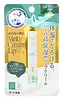
This barrier-repair lip moisturizer is formulated around Squalane and Petrolatum to strengthen the lip barrier and hydrate lips.
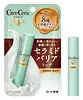
This barrier-repair lip moisturizer is formulated around Squalane and Ceramide NP to strengthen the lip barrier and hydrate lips.

What's inside
What's inside
 Key Ingredients
Benefits
Concerns
Ingredients Side-by-side
Squalane
Emollient


Petrolatum
Emollient


Paraffin
Skin Conditioning
Paraffinum Liquidum
Emollient
Hydrogenated Polyisobutene
EmollientDiisostearyl Malate
EmollientEthylhexyl Methoxycinnamate
UV Absorber

Dipentaerythrityl Hexahydroxystearate/Hexastearate/Hexarosinate
Skin ConditioningMicrocrystalline Wax
Emulsion StabilisingButyrospermum Parkii Butter
Skin Conditioning



Polyglyceryl-2 Diisostearate
Emulsifying
Phytosteryl Macadamiate
Skin Conditioning
Ceramide NP
Skin Conditioning


Ceramide Ns
Skin Conditioning
Ceramide AP
Skin Conditioning
Honey
Humectant
Persea Gratissima Oil
Skin Conditioning
Macadamia Ternifolia Seed Oil
Emollient
Olea Europaea Fruit Oil
Masking
Simmondsia Chinensis Seed Oil
Emollient
Butyl Methoxydibenzoylmethane
UV Absorber
Dipropylene Glycol
HumectantVp/Eicosene Copolymer
Polyglyceryl-4 Oleate
Emulsifying
Cholesterol
Emollient
Argania Spinosa Kernel Oil
Emollient

Tocopheryl Acetate
Antioxidant


Synthetic Wax
Abrasive
Iron Oxides
Water
Skin ConditioningHydrogenated Lecithin
Emulsifying
Glycine Soja Sterols
Emollient
Isopropyl Titanium Triisostearate
Emollient
Butylene Glycol
Humectant
Royal Jelly Extract
Skin Conditioning
Camellia Sinensis Leaf Extract
Antimicrobial
Epigallocatechin Gallate
Antioxidant
Parfum
Masking
Ultramarines
CI 19140
Cosmetic ColorantSqualane, Petrolatum, Paraffin, Paraffinum Liquidum, Hydrogenated Polyisobutene, Diisostearyl Malate, Ethylhexyl Methoxycinnamate, Dipentaerythrityl Hexahydroxystearate/Hexastearate/Hexarosinate, Microcrystalline Wax, Butyrospermum Parkii Butter, Polyglyceryl-2 Diisostearate, Phytosteryl Macadamiate, Ceramide NP, Ceramide Ns, Ceramide AP, Honey, Persea Gratissima Oil, Macadamia Ternifolia Seed Oil, Olea Europaea Fruit Oil, Simmondsia Chinensis Seed Oil, Butyl Methoxydibenzoylmethane, Dipropylene Glycol, Vp/Eicosene Copolymer, Polyglyceryl-4 Oleate, Cholesterol, Argania Spinosa Kernel Oil, Tocopheryl Acetate, Synthetic Wax, Iron Oxides, Water, Hydrogenated Lecithin, Glycine Soja Sterols, Isopropyl Titanium Triisostearate, Butylene Glycol, Royal Jelly Extract, Camellia Sinensis Leaf Extract, Epigallocatechin Gallate, Parfum, Ultramarines, CI 19140
Petrolatum
Emollient
Squalane
Emollient
Paraffin
Skin Conditioning
Hydrogenated Polyisobutene
EmollientParaffinum Liquidum
Emollient
Butyrospermum Parkii Butter
Skin Conditioning
Polyethylene
Abrasive
Dipentaerythrityl Hexahydroxystearate/Hexastearate/Hexarosinate
Skin ConditioningPhytosteryl Macadamiate
Skin Conditioning
Hydrogenated Vegetable Oil
Emollient
Persea Gratissima Oil
Skin Conditioning
Phytosteryl/Behenyl/Octyldodecyl Lauroyl Glutamate
Skin ConditioningCeramide EOP
Skin Conditioning
Ceramide Ns
Skin Conditioning
Ceramide NP
Skin Conditioning
Ceramide AP
Skin Conditioning
Ceramide Eos
Skin Conditioning
Caprooyl Phytosphingosine
Skin Conditioning
Caproyl Sphingosine
Skin ConditioningDihydroxylignoceroyl Phytosphingosine
Skin ConditioningMicrocrystalline Wax
Emulsion StabilisingPentylene Glycol
Skin Conditioning
Water
Skin ConditioningPEG-60 Hydrogenated Castor Oil
Emulsifying
Ceteareth-25
CleansingButylene Glycol
Humectant
Glycerin
Humectant
Cetearyl Alcohol
Emollient

Behenic Acid
Cleansing
Cholesterol
Emollient
Salvia Officinalis Leaf Extract
CleansingPetrolatum, Squalane, Paraffin, Hydrogenated Polyisobutene, Paraffinum Liquidum, Butyrospermum Parkii Butter, Polyethylene, Dipentaerythrityl Hexahydroxystearate/Hexastearate/Hexarosinate, Phytosteryl Macadamiate, Hydrogenated Vegetable Oil, Persea Gratissima Oil, Phytosteryl/Behenyl/Octyldodecyl Lauroyl Glutamate, Ceramide EOP, Ceramide Ns, Ceramide NP, Ceramide AP, Ceramide Eos, Caprooyl Phytosphingosine, Caproyl Sphingosine, Dihydroxylignoceroyl Phytosphingosine, Microcrystalline Wax, Pentylene Glycol, Water, PEG-60 Hydrogenated Castor Oil, Ceteareth-25, Butylene Glycol, Glycerin, Cetearyl Alcohol, Behenic Acid, Cholesterol, Salvia Officinalis Leaf Extract
Reviews
Ingredients Explained
These ingredients are found in both products.
Ingredients higher up in an ingredient list are typically present in a larger amount.
Butylene Glycol (or BG) is used within cosmetic products for a few different reasons:
Overall, Butylene Glycol is a safe and well-rounded ingredient that works well with other ingredients.
Though this ingredient works well with most skin types, some people with sensitive skin may experience a reaction such as allergic rashes, closed comedones, or itchiness.
Learn more about Butylene GlycolThis ingredient is also known as shea butter. It is a plant-derived extract from the nuts of the Africa shea tree and one of the most well-studied emollients.
Because it has a high concentration of fatty acids (primarily oleic, stearic, and linoleic) it is able to form a protective barrier on the skin's surface. This helps seal in moisture and prevents transepidermal water loss (TEWL).
In vitro research found an increase in skin hydration by 58% and a decrease in TEWL by 37.8% after 24 hours of applying this ingredient (pretty impressive for a single ingredient!).
Besides hydration, shea butter also contains triterpenes that have anti-inflammatory potential. In particule, lupeol cinnamate has shown the highest anti-inflammatory activity in vivo.
Shea butter also contains vitamins A and E which may contribute to antioxidant activity.
While Shea Butter has an SPF rating of about 3-4, it is not a sunscreen replacement.
This ingredient may not be fungal acne safe because its fatty acids fall within the C11-C24 range that the Malassezia yeast can metabolize.
This ingredient shows up on a lot of "pore-clogging" lists but there's no real evidence behind that. It doesn't even have a comedogenic rating from an actual study; the numbers you'll find online come from blogs citing other blogs.
Ratings for other ingredients mostly come from a 1980s rabbit ear test. This test doesn't translate well to human skin or to real products because the ingredient sits at a much lower percentage.
Some people still find it breaks them out. So if that's you, definitely trust your skin. Just know this one's based on experience and not evidence.
Learn more about Butyrospermum Parkii ButterCeramide AP is is a skin-identical lipid that mimics what your skin already makes naturally. Ceramides help maintain epidermal integrity and barrier function.
You'll often see this ingredient paired with other ceramides (like ceramide NP), cholesterol, or fatty acids because this combination best mimics the natural lipid mix your skin already has.
The skin's ability to produce ceramides gets disrupted in skin conditions like eczema. This in turn weakens the skin barrier and applying ceramides topically has been shown to replenish what's been lost to restore barrier function.
Most of the studies with Ceramide AP test it as part of a multi-ceramide complex; studies reinforce ceramide AP's role in rebalancing ceramides in skin and improving skin hydration.
Learn more about Ceramide APCeramide NP (formerly known as Ceramide 3) is one of the skin's naturally occurring lipids.
Since ceramides are the major lipid components of the skin, they are crucial for maintaining skin barrier and hydration. Ceramide NP most closely mirrors the dominant kind in human skin amongst ceramide subtypes.
This ceramide works by slotting into gaps within the stratum corneum's lipid matrix to limit trans-epidermal water loss (TEWL) and shield the skin against external irritants.
A study with 312 patients found that using a ceramide-containing routine for 4 weeks reduced the severity of atopic dermatitis by over 61%.
Another clinical study in subjects aged 60 and older found that a ceramide body wash and moisturizer improved skin dryness and itchy skin in 15 days.
Overall, ceramides are considered non-irritating and safety tests have found little to no observable adverse effects from using this ingredient.
Ceramide NP is usually sourced from plants (like soybean or rice bran), or produced synthetically.
Learn more about Ceramide NPCeramide NS is formally known as Ceramide 2. It is one of the major ceramides in the stratum corneum (outermost layer of skin) plays a role in forming a protective barrier.
Due to its structure, skin lipids can be packed tightly and in turn, this strengthens the barrier and reduces water loss.
Studies show conditions like atopic dermatitis can worsen when ceramide NS levels are low.
Learn more about Ceramide NsCholesterol is a lipid that is naturally found in human skin and is one of the three key components of your skin barrier. In skincare, it is an emollient and barrier-repairing ingredient.
It works by fitting directly into the lipid layers of skin to help restore structure and reduce transepidermal water loss (TEWL).
This is a great ingredient for dry, compromised, or aging skin; our skin starts to produce less cholesterol with age.
Research shows cholesterol works best in combination with ceramides and fatty acids, the other two major components in your skin barrier.
Cholesterol is also a well-establish penetration enhancer and can help other actives absorb more effectively.
Cosmetic-grade cholesterol is usually derived from lanolin but plant and synthetic options also exist. We recommend reaching out to the brand if you have questions about their source of cholesterol.
Learn more about CholesterolThis ingredient is a high molecular weight fatty acid ester. It has skin conditioning properties and is also used as an emollient, texture enhancer, and viscosity emulsifier.
Hydrogenated Polyisobutene is a synthetic polymer. Polymers are compounds with high molecular weight. Hydrogenated Polyisobutene is an emollient and texture enhancer.
In one study, Hydrogenated Polyisobutene showed better skin hydration levels than Caprylic/Capric Triglyceride. As an emollient, it helps keep your skin soft and hydrated by trapping moisture in.
Hydrogenated Polyisobutene is often used as a mineral oil replacement.
Learn more about Hydrogenated PolyisobuteneMicrocrystalline Wax is derived from petroleum through a de-oiling process, then highly refined and purified before use in cosmetics.
In skincare formulations, it is used to improve texture and create a smooth, even consistency. It also helps stabilize products by preventing ingredients from separating.
Paraffin is a solid wax that pulls its weight as an emollient, occlusive, and consistency-booster.
It softens skin and lays down a protective film to slow water loss and gives products a stable body and structure.
The cosmetic grade stuff is highly refined with a solid safety record. The CIR Expert Panel has repeatedly reaffirmed this ingredient to be safe in current practices of use and concentration.
The worry about carcinogenic compounds only applies to industrial grades, not the purified version used in skincare.
Despite its reputation, the highly reformed form is non-comedogenic and doesn't penetrate deeply into skin.
The good news for fungal-acne prone folks: the Malassezia yeast feeds on fatty acids and lipids and paraffin doesn't contain any of these (so there's nothing for the yeast to metabolize). This ingredient is considered fungal acne safe.
Learn more about ParaffinParaffinum Liquidum is a highly-refined cosmetic-grade mineral oil. It is also known as liquid paraffin.
Despite its controversial reputation, the science is pretty clear: it's one of the most well-studied and effective moisturizing ingredients out there.
As an occlusive, it forms a protective layer on the skin that locks in moisture and prevents transepidermal water loss (TEWL). This makes it especially great for compromised skin barriers.
The "it clogs your pores" myth has been around for decades; a study found that industrial-grade mineral oil may be comedogenic but cosmetic-grade mineral oil is not (these two are very, very different).
A 2017 review concluded that cosmetic use of mineral oils and waxes does not present a risk to consumers due to absorption.
Mineral oil got a bad rap from the old rabbit ear studies. When tested on actual human skin, cosmetic-grade mineral oil showed no comedogenic activity. The rating of 0 is a correction of outdated science.
Mineral oil is an inert substance with no fatty acids so there's nothing to feed Malassezia. This ingredient is fungal acne safe.
Learn more about Paraffinum LiquidumThis ingredient is also known as Avocado oil. It's the cold-pressed oil from the flesh of the avocado fruit packed with fatty acids (mostly oleic acid).
The rich fatty acid profile allows it to function as a skin conditioning agent and emollient; it helps soften and smooth skin while reducing water loss.
Preclinical research has found that topical avocado oil increased collagen synthesis and reduced inflammation during wound healing, giving it some skin-repairing credibility.
The unsaponifiable fraction of the oil is also interesting: studies on avocado unsaponifiables showed that it helped skin produce more collagen and other structural compounds that support healing.
The CIR Expert Panel has found this ingredient to be non-irritating in formulations.
This ingredient may not be fungal acne safe. This is because the oleic acid content falls within the range that Malassezia can use as a food source.
This ingredient does have a comedogenic rating of 0-3, but this doesn't mean a formula with this ingredient will clog pores. Human testing has proved that any finished product with a comedogenic ingredient won't automatically make you break out; it really comes down to concentration, formula, and your skin.
Learn more about Persea Gratissima OilPetrolatum is more commonly known as petroleum jelly. It is created by mixing waxes and mineral oils.
This ingredient is effective at reducing water loss by 99%. This is because it is an occlusive. Occlusives create a hydrophobic barrier on the skin to prevent evaporation. This property makes it great for hydrating dry skin.
Pro tip: Use occlusives, such as this ingredient, on damp skin for the best results.
The quality or origin of petrolatum is only known when disclosed by the brand. Most cosmetic petrolatum has gone through several purification stages.
Another benefit of occlusives is it protects your skin against infection or allergies.
Petrolatum is fungal acne safe. It is a hydrocarbon with no fatty acid structure, so Malassezia cannot metabolize it. In-vitro studies support negligible growth stimulation as well.
It's also worth noting that petrolatum has a comedogenic rating of 0. In updated rabbit ear testing (and in human testing), petrolatum was found to be not comedogenic. This means it didn’t promote comedone formation in standard models.
Learn more about PetrolatumPhytosteryl Macadamiate is an ester made by combining phytosterols (the plant version of cholesterol) with fatty acids from macadamia seed oil.
It's a botanical copycat of the cholesteryl esters found in your skin's surface lipids and mimics how your skin's own barrier lipids organize.
Research on phytosterols show they can help with skin barrier recovery and protect skin against UV-induced damage when combined with ceramides.
The fatty acid portion of this ingredient is mainly oleic acid and palmitoleic acid, two potential Malassezia triggers. Be sure to patch test if you're unsure.
Learn more about Phytosteryl MacadamiateSqualane is the hydrogenated and shelf-stable form of squalene (a lipid that naturally occurs in human sebum).
It is an emollient and skin conditioning agent that is able to integrate seamlessly into the skin's lipid barrier without clogging pores.
This is due to how structurally similar it is to what your skin already produces.
Though it is mostly an emollient that helps soften and hydrate skin, it also has some humectant and occlusive action. Humectants help the skin retain moisture while occlusives seal it in, making squalane a triple-threat moisturizer.
Research shows it has antioxidant capabilities that help protect against stressors like UV exposure, specifically UVA induced oxidative stress. This study also found that it supports collagen biosynthesis in human dermal fibroblasts.
No clinical study has reported significant adverse effects and irritation reactions are very rare from this ingredient (even at 100% concentration).
Overall, it's a fantastic ingredient for hydration and is suitable for all skin types.
This depends on the source. Squalane can be derived from both plants and animals. Most squalane used in skincare comes from plants.
Please note: the source of squalane is only known if disclosed by the brand. We recommend reaching out to the brand if you have any questions about their squalane.
Read more about squalene with an "e".
Though squalane is often called an oil, it’s technically not one. It is a hydrocarbon, meaning it is only made of carbon and hydrogen. True oils are triglycerides and made of fatty acids and glycerol.
The term “oil-free” isn’t regulated so companies can define it however they want. Some exclude all oils, while others just avoid mineral oil or comedogenic oils.
Squalane has a comedogenic rating of 1 from the original 1972 study that tested raw ingredients under occlusion on rabbit ears. This system is not standardized or peer-reviewed, and using the raw ingredients is very different from how diluted cosmetic formulations are used on human skin.
A comedogenic rating of 1 means it is "unlikely to clog pores" according to the original rating system.
The overall formula of a product matters more than the individual ingredients on whether or not it will cause clogged pores.
Learn more about SqualaneWater. It's the most common cosmetic ingredient of all. You'll usually see it at the top of ingredient lists, meaning that it makes up the largest part of the product.
So why is it so popular? Water most often acts as a solvent - this means that it helps dissolve other ingredients into the formulation.
You'll also recognize water as that liquid we all need to stay alive. If you see this, drink a glass of water. Remember to stay hydrated!
Learn more about Water

