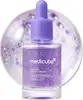
This anti-aging serum is formulated around Niacinamide to soften the look of wrinkles and refine skin texture.
This anti-aging serum is formulated around Niacinamide and Sh-Oligopeptide-1 to soften the look of wrinkles and strengthen the skin barrier.

What's inside
What's inside
 Key Ingredients
Benefits
Concerns
Ingredients Side-by-side
Water
Skin ConditioningPropanediol
Solvent

Isononyl Isononanoate
EmollientNiacinamide
Smoothing










Glycereth-26
Humectant
1,2-Hexanediol
Skin Conditioning
Caprylic/Capric Triglyceride
Masking
Acrylates/C10-30 Alkyl Acrylate Crosspolymer
Emulsion StabilisingTromethamine
BufferingRicinus Communis Seed Oil
Masking



Inonotus Obliquus Extract
Skin ConditioningHydrogenated Polyisobutene
EmollientPlacental Extract
C12-14 Alketh-12
EmulsifyingXanthan Gum
EmulsifyingEthylhexylglycerin
Skin ConditioningAloe Barbadensis Leaf Extract
Emollient
Arginine
Masking
Hdi/Trimethylol Hexyllactone Crosspolymer
Disodium EDTA
ChelatingMelia Azadirachta Flower Extract
Skin ConditioningPanthenol
Skin Conditioning
Allantoin
Skin Conditioning
Cocos Nucifera Fruit Extract
Emollient

Juglans Regia Seed Oil
Skin Conditioning
Zizyphus Jujuba Fruit Extract
Aloe Barbadensis Flower Extract
EmollientGlycerin
Humectant
Tocopherol
Antioxidant

Ascorbic Acid
Antioxidant
Retinol
Skin Conditioning

Simmondsia Chinensis Seed Oil
Emollient
Panax Ginseng Root Extract
Emollient
Squalane
Emollient
Soluble Collagen
Humectant
Tocopheryl Acetate
Antioxidant
Berberis Vulgaris Root Extract
AntimicrobialRetinyl Palmitate
Skin Conditioning
Hydrolyzed Sponge
Skin ConditioningCaprylyl Glycol
Emollient
Phytosterols
Skin Conditioning
Lecithin
Emollient
Ceramide NP
Skin Conditioning
Hydroxypropyl Cyclodextrin
MaskingCopper Tripeptide-1
Skin Conditioning
Glutathione
Tripeptide-1
Skin Conditioning
Palmitoyl Pentapeptide-4
Skin Conditioning
Oligopeptide-1
Skin Conditioning
Sh-Oligopeptide-2
Skin Conditioning
Water, Propanediol, Isononyl Isononanoate, Niacinamide, Glycereth-26, 1,2-Hexanediol, Caprylic/Capric Triglyceride, Acrylates/C10-30 Alkyl Acrylate Crosspolymer, Tromethamine, Ricinus Communis Seed Oil, Inonotus Obliquus Extract, Hydrogenated Polyisobutene, Placental Extract, C12-14 Alketh-12, Xanthan Gum, Ethylhexylglycerin, Aloe Barbadensis Leaf Extract, Arginine, Hdi/Trimethylol Hexyllactone Crosspolymer, Disodium EDTA, Melia Azadirachta Flower Extract, Panthenol, Allantoin, Cocos Nucifera Fruit Extract, Juglans Regia Seed Oil, Zizyphus Jujuba Fruit Extract, Aloe Barbadensis Flower Extract, Glycerin, Tocopherol, Ascorbic Acid, Retinol, Simmondsia Chinensis Seed Oil, Panax Ginseng Root Extract, Squalane, Soluble Collagen, Tocopheryl Acetate, Berberis Vulgaris Root Extract, Retinyl Palmitate, Hydrolyzed Sponge, Caprylyl Glycol, Phytosterols, Lecithin, Ceramide NP, Hydroxypropyl Cyclodextrin, Copper Tripeptide-1, Glutathione, Tripeptide-1, Palmitoyl Pentapeptide-4, Oligopeptide-1, Sh-Oligopeptide-2
Water
Skin ConditioningButylene Glycol
Humectant
Dipropylene Glycol
HumectantNiacinamide
Smoothing
Xylitol
Humectant
1,2-Hexanediol
Skin Conditioning
Glycereth-26
Humectant
Ectoin
Skin Conditioning
Carbomer
Emulsion StabilisingC12-14 Alketh-12
EmulsifyingTromethamine
BufferingEthylhexylglycerin
Skin ConditioningTheobroma Cacao Seed Extract
Antioxidant
Dextrin
AbsorbentAdenosine
Skin Conditioning
Methyl Diisopropyl Propionamide
MaskingDisodium EDTA
ChelatingCyanocobalamin
Skin ConditioningHydrogenated Phosphatidylcholine
Emulsifying
Sh-Oligopeptide-1
Skin Conditioning
Glycerin
Humectant
Rosa Canina Fruit Oil
Emollient
Nicotinamide Adenine Dinucleotide
Skin ConditioningXylitylglucoside
Humectant
Anhydroxylitol
Humectant
Sorbitan Laurate
Emulsifying
Lecithin
Emollient
Caprylyl Glycol
Emollient
Polyglyceryl-10 Laurate
Skin Conditioning
Hydroxyethylcellulose
Emulsion StabilisingAcetyl Glutamine
Skin ConditioningAcetyl Dipeptide-1 Cetyl Ester
Skin Conditioning
Hydrogenated Lecithin
Emulsifying
Bacillus/Soybean Ferment Extract
Skin ConditioningVaccinium Vitis-Idaea Fruit Extract
Antioxidant
Vaccinium Myrtillus Fruit Extract
Skin ConditioningVaccinium Macrocarpon Fruit Extract
AstringentVaccinium Angustifolium Fruit Extract
Skin Protecting
Ulmus Davidiana Root Extract
Skin Conditioning
Sambucus Nigra Fruit Extract
AstringentRubus Idaeus Fruit Extract
AstringentFragaria Vesca Fruit Extract
AstringentPueraria Lobata Root Extract
HumectantPinus Palustris Leaf Extract
TonicOenothera Biennis Flower Extract
AstringentEuterpe Oleracea Fruit Extract
Collagen Extract
Skin Conditioning
Palmitoyl Tripeptide-5
Skin Conditioning
Hibiscus Sabdariffa Flower Extract
Skin ConditioningAcetyl Hexapeptide-1
Skin Conditioning
Acetyl Octapeptide-3
Humectant
Sodium Hyaluronate
Humectant
Folic Acid
Skin ConditioningFicus Carica Fruit Extract
Humectant
Glutathione
Copper Tripeptide-1
Skin Conditioning
Oligopeptide-3
Skin Conditioning
Oligopeptide-2
Skin Conditioning
Oligopeptide-1
Skin Conditioning
Hexapeptide-11
Skin Conditioning
Water, Butylene Glycol, Dipropylene Glycol, Niacinamide, Xylitol, 1,2-Hexanediol, Glycereth-26, Ectoin, Carbomer, C12-14 Alketh-12, Tromethamine, Ethylhexylglycerin, Theobroma Cacao Seed Extract, Dextrin, Adenosine, Methyl Diisopropyl Propionamide, Disodium EDTA, Cyanocobalamin, Hydrogenated Phosphatidylcholine, Sh-Oligopeptide-1, Glycerin, Rosa Canina Fruit Oil, Nicotinamide Adenine Dinucleotide, Xylitylglucoside, Anhydroxylitol, Sorbitan Laurate, Lecithin, Caprylyl Glycol, Polyglyceryl-10 Laurate, Hydroxyethylcellulose, Acetyl Glutamine, Acetyl Dipeptide-1 Cetyl Ester, Hydrogenated Lecithin, Bacillus/Soybean Ferment Extract, Vaccinium Vitis-Idaea Fruit Extract, Vaccinium Myrtillus Fruit Extract, Vaccinium Macrocarpon Fruit Extract, Vaccinium Angustifolium Fruit Extract, Ulmus Davidiana Root Extract, Sambucus Nigra Fruit Extract, Rubus Idaeus Fruit Extract, Fragaria Vesca Fruit Extract, Pueraria Lobata Root Extract, Pinus Palustris Leaf Extract, Oenothera Biennis Flower Extract, Euterpe Oleracea Fruit Extract, Collagen Extract, Palmitoyl Tripeptide-5, Hibiscus Sabdariffa Flower Extract, Acetyl Hexapeptide-1, Acetyl Octapeptide-3, Sodium Hyaluronate, Folic Acid, Ficus Carica Fruit Extract, Glutathione, Copper Tripeptide-1, Oligopeptide-3, Oligopeptide-2, Oligopeptide-1, Hexapeptide-11
Ingredients Explained
These ingredients are found in both products.
Ingredients higher up in an ingredient list are typically present in a larger amount.
1,2-Hexanediol is a synthetic liquid and another multi-functional powerhouse.
It is a:
- Humectant, drawing moisture into the skin
- Emollient, helping to soften skin
- Solvent, dispersing and stabilizing formulas
- Preservative booster, enhancing the antimicrobial activity of other preservatives
Caprylyl Glycol is a humectant, skin conditioner, emollient, and preservative booster derived from either caprylic acid or synthetically created.
Typical use levels vary from 0.3-1% as a preservative booster and go up to 2% to condition skin.
Because it is not a free-fatty acid, this ingredient is fungal acne safe (there's nothing for Malassezia to feed on).
Learn more about Caprylyl GlycolCopper Tripeptide-1 (GHK-Cu) is a skin repairing ingredient said to boost collagen, improve firmness, and support skin regeneration.
It is a complex made up of a naturally occurring peptide (glycine-histidine-lysine) and copper, an essential trace element.
While studying wound healing, researchers noticed GHK-Cu stimulated hair follicle enlargement and growth by keeping hair in its active growth phase longer. This has made it a promising ingredient for hair regrowth treatments.
Some people have reported increased facial hair. While GHK-Cu can make your hair follicles bigger, it usually doesn’t turn soft, barely-visible facial hairs into thick, dark ones.
Anecdotal reports suggest that overusing copper peptides might lead to premature aging due to excess free copper or enzyme imbalances. This claim isn’t backed by large-scale studies.
Unfortunately, there are limited human studies for this ingredient. While early results are promising, many studies are either small, in-vitro, or not rigorously controlled.
For example, there is a 1998 study that explored the effects of copper tripeptide, vitamin C, tretinoin, and melatonin on skin repair and collagen synthesis.
After one month, increased procollagen production was seen in 7 out of 10 participants using copper tripeptide (more than those using vitamin C, melatonin, or tretinoin.
While the study was exploratory, it offers early evidence that copper tripeptide may support collagen production. Larger, well-designed trials are still needed to confirm its potential and understand individual responses.
Read more about other common types of peptides here:
Learn more about Copper Tripeptide-1Disodium EDTA is a chelating agent. It grabs onto and deactivates metal ions that sneak into your products from water, packaging, or air.
This ingredient mainly works behind the scenes and helps with:
On top of that, this ingredient can counteract the effects of hard water by binding to the minerals in it.
One thing worth knowing is that Disodium EDTA has been shown to be a mild penetration enhancer. It can help other ingredients absorb into skin more effectively which can be a double-edged sword (great for actives, but can also make the active too strong if you have sensitive skin).
Clinical patch testing showed no significant skin irritation at typical use concentrations and minimal dermal absorption.
You'll most likely see this ingredient near the end of an ingredient list. It's typically found in concentrations less than 1%.
Learn more about Disodium EDTAEthylhexylglycerin is created from glycerin. It is a multitasker ingredient that:
The CIR Expert Panel found minimal skin absorption or sensitization of any kind in a safety assessment. Though this ingredient is considered well-tolerated, a small number of cases of allergic dermatitis have been published since 2002. Just be sure to patch test if you are unsure.
Industry-reported use ranges from 8% in rinse-off products and 2% in leave-on formulations.
Learn more about EthylhexylglycerinGlutathione is a tiny protein-like molecule (a "tripeptide" build from 3 amino acids: glycine, cysteine, and glutamic acid) that your body already makes on its own.
Inside your body, it acts as one of the skin's main antioxidants that help fight against free radicals.
In skincare, it's best known as a brightening ingredient that slows down tyrosinase, the key enzyme that makes skin pigment. It also nudges the skin toward making a lighter type of pigment instead of a darker one.
This is why you'll see it in products aimed at dark spots and uneven tone.
A small number of real human trials have found a topical glutathione lotion:
The honest caveat is that the current evidence is still thin (few studies, small groups, short timelines). Glutathione also doesn't absorb into skin very easily so results tend to be modest and fade if you stop using it.
One thing worth clearing up:
The scary side effects you may have heard about come from glutathione injected intravenously, which has real safety concerns. Applying it topically is a completely different thing and has a clean track record.
Most human studies used it around 2% (as Glutathione or Glutathione Disulfide) and a 2% oxidized glutathione lotion and a 2% S-acyl glutathione cream are the concentrations with actual clinical data behind them.
There's no established "ideal" percentage yet but 1-2% is the evidence-backed range.
Allergy-wise, there is very low risk for this ingredient; it was well-tolerated across the topical trials. Only one participant had mild temporary redness that cleared up on its own and another study reported no adverse reactions at all.
One trial had ~10% of users drop out for irritation was using a combination cream that also had 10% azelaic acid so the irritation likely wasn't from the glutathione. There's no notable contact-allergy signal for topical glutathione in the literature but patch-testing before first use is still sensible for those with sensitive skin.
Learn more about GlutathioneGlycereth-26 is a synthetic ingredient and polyethylene glycol ether of Glycerin. Glycerin is already naturally found in your skin and helps keep your skin moisturized.
It is a humectant and helps add texture to products. It can make your product thicker.
As a humectant, it helps draw moisture from the air to your skin. This helps your skin stay hydrated.
Learn more about Glycereth-26Glycerin (or glycerol) is a compound naturally found in your skin. It's a powerhouse humectant that pulls water into the stratum corneum.
Topically, glycerin does several things at once:
Your skin makes glycerin on its own (mostly from sebaceous oil breakdown) and shuttles it to your outermost layer of skin, or your epidermis, via aquaporin-3.
Aquaporin-3 is a transporter that is essential for normal skin hydration, elasticity, and repair. Interestingly, mice lacking in AQP3 have dry and less elastic skin that can be fully corrected with glycerin.
This ingredient is non-irritating, plays well with almost every ingredient, and works across all skin types. Typical use is anywhere between 3-10% but can go up to 79% in some leave-on products.
Just know very high concentrations (>40%) can feel tacky in low humidity.
Glycerin is the name for this ingredient in American English. British English uses Glycerol/Glycerine.
Learn more about GlycerinLecithin is a term for a group of substances found in the cell membranes of plants, animals, and humans. They are made up of phospholipids.
Thanks to its amphiphilic structure (water-loving head and oil-loving tail), it is a true multitasker:
It plays well with most ingredients and is typically used at 0.1-1%. However, concentrations up to 50% have been reported in moisturizers.
Learn more about LecithinNiacinamide is a multitasking form of vitamin B3 that strengthens the skin barrier, reduces pores and dark spots, regulates oil, and improves signs of aging.
And the best part? It's gentle and well-tolerated by most skin types, including sensitive and reactive skin.
You might have heard of "niacin flush", or the reddening of skin that causes itchiness. Niacinamide has not been found to cause this.
In very rare cases, some individuals may not be able to tolerate niacinamide at all or experience an allergic reaction to it.
If you are experiencing flaking, irritation, and dryness with this ingredient, be sure to double check all your products as this ingredient can be found in all categories of skincare.
When incorporating niacinamide into your routine, look out for concentration amounts. Typically, 5% niacinamide provides benefits such as fading dark spots. However, if you have sensitive skin, it is better to begin with a smaller concentration.
When you apply niacinamide to your skin, your body converts it into nicotinamide adenine dinucleotide (NAD). NAD is an essential coenzyme that is already found in your cells as "fuel" and powers countless biological processes.
In your skin, NAD helps repair cell damage, produce new healthy cells, support collagen production, strengthen the skin barrier, and fight environmental stressors (like UV and pollution).
Our natural NAD levels start to decline with age, leading to slower skin repair, visible aging, and a weaker skin barrier. By providing your skin niacinamide, you're recharging your skin's NAD levels. This leads to stronger, healthier, and younger looking skin.
Another name for vitamin B3 is nicotinamide. This vitamin is water-soluble and our bodies don't store it. We obtain Vitamin B3 from either food or skincare. Meat, fish, wheat, yeast, and leafy greens contain vitamin B3.
The type of niacinamide used in skincare is synthetically created.
Learn more about NiacinamideOligopeptide-1 is another name for Epidermal Growth Factor (EGF). In a formula, EGF works as a signaling ingredient.
EGF binds to receptors on your skin cells and tells keratinocytes/fibroblasts to divide, move, and rebuild the skin's support structure.
A 2012 open-label study on a barley-derived EGF serum reported statistically significant improvements in fine-lines, skin texture, pore size, and uneven skin tone, with changes showing up within the first month of 2x/daily use.
And a 2023 review found generally positive but modest results for growth factor products while pointing out that most trials are small, often industry-funded, and rarely test EGF on its own.
So, a fair summary of this ingredient would be "promising with real mechanistic backing, but not yet large-scale proof".
Concentration-wise, EGF is biologically active at very tiny amounts so finished products use it at low levels (think parts per million).
Raw material supplies usually sell a pre-diluted EGF solution and recommend adding roughly 1-5% of that solution to a formula.
Another practical catch: EGF is a fragile protein so it reacts badly to heat and the wrong pH. This just means it relies heavily on good packaging and a solid delivery system to stay active in a bottle.
Oligopeptide-1 and Sh-Oligopeptide-1. The "sh-" prefix just means "synthetic human" and it tells you that it's the lab grown version.
Learn more about Oligopeptide-1Tromethamine (aka THAM) is a synthetic amino acid that shows up in skincare as a helper ingredient.
It functions as a pH adjuster to help neutralize acidic ingredients and set a formula's pH to the right spot.
This matters a lot because a lot of actives (like vitamin C) needs a specific pH to work well and feel comfortable on skin.
Concentration use ranges from 0.1-1.0% depending on the formula.
Learn more about TromethamineWater. It's the most common cosmetic ingredient of all. You'll usually see it at the top of ingredient lists, meaning that it makes up the largest part of the product.
So why is it so popular? Water most often acts as a solvent - this means that it helps dissolve other ingredients into the formulation.
You'll also recognize water as that liquid we all need to stay alive. If you see this, drink a glass of water. Remember to stay hydrated!
Learn more about WaterWe don't have a description for C12-14 Alketh-12 yet.


