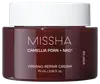
This anti-aging moisturizer is formulated around Sodium DNA and Niacinamide to soften the look of wrinkles and strengthen the skin barrier.
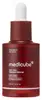
This anti-aging serum is formulated around Niacinamide and Sh-Oligopeptide-1 to soften the look of wrinkles and strengthen the skin barrier.

What's inside
What's inside
 Key Ingredients
Benefits
Concerns
Ingredients Side-by-side
Water
Skin ConditioningButylene Glycol
Humectant

Propanediol
Solvent
Glycerin
Humectant
Glyceryl Acrylate/Acrylic Acid Copolymer
Humectant1,2-Hexanediol
Skin Conditioning
Sodium DNA
Skin Conditioning
Camellia Japonica Flower Extract
EmollientNiacinamide
Smoothing








Carbomer
Emulsion StabilisingPvm/Ma Copolymer
Emulsion StabilisingPentylene Glycol
Skin Conditioning
Lactobacillus/Rye Flour Ferment
Skin ConditioningLactobacillus/Soymilk Ferment
HumectantBacillus/Soybean Ferment Extract
Skin ConditioningPantothenic Acid
Skin ConditioningFolic Acid
Skin ConditioningPyridoxine
Skin ConditioningThiamine Hcl
MaskingCyanocobalamin
Skin ConditioningRiboflavin
Cosmetic ColorantMethylpropanediol
SolventAmmonium Acryloyldimethyltaurate/Vp Copolymer
Sodium Polyacrylate
Absorbent
Acrylates/C10-30 Alkyl Acrylate Crosspolymer
Emulsion StabilisingArginine
Masking
Polyglyceryl-10 Oleate
Skin Conditioning

Nicotinamide Mononucleotide
Antioxidant
Adenosine Triphosphate
Skin ConditioningNicotinamide Adenine Dinucleotide
Skin ConditioningDextrin
AbsorbentGardenia Florida Fruit Extract
Skin ConditioningEthylhexylglycerin
Skin ConditioningTocopherol
Antioxidant
Adenosine
Skin Conditioning
Theobroma Cacao Extract
Skin ConditioningDipotassium Glycyrrhizate
Humectant
Allantoin
Skin Conditioning
Panthenol
Skin Conditioning
Water, Butylene Glycol, Propanediol, Glycerin, Glyceryl Acrylate/Acrylic Acid Copolymer, 1,2-Hexanediol, Sodium DNA, Camellia Japonica Flower Extract, Niacinamide, Carbomer, Pvm/Ma Copolymer, Pentylene Glycol, Lactobacillus/Rye Flour Ferment, Lactobacillus/Soymilk Ferment, Bacillus/Soybean Ferment Extract, Pantothenic Acid, Folic Acid, Pyridoxine, Thiamine Hcl, Cyanocobalamin, Riboflavin, Methylpropanediol, Ammonium Acryloyldimethyltaurate/Vp Copolymer, Sodium Polyacrylate, Acrylates/C10-30 Alkyl Acrylate Crosspolymer, Arginine, Polyglyceryl-10 Oleate, Nicotinamide Mononucleotide, Adenosine Triphosphate, Nicotinamide Adenine Dinucleotide, Dextrin, Gardenia Florida Fruit Extract, Ethylhexylglycerin, Tocopherol, Adenosine, Theobroma Cacao Extract, Dipotassium Glycyrrhizate, Allantoin, Panthenol
Water
Skin ConditioningButylene Glycol
Humectant
Dipropylene Glycol
HumectantNiacinamide
Smoothing
Xylitol
Humectant
1,2-Hexanediol
Skin Conditioning
Glycereth-26
Humectant
Ectoin
Skin Conditioning
Carbomer
Emulsion StabilisingC12-14 Alketh-12
EmulsifyingTromethamine
BufferingEthylhexylglycerin
Skin ConditioningTheobroma Cacao Seed Extract
Antioxidant
Dextrin
AbsorbentAdenosine
Skin Conditioning
Methyl Diisopropyl Propionamide
MaskingDisodium EDTA
ChelatingCyanocobalamin
Skin ConditioningHydrogenated Phosphatidylcholine
Emulsifying
Sh-Oligopeptide-1
Skin Conditioning
Glycerin
Humectant
Rosa Canina Fruit Oil
Emollient
Nicotinamide Adenine Dinucleotide
Skin ConditioningXylitylglucoside
Humectant
Anhydroxylitol
Humectant
Sorbitan Laurate
Emulsifying
Lecithin
Emollient
Caprylyl Glycol
Emollient
Polyglyceryl-10 Laurate
Skin Conditioning
Hydroxyethylcellulose
Emulsion StabilisingAcetyl Glutamine
Skin ConditioningAcetyl Dipeptide-1 Cetyl Ester
Skin Conditioning
Hydrogenated Lecithin
Emulsifying
Bacillus/Soybean Ferment Extract
Skin ConditioningVaccinium Vitis-Idaea Fruit Extract
Antioxidant
Vaccinium Myrtillus Fruit Extract
Skin ConditioningVaccinium Macrocarpon Fruit Extract
AstringentVaccinium Angustifolium Fruit Extract
Skin Protecting
Ulmus Davidiana Root Extract
Skin Conditioning
Sambucus Nigra Fruit Extract
AstringentRubus Idaeus Fruit Extract
AstringentFragaria Vesca Fruit Extract
AstringentPueraria Lobata Root Extract
HumectantPinus Palustris Leaf Extract
TonicOenothera Biennis Flower Extract
AstringentEuterpe Oleracea Fruit Extract
Collagen Extract
Skin Conditioning
Palmitoyl Tripeptide-5
Skin Conditioning
Hibiscus Sabdariffa Flower Extract
Skin ConditioningAcetyl Hexapeptide-1
Skin Conditioning
Acetyl Octapeptide-3
Humectant
Sodium Hyaluronate
Humectant
Folic Acid
Skin ConditioningFicus Carica Fruit Extract
Humectant
Glutathione
Copper Tripeptide-1
Skin Conditioning
Oligopeptide-3
Skin Conditioning
Oligopeptide-2
Skin Conditioning
Oligopeptide-1
Skin Conditioning
Hexapeptide-11
Skin Conditioning
Water, Butylene Glycol, Dipropylene Glycol, Niacinamide, Xylitol, 1,2-Hexanediol, Glycereth-26, Ectoin, Carbomer, C12-14 Alketh-12, Tromethamine, Ethylhexylglycerin, Theobroma Cacao Seed Extract, Dextrin, Adenosine, Methyl Diisopropyl Propionamide, Disodium EDTA, Cyanocobalamin, Hydrogenated Phosphatidylcholine, Sh-Oligopeptide-1, Glycerin, Rosa Canina Fruit Oil, Nicotinamide Adenine Dinucleotide, Xylitylglucoside, Anhydroxylitol, Sorbitan Laurate, Lecithin, Caprylyl Glycol, Polyglyceryl-10 Laurate, Hydroxyethylcellulose, Acetyl Glutamine, Acetyl Dipeptide-1 Cetyl Ester, Hydrogenated Lecithin, Bacillus/Soybean Ferment Extract, Vaccinium Vitis-Idaea Fruit Extract, Vaccinium Myrtillus Fruit Extract, Vaccinium Macrocarpon Fruit Extract, Vaccinium Angustifolium Fruit Extract, Ulmus Davidiana Root Extract, Sambucus Nigra Fruit Extract, Rubus Idaeus Fruit Extract, Fragaria Vesca Fruit Extract, Pueraria Lobata Root Extract, Pinus Palustris Leaf Extract, Oenothera Biennis Flower Extract, Euterpe Oleracea Fruit Extract, Collagen Extract, Palmitoyl Tripeptide-5, Hibiscus Sabdariffa Flower Extract, Acetyl Hexapeptide-1, Acetyl Octapeptide-3, Sodium Hyaluronate, Folic Acid, Ficus Carica Fruit Extract, Glutathione, Copper Tripeptide-1, Oligopeptide-3, Oligopeptide-2, Oligopeptide-1, Hexapeptide-11
Ingredients Explained
These ingredients are found in both products.
Ingredients higher up in an ingredient list are typically present in a larger amount.
1,2-Hexanediol is a synthetic liquid and another multi-functional powerhouse.
It is a:
- Humectant, drawing moisture into the skin
- Emollient, helping to soften skin
- Solvent, dispersing and stabilizing formulas
- Preservative booster, enhancing the antimicrobial activity of other preservatives
Adenosine is a purine nucleoside that your body already makes in every cell. In skincare, it acts mainly as a skin conditioning and anti-aging agent.
The way it works is fairly well mapped out:
Your skin has cells called fibroblasts that build collagen (the stuff that keeps skin firm and smooth). Adenosine basically flips a switch on these cells that tells them to get to work making more collagen and other proteins. These cells slow down on their own as skin ages, so Adenosine helps give them a little nudge to keep going.
The clinical backing is pretty solid too.
A blind, randomized, placebo-controlled trial of 126 women aged 45-65 tested a 0.1% cream twice daily and found real improvements in crow's feet and frown lines using a precise 3D skin-mapping technique; these changes showed up by week 3 and held at 2 months.
A later study using Adenosine-loaded dissolving microneedle patches reported gains in wrinkle depth, dermal density, elasticity, and hydration.
On concentrations, South Korea's Ministry of Food and Drug Safety has set 0.04% as the approved functional anti-wrinkle level. You'll typically see this ingredient used somewhere in the 0.04-0.1% range since it works at low doses.
This ingredient has been found safe for cosmetics with the data showing no irritation or sensitization.
Overall, this is a great ingredient for any anti-aging routine and has no photosensitizing effect, so it suits both AM and PM use.
Learn more about AdenosineThis ingredient is created by fermenting soybean extract with the bacteria, bacillus. It has antioxidant and skin conditioning properties.
Butylene Glycol (or BG) is used within cosmetic products for a few different reasons:
Overall, Butylene Glycol is a safe and well-rounded ingredient that works well with other ingredients.
Though this ingredient works well with most skin types, some people with sensitive skin may experience a reaction such as allergic rashes, closed comedones, or itchiness.
Learn more about Butylene GlycolCarbomer is a synthetic thickening and gelling agent. It's basically the ingredient that gives a lot of serums, gels, creams, and sunscreens their smooth, non-sticky texture.
Although legally permitted at very high levels, carbomers are normally used at concentrations below 1%.
It also needs to be neutralized to actually thicken, and because it is a large molecule, it doesn't really penetrate the skin barrier.
Allergy-wise, the risk is very low. Clinical studies show carbomers have low potential for skin irritation/sensitization even at concentrations up to 100%.
A 2024 UK study patch-tested 1,302 patients and found true allergy to the parent group of carbomer to be rare with no confirmed relevant reactions.
Learn more about CarbomerCyanocobalamin is the manufactured version of vitamin B12. It has skin soothing, antioxidant, and barrier protecting properties. Topical cyanocobalamin is used to treat skin irritation and atopic dermatitis.
Dextrin is a starch-derived polysaccharide. It's made by partially breaking down corn, potato, or other plant starches.
Think of it as "half-processed" starch; it's less complex than the original but not fully broken down into sugar like maltodextrin.
In cosmetics, it mainly functions as a bulking agent, viscosity controller, binder, and absorbent. It helps thicken products, stabilize powders, and get certain textures a less "wet" feel.
This ingredient has a pretty solid safety profile; it's recognized as a safe food additive and its large molecular size means it doesn't meaningfully penetrate skin.
Human repeat insult patch tests using a rinse-off facial product containing 42.69% dextrin found no skin irritation or sensitization in 54 subjects.
Typical real-world usage is much lower: usually under 1% as a texture modifier and up to 40% in masks (rinse off products use less).
Learn more about DextrinEthylhexylglycerin is created from glycerin. It is a multitasker ingredient that:
The CIR Expert Panel found minimal skin absorption or sensitization of any kind in a safety assessment. Though this ingredient is considered well-tolerated, a small number of cases of allergic dermatitis have been published since 2002. Just be sure to patch test if you are unsure.
Industry-reported use ranges from 8% in rinse-off products and 2% in leave-on formulations.
Learn more about EthylhexylglycerinFolic acid is a form of Vitamin B9. Our bodies use folic acid for creating new cells and for DNA repair.
Folic acid is an antioxidant, making it an effective skin repair ingredient.
In vivo studies show folic acid to decrease UV-C induced DNA damage on human fibroblasts. This is because folic acid is effective at rejoining breaks in the fibroblast DNA. It is believed folic acid may play a role in reducing UV-B damage as well. While the mechanisms are unknown, it is believed folic acid plays a role in disrupting the DNA damage process.
Studies show using moisturizers rich in folic acid led to increased hydration of the skin. Hydrated skin is essential for collagen and elastin, or for keeping skin plump. One study found a reduction in wrinkles from using folic acid creams.
Foods rich in folic acid include leafy vegetables, beans, peanuts, fresh fruit, and eggs.
Learn more about Folic AcidGlycerin (or glycerol) is a compound naturally found in your skin. It's a powerhouse humectant that pulls water into the stratum corneum.
Topically, glycerin does several things at once:
Your skin makes glycerin on its own (mostly from sebaceous oil breakdown) and shuttles it to your outermost layer of skin, or your epidermis, via aquaporin-3.
Aquaporin-3 is a transporter that is essential for normal skin hydration, elasticity, and repair. Interestingly, mice lacking in AQP3 have dry and less elastic skin that can be fully corrected with glycerin.
This ingredient is non-irritating, plays well with almost every ingredient, and works across all skin types. Typical use is anywhere between 3-10% but can go up to 79% in some leave-on products.
Just know very high concentrations (>40%) can feel tacky in low humidity.
Glycerin is the name for this ingredient in American English. British English uses Glycerol/Glycerine.
Learn more about GlycerinNiacinamide is a multitasking form of vitamin B3 that strengthens the skin barrier, reduces pores and dark spots, regulates oil, and improves signs of aging.
And the best part? It's gentle and well-tolerated by most skin types, including sensitive and reactive skin.
You might have heard of "niacin flush", or the reddening of skin that causes itchiness. Niacinamide has not been found to cause this.
In very rare cases, some individuals may not be able to tolerate niacinamide at all or experience an allergic reaction to it.
If you are experiencing flaking, irritation, and dryness with this ingredient, be sure to double check all your products as this ingredient can be found in all categories of skincare.
When incorporating niacinamide into your routine, look out for concentration amounts. Typically, 5% niacinamide provides benefits such as fading dark spots. However, if you have sensitive skin, it is better to begin with a smaller concentration.
When you apply niacinamide to your skin, your body converts it into nicotinamide adenine dinucleotide (NAD). NAD is an essential coenzyme that is already found in your cells as "fuel" and powers countless biological processes.
In your skin, NAD helps repair cell damage, produce new healthy cells, support collagen production, strengthen the skin barrier, and fight environmental stressors (like UV and pollution).
Our natural NAD levels start to decline with age, leading to slower skin repair, visible aging, and a weaker skin barrier. By providing your skin niacinamide, you're recharging your skin's NAD levels. This leads to stronger, healthier, and younger looking skin.
Another name for vitamin B3 is nicotinamide. This vitamin is water-soluble and our bodies don't store it. We obtain Vitamin B3 from either food or skincare. Meat, fish, wheat, yeast, and leafy greens contain vitamin B3.
The type of niacinamide used in skincare is synthetically created.
Learn more about NiacinamideThis ingredient is also called NAD+.
It is a coenzyme naturally found in every living cell where it plays a role in energy metabolism, DNA repair, and the activation of enzymes that maintain cellular health. Niacinamide is one of its key precursors.
Our NAD+ levels naturally decline with age and several DNA repair mechanisms critical to skin health are directly dependent on NAD+ to function.
In-vitro studies on human fibroblasts have shown that exogenous NAD+ can protect agsinst UV-induced extrinsic and intrinsic aging.
Here's a big caveat: NAD+ is a large, polar moleculate that has difficult penetrating the skin's stratum corneum. It also degrades quickly when exposed to light, heat, or pH changes. That's why brands prefer to use smaller, more stable precursors like NMN or NR.
The optimal stability for NAD+ is a pH of 6-7.5 and it is typically used in concentration ranges from 0.5-2%.
If you're looking for the most well-studied topical route to support your skin's NAD+, niacinamide is your best bet.
Learn more about Nicotinamide Adenine DinucleotideWater. It's the most common cosmetic ingredient of all. You'll usually see it at the top of ingredient lists, meaning that it makes up the largest part of the product.
So why is it so popular? Water most often acts as a solvent - this means that it helps dissolve other ingredients into the formulation.
You'll also recognize water as that liquid we all need to stay alive. If you see this, drink a glass of water. Remember to stay hydrated!
Learn more about Water

