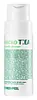
This smoothing exfoliator is formulated around Bromelain and Papain to refine skin texture and balance excess oil.
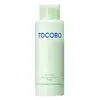
This smoothing exfoliator is formulated around Zea Mays Starch and Allantoin to refine skin texture and balance excess oil.

What's inside
What's inside
 Key Ingredients
No key ingredients
Benefits
Concerns
Ingredients Side-by-side
Zea Mays Starch
Absorbent
Sodium Cocoyl Isethionate
Cleansing
Sodium Lauroyl Glutamate
SurfactantDiglycerin
Humectant
Gardenia Florida Fruit Extract
Skin ConditioningDextrin
AbsorbentBromelain
Skin Conditioning
Papain
Skin Conditioning
Protease
Exfoliating
Maltodextrin
Absorbent
Water
Skin ConditioningButylene Glycol
Humectant
Melaleuca Alternifolia Leaf Oil
Antioxidant






Betaine Salicylate
Antimicrobial


Capryloyl Salicylic Acid
Exfoliating
Citric Acid
Buffering

Gluconolactone
Chelating


Microcrystalline Cellulose
AbsorbentCentella Asiatica Extract
Cleansing
Centella Asiatica Leaf Extract
Skin Conditioning
Centella Asiatica Root Extract
Skin Conditioning
Asiaticoside
Antioxidant
Madecassoside
Antioxidant
Asiatic Acid
Skin Conditioning
Madecassic Acid
Skin Conditioning
Hydrogenated Lecithin
Emulsifying
Vitis Vinifera Seed Oil
Emollient
Cetearyl Alcohol
Emollient


1,2-Hexanediol
Skin Conditioning
Stearic Acid
Cleansing
Glycerin
Humectant
Houttuynia Cordata Extract
Skin Conditioning
Melaleuca Alternifolia Leaf Extract
Perfuming
Polyglyceryl-4 Caprate
EmulsifyingSodium Hyaluronate
Humectant
Hydroxypropyltrimonium Hyaluronate
Hydrolyzed Hyaluronic Acid
Humectant
Sodium Acetylated Hyaluronate
Humectant
Hyaluronic Acid
Humectant
Sodium Hyaluronate Crosspolymer
Humectant
Potassium Hyaluronate
Skin ConditioningTocopherol
Antioxidant
Cryptomeria Japonica Leaf Extract
HumectantNelumbo Nucifera Leaf Extract
Skin ConditioningSaccharomyces Ferment
Skin Conditioning
Oenothera Biennis Flower Extract
AstringentPinus Palustris Leaf Extract
TonicPueraria Lobata Root Extract
HumectantUlmus Davidiana Root Extract
Skin Conditioning
Cholesterol
Emollient
Phytosphingosine
Skin Conditioning
Ceramide NP
Skin Conditioning
Ceramide Ns
Skin Conditioning
Ceramide AP
Skin Conditioning
Ceramide As
Skin Conditioning
Ceramide EOP
Skin Conditioning
Ethylhexylglycerin
Skin ConditioningZea Mays Starch, Sodium Cocoyl Isethionate, Sodium Lauroyl Glutamate, Diglycerin, Gardenia Florida Fruit Extract, Dextrin, Bromelain, Papain, Protease, Maltodextrin, Water, Butylene Glycol, Melaleuca Alternifolia Leaf Oil, Betaine Salicylate, Capryloyl Salicylic Acid, Citric Acid, Gluconolactone, Microcrystalline Cellulose, Centella Asiatica Extract, Centella Asiatica Leaf Extract, Centella Asiatica Root Extract, Asiaticoside, Madecassoside, Asiatic Acid, Madecassic Acid, Hydrogenated Lecithin, Vitis Vinifera Seed Oil, Cetearyl Alcohol, 1,2-Hexanediol, Stearic Acid, Glycerin, Houttuynia Cordata Extract, Melaleuca Alternifolia Leaf Extract, Polyglyceryl-4 Caprate, Sodium Hyaluronate, Hydroxypropyltrimonium Hyaluronate, Hydrolyzed Hyaluronic Acid, Sodium Acetylated Hyaluronate, Hyaluronic Acid, Sodium Hyaluronate Crosspolymer, Potassium Hyaluronate, Tocopherol, Cryptomeria Japonica Leaf Extract, Nelumbo Nucifera Leaf Extract, Saccharomyces Ferment, Oenothera Biennis Flower Extract, Pinus Palustris Leaf Extract, Pueraria Lobata Root Extract, Ulmus Davidiana Root Extract, Cholesterol, Phytosphingosine, Ceramide NP, Ceramide Ns, Ceramide AP, Ceramide As, Ceramide EOP, Ethylhexylglycerin
Zea Mays Starch
Absorbent
Sodium Cocoyl Isethionate
Cleansing
Sodium Lauroyl Glutamate
SurfactantDiglycerin
Humectant
Allantoin
Skin Conditioning
Camellia Sinensis Leaf Powder
Maltodextrin
Absorbent
Papain
Skin Conditioning
Parfum
Masking
Chromium Oxide Greens
Oryza Sativa Lees Extract
Skin ConditioningWater
Skin Conditioning1,2-Hexanediol
Skin Conditioning
Butylene Glycol
Humectant
Centella Asiatica Extract
Cleansing
Melaleuca Alternifolia Leaf Extract
Perfuming
Zea Mays Starch, Sodium Cocoyl Isethionate, Sodium Lauroyl Glutamate, Diglycerin, Allantoin, Camellia Sinensis Leaf Powder, Maltodextrin, Papain, Parfum, Chromium Oxide Greens, Oryza Sativa Lees Extract, Water, 1,2-Hexanediol, Butylene Glycol, Centella Asiatica Extract, Melaleuca Alternifolia Leaf Extract
Reviews
Ingredients Explained
These ingredients are found in both products.
Ingredients higher up in an ingredient list are typically present in a larger amount.
1,2-Hexanediol is a synthetic liquid and another multi-functional powerhouse.
It is a:
- Humectant, drawing moisture into the skin
- Emollient, helping to soften skin
- Solvent, dispersing and stabilizing formulas
- Preservative booster, enhancing the antimicrobial activity of other preservatives
Butylene Glycol (or BG) is used within cosmetic products for a few different reasons:
Overall, Butylene Glycol is a safe and well-rounded ingredient that works well with other ingredients.
Though this ingredient works well with most skin types, some people with sensitive skin may experience a reaction such as allergic rashes, closed comedones, or itchiness.
Learn more about Butylene GlycolCentella Asiatica Extract (Centella) is one of the most researched botanical extracts in skincare with decades of studies backing its effects on inflammation, collagen, and the skin barrier.
That research keeps pointing back to the same four triterpenoid saponins: Asiaticoside, Madecassoside, Asiatic Acid, and Madecassic Acid.
These compounds allow centella to dial back inflammation, encourage the skin to build and hold onto collagen, support the barrier and hydration, and bring solid antioxidant activity to protect against signs of aging.
Centella also carries a nice supporting cast of Vitamin A, vitamin C, several B vitamins, and amino acids. Put it all together and you get an ingredient that soothes, hydrates, and protects, all at once.
Most of centella's magic comes from the four big compounds (Asiaticoside, Madecassoside, Asiatic Acid, and Madecassic Acid). These are the actives doing the heavy lifting in almost every centella study.
Here is the short version of what they do in the skin:
So it is not just soothing for the sake of soothing. Centella calms the skin AND helps it rebuild.
Just FYI, not all centella on an ingredient list is the same. What you are getting actually depends on the extract:
Fun fact on the ratios: the leaves tend to be richest in Madecassoside and Asiaticoside, and lower in the two acids. The exact amounts shift with where the plant is grown and how it is processed. This means purity really does vary brand to brand.
Centella is one of the most easygoing actives out there.
It layers well with basically everything: niacinamide, hyaluronic acid, peptides, and vitamin C, and also pairs nicely with stronger actives like retinoids and exfoliating acids where it can help take the edge off irritation.
On the safety side, centella and its triterpenes are classified as weak sensitizers, meaning allergic reactions are possible but uncommon.
Patch tests at 1% and 5% came back negative in test panels, and creams at typical use levels did not cause allergic reactions across large groups of people.
But as with any new active, a patch test is still a smart move for very reactive skin.
Centella is widely used because it is effective at low percentages. For context, human safety testing found no meaningful irritation from creams containing centella extract at everyday use levels (the tested amounts were well under 1%).
The irritancy threshold in animal testing was also above 30% (so real-world formulas sit far below anything concerning).
In collagen lab studies, higher concentrations drove more collagen synthesis, so serums built around centella tend to feature it more prominently.
Bottom line: you will find centella working nicely anywhere from a fraction of a percent up to hero-ingredient levels depending on whether it is a supporting soother or the main event.
Fun fact: Centella has been used as a medicine and in food for many centuries. As a medicine, it is used to treat burns, scratches, and wounds.
Learn more about Centella Asiatica ExtractDiglycerin is a humectant. It is derived from glycerin, which is naturally found in your skin.
As a humectant, it helps draw moisture to the skin from the air.
Maltodextrin is a plant-derived carbohydrate made by breaking down starch (usually from corn, potato, or rice). In cosmetic formulas, it's a multitasking absorbent, emulsion stabilizer, and skin conditioner.
This ingredient is mostly used to stabilize emulsions and improve the powdery, non-greasy feel of products (like dry shampoos).
Safety-wise, this ingredient is pretty solid; it's even recognized as a food additive. Both animal and clinical studies found no adverse effects at the levels used in cosmetics.
Industry data shows this ingredient is used up to 45.7% in spray products and up to 33% in powder products.
Learn more about MaltodextrinMelaleuca Alternifolia Leaf Extract comes from the Tea Tree, Melaleuca alternifolia, Myrtaceae. This tea tree is native to Australia.
Tea Leaf extract contains antimicrobial and anti-acne properties.
This ingredient has perfuming properties and contains linalool and limonene. These fragrance and terpinen components can cause skin sensitivity.
Learn more about the benefits of Tea Tree Oil here.
Learn more about Melaleuca Alternifolia Leaf ExtractPapain is a proteolytic enzyme extracted from unripe papaya fruit. It is a gentle exfoliator that helps remove the dead skin cells from your outermost layer of skin.
Basically, papain works by dissolving the "glue" holding dead skin cells to your skin's surface. This also promotes cell turnover and smooths texture.
Unlike other exfoliants, papain can work without causing significant irritation.
Beyond exfoliation, its proteolytic action also helps soothe irritated skin and supports the healing of minor wounds.
A 2024 in vivo/in vitro study confirmed its potential to suppress skin inflammation and improve transepidermal water loss (TEWL) in atopic dermatitis models.
Just one thing worth noting: there are reports of allergic responses in individuals with a papaya or latex sensitivity. Be sure to patch test if you're in this camp.
Learn more about PapainSodium cocoyl isethionate is a natural ingredient from coconut oil. It is an ultra gentle cleanser that gives a nice foam without drying the skin or impacting the skin barrier.
The amount of foam created depends on the amount of sodium cocoyl isethionate used in the product.
This ingredient also helps improve the spreadability of a product.
This ingredient hasn’t been shown in studies to feed fungal acne yeast.
Learn more about Sodium Cocoyl IsethionateSodium Lauroyl Glutamate is an amino-acid based mild surfactant that is used in formulas as a primary or secondary cleansing agent. This means it helps lift away oil, dirt, and makeup.
You'll see this ingredient in facial cleansers, shampoos, and even toothpaste because it foams reasonably well while being much gentler than harsher surfactants like SLS.
A study comparing surfactant mixtures found that Sodium Lauroyl Glutamate caused visibly less disruption to skin lipid structure and less irritation than SLS when tested on human subjects; this correlated with the data from in vivo results as well.
The Tenside, Surfactants, Detergents cosmetics industry journal has also concluded that amino acid based surfactants are generally milder than their corresponding alkyl sulfate counterparts. They also stated glutamates in particular are considered one of the gentler options in the category.
The Cosmetic Ingredient Review (CIR) Expert Panel has reviewed dermal irritation and sensitization data for this ingredient at the highest reported use concentration and concluded it to be safe in present practices.
Typical use concentrations tend to run low (generally less than 10%) though the CIR's review noted the highest reported use concentration was 40% as a raw material blend (and not a diluted finished cosmetic product).
Learn more about Sodium Lauroyl GlutamateWater. It's the most common cosmetic ingredient of all. You'll usually see it at the top of ingredient lists, meaning that it makes up the largest part of the product.
So why is it so popular? Water most often acts as a solvent - this means that it helps dissolve other ingredients into the formulation.
You'll also recognize water as that liquid we all need to stay alive. If you see this, drink a glass of water. Remember to stay hydrated!
Learn more about WaterZea Mays Starch is starch made from corn. You might know this as cornstarch . It is used to thicken a product. It can replace talc as an absorbent.
The pH of cornstarch is 5.92.
Cornstarch is a common food ingredient used to thicken soups or to make corn syrup.
Learn more about Zea Mays Starch

