

What's inside
What's inside
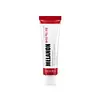 Key Ingredients
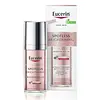
Benefits
Concerns
Ingredients Side-by-side
Water
Skin ConditioningButyrospermum Parkii Butter
Skin Conditioning



Butylene Glycol
Humectant
Caprylic/Capric Triglyceride
Masking
Betaine
Humectant


Hydrogenated Polydecene
EmollientDimethicone
Emollient
Niacinamide
Smoothing







Polyglyceryl-3 Methylglucose Distearate
Emulsifying
Cetearyl Alcohol
Emollient
Glyceryl Stearate
Emollient
Beeswax
Emulsion Stabilising
Alpha-Arbutin
Antioxidant

Broussonetia Kazinoki Callus Culture Extract
Skin ConditioningMagnesium Ascorbyl Phosphate
Antioxidant

Glycyrrhiza Uralensis Extract
EmollientPEG-100 Stearate
Dimethicone/Vinyl Dimethicone Crosspolymer
Skin Conditioning
Sorbitan Stearate
Emulsifying
Sucrose Cocoate
Emulsifying
Cysteine
Antioxidant
Ascorbic Acid
Antioxidant
Carnitine
CleansingTranexamic Acid
Astringent
Aletris Farinosa Root Extract
Antioxidant
Biota Orientalis Leaf Extract
HumectantZanthoxylum Schinifolium Leaf Extract
Skin ConditioningPolygonum Cuspidatum Root Extract
Antioxidant
Hamamelis Virginiana Extract
Antiseborrhoeic

Morus Alba Bark Extract
Skin ConditioningPhyllanthus Emblica Fruit Extract
HumectantTrichosanthes Kirilowii Root Extract
Skin ProtectingVitis Vinifera Seed Oil
Emollient
Simmondsia Chinensis Seed Oil
Emollient
Hydroxyacetophenone
Antioxidant
Ozokerite
Emulsion StabilisingTocopheryl Acetate
Antioxidant
Arginine
Masking
Ethylhexylglycerin
Skin ConditioningCarbomer
Emulsion StabilisingSodium Hyaluronate
Humectant
Sh-Oligopeptide-1
Skin Conditioning
Sh-Oligopeptide-2
Skin Conditioning
Sh-Polypeptide-1
Skin Conditioning
Sh-Polypeptide-3
Skin Conditioning
Sh-Polypeptide-16
Skin Protecting
Adenosine
Skin Conditioning
Xanthan Gum
EmulsifyingDisodium EDTA
Parfum
Masking
1,2-Hexanediol
Skin Conditioning
Glycerin
Humectant
Propanediol
Solvent
Water, Butyrospermum Parkii Butter, Butylene Glycol, Caprylic/Capric Triglyceride, Betaine, Hydrogenated Polydecene, Dimethicone, Niacinamide, Polyglyceryl-3 Methylglucose Distearate, Cetearyl Alcohol, Glyceryl Stearate, Beeswax, Alpha-Arbutin, Broussonetia Kazinoki Callus Culture Extract, Magnesium Ascorbyl Phosphate, Glycyrrhiza Uralensis Extract, PEG-100 Stearate, Dimethicone/Vinyl Dimethicone Crosspolymer, Sorbitan Stearate, Sucrose Cocoate, Cysteine, Ascorbic Acid, Carnitine, Tranexamic Acid, Aletris Farinosa Root Extract, Biota Orientalis Leaf Extract, Zanthoxylum Schinifolium Leaf Extract, Polygonum Cuspidatum Root Extract, Hamamelis Virginiana Extract, Morus Alba Bark Extract, Phyllanthus Emblica Fruit Extract, Trichosanthes Kirilowii Root Extract, Vitis Vinifera Seed Oil, Simmondsia Chinensis Seed Oil, Hydroxyacetophenone, Ozokerite, Tocopheryl Acetate, Arginine, Ethylhexylglycerin, Carbomer, Sodium Hyaluronate, Sh-Oligopeptide-1, Sh-Oligopeptide-2, Sh-Polypeptide-1, Sh-Polypeptide-3, Sh-Polypeptide-16, Adenosine, Xanthan Gum, Disodium EDTA, Parfum, 1,2-Hexanediol, Glycerin, Propanediol
Water
Skin ConditioningAlcohol Denat.
Antimicrobial

Butylene Glycol
Humectant
Glycerin
Humectant
Octocrylene
UV Absorber

Isopropyl Palmitate
Emollient
Cetearyl Isononanoate
EmollientDistarch Phosphate
AbsorbentMethylpropanediol
SolventIsobutylamido Thiazolyl Resorcinol
Bleaching
Sodium Ascorbyl Phosphate
Antioxidant
Sodium Hyaluronate
Humectant
Glycyrrhiza Inflata Root Extract
Skin ConditioningTocopherol
Antioxidant
Glucosylrutin
Antioxidant
Sodium Stearoyl Glutamate
CleansingGlyceryl Stearate
Emollient
Sodium Polyacrylate
Absorbent
Dimethicone
Emollient
Isoquercitrin
Antioxidant
Citric Acid
Buffering
Sodium Chloride
Masking
Trisodium EDTA
Caprylyl Glycol
Emollient
Phenoxyethanol
Preservative
Parfum
Masking
Water, Alcohol Denat., Butylene Glycol, Glycerin, Octocrylene, Isopropyl Palmitate, Cetearyl Isononanoate, Distarch Phosphate, Methylpropanediol, Isobutylamido Thiazolyl Resorcinol, Sodium Ascorbyl Phosphate, Sodium Hyaluronate, Glycyrrhiza Inflata Root Extract, Tocopherol, Glucosylrutin, Sodium Stearoyl Glutamate, Glyceryl Stearate, Sodium Polyacrylate, Dimethicone, Isoquercitrin, Citric Acid, Sodium Chloride, Trisodium EDTA, Caprylyl Glycol, Phenoxyethanol, Parfum
Ingredients Explained
These ingredients are found in both products.
Ingredients higher up in an ingredient list are typically present in a larger amount.
Butylene Glycol (or BG) is used within cosmetic products for a few different reasons:
Overall, Butylene Glycol is a safe and well-rounded ingredient that works well with other ingredients.
Though this ingredient works well with most skin types, some people with sensitive skin may experience a reaction such as allergic rashes, closed comedones, or itchiness.
Learn more about Butylene GlycolDimethicone is a type of synthetic silicone created from natural materials such as quartz.
What it does:
Dimethicone comes in different viscosities:
Depending on the viscosity, dimethicone has different properties.
Ingredients lists don't always show which type is used, so we recommend reaching out to the brand if you have questions about the viscosity.
This ingredient is unlikely to cause irritation because it does not get absorbed into skin. However, people with silicone allergies should be careful about using this ingredient.
Note: Dimethicone may contribute to pilling. This is because it is not oil or water soluble, so pilling may occur when layered with products. When mixed with heavy oils in a formula, the outcome is also quite greasy.
Learn more about DimethiconeGlycerin is already naturally found in your skin. It helps moisturize and protect your skin.
A study from 2016 found glycerin to be more effective as a humectant than AHAs and hyaluronic acid.
As a humectant, it helps the skin stay hydrated by pulling moisture to your skin. The low molecular weight of glycerin allows it to pull moisture into the deeper layers of your skin.
Hydrated skin improves your skin barrier; Your skin barrier helps protect against irritants and bacteria.
Glycerin has also been found to have antimicrobial and antiviral properties. Due to these properties, glycerin is often used in wound and burn treatments.
In cosmetics, glycerin is usually derived from plants such as soybean or palm. However, it can also be sourced from animals, such as tallow or animal fat.
This ingredient is organic, colorless, odorless, and non-toxic.
Glycerin is the name for this ingredient in American English. British English uses Glycerol/Glycerine.
Learn more about GlycerinGlyceryl Stearate is a mix of glycerin and stearic acid.
It is used to stabilize the mixing of water and oil ingredients. By preventing these ingredients from separating, it can help elongate shelf life. It can also help thicken the product's texture.
As an emollient, it helps soften skin and supports barrier-replenishing ingredients.
In cosmetics, Glyceryl Stearate is often made from vegetable oils or synthetically produced.
This ingredient may not be fungal-acne safe
Fun fact: The human body also creates Glyceryl Stearate naturally.
Learn more about Glyceryl StearateParfum is a catch-all term for an ingredient or more that is used to give a scent to products.
Also called "fragrance", this ingredient can be a blend of hundreds of chemicals or plant oils. This means every product with "fragrance" or "parfum" in the ingredients list is a different mixture.
For instance, Habanolide is a proprietary trade name for a specific aroma chemical. When used as a fragrance ingredient in cosmetics, most aroma chemicals fall under the broad labeling category of “FRAGRANCE” or “PARFUM” according to EU and US regulations.
The term 'parfum' or 'fragrance' is not regulated in many countries. In many cases, it is up to the brand to define this term.
For instance, many brands choose to label themselves as "fragrance-free" because they are not using synthetic fragrances. However, their products may still contain ingredients such as essential oils that are considered a fragrance by INCI standards.
One example is Calendula flower extract. Calendula is an essential oil that still imparts a scent or 'fragrance'.
Depending on the blend, the ingredients in the mixture can cause allergies and sensitivities on the skin. Some ingredients that are known EU allergens include linalool and citronellol.
Parfum can also be used to mask or cover an unpleasant scent.
The bottom line is: not all fragrances/parfum/ingredients are created equally. If you are worried about fragrances, we recommend taking a closer look at an ingredient. And of course, we always recommend speaking with a professional.
Learn more about ParfumSodium Hyaluronate is hyaluronic acid's salt form. It is commonly derived from the sodium salt of hyaluronic acid.
Like hyaluronic acid, it is great at holding water and acts as a humectant. This makes it a great skin hydrating ingredient.
Sodium Hyaluronate is naturally occurring in our bodies and is mostly found in eye fluid and joints.
These are some other common types of Hyaluronic Acid:
Learn more about Sodium HyaluronateWater. It's the most common cosmetic ingredient of all. You'll usually see it at the top of ingredient lists, meaning that it makes up the largest part of the product.
So why is it so popular? Water most often acts as a solvent - this means that it helps dissolve other ingredients into the formulation.
You'll also recognize water as that liquid we all need to stay alive. If you see this, drink a glass of water. Stay hydrated!
Learn more about Water
